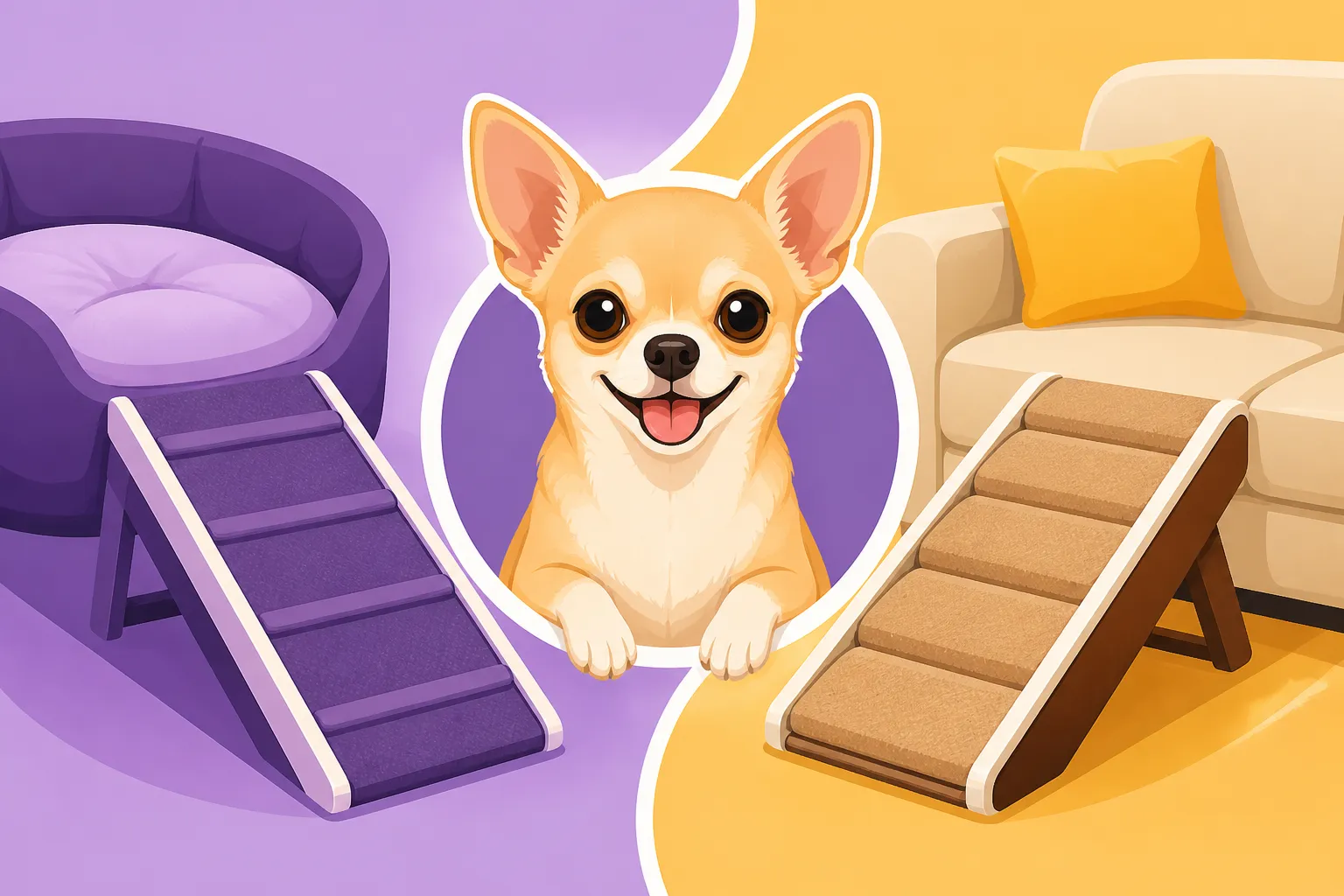
Ramps for a Chihuahua Bed and Sofa
It’s a tale as old as time for Chihuahua owners: you love cuddling your tiny companion on the sofa or having them snooze at the foot of your bed, but the moment they decide to launch themselves off, your heart skips a beat. That sudden drop, often from what feels like a dizzying height for such a small creature, can lead to serious injuries. This guide is all about giving your Chihuahua the independence to enjoy their favorite elevated spots safely, without you constantly worrying about their delicate joints.
Why Jumping Off Furniture is a Major Risk for Chihuahuas
Chihuahuas might act like they're invincible, leaping and bounding with surprising energy, but their tiny bodies are remarkably fragile. What seems like a small hop for a human or a larger dog can be a significant impact for a Chihuahua, potentially leading to a lifetime of pain and expensive veterinary bills. It’s not about stifling their joy, but about understanding their physical limitations and providing a safer environment.
The Fragility of Chihuahua Joints and Skeletal Structure
Imagine taking a dive from a second-story window – that's often the equivalent impact for a Chihuahua jumping off a sofa or bed. Their bones are delicate, especially in their legs, and their joints are prone to certain issues. One of the most common culprits is patellar luxation, where the kneecap slips out of its groove. While some Chihuahuas are born with a predisposition, repeated trauma from jumping can certainly worsen an existing condition or even trigger it in a previously healthy joint. A jump from a height, landing awkwardly, puts immense stress on those tiny knees, hips, and even their spine. It’s like a tiny house of cards, where one wrong move can destabilize everything. This isn't just about a temporary ache; these injuries can have long-lasting effects.
Beyond the knees, a Chihuahua's entire skeletal structure is compact and not built for high-impact landings. Their necks and spines, while perfectly capable of supporting their small heads, aren't designed to absorb the shock of a sudden drop onto a hard floor. We’ve heard countless stories, like little Bella, a spirited long-coat, who loved to launch herself from her owner's bed with no regard for physics. One day, after years of these daring leaps, she developed a persistent limp, which eventually was diagnosed as a severe case of patellar luxation requiring surgery. This kind of scenario is heartbreakingly common and entirely preventable.
It's also worth remembering that the skeletal system of a Chihuahua continues to develop and harden over their first year, but even adult Chihuahuas retain a certain delicacy. Their compact size, a feature we adore, also means they have less muscle and fat to cushion impacts compared to larger breeds. This is why vigilance and preventative measures, like ramps, are so incredibly important throughout their lives, not just when they are puppies or seniors.
Common Injuries from Jumping
The list of potential injuries from jumping is unfortunately extensive for Chihuahuas. Patellar luxation, as mentioned, is at the top. This can range from a mild, intermittent skip in their step to severe lameness that requires surgical correction. If you've ever seen a Chihuahua suddenly pick up a back leg for a few steps, then put it down and carry on, it's very often a sign of a mild kneecap slip. Over time, these small slips can lead to significant pain and early-onset arthritis. You can learn more about this common issue in our article, How a Chihuahua Kneecap Slips Out of Place.
Beyond the knees, spinal injuries are a serious concern. Intervertebral disc disease (IVDD) can affect Chihuahuas, where the cushioning discs between the vertebrae bulge or rupture, pressing on the spinal cord. A hard landing can be a direct trigger for such an event, leading to pain, weakness, or even paralysis. While not as prevalent as in breeds like Dachshunds, Chihuahuas are not immune. Foreleg fractures are also a risk, particularly in younger, more energetic Chihuahuas who haven't quite mastered graceful landings. Their tiny leg bones can snap under the wrong angle or force.
The cumulative effect of repeated small traumas from jumping can also lead to the premature development of Chihuahua Arthritis in the Teenage Years. Even if a major injury isn't immediately apparent, the constant jarring can wear down joint cartilage over time, causing chronic pain and stiffness as they age. Conditions like Chihuahua Legg-Calve-Perthes Disease, while typically developmental, can also be exacerbated by undue stress on the hip joint. It’s crucial to understand that while these dogs are robust in spirit, their physical bodies demand thoughtful care and protection from common household hazards.
The Benefits of Using Ramps for Your Chihuahua
If the thought of your precious pup suffering a preventable injury fills you with dread, then exploring ramps is a natural next step. These simple additions to your home can make a world of difference, not just in injury prevention, but in enhancing your Chihuahua's overall well-being and independence. It’s about creating a safe space where they can thrive without constant human intervention to lift them up and down.
Preventing Injuries and Ensuring Long-Term Joint Health
The primary and most significant benefit of using ramps is injury prevention. By providing a gradual incline, ramps eliminate the high-impact stress on your Chihuahua's joints that comes with jumping. Instead of a jarring drop, they experience a smooth, controlled descent. This simple change drastically reduces the risk of acute injuries like patellar luxation, fractures, and spinal trauma. Think of it as investing in their long-term health, much like good nutrition or regular vet check-ups. It’s a proactive step that can save you heartache and significant veterinary expenses down the line.
Beyond preventing immediate injuries, ramps contribute to the sustained health of your Chihuahua’s musculoskeletal system. By minimizing cumulative stress, they help preserve cartilage and joint integrity, potentially delaying the onset or progression of degenerative joint diseases like arthritis. This means a more comfortable and active life for your furry friend as they age. It gives you, the owner, immense peace of mind, knowing that when your Chihuahua decides to join you on the couch for cuddles or hop off the bed in the morning, they can do so safely and independently. This autonomy, combined with safety, greatly improves their quality of life.
Here's a quick look at why ramps often win out over steps for Chihuahuas:
| Feature | Ramps | Steps |
|---|---|---|
| Incline | Gradual, continuous slope | Individual rises and treads |
| Impact on Joints | Minimal; smooth transition | Some impact with each step, though less than jumping |
| Ease of Use | Easier for dogs with mobility issues, very young, or very old | Can be challenging for very small, stiff, or visually impaired dogs |
| Training | Often easier to teach, more intuitive | Can require more coordination and balance |
| Injury Risk | Very low | Low, but still a small risk of missteps |
| Best For | All Chihuahuas, especially those with existing joint problems or seniors | More agile Chihuahuas without current joint issues |
Enhancing Quality of Life for Chihuahuas of All Ages
Ramps aren't just for Chihuahuas recovering from an injury or struggling with mobility; they genuinely enhance the quality of life for dogs of all ages. For curious puppies, a ramp provides a safe way to explore their environment and access their favorite human's lap without risking a fall. It helps them develop good habits from the start, learning to use the ramp instead of developing a habit of jumping off. For energetic adult Chihuahuas, ramps mean they can move freely between levels, maintaining their independence without putting their precious bodies at risk. They can come and go as they please, reinforcing their sense of belonging and confidence.
And for our beloved Senior Chihuahua Care Past the Age of Twelve, ramps are nothing short of a godsend. As Chihuahuas reach their golden years, many will experience some degree of arthritis or other age-related mobility challenges. A ramp allows them to continue accessing their favorite bed or sofa spot without pain or assistance. It preserves their dignity and keeps them integrated into family life, rather than being confined to the floor or needing to be constantly lifted. It enables Mobility Help for a Fifteen Year Old Chihuahua without invasive measures, keeping them comfortable and active for as long as possible. For any Chihuahua, regardless of age, ramps mean less pain, more freedom, and continued access to the comforting presence of their family. They allow your little one to be a part of everything, rather than being excluded because of their size.
Choosing the Right Ramp for Your Home and Chihuahua
Once you're convinced that a ramp is a must-have for your Chihuahua, the next step is selecting the perfect one. It's not a one-size-fits-all situation. There are many factors to consider, from the material and stability to how it fits into your living space and, most importantly, how well your Chihuahua will take to it. A good ramp should be an invisible, intuitive aid, not a cumbersome obstacle.
Material and Design Considerations
When looking at ramps, the material is crucial. You'll find options made from wood, plastic, or various composite materials, often covered with carpet or a non-slip fabric. The absolute priority is grip. A slick ramp, no matter how sturdy, defeats the purpose. Look for a ramp with a textured surface, ideally carpeted or ribbed, to provide secure footing for those tiny paws. Many popular brands available on sites like Chewy or Amazon offer excellent non-slip surfaces designed specifically for pets. This prevents slips and falls on the ramp, which could be just as bad as jumping off.
The ramp's angle and length are also incredibly important. Generally, a longer ramp will have a shallower, more gradual incline, making it much easier and safer for a Chihuahua to ascend and descend. A steep, short ramp might save space but it will be harder on their joints and more intimidating for them to use. Measure the height of your bed or sofa and choose a ramp that allows for a gentle slope. Stability is another non-negotiable feature; the ramp should be rock-solid and not wobble at all when your Chihuahua uses it. Any instability will deter your dog and could even cause them to lose their footing. Finally, consider how the ramp will integrate into your home's aesthetics. While function is paramount, you can often find ramps that blend in beautifully with your furniture, whether it's a sleek wooden ramp or one upholstered to match your decor.
Placement and Training Your Chihuahua to Use a Ramp
Once you have your chosen ramp, strategic placement is key. Position it directly against the furniture your Chihuahua frequently accesses, ideally covering their favorite jumping-off spot. This makes it the most obvious and convenient path for them. If your Chihuahua often tries to jump from multiple sides of a bed or sofa, you might even consider multiple ramps, or at least barriers to block off the jump zones, to ensure they always choose the safe route. It needs to be easier to use the ramp than to jump.
Training your Chihuahua to use the ramp should be a positive, gradual experience. Start by placing some of their favorite Treats Small Enough for Chihuahua Training on the lower part of the ramp, gradually moving them further up. Coax them gently with an encouraging voice. Avoid forcing them or pushing them onto the ramp, as this can create a negative association. Many Chihuahuas will figure it out quickly, especially if you lead the way with treats or a favorite toy. Consistency is vital; always encourage them to use the ramp, especially when they're tempted to jump. Some Chihuahuas might be a bit wary at first, so be patient. Praise them enthusiastically every time they use it correctly, even if it's just a few steps. With time and positive reinforcement, the ramp will become their natural pathway, ensuring their safety and your peace of mind.
Integrating Ramps into a Holistic Care Plan
Ramps are a fantastic tool, but they're just one piece of a larger puzzle when it comes to keeping your Chihuahua healthy and happy throughout their long life. A truly holistic approach to care means considering all aspects of their well-being, from what they eat to how they exercise, and how you prevent injury in the first place.
Beyond Ramps: Other Ways to Protect Your Chihuahua's Joints
While ramps protect against impact injuries, other factors play a huge role in joint health. Weight management is paramount for Chihuahuas. Even a single extra pound on their tiny frame can put significant stress on their joints, exacerbating conditions like patellar luxation or accelerating arthritis. Our article What One Extra Pound Does to a Chihuahua explains this in detail. Ensuring your Chihuahua maintains a lean, healthy body condition is one of the best preventative measures you can take. This means carefully measuring their food and being mindful of treats.
Appropriate exercise is also key. While Chihuahuas don't need miles of running, regular, gentle activity helps maintain muscle strength and joint flexibility. Short, controlled walks, indoor play, and gentle stretching can all contribute. If your Chihuahua has known knee issues, focus on low-impact activities; Exercise for a Chihuahua With a Bad Knee offers some great ideas. Talk to your vet about joint supplements that might be beneficial, especially as your Chihuahua ages. Glucosamine, chondroitin, and omega-3 fatty acids are common choices, but always consult with your vet before adding any new supplements to their routine. Regular veterinary check-ups are non-negotiable for monitoring joint health and catching any issues early. Your vet can assess their gait, palpate their joints, and recommend interventions before problems become severe. Don't forget, Keeping a Chihuahua Off Furniture to Protect Knees isn't just about ramps; it's about minimizing all risky behaviors.
Maintaining Your Chihuahua's Overall Well-being
A happy, healthy Chihuahua relies on comprehensive care that extends beyond just their joints. Their nutrition plays a foundational role in their overall health. Chihuahuas have specific dietary needs, often requiring small, frequent meals to prevent drops in blood sugar. Understanding Feeding a Chihuahua on Two Hundred Calories a Day is crucial to maintaining their ideal weight and energy levels. High-quality food provides the building blocks for healthy bones, muscles, and a strong immune system.
Given their minimal body fat and thin coats, keeping your Chihuahua warm is another critical aspect of their care. Keeping a Chihuahua Warm Through Winter isn't just about comfort; it's about preventing them from expending vital energy trying to stay warm, which can impact their overall vitality. Sweaters, warm beds, and managing your home's temperature are all important considerations. And of course, grooming, even for the smooth-coated varieties, contributes to their comfort and skin health. Smooth Coat and Long Coat Chihuahua Grooming outlines routines that keep their skin and coats healthy, preventing irritation and matting. By combining thoughtful preventative measures like ramps with excellent daily care and regular Vet Visit Frequency for a Chihuahua Past Twelve, you're setting your Chihuahua up for a long, vibrant life by your side.
Disclaimer
This article is for general informational purposes only and does not constitute professional advice. Laws, prices and regulations vary by location and change over time. Consult a qualified professional for guidance on your specific situation.