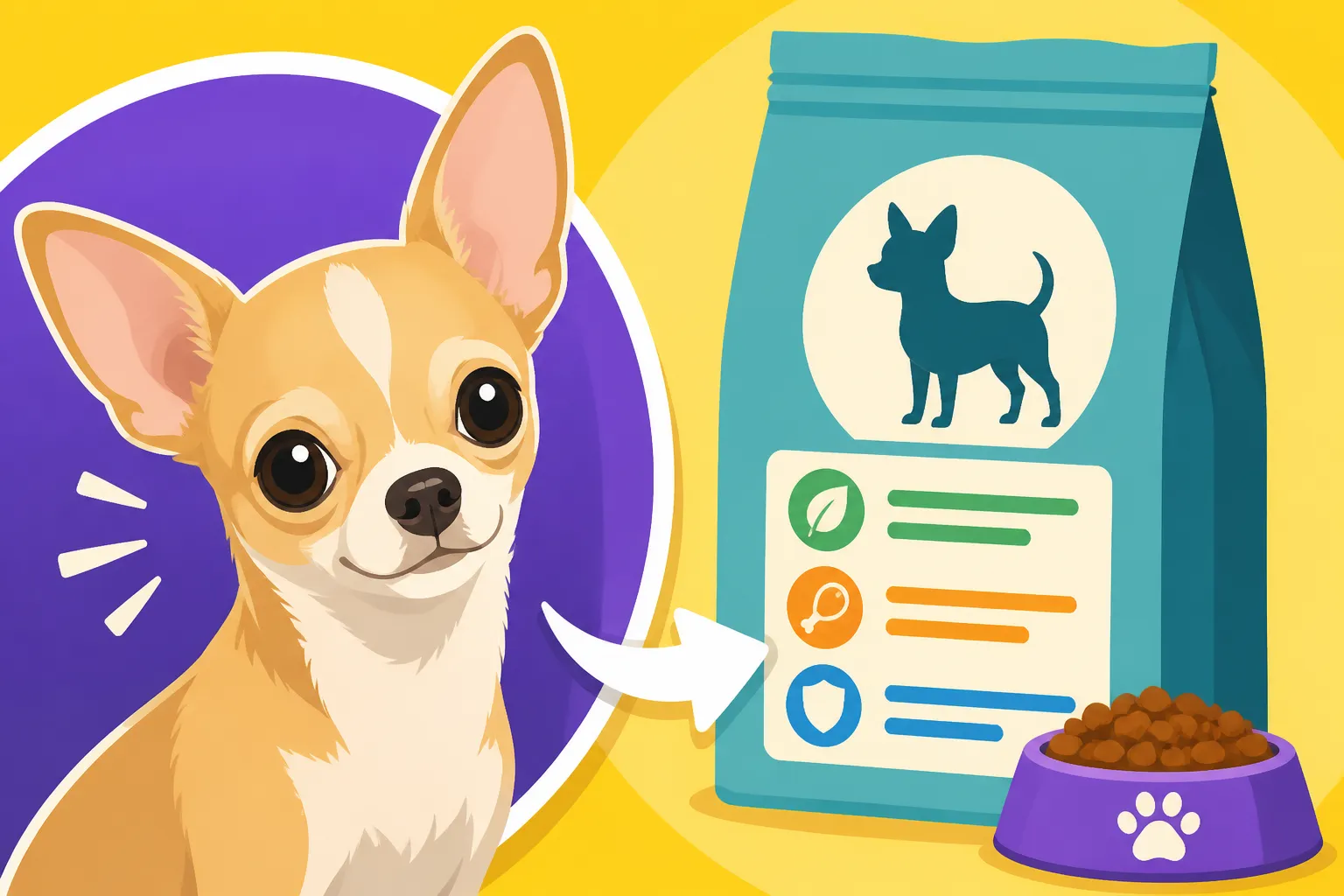
What to Read on a Chihuahua Food Bag
Picking up a bag of Chihuahua food can feel like trying to solve a complicated puzzle, especially when you're just trying to figure out if you're giving your tiny companion the very best. With so many brands and claims, it’s easy to feel overwhelmed, but understanding the label is crucial for your little one's health. This guide will help you confidently decipher what's printed on that bag, ensuring you make informed choices for your beloved Chihuahua.
Deciphering the Ingredient List: More Than Just Words
The ingredient list is arguably the most vital part of any dog food bag, yet it's often the most confusing. It's not just a jumble of words; it's a window into the quality and nutritional value of what you're feeding your Chihuahua. For such a small dog, every ingredient truly matters, impacting everything from their energy levels to their dental health.
The All-Important First Five Ingredients
When you scan an ingredient list, your eyes should immediately go to the first five items. Why these first five? Because by law, ingredients are listed in descending order by weight. This means the ingredients at the top make up the bulk of the food. For your Chihuahua, who needs nutrient-dense meals, you ideally want to see high-quality, recognizable protein sources topping this list. If the first few ingredients are mostly grains or ambiguous terms, it might be a sign that the food isn't as rich in animal protein as your little carnivore needs. Think of it like reading your own cereal box; you want to see whole grains and fruit before sugar and preservatives.
It’s easy to get distracted by flashy marketing on the front of the bag, but flipping it over to scrutinize those top five ingredients provides the real story. Some brands might list "chicken" as the first ingredient, which sounds great, but remember that whole chicken contains a lot of water. Once that water is removed during processing, the actual dry weight of chicken might be much lower, potentially pushing less desirable ingredients further up the effective list. This is why understanding the different forms of protein is so important for Feeding a Chihuahua on Two Hundred Calories a Day.
Navigating Meat Sources: Whole Meats, Meals, and By-Products
Here’s where it gets a little tricky. You'll see terms like "chicken," "chicken meal," "chicken by-product meal," or "lamb."
- Whole Meats (e.g., Chicken, Beef, Lamb): These are excellent. They refer to the muscle meat, often with some bone and organ tissue. While fantastic, as mentioned, they contain a high percentage of water, so their contribution to the dry matter content might be less than you think.
- Meat Meals (e.g., Chicken Meal, Lamb Meal): Don't let the word "meal" scare you off! This is actually a highly concentrated form of protein. It means the meat has been rendered to remove most of the water and fat, leaving behind a protein-rich powder. A good quality named meat meal (like "chicken meal" not "poultry meal") can often provide more usable protein per serving than whole meat when compared on a dry matter basis. This is a very efficient protein source for a Chihuahua's small stomach.
- Meat By-Product Meals: This is where you need to be more cautious. By-products can include organ meat (which is nutritious!), but also less digestible parts like feet, beaks, feathers, and sometimes even bone. The key here is the unspecified nature. If it says "chicken by-product meal," it's more likely to be digestible and high-quality than if it just says "meat by-product meal" or "animal by-product meal," which could come from literally anything and vary widely in quality batch to batch. For a tiny Chihuahua, consistency and quality are paramount.
Understanding Grains, Starches, and "Fillers"
For years, grains got a bad rap, with many people assuming they were just "fillers" or common allergens. However, for most Chihuahuas, whole grains like brown rice, oats, or barley can be excellent sources of digestible carbohydrates, fiber, and essential nutrients. They provide sustained energy, which is important for preventing Chihuahua Hypoglycemia and the Puppy Emergency, especially in young puppies or active adults.
- Good Carbs: Look for specific, named whole grains or starchy vegetables like sweet potatoes or peas. These provide energy and fiber.
- "Fillers" to Watch Out For: While grains are not inherently bad, ingredients like corn gluten meal or wheat gluten meal are often used to boost protein numbers artificially without providing a complete amino acid profile. Similarly, non-specific plant proteins or large amounts of refined corn or wheat can be less beneficial than whole sources. The idea is to have a balance; you don't want a food that's mostly cheap grain or plant protein with minimal quality meat.
The Role of Fats, Vitamins, and Minerals
Beyond protein and carbs, fats, vitamins, and minerals play critical roles.
- Fats: Look for named fat sources like "chicken fat" or "salmon oil." These provide essential fatty acids (like Omega-3s and -6s) for healthy skin, a shiny coat, and brain development. Good fats are vital for a Chihuahua's energy.
- Vitamins and Minerals: These are usually listed further down the ingredient list as a vitamin and mineral "premix." You want to see a comprehensive list including vitamins A, D, E, B-complex, and minerals like zinc, iron, and calcium. Chelated minerals (e.g., zinc proteinate, iron proteinate) are often a sign of higher quality food, as they are more easily absorbed by your dog's body. These small details can make a big difference in a Chihuahua's overall health and vitality, contributing to their remarkable Chihuahua Lifespan and Why the Breed Reaches Sixteen.
Unpacking the Guaranteed Analysis: Numbers That Tell a Story
If the ingredient list tells you what is in the food, the Guaranteed Analysis (GA) tells you how much of certain key nutrients are present. This table is a regulated part of the label and gives minimum and maximum percentages for protein, fat, fiber, and moisture. While it might look intimidating with all those percentages, it's actually quite straightforward once you know what to look for, especially for a small breed like the Chihuahua.
Protein Percentages for Tiny Muscles
The "Crude Protein (min)" percentage is usually the first thing people notice. For a Chihuahua, adequate protein is crucial for maintaining muscle mass, supporting their immune system, and overall health. While specific protein needs can vary with age and activity, a good quality adult dog food typically has a minimum crude protein content of 20-25% on a dry matter basis. Puppies, growing rapidly and burning a lot of energy, will need higher protein levels, often in the range of 28-32% or even more.
It's important to remember that this "crude protein" number doesn't tell you about the quality or digestibility of the protein. A food could technically have a high crude protein percentage, but if it comes from poor quality, indigestible sources like feathers, your Chihuahua won't be able to utilize it effectively. This is why reading the ingredient list in conjunction with the Guaranteed Analysis is so important.
Fat Content for Energy and Coat Health
"Crude Fat (min)" indicates the minimum amount of fat. Fat is a concentrated source of energy, vital for active Chihuahuas, and essential for absorbing fat-soluble vitamins. It also plays a huge role in skin and coat health. For adult Chihuahuas, a crude fat percentage of 10-15% is usually appropriate. Again, puppies will typically need higher fat content, often 15-20% or more, to support their rapid growth and high metabolism, which helps prevent sugar crashes.
Just like with protein, the source of fat matters. Healthy fats from named animal sources (like chicken fat or salmon oil) or plant oils (like flaxseed oil) are preferred over generic "animal fat." These not only provide energy but also beneficial omega fatty acids, which can keep your Chihuahua’s coat sleek and reduce skin dryness or irritation.
Fiber's Role in a Chihuahua's Digestion
"Crude Fiber (max)" is listed as a maximum, meaning the food shouldn't contain more than this percentage. Fiber is essential for digestive health, helping to regulate bowel movements and supporting a healthy gut microbiome. However, too much fiber can reduce nutrient absorption, which is particularly undesirable for a tiny dog with a small stomach capacity who needs every calorie to count. For most Chihuahuas, a crude fiber content of 2-5% is generally suitable.
Sources of fiber include beet pulp, rice bran, and various fruits and vegetables. If your Chihuahua struggles with Chihuahua Skin Allergies and Hair Loss or digestive upset, the fiber content and source might be something to discuss with your vet.
Moisture Levels: Dry Kibble Versus Wet Food
"Moisture (max)" is an important factor because it impacts the true concentration of nutrients. Dry kibble typically has a moisture content of around 10% or less. Wet or canned foods, on the other hand, can be 75-85% moisture. This means that to compare the nutritional content of a dry food with a wet food, you need to convert the guaranteed analysis to a "dry matter basis." This calculation helps you understand the actual nutrient density once the water is removed.
Here's a quick reference for a hypothetical Chihuahua food label:
| Nutrient | Dry Kibble (Typical) | Wet Food (Typical) |
|---|---|---|
| Crude Protein | 25-35% min | 8-12% min |
| Crude Fat | 12-20% min | 5-8% min |
| Crude Fiber | 2-5% max | 0.5-1.5% max |
| Moisture | 10% max | 75-85% max |
If you're unsure about converting to dry matter, many online calculators can help, or your vet can guide you. Companies like Ollie, which offer fresh, human-grade food, will have a higher moisture content naturally, so comparing their GA to a dry kibble requires this conversion.
The AAFCO Statement: Your Chihuahua's Nutritional Assurance
Beyond the ingredient list and guaranteed analysis, there's a small, often overlooked statement on the bag that carries immense weight: the AAFCO nutritional adequacy statement. This isn't just a regulatory formality; it's your assurance that the food is actually nutritionally complete and balanced for your Chihuahua.
What AAFCO Endorsement Truly Means
AAFCO stands for the Association of American Feed Control Officials. While AAFCO doesn't directly regulate pet food, it sets the standards for nutritional profiles for pet food labels. When a pet food bag states it meets AAFCO standards, it means the manufacturer has either:
- Formulated the food to meet the nutrient profiles established by AAFCO for a specific life stage (e.g., puppy, adult maintenance). This is a common and acceptable method.
- Performed feeding trials using AAFCO procedures, demonstrating that the food provides complete and balanced nutrition for a specific life stage. This is considered the "gold standard" as it involves actual animal testing, though it's more costly for manufacturers.
For your Chihuahua, this statement is critical. It ensures that the food isn't just a collection of ingredients, but a carefully balanced diet designed to meet their specific needs without you having to worry about nutritional deficiencies or excesses. Always look for this statement on the bag; without it, you're essentially feeding an untested product.
Matching Food to Your Chihuahua's Life Stage
The AAFCO statement will also specify for which life stage the food is appropriate. This is incredibly important for a Chihuahua, as their nutritional needs change dramatically throughout their lives.
- "Formulated to meet the nutritional levels established by the AAFCO Dog Food Nutrient Profiles for All Life Stages": This means the food is suitable for puppies, adult dogs, and senior dogs, even pregnant or lactating females. While convenient, some argue that "all life stages" foods are often formulated to meet the higher demands of puppies, meaning they might contain more calories or nutrients than an adult or senior Chihuahua truly needs, potentially leading to Chihuahua Obesity on a Six Pound Frame.
- "Formulated to meet the nutritional levels established by the AAFCO Dog Food Nutrient Profiles for Growth/Puppies": This food is specifically designed for growing puppies. It will have higher protein, fat, and calcium levels to support rapid development. This is essential for preventing issues like Chihuahua Hypoglycemia in the First Twelve Weeks.
- "Formulated to meet the nutritional levels established by the AAFCO Dog Food Nutrient Profiles for Adult Maintenance": This food is designed for healthy, adult Chihuahuas. It provides balanced nutrition without the extra calories or intense nutrient levels needed for growth or reproduction.
- "Formulated to meet the nutritional levels established by the AAFCO Dog Food Nutrient Profiles for Senior/Geriatric": While AAFCO doesn't currently have a specific nutrient profile for "senior" dogs, some foods might use this phrasing if they've conducted feeding trials on older dogs or formulated for conditions common in seniors. For your Senior Chihuahua Care Past the Age of Twelve, discussing specific dietary needs with your vet is crucial, as an "adult maintenance" food might still be suitable, or they might need prescription diets for specific health issues.
Red Flags: "Intermittent" or "Supplemental" Claims
Beware of labels that say "For intermittent or supplemental feeding only." This is a significant red flag. It means the food is not nutritionally complete and balanced, and should only be fed as a treat, topper, or occasional supplement, not as your Chihuahua's main diet. Feeding a product with this statement as a primary food source will almost certainly lead to nutritional deficiencies over time, which can have serious health consequences for a small dog.
Special Considerations for Your Chihuahua's Food Bag
Beyond the standard label sections, there are specific factors unique to Chihuahuas that you should keep in mind when choosing their food. Their tiny size, delicate constitution, and predisposition to certain health issues mean that a "one-size-fits-all" approach simply won't work.
Calorie Density: Every Tiny Calorie Counts
Chihuahuas are small, but they can be surprisingly active, and they burn through calories quickly. However, their small body mass means that even a slight overestimation of calories can lead to weight gain. Conversely, undereating can rapidly lead to low blood sugar, especially in puppies. The calorie content (usually listed as "kcal/kg" or "kcal/cup") is often on the bag, sometimes in a small print section, or readily available on the manufacturer's website.
It's absolutely vital to know the precise calorie count of your chosen food. When you're dealing with a dog that might only need 150-250 calories a day, an extra 20 calories in a treat here or a slightly too-full scoop there can quickly add up to significant weight gain. Calculating a Chihuahua Ration at Forty Calories a Pound is a helpful starting point, but always verify the food's actual calorie density. Websites like Chewy often list this information clearly on product pages, making it easier to compare.
Kibble Size and Dental Health Concerns
Chihuahuas are notorious for dental problems. Their tiny mouths are often overcrowded, leading to plaque and tartar buildup from a young age. This is why Chihuahua Dental Disease in a Crowded Small Jaw is so common. The size and shape of the kibble can play a small but significant role in dental health.
- Too Large Kibble: Your Chihuahua might struggle to chew it properly, or even refuse to eat.
- Too Small Kibble: If it's too small, they might swallow it whole, which means it doesn't offer any mechanical cleaning action.
Ideally, look for kibble that's specifically designed for small breeds. These often have a shape and texture that encourages chewing rather than gulping, and are appropriately sized for a Chihuahua's tiny jaw. While kibble alone won't prevent dental disease (daily brushing is still the gold standard!), choosing an appropriate size is a thoughtful step. Some fresh food options, like those from Ollie, avoid kibble altogether, which might also be a consideration depending on your Chihuahua's specific dental needs.
Identifying Potential Allergens for Sensitive Chihuahuas
While Chihuahuas aren't universally prone to allergies more than other breeds, any dog can develop food sensitivities. Common allergens include beef, dairy, wheat, chicken, and egg. If your Chihuahua shows signs of allergies like itchy skin, paw licking, ear infections, or digestive upset, the food bag is the first place to look for potential culprits.
Pay close attention to protein sources. If your Chihuahua is allergic to chicken, even "chicken fat" could be an issue for highly sensitive dogs, although purified fats typically contain little to no protein. Look for novel protein sources like venison, duck, or fish, or limited ingredient diets (LIDs) that minimize the number of components. When sourcing special diets, online retailers like Amazon offer a vast selection, allowing you to filter by specific ingredients. Your vet can help guide you through an elimination diet if you suspect a food allergy, which often involves carefully reading labels to avoid all traces of suspect ingredients.
Disclaimer
This article is for general informational purposes only and does not constitute professional advice. Laws, prices and regulations vary by location and change over time. Consult a qualified professional for guidance on your specific situation.