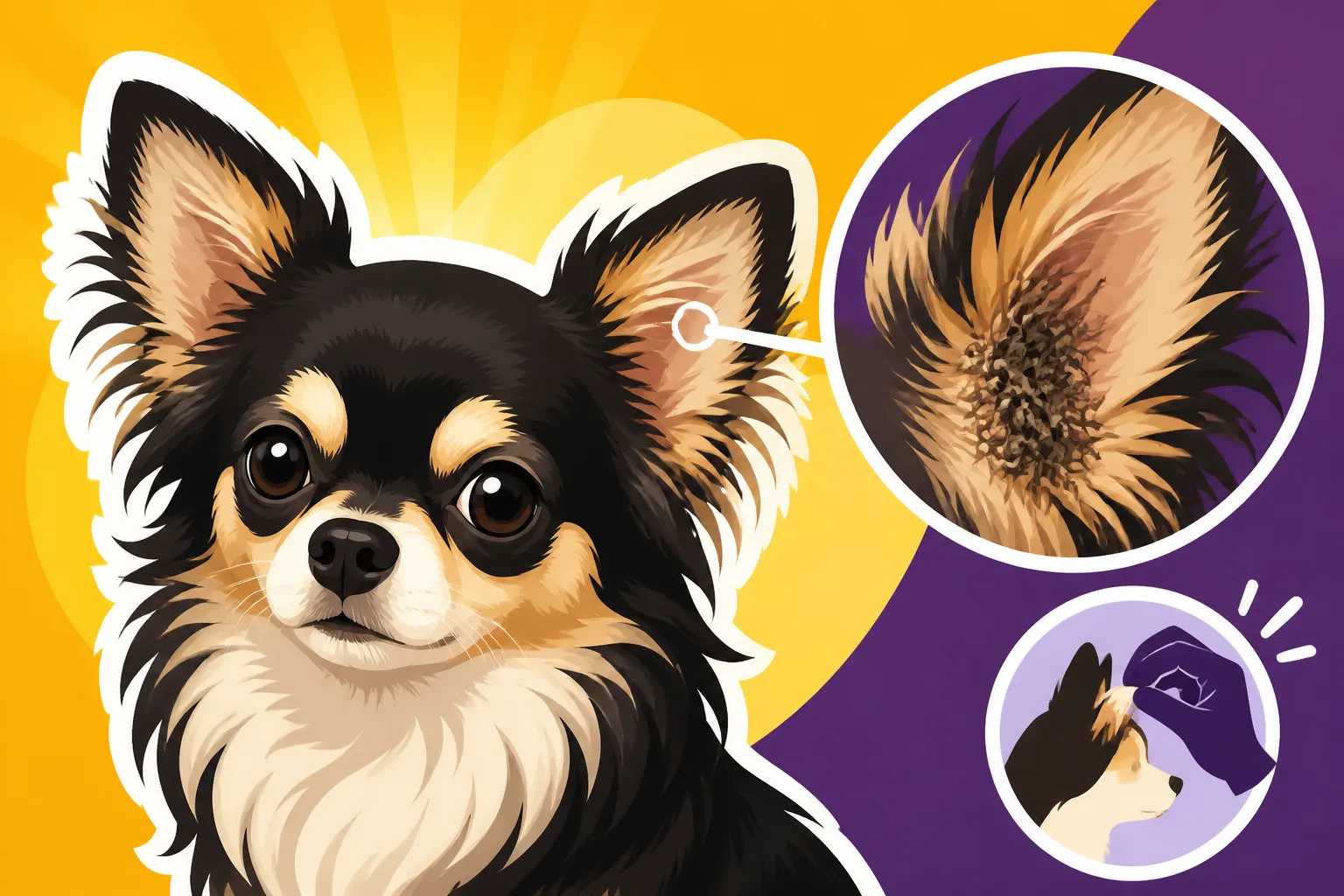
Long Coat Chihuahua Mats Behind the Ears
If you're a long coat Chihuahua parent, you know the struggle is real: those adorable ear fringes, so silky and flowing, have a sneaky way of becoming tight, painful mats right behind their ears. It's a common frustration, turning gentle petting into a delicate operation, and leaving you wondering how these little knots form overnight. This guide is here to walk you through exactly why these mats happen in such a specific spot, and more importantly, how you can prevent them, safely remove them, and ensure your long coat Chihuahua's beautiful fur stays soft and tangle-free.
Understanding Why Long Coat Chihuahuas Mat Behind the Ears
It’s not just bad luck that your long coat Chihuahua seems to develop mats specifically right behind their ears. This area is a prime candidate for matting due to a combination of factors related to their unique coat type, anatomy, and how they interact with their environment. Understanding these underlying causes is the first step toward effective prevention.
The Delicate Nature of Ear Feathering
Long coat Chihuahuas are known for their beautiful, flowing fur, and nowhere is it more pronounced than the delicate feathering on their ears. This hair isn't just long; it's often incredibly fine and silky, especially the strands closest to the skin behind the ear. Unlike the coarser guard hairs on some other breeds, this fine hair is much more prone to tangling and knotting.
Imagine a strand of human hair that is extremely fine versus a thicker, more robust strand. The finer hair tangles with itself and other strands far more easily, especially when subjected to friction or moisture. For your Chihuahua, these fine ear hairs act like natural Velcro, catching on each other and forming tiny knots that, if not addressed quickly, compact into dense mats. These mats pull on the sensitive skin, causing discomfort and even pain for your little companion. It's a cruel irony that one of their most charming features can also be such a source of trouble.
Friction and Moisture: The Perfect Storm
Beyond the hair type itself, external factors create the perfect storm for mat formation behind the ears. This area is constantly exposed to friction and can easily trap moisture, both of which are major contributors to matting.
Think about your Chihuahua's daily life: they wear collars or harnesses, which rub against the fur around their neck and behind their ears. Even if you primarily use a harness, like the kind designed to spare their delicate windpipe, some straps can still cause friction. When your Chihuahua shakes their head, plays, or even just rubs their head against furniture, those fine hairs are being agitated, making them more likely to twist and tangle. Sleeping positions also play a role; if your Chihuahua habitually sleeps curled up with their head tucked or against a pillow, this creates prolonged pressure and friction on those ear fringes.
Moisture is another critical element. After a bath, if the ear feathering isn't thoroughly dried, the damp hair can clump together and mat as it dries. Similarly, if your Chihuahua has a mild ear irritation or an infection, there might be slight discharge or increased moisture in the area, leading to tangles. Even just higher humidity in the air can make their fine coat more prone to knotting. It’s a constant battle against these environmental elements that you might not even realize are contributing to the problem.
Proactive Prevention: Daily Routines to Combat Matting
The best defense against those stubborn mats behind your long coat Chihuahua’s ears is a consistent, proactive grooming routine. It might seem like a lot of work for such a small dog, but a few minutes each day can save you and your furry friend a lot of heartache and discomfort down the line. It's about establishing habits that make grooming a positive, bonding experience rather than a dreaded chore.
The Right Tools for the Job
Having the correct grooming tools is non-negotiable for a long coat Chihuahua. You can't just rely on any old brush; specific tools are designed to gently navigate their fine fur without causing pain or breakage.
First on your list should be a good quality metal comb with both wide and fine teeth. The wide teeth are excellent for initial detangling, while the fine teeth help to catch smaller knots. Pair this with a soft slicker brush for overall coat health and a pin brush to gently work through the longer ear fringes. For stubborn tangles, a detangling spray formulated for dogs is a lifesaver. These sprays often contain conditioners that lubricate the hair, making it easier for knots to slide apart.
You can find a great selection of these specialized grooming tools from online retailers like Chewy or Amazon. Don't be tempted to use human brushes or combs; they aren't designed for canine coats and can pull or break your Chihuahua's delicate hair. Investing in the right tools makes the grooming process much more effective and comfortable for your dog. For more general advice on maintaining your Chihuahua's coat, check out our guide on Coat Care for a Long Haired Chihuahua.
Gentle Grooming Techniques
Once you have your tools, it's all about technique and consistency. Daily brushing, particularly focusing on those vulnerable areas behind the ears, is paramount. This isn't just about preventing mats; it's also a wonderful opportunity to bond with your Chihuahua.
Start with short, positive grooming sessions from a young age, associating brushing with treats and praise. This helps them see it as a pleasant experience rather than something to be endured. When brushing behind the ears, use the metal comb first, gently working through the hair in small sections. Always hold the hair closest to the skin to minimize pulling when you encounter a snag. Think of it like brushing a child’s tangled hair – you start at the ends and work your way up.
If you hit a small tangle, don't yank! Spritz a little detangling spray on it, and gently try to tease it apart with your fingers first, then the wide teeth of your comb. Once the ears are tangle-free, use a slicker or pin brush over the entire coat, including the ear feathering, to smooth it out and remove loose hairs that could contribute to matting. This daily attention is key to preventing those insidious knots from forming. You might also find our advice in Brushing a Long Coat Chihuahua Weekly helpful for deeper dives into routine care.
Lifestyle Adjustments and Diet Support
Beyond direct grooming, there are several lifestyle adjustments you can make to reduce the likelihood of matting. These subtle changes can make a big difference, especially for areas like behind the ears that experience a lot of friction.
Consider switching to a harness instead of a collar for walks. A well-fitting harness distributes pressure across your Chihuahua's chest and back, reducing the constant rubbing of a collar against the delicate fur around their neck and behind their ears. This is also hugely beneficial for their tiny windpipes, as detailed in Why a Harness Matters for a Chihuahua Windpipe. If you do use a collar, ensure it's not too tight or too loose and consider a soft, rounded material.
Regularly wash your Chihuahua's bedding. Dirt and debris caught in fabric can contribute to tangles, and clean bedding reduces overall friction. Also, pay attention to how your Chihuahua dries after baths or getting wet outdoors. Always towel-dry thoroughly, especially the ear feathering, and use a low-heat hairdryer if necessary, brushing as you dry to prevent clumps from forming.
Finally, don't underestimate the power of good nutrition for coat health. A high-quality diet, rich in essential fatty acids, can contribute to a healthier, stronger coat that is less prone to breakage and matting. Some owners swear by fresh food options, like those from Ollie, noting improvements in coat shine and texture. While diet won't magically prevent all mats, a healthy coat is generally more resilient and easier to manage.
Safely Tackling Existing Mats: A Step-by-Step Approach
Despite your best efforts, sometimes a mat still manages to sneak in behind your long coat Chihuahua's ear. When this happens, it's crucial to approach it with patience and the right technique to avoid causing pain or injury. Never try to yank a mat out; it's incredibly painful and can damage their delicate skin.
Assessing the Mat's Severity
Before you do anything, take a moment to assess the mat. How big is it? How tight is it? Is it close to the skin? This evaluation will help you determine the best course of action and whether you can tackle it yourself or if it's a job for a professional groomer.
Small, loose tangles that haven't yet tightened into a dense knot are usually manageable at home. These might feel like a slightly bumpy patch of fur that you can still feel some individual hairs within. If the mat is large, solid, and pulls the skin taut, or if your Chihuahua shows any sign of pain when you try to touch it, it’s a severe mat. These can be incredibly painful and are often best handled by a professional groomer who has specialized tools and experience. Trying to remove a severe mat yourself risks cutting your dog's skin, especially in such a delicate area. Remember, mats that are tight to the skin often require the use of clippers to safely remove them, which is a skill best left to those with expertise.
Gentle Detangling at Home
For those smaller, less severe mats, gentle detangling at home can be effective. This process requires patience, a light touch, and the right products.
First, gather your supplies: a detangling spray (or even a little cornstarch or baby powder to help loosen the hairs), a metal comb with both wide and fine teeth, and perhaps a pair of blunt-nosed scissors (for emergencies only, and with extreme caution). Start by isolating the mat and generously applying detangling spray or powder to it. Work it into the mat gently with your fingers. This helps to lubricate the hair strands, making them less prone to catching on each other.
Next, using your fingers, try to gently pull apart the edges of the mat. You're trying to break it into smaller, more manageable sections. Once you've done that, take the wide-toothed end of your metal comb and, starting from the very end of the mat, gently pick at the tangle, working just a few strands at a time. Always hold the hair between the mat and your Chihuahua's skin to prevent pulling. Work slowly, patiently, and in very small increments. If your Chihuahua shows any discomfort, give them a break, offer a treat, and try again later. Never force the comb through a mat. If you need supplies, Amazon is a convenient place to look for detangling combs and sprays.
When to Cut and When to Call the Groomer
Sometimes, no matter how much you try to detangle, a mat just won't budge, or it's simply too close to the skin to safely comb out. This is when you need to make a judgment call.
If the mat is truly small and isolated, and you can clearly see the skin beneath it without any pulling, you might be able to carefully snip it out. However, this should always be a last resort and performed with extreme caution. Always use blunt-nosed grooming scissors. Place the fine-toothed comb between the mat and your Chihuahua's skin, effectively protecting the skin from the scissor blades. Then, carefully cut above the comb, making tiny snips into the mat. Never try to cut parallel to the skin, as it's incredibly easy to cut your dog. If there's any doubt, don't do it.
For large, tight, or multiple mats, especially those that are causing your Chihuahua pain or are close to sensitive skin, calling a professional groomer is always the safest and most humane option. Groomers have specialized clippers and techniques to safely remove mats without injuring your dog. They can also often offer a comforting and experienced touch, which can make a stressful experience much easier for your Chihuahua. Don't feel guilty about needing a groomer; sometimes it's truly the best choice for your pet's well-being. A visit to the groomer might also be a good time to discuss general Chihuahua Grooming by Coat Type.
Maintaining a Mat-Free Future for Your Chihuahua
Preventing future mats goes beyond just reacting to existing ones. It involves integrating consistent care into your Chihuahua's routine and being vigilant for early signs of trouble. Think of it as an ongoing partnership with your little companion to keep them comfortable and looking their best.
Regular Professional Grooming Benefits
While daily at-home brushing is essential, don't underestimate the benefits of regular professional grooming, especially for long coat Chihuahuas prone to matting. A professional groomer offers an extra layer of defense and expertise that can keep your dog's coat in tip-top condition.
Professional groomers can perform thorough brush-outs, often using high-velocity dryers to separate the coat strands, which helps prevent new tangles from forming and loosens existing ones. They're also skilled in performing sanitary trims and carefully trimming the delicate ear feathering to a more manageable length, which naturally reduces the surface area for mats to develop without sacrificing their adorable look. A groomer can spot problem areas you might miss and offer tailored advice for your Chihuahua's specific coat type and lifestyle. Scheduling a professional grooming session every 4-6 weeks can be a game-changer for maintaining a mat-free, healthy coat. It’s also a good opportunity for them to check for any other grooming needs like those mentioned in Chihuahua Nail Trimming at Toy Size.
Recognizing Early Warning Signs
The key to preventing severe mats is to catch tangles when they are still small and easy to manage. Developing a keen eye for early warning signs can save you a lot of effort and your Chihuahua a lot of discomfort.
During your daily petting sessions, run your fingers through the fur behind your Chihuahua's ears, along their neck, and under their "armpits" – these are all common matting hotspots. Feel for any small knots or areas where the fur feels denser or clumpy compared to the rest of their coat. Even a tiny snag can quickly escalate into a full-blown mat, especially with fine hair. You might also notice your Chihuahua scratching or rubbing at their ears more frequently, which could be a sign that a mat is forming and causing irritation. Make a habit of doing a quick "mat check" daily, not just a full brush-out. This quick scan takes only seconds and can be incredibly effective.
Understanding Underlying Health Issues
Sometimes, persistent matting or an sudden increase in mat formation isn't just a grooming issue; it can be a red flag for an underlying health problem. It's important to consider your Chihuahua's overall health when struggling with coat issues.
For instance, if your Chihuahua is constantly scratching at their ears, this increased friction will inevitably lead to more mats. This scratching could be a symptom of an ear infection or ear mites, which would need veterinary attention. If you suspect an ear infection, watch for signs like redness, swelling, discharge, or a foul odor. Our article on Chihuahua Ear Infections and Big Open Ears has more information on what to look for.
Similarly, certain skin allergies or conditions can affect coat quality, making the fur drier, more brittle, or prone to shedding excessively, which can all contribute to matting. If you notice bald patches, redness, or excessive flaking along with matting, it’s worth a visit to the vet. Conditions like Chihuahua Skin Allergies and Hair Loss can manifest in ways that impact coat health and make grooming more challenging. Addressing any underlying health issues will not only improve your Chihuahua's comfort but also make coat maintenance much easier in the long run.
Ultimately, keeping your long coat Chihuahua mat-free, especially behind those delicate ears, is an ongoing commitment to gentle, consistent care. With the right tools, techniques, and a watchful eye for both tangles and health cues, you can ensure your little companion's luxurious coat remains a joy, not a source of frustration.
Disclaimer
This article is for general informational purposes only and does not constitute professional advice. Laws, prices and regulations vary by location and change over time. Consult a qualified professional for guidance on your specific situation.