Supplements a Chihuahua Does Not Need
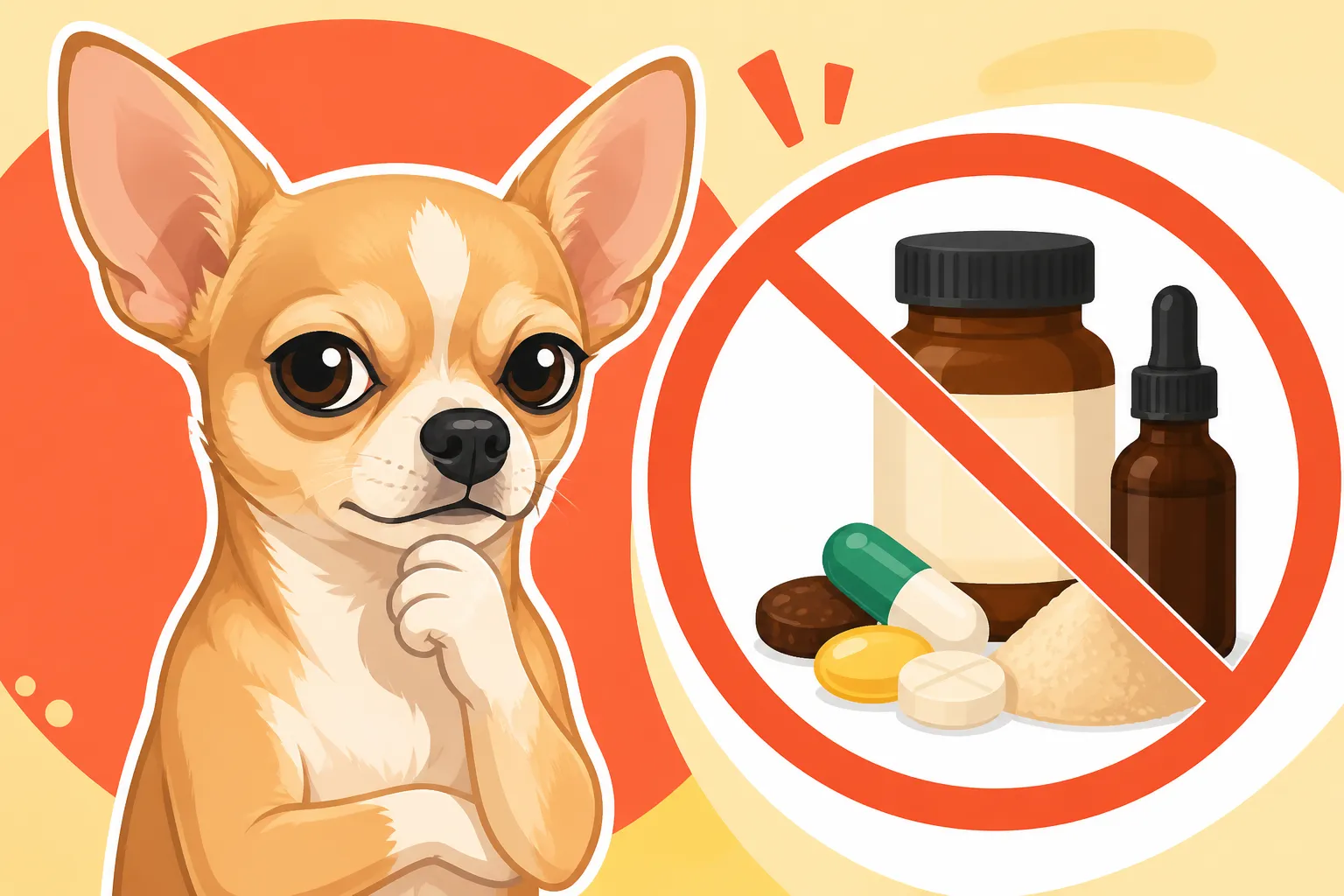
It's so easy to walk into a pet store or browse online and feel completely overwhelmed by the sheer number of supplements marketed for dogs. As Chihuahua owners, we often feel an even stronger pull to provide everything imaginable for our tiny companions, sometimes fearing we’re missing out on some magic pill that will ensure their health and longevity. This guide aims to cut through the noise, helping you understand which supplements your healthy Chihuahua most likely doesn't need, allowing you to focus your resources where they truly matter.
The Overwhelming World of Pet Supplements and Our Good Intentions
Stepping into the pet care aisle, whether virtually on a site like Chewy or in a physical store, can feel like entering a labyrinth of promises. Every bottle boasts about shinier coats, stronger joints, calmer dispositions, or supercharged immunity. It's perfectly natural to want the absolute best for our furry family members, and this desire often leads us to consider adding various supplements to their diet, even when we're not entirely sure what they do or if they're truly necessary.
Navigating the Hype: Why Every Bottle Promises the World
The pet supplement market is booming, and with that growth comes a deluge of marketing designed to appeal to our protective instincts. You see testimonials, vibrant packaging, and scientific-sounding claims that can make you believe your Chihuahua is somehow lacking without these extra boosts. It's easy to fall prey to the fear of missing out, especially when you compare your dog to others online who seem to be thriving on a cocktail of added nutrients. We inherently want to feel like we're proactive in their care, and supplements offer a tangible way to act on that feeling.
The Small Dog Factor: Magnifying Our Worries for Tiny Chihuahuas
For Chihuahua owners, this feeling can be amplified. Our dogs are incredibly delicate and small, making us acutely aware of their fragility. We worry about everything from their little knees to their tiny teeth, and sometimes this leads us to believe that their small stature somehow necessitates more nutritional intervention than a larger, more robust breed. We might worry they don't absorb nutrients as well, or that their tiny bodies need extra help warding off illness. This isn't irrational – we just love them so much! However, it's important to differentiate genuine needs from well-intentioned but potentially misguided supplementation.
The Foundation: A Complete and Balanced Diet is Key
Before we even think about adding supplements, it’s crucial to understand that the cornerstone of your Chihuahua’s health is a high-quality, complete, and balanced diet. This cannot be stressed enough, especially for a breed with such specific caloric needs and health considerations. A good diet should cover almost everything your dog requires, rendering many popular supplements redundant.
When "Complete and Balanced" Actually Means Something
When you see "complete and balanced" on a dog food label, it means the food is formulated to meet the nutritional levels established by the Association of American Feed Control Officials (AAFCO) for a specific life stage, such as "all life stages" or "adult maintenance." This isn't just a marketing slogan; it indicates that the food contains all the necessary proteins, fats, carbohydrates, vitamins, and minerals in the correct ratios for your dog's daily needs. Brands like Ollie, for instance, focus on fresh, human-grade ingredients formulated to be complete and balanced. If you're feeding a reputable brand, whether it's a premium kibble you picked up from Amazon or a carefully portioned fresh food, you're already providing a robust nutritional foundation. Focusing on ensuring your Chihuahua gets the right amount of these calories, typically around Daily Calories for a Three to Seven Pound Chihuahua, is far more impactful than adding random supplements.
The Dangers of "More Is Better" for a Tiny System
For humans, a little extra vitamin C might not hurt, but for a Chihuahua, over-supplementation can be genuinely harmful. Their tiny bodies have very specific limits on how much of certain nutrients they can process. Fat-soluble vitamins (A, D, E, K), for example, are stored in the body and can build up to toxic levels if given in excess. Water-soluble vitamins are generally excreted, but even then, creating an unnecessary overload can put strain on their kidneys. Giving supplements when they're not needed can throw their delicate systems out of balance, potentially causing more problems than they solve. Just a slight excess of anything in a dog weighing just a few pounds can have a significant impact, much like What One Extra Pound Does to a Chihuahua can severely impact their joint health.
Unnecessary Extras: Supplements Most Healthy Chihuahuas Don't Require
Let's dive into some of the most common supplements that, for a healthy Chihuahua on a good diet, are often simply not necessary. This isn't to say they're never needed, but for the average, well-cared-for Chi, your money is likely better spent elsewhere.
Generic Multivitamins: Often Redundant and Risking Overdose
It’s tempting to grab a bottle of multivitamins, thinking they'll cover any nutritional gaps. However, as we discussed, if your Chihuahua is eating a high-quality, AAFCO-compliant diet, they are already getting all the essential vitamins and minerals they need. Adding a general multivitamin on top of this can lead to an overdose of specific nutrients, especially the fat-soluble vitamins. For a dog that might weigh only five pounds, even a small excess can be significant. Instead of a blanket multivitamin, focus on offering a diverse, nutritious diet that is inherently rich in these compounds. Proper nutrition also plays a role in preventing issues like Chihuahua Dental Disease in a Crowded Small Jaw, which no multivitamin can fix.
Immune Boosters: When a Strong Diet Already Supports Immunity
The idea of "boosting" immunity sounds fantastic, especially for a little dog. Products often contain ingredients like echinacea, probiotics (though probiotics can sometimes be beneficial under specific circumstances, as discussed later), or various antioxidants. While these ingredients have their merits, a healthy Chihuahua's immune system is already quite robust when supported by a complete and balanced diet, regular exercise, and minimal stress. Their gut health, which is a huge part of immunity, thrives on consistent, good quality food. Unless your vet has diagnosed a specific immune deficiency or your Chihuahua is recovering from a significant illness, these boosters are generally an expensive, unproven addition.
Coat and Skin Supplements: Diet, Not Dosing, is Usually the Answer
Everyone wants their Chihuahua's coat to be glossy and soft, whether they have a smooth or long coat. You'll see supplements promising lustrous fur and healthy skin, often containing omega fatty acids or biotin. While omega fatty acids can be beneficial for some skin conditions, if your Chihuahua's coat is dull or they're experiencing excessive shedding or skin irritation, the first step isn't usually a supplement. It's a trip to the vet to rule out underlying issues like allergies, parasites, or a poor-quality diet. Many high-quality dog foods already contain appropriate levels of omega fatty acids. If your Chihuahua is showing signs of Chihuahua Skin Allergies and Hair Loss, a vet-prescribed diet change or medication is far more effective than an off-the-shelf coat supplement.
Joint Supplements for Young, Symptom-Free Chihuahuas: Premature Prevention
Chihuahuas are known for certain joint issues, most notably Patellar Luxation, the Chihuahua's Commonest Joint Problem and later, Chihuahua Arthritis Starting in the Teens. Because of this, many owners jump to put their young Chihuahuas on joint supplements like glucosamine and chondroitin as a preventive measure. While these supplements can be incredibly helpful for dogs diagnosed with arthritis or significant joint discomfort, giving them to a young, healthy Chihuahua with no symptoms, especially without veterinary guidance, is often unnecessary. There's little evidence to suggest they prevent these conditions in truly healthy, growing dogs. Instead, focus on maintaining a healthy weight for your Chihuahua and providing appropriate exercise to keep their joints naturally strong.
When Supplements Become Important: Vet-Guided Specifics
Now, this isn't to say all supplements are bad or unnecessary. There are absolutely times when a targeted supplement can be a game-changer for your Chihuahua's health and well-being. The key distinction here is that these recommendations should come from your veterinarian, based on a specific diagnosis or health need.
Addressing Diagnosed Deficiencies or Specific Health Needs
When your Chihuahua has a diagnosed health condition, a supplement can be an incredibly valuable part of their treatment plan. For example, if your vet identifies a specific vitamin deficiency through blood work, a targeted supplement can correct that imbalance. Dogs with certain types of heart disease might benefit from specific coenzyme Q10 or L-carnitine supplements, often in conjunction with prescription medications like those discussed in Chihuahua Heart Medication Monthly Cost. Similarly, probiotics might be recommended during or after a course of antibiotics to help restore gut flora. This is very different from giving a general "immune booster" to a perfectly healthy dog. When dealing with ongoing issues like Joint Supplements for a Chihuahua With Bad Knees, your vet will have specific recommendations for dosage and product types that are suitable for your dog's size and condition.
Senior Support: Tailoring Care for the Golden Years
As Chihuahuas age, typically past the age of twelve and well into their teenage years (they are wonderfully long-lived, after all, as seen in Chihuahua Lifespan and Why the Breed Reaches Sixteen), their bodies naturally begin to experience wear and tear. This is where supplements can genuinely improve their quality of life. An older Chihuahua might benefit from joint supplements to manage arthritis, omega fatty acids for skin and cognitive health (especially if they're showing signs of Cognitive Decline in an Aging Chihuahua), or even specific antioxidants. Just like humans, senior dogs have different needs. However, even in these cases, it's vital to work with your vet. They can assess your individual Chihuahua's health profile, recommend appropriate supplements and dosages, and ensure they won't interfere with any other medications or conditions, forming a comprehensive Senior Chihuahua Care Past the Age of Twelve plan.
Here’s a quick overview of some common supplements and their general necessity for a healthy Chihuahua:
| Supplement Type | Often Needed for Healthy Chihuahuas | When It Might Be Needed (Vet Guided) | Why It's Often Unnecessary |
|---|---|---|---|
| Multivitamins | No | Diagnosed deficiency, very poor appetite, specific illness recovery | High-quality dog food is already complete and balanced, risk of overdose |
| Immune Boosters | No | Chronic illness, specific immune compromise, severe stress recovery | Healthy diet, lifestyle, and environment support natural immunity |
| Coat/Skin Support | No | Diagnosed skin condition (allergies, dry skin), specific deficiencies | Quality diet often provides necessary omegas; underlying issues need vet diagnosis |
| Joint Supplements | No (for young, healthy dogs) | Diagnosed arthritis, patellar luxation, aging joint pain | Little evidence of prevention in healthy dogs; focus on weight & exercise for prevention |
| Digestive Enzymes | No | Exocrine pancreatic insufficiency (EPI), severe digestive disorders | Healthy gut flora often handles digestion well; probiotics might be a better alternative |
| Calming/Anxiety | No | Diagnosed anxiety disorders, specific behavioral issues | Training, environmental management, and vet consult for underlying causes are first steps |
The takeaway here is that while supplements have their place in canine care, particularly for specific health challenges or senior dogs, they are not a substitute for a high-quality, complete diet and regular veterinary check-ups. Our instinct to provide the very best for our Chihuahuas is admirable, but sometimes the best thing we can do is simplify and ensure they get precisely what they do need, rather than overdoing it with extras. Always consult your veterinarian before adding any new supplement to your Chihuahua's regimen. They are your best resource for navigating the complex world of pet health and ensuring your tiny companion thrives.
Disclaimer
This article is for general informational purposes only and does not constitute professional advice. Laws, prices and regulations vary by location and change over time. Consult a qualified professional for guidance on your specific situation.