Novel Proteins in Portions a Chihuahua Can Finish
It can be incredibly frustrating when your tiny Chihuahua starts itching relentlessly, develops persistent tummy troubles, or gets mysterious bald patches, and you realize it might be down to their food. Finding a suitable diet, especially one with novel proteins, is one thing, but figuring out how to portion those exotic ingredients for a dog that might only need a few ounces a day? That's a whole other challenge this guide aims to unravel for you.
Understanding the Need for Novel Proteins in Chihuahuas
When your sweet little Chihuahua starts showing signs of discomfort related to their diet, it can be heart-wrenching. They might be scratching themselves raw, have chronic loose stools, or even develop hot spots. Often, these aren't just minor irritations; they can be tell-tale signs of a food allergy or sensitivity, and that's where the idea of novel proteins really shines.
Why Food Allergies Manifest in Chihuahuas
Chihuahuas, despite their small stature, are just as susceptible to food allergies as any other breed, sometimes even more so due to their delicate systems. Common culprits often include familiar proteins like chicken, beef, lamb, dairy, and even grains such as wheat or corn. If your Chihuahua has been eating chicken-based kibble their whole life, their immune system can sometimes develop an adverse reaction to it over time, treating a harmless food ingredient as a threat. This immune response then manifests as uncomfortable physical symptoms.
The symptoms can vary widely, making diagnosis tricky. You might notice your little one constantly licking their paws, scratching behind their ears, or rubbing their face on the carpet. These are often indicators of skin irritation. Internally, a food allergy can cause chronic diarrhea, vomiting, or excessive gas. Sometimes, it's subtle, like a dull coat or recurring ear infections. It's truly a puzzle to piece together, especially when you're just trying to make them comfortable. When you're dealing with these kinds of persistent skin issues, it's worth exploring all avenues, including what's in their food. We have a whole article dedicated to Chihuahua Skin Allergies and Hair Loss if you're experiencing that particular frustration.
What Exactly Constitutes a "Novel" Protein?
So, if chicken and beef are out, what's left? That's where novel proteins come in. A "novel" protein is simply a protein source that your dog has never eaten before, or at least not in any significant amount. The idea is that if their immune system has never encountered it, it hasn't had the chance to develop an allergic reaction to it. This "newness" gives their system a fresh start, allowing it to process the food without triggering an inflammatory response.
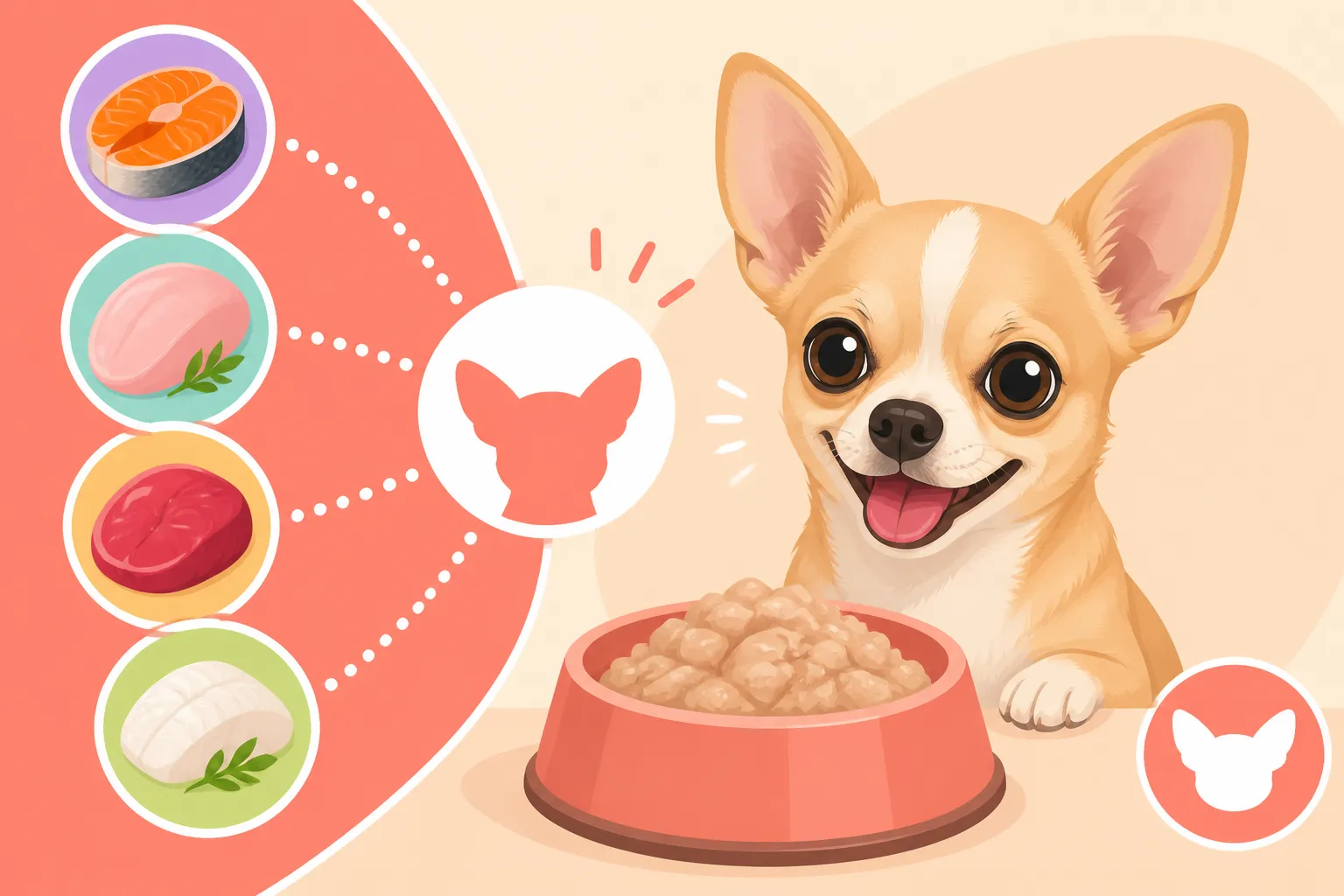
For Chihuahuas, excellent novel protein options often include duck, venison, rabbit, or even kangaroo. These aren't typically found in standard, run-of-the-mill kibble, so there's a good chance your little one hasn't been exposed to them. It's crucial, however, that when you embark on an elimination diet with a novel protein, you introduce it carefully and as the only new protein. You can't just pick up a bag of "multi-protein" duck and salmon kibble and expect results if they're also allergic to salmon. The purity of the novel protein source is key to accurately identifying food sensitivities.
The Challenge of Portion Control for Tiny Dogs
Once you've identified a potential novel protein, the next hurdle is arguably the biggest: how much do you actually feed a Chihuahua? These aren't big dogs who can handle an extra scoop of kibble without consequence. Every calorie counts, and precision is paramount to their health.
Why Standard Dog Food Portions Don't Work for Chihuahuas
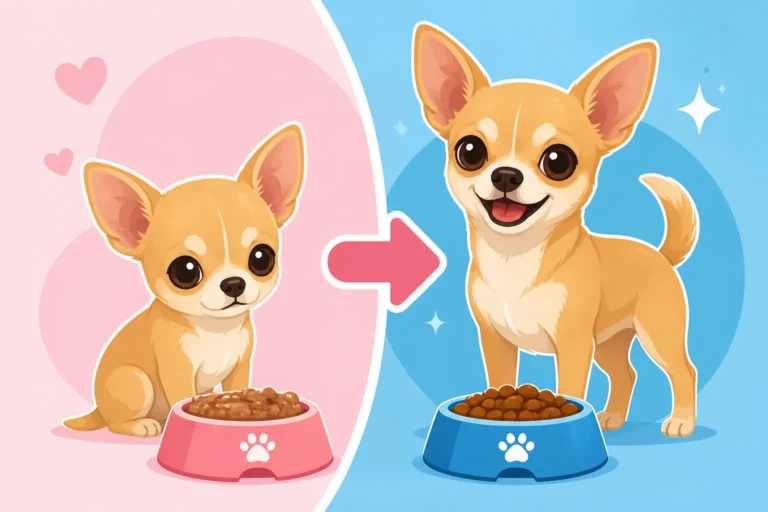
The biggest mistake many well-meaning Chihuahua owners make is treating their tiny dog like a miniature version of a larger breed when it comes to food. The feeding guidelines on most dog food bags are designed for a broad range of weights, and even the "small dog" recommendations often start at weights far exceeding your average Chihuahua. A Chihuahua might weigh anywhere from two to six pounds, and their caloric needs are incredibly precise. An adult Chihuahua might only need around 200 calories a day, sometimes even less depending on their activity level and metabolism. Daily Calories for a Three to Seven Pound Chihuahua are truly miniscule, making accurate feeding a critical part of their daily care.
Think about it: an extra tablespoon of food for a Labrador is barely a blip. For a Chihuahua, that could be 10-20% of their entire daily intake. This tiny caloric budget means that even seemingly insignificant overfeeding can quickly lead to weight gain. A mere half-pound of extra weight on a five-pound Chihuahua is equivalent to an adult human gaining ten or fifteen pounds, drastically increasing their risk of health issues like joint problems, heart strain, and diabetes. It's a shocking realization for many owners when they understand What a Half Pound Means on a Chihuahua. Obesity can complicate existing conditions and even lead to new ones, so getting those portions right is non-negotiable.
The Importance of Accurate Measurement
Given their minuscule caloric needs, guessing just won't cut it. Relying on measuring cups, even those specifically marked for pet food, can be wildly inaccurate. The density of kibble, the way it settles, and even the size of the kibble pieces can all lead to significant variations in actual caloric intake. For a Chihuahua, this variability is a huge problem.
Instead, the gold standard for accurate feeding, especially when managing a specific diet or weight, is a simple kitchen scale. A digital kitchen scale that measures in grams is your best friend here. Most dog food bags provide calorie counts per cup or per kilogram, which can then be converted to grams for precise daily portions. For instance, if your vet recommends 180 calories a day and your chosen food has 350 calories per 100 grams, you can easily calculate that your Chihuahua needs roughly 51 grams of food. This level of precision might seem excessive for such a small amount of food, but for a Chihuahua, it's essential. We often recommend this method in our guide on Weighing Chihuahua Food on a Kitchen Scale because it truly makes all the difference in their health and weight management.
Finding and Preparing Novel Protein in Chihuahua-Sized Servings
When you're dealing with novel proteins, you generally have two routes: commercially prepared diets or home-cooked options. Both have their advantages and unique challenges when it comes to portioning for a Chihuahua.
Commercially prepared novel protein diets are becoming increasingly popular and can be incredibly convenient. Brands like Ollie, for example, offer fresh, human-grade food that can include novel proteins like duck or lamb. The beauty of these services is that they often portion the food specifically for your dog's weight and activity level, delivering pre-portioned meals right to your door. This takes a lot of the guesswork out of the equation, which is a huge relief for many owners. You might also find specialized single-protein kibble or wet food from reputable brands on platforms like Chewy or Amazon, often labeled for "sensitive stomachs" or "limited ingredient diets." Just remember to always double-check the ingredient list to ensure it truly is a novel protein and doesn't contain any hidden common allergens.
If you choose the home-cooked route, perhaps preparing duck breast, rabbit, or venison, the portioning becomes entirely your responsibility. You'll need to weigh the raw protein, cook it plainly (no seasonings, oils, or butter), and then weigh out the correct portion for your Chihuahua's meal. This method requires careful attention to nutritional balance. Simply feeding cooked meat isn't enough; dogs need a balance of protein, fats, carbohydrates, and essential vitamins and minerals. Your veterinarian or a veterinary nutritionist can help you formulate a balanced home-cooked diet that meets all of your Chihuahua's needs, preventing nutrient deficiencies that can be just as harmful as allergies. Remember to buy your novel protein ingredients from trusted sources, and if you're unsure about where to start, searching on Amazon for pet-grade novel protein sources can give you some ideas, though always prioritize fresh, human-grade ingredients if cooking at home.
Implementing an Elimination Diet with Novel Proteins
An elimination diet isn't just a fancy term; it's a diagnostic tool that can pinpoint exactly what's bothering your Chihuahua. It requires dedication, strict adherence, and a whole lot of patience, but the results can be life-changing for your little companion.
The Step-by-Step Process of an Elimination Diet
First and foremost, never embark on an elimination diet without consulting your veterinarian. They are crucial partners in this process, helping you choose the right novel protein and carbohydrate source, and ruling out other medical conditions that might be mimicking food allergy symptoms. Your vet might suggest a prescription hydrolyzed protein diet, where the proteins are broken down so small that the immune system doesn't recognize them as allergens. Or, they might guide you towards selecting a novel protein like venison or rabbit.
Once you have your vet's guidance, the process is incredibly strict:
- Choose one novel protein and one novel carbohydrate: For example, venison and sweet potato, or duck and quinoa. These must be ingredients your Chihuahua has never eaten before.
- Feed only these ingredients: No treats, no table scraps, no flavored medications, no dental chews, no sneaking a tiny piece of cheese. Absolutely nothing else for a set period, usually 8-12 weeks. This is the hardest part, especially when your Chihuahua gives you those big, pleading eyes.
- Ensure all family members are on board: Everyone in the household must understand and adhere to the strict protocol. A single slip-up can invalidate weeks of effort.
- Monitor closely: Keep a detailed journal of your Chihuahua's symptoms (itching, scratching, bowel movements, energy levels) and any changes you observe.
This rigorous protocol is why we have a detailed guide specifically on Getting Through an Elimination Diet With a Chihuahua, because it really does take a focused effort from the entire family.
Monitoring Your Chihuahua's Response
During the elimination phase, your primary job is to be a keen observer. You're looking for a significant reduction or complete disappearance of the symptoms that prompted the diet in the first place. For instance, if your Chihuahua was constantly scratching their ears, you'd hope to see that behavior stop entirely. If they had chronic diarrhea, you'd be looking for firm, consistent stools.
Consistency is key here. Don't expect immediate results. It can take several weeks for old allergens to completely clear out of their system and for the inflammation to subside. That's why the 8-12 week timeframe is so important. If, after this period, your Chihuahua's symptoms have resolved, it's a strong indication that you've found a diet that works for them, or at least confirmed that their issues were food-related. This is a huge victory!
Reintroducing Foods and Long-Term Management
If the elimination diet has been successful, the next step, if desired, is to slowly reintroduce old ingredients, one at a time, to try and pinpoint the specific allergen. For example, after your Chihuahua has been symptom-free on their novel protein diet for several weeks, you might introduce a small amount of chicken breast for a few days. If symptoms return, you've identified chicken as a trigger. If no symptoms appear, you can move on to testing another ingredient.
This reintroduction phase is also incredibly strict and slow. Once a trigger is identified, you then return to the novel protein diet permanently, avoiding the identified allergen(s). For long-term management, maintaining a consistent diet free from those triggers is paramount. This might mean sticking with a specific commercial novel protein diet (like one from Ollie) or continuing to prepare home-cooked meals with your vet's guidance. The good news is that once you know what to avoid, managing your Chihuahua's food sensitivities becomes much simpler, allowing them to live a much more comfortable and itch-free life.
| Novel Protein Source | Common Characteristics for Chihuahuas | Typical Availability | Considerations for Small Portions |
|---|---|---|---|
| Duck | Richer flavor, moderate fat, good for muscle building. | Pet stores (kibble, wet food), specialty grocery stores (whole meat). | Often found in smaller kibble sizes; whole duck breast can be bought in small quantities and cooked. |
| Venison | Lean, gamey flavor, excellent for sensitive stomachs. | Limited ingredient kibble/wet food, specialty butcher shops. | More expensive; often comes in larger cuts, requiring careful portioning and storage. |
| Rabbit | Very lean, highly digestible, less common allergen. | Specialty pet food, online retailers like Chewy or Amazon. | Can be harder to find as whole meat; often available minced or in frozen patties, making portioning easier. |
| Kangaroo | Extremely lean, hypoallergenic, unique protein. | Prescription diets, high-end pet food, sometimes online. | Often the priciest option; usually found pre-processed, which aids in small portion measurement. |
| Whitefish (e.g., Cod, Haddock) | Lean, easily digestible, source of omega-3s. | Many limited ingredient diets, fresh fish markets. | Can be flaky when cooked; ensure bones are removed if feeding whole fish. |
Disclaimer
This article is for general informational purposes only and does not constitute professional advice. Laws, prices and regulations vary by location and change over time. Consult a qualified professional for guidance on your specific situation.