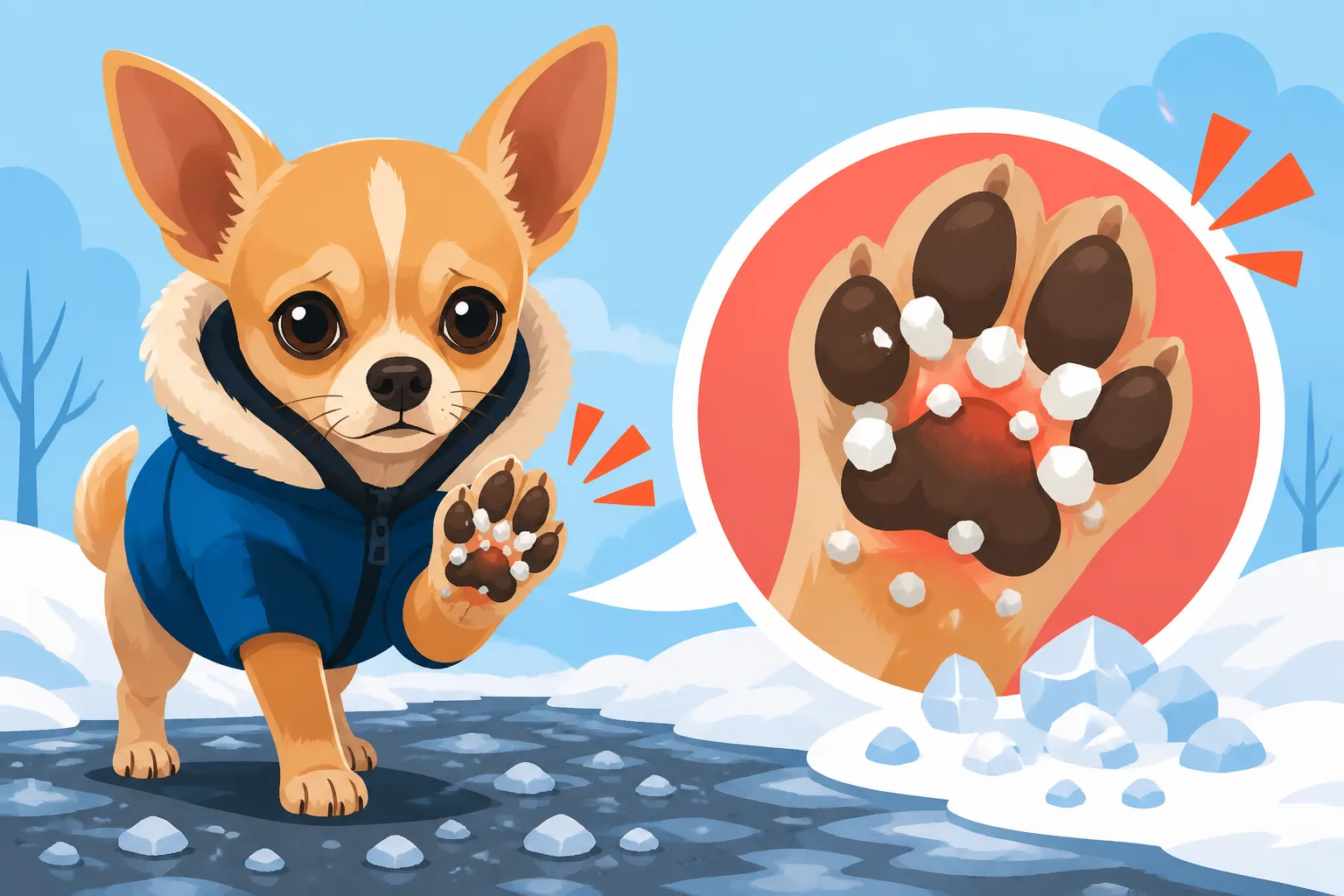
Salt and Ice Melt on Chihuahua Paws
Winter can be a truly brutal time for our tiny Chihuahua companions, especially when it comes to those delicate little paws. Many of us don't even think twice about the salt and ice melt products spread on sidewalks and roads, but for a Chihuahua, these chemicals can be agonizing, leading to irritation, burns, and even serious illness. This comprehensive guide will walk you through the very real dangers these winter necessities pose and, more importantly, equip you with actionable strategies to keep your beloved Chi's paws safe and sound all season long.
The Hidden Dangers of Winter Salt and Ice Melt for Chihuahuas
When the temperatures drop and ice makes its unwelcome appearance, we often reach for rock salt or ice melt without a second thought, hoping to make our pathways safer. But what's safe for human shoes and sturdy boots is a whole different story for a Chihuahua's tiny, sensitive paws. The chemicals found in these products are designed to aggressively melt ice, and that same aggressive action can wreak havoc on delicate skin, leading to more than just discomfort.
Why Chemical Ice Melts Are So Problematic for Small Paws
Think about your Chihuahua's paws – they're not some thick, leathery pads like a big dog might have. They're often quite thin-skinned, with minimal fur between the toes, leaving them highly exposed. Most conventional ice melts contain harsh chemicals like sodium chloride (regular table salt, but in much higher concentrations), calcium chloride, magnesium chloride, or potassium chloride. These substances are highly hygroscopic, meaning they actively draw moisture from whatever they touch. When applied to your dog's paw pads, they mercilessly pull moisture from the skin cells, leading to severe dehydration, cracking, and even chemical burns.
Imagine walking barefoot on a surface covered in a drying, irritating chemical – that's what your Chihuahua is experiencing. This isn't just a minor sting; it can be incredibly painful, causing them to lift their paws, limp, or refuse to walk altogether. The tiny cracks that form can then become entry points for bacteria, leading to infections, and the continuous exposure only worsens the cycle of irritation and injury. It's a truly heartbreaking sight to see your little one trying to navigate a world that feels like it's burning their feet.
Ingestion Risks and Gastrointestinal Upset
The immediate pain and irritation on their paws are one thing, but the danger doesn't stop there. Chihuahuas, like most dogs, instinctually lick their paws to clean them, especially after a walk. This natural behavior means that any ice melt residue adhering to their pads or between their toes gets ingested. Even small amounts of these chemicals can be toxic to a tiny system like a Chihuahua's.
Once ingested, the salts and chemicals can irritate the delicate lining of their gastrointestinal tract. Symptoms might include excessive drooling, vomiting, diarrhea, loss of appetite, and lethargy. In more severe cases, especially with larger ingestions or more toxic types of ice melt, it can lead to kidney damage, electrolyte imbalances, and even neurological issues. Given a Chihuahua's low body weight, what might be a minor upset for a larger dog could be a much more serious emergency for your little one. It’s crucial to understand that even if you don't see immediate symptoms, repeated small ingestions can have cumulative negative effects.
Road Salt's Impact on Overall Health and Winter Walks
Beyond the direct paw and ingestion issues, road salt and ice melt can have a broader impact on your Chihuahua's winter experience and overall health. The cold temperatures already put Chihuahuas at a disadvantage due to their small size and minimal body fat, making them prone to shivering and heat loss. When you add painful, chemically irritated paws into the mix, it compounds their discomfort. A dog that is constantly lifting its paws in pain or trying to shake off irritating residue is expending more energy, making them colder, faster.
Moreover, the psychological toll can be significant. If every outdoor walk becomes an agonizing experience, your Chihuahua may start to associate going outside with pain and discomfort. This can lead to resistance, anxiety about walks, or even house training regressions if they refuse to go out. Regular exercise and mental stimulation are vital for a Chihuahua's well-being, even in winter. Indoor Games for a Chihuahua can help, but fresh air and the chance to explore are still important. If outdoor adventures are consistently painful, their quality of life can suffer, making proper paw protection not just about physical health, but mental well-being too.
Proactive Measures to Protect Your Chihuahua's Paws
The good news is that you're not powerless against these winter hazards. With a bit of planning and consistent effort, you can create a safe environment for your Chihuahua and ensure their winter walks remain enjoyable, not agonizing. It’s all about creating barriers, choosing safer alternatives, and adjusting your routines to minimize exposure.
The Best Paw Protection: Boots and Balms
When it comes to putting a physical barrier between your Chihuahua's sensitive paws and harsh winter elements, you have two main lines of defense: boots and balms.
Dog Boots: These offer the most comprehensive protection. A well-fitting set of dog boots creates a complete barrier against salt, ice melt, snow, and ice, preventing direct contact and also providing extra warmth and traction. However, finding the right size for tiny Chihuahua paws can be a challenge, and getting your Chihuahua to wear them can be an exercise in patience. Look for brands that offer very small sizes and have good reviews for staying on. Many online retailers like Amazon and Chewy offer a wide selection of styles, from silicone booties to more structured fabric and rubber options. Start by introducing them gradually at home, with lots of praise and treats, making it a positive experience. Just remember that finding a pair that is both comfortable and stays on through a determined little Chihuahua's antics might take some trial and error.
Paw Balms and Waxes: These provide a protective, moisturizing layer directly on the paw pads. Products like Musher's Secret or various paw balms available through Chewy or your local pet store contain waxes and natural oils that create a semi-permeable barrier. This barrier helps repel harsh chemicals, ice, and snow, while also moisturizing the pads to prevent cracking. They are easier to apply than boots and are often more readily accepted by Chihuahuas. However, they aren't as foolproof as boots; they can wear off, especially on longer walks or in very wet conditions, meaning you'll need to reapply them frequently. They're excellent for milder winter days or for Chihuahuas who absolutely refuse to wear boots, but still provide a valuable layer of defense against minor exposure. Apply generously before each walk and reapply as needed.
| Protection Method | Pros | Cons | Best Use Case |
|---|---|---|---|
| Paw Balms/Waxes | Easy to apply, moisturizes, generally accepted by dogs | Less protective for heavy salt/ice, needs frequent reapplication | Mild conditions, short walks, general paw health |
| Dog Boots | Full barrier against salt/ice, provides warmth & traction | Can be hard to fit tiny paws, training required for acceptance, may slip | Heavy snow/ice, heavily salted areas, prolonged walks |
| Pet-Safe Ice Melt | Safe for pets, less corrosive than traditional salt | More expensive, may be less effective in extreme cold | Your own property, preventing neighborly issues |
Avoiding Problem Areas and Alternative Routes
Sometimes, the best defense is simply avoiding the danger altogether. When you're out walking with your Chihuahua, be mindful of where you're treading. Stick to areas that haven't been heavily salted, such as grassy verges (if safe and clear of snow), or less-trafficked pathways. Many public parks or green spaces might use less harsh treatments or rely on sand for traction, which is far less irritating.
If you have neighbors, consider a friendly chat about their ice melt choices. Some people are unaware of the harm traditional rock salt can cause pets and might be open to using a pet-safe alternative if they knew. Adjusting your walk times can also help. Walking during the warmer parts of the day, when some of the ice melt might have dissolved or been washed away by sun exposure, can reduce the concentration of chemicals on surfaces. This simple environmental awareness can make a huge difference for your Chihuahua's comfort and safety.
Using Pet-Safe Ice Melts at Home
One of the most impactful changes you can make is to control the environment around your own home. Instead of using traditional rock salt on your sidewalks, driveway, or steps, invest in pet-safe ice melt products. These products are typically formulated with ingredients like propylene glycol or urea, which are significantly less toxic and less irritating to paws if ingested or touched. While no chemical should be consumed in large quantities, these alternatives are designed to be much safer for pets and children.
When shopping for pet-safe ice melt, always read the label carefully. Look for phrases like "pet-friendly," "paw-safe," or specifically list propylene glycol or urea as main ingredients. Brands like Safe Paw or Morton Safe-T-Pet are widely available. You can usually find these at hardware stores, big box retailers, or online through platforms like Amazon. While they might cost a bit more than conventional rock salt, the peace of mind knowing your Chihuahua (and any other pets or local wildlife) is safe from chemical burns and poisoning is absolutely priceless. This small investment can prevent painful vet visits and ensure your yard remains a safe haven.
Immediate Care After Exposure: Cleaning and Comfort
Even with the best preventative measures, sometimes exposure happens. A quick dash across a salted patch, an unexpected detour, or a friend's unwitting use of harsh ice melt can all lead to contact. Knowing how to react immediately after exposure is crucial to minimize irritation and prevent ingestion, turning a potentially harmful incident into a minor inconvenience.
The Essential Post-Walk Paw Rinse Routine
This is the golden rule for winter paw care: as soon as you step back inside after any outdoor excursion in winter, your Chihuahua's paws need to be cleaned. Have a small towel and a bowl of lukewarm water (or a small foot bath) ready right by the door. Gently wash each paw, paying special attention to the pads and the spaces between the toes, where salt and ice melt can easily get trapped. You can use plain warm water; a mild, pet-safe soap can be added if you know there was heavy exposure, but generally, water is sufficient to dilute and rinse away the chemicals.
The goal is to thoroughly remove all residue before your Chihuahua has a chance to lick their paws. After rinsing, gently pat their paws completely dry with a clean towel. This routine takes only a minute or two, but it's incredibly effective in preventing both irritation and accidental ingestion. Make it a habit, and your Chihuahua will likely become accustomed to it, associating coming inside with comfort and warmth rather than prolonged discomfort. Keeping their paws clean also helps prevent issues like Chihuahua Skin Allergies and Bald Patches that can sometimes be exacerbated by environmental irritants.
Soothing Irritated Paws and Recognizing Problems
After a thorough cleaning, take a moment to inspect your Chihuahua's paws. Look for any signs of irritation: redness, swelling, cracks in the paw pads, or even small blisters. If the pads feel excessively dry or rough, apply a soothing paw balm or moisturizer. Products designed for cracked paws can help restore moisture and provide relief. Gently massage it in, which can also be a comforting experience for your dog.
It's vital to recognize the signs that your Chihuahua might be experiencing more than just minor irritation. Excessive licking or chewing at their paws, limping, refusing to put weight on a paw, crying out, or any visible injury like bleeding or deep cracks warrant closer attention. If you notice persistent symptoms, or if your Chihuahua develops vomiting or diarrhea after a walk, contact your veterinarian immediately. These could be signs of a chemical burn or more serious internal upset from ingestion. Don't hesitate; prompt veterinary care can prevent escalation of the problem and ensure your little one gets the relief they need.
Long-Term Paw Health for Winter Readiness
Paw care isn't just a winter-only affair; year-round attention builds resilience. Regularly inspect your Chihuahua's paws as part of their general grooming routine. Keep the hair between their paw pads trimmed short to prevent ice balls, salt, and other debris from clinging to it. You can do this carefully with blunt-nosed scissors or ask your groomer to do it. Also, keep their nails trimmed to an appropriate length Chihuahua Nail Trimming at Toy Size; overgrown nails can alter their gait and make them more susceptible to paw injuries.
Consistent use of a paw moisturizer throughout the year, even outside of winter, can help maintain the suppleness and health of their paw pads. Well-moisturized pads are less likely to crack and are generally more resilient to environmental stressors. Think of it as preventative skincare for their paws! Strong, healthy paw pads are your Chihuahua's first line of defense, making them less vulnerable when winter inevitably arrives.
Understanding Your Chihuahua's Unique Winter Needs
It's easy to forget just how different a Chihuahua's experience of winter is compared to ours, or even compared to larger, hardier dog breeds. Their diminutive size and unique physiology mean they face amplified challenges, particularly when it comes to navigating snowy, icy, and salted environments. Recognizing these vulnerabilities allows us to be better advocates for their comfort and safety.
Why Chihuahuas Are Particularly Vulnerable
A Chihuahua's small stature means they are naturally much closer to the ground, increasing direct contact with harsh winter surfaces. While a Labrador might stride over a patch of rock salt with minimal paw contact, a Chihuahua's entire undercarriage, from chest to belly, is exposed to chilling ground temperatures and potentially irritating chemicals. Their delicate paw pads often have thinner skin and less natural cushioning than many other breeds, making them more susceptible to chemical burns and cracking.
Furthermore, Chihuahuas are notorious for their lack of body fat and thin coats (even the long-haired variety isn't built for extreme cold), which makes them shiver easily Why a Chihuahua Shivers and What It Means and struggle to maintain body temperature. When their paws are painfully cold or chemically irritated, their overall body temperature can drop even faster, leading to a much higher risk of hypothermia or general misery. This combination of being low to the ground, having delicate paws, and struggling with cold makes them incredibly vulnerable to the winter environment.
Behavioral Cues and Advocacy
Because Chihuahuas can't verbally tell us they're hurting, it's our job to become fluent in their body language. Learn to recognize the subtle (and not-so-subtle) cues that indicate paw discomfort. These might include lifting one or more paws off the ground, a hesitant or skipping gait, trying to shake their paws vigorously, whining, stopping suddenly during a walk, or simply refusing to move forward. Inside, excessive licking, chewing, or even sensitivity when you try to touch their paws are strong indicators of a problem.
Being an advocate for your Chihuahua means not forcing them through pain. If they're showing signs of discomfort, it's time to shorten the walk, carry them over problematic areas, or even turn back home. It means adjusting your expectations for outdoor time based on the severity of the weather and the condition of the sidewalks. Sometimes, a quick potty break on a designated clean patch of grass is all they can manage on a particularly brutal day, and that's perfectly okay. Prioritize their comfort and health over adherence to a rigid walk schedule.
Winter Safety Beyond Paws
While paw care is paramount, it's just one piece of the larger winter safety puzzle for your Chihuahua. Their overall vulnerability to cold means you need a holistic approach to keeping them safe and warm. Always ensure your Chihuahua is dressed appropriately for cold weather. Sweaters, coats, and even full-body snowsuits can provide essential insulation against the chill. Chihuahua Sweaters and What They Cost can vary, but any extra layer is better than none.
Limit the duration of outdoor exposure, especially when temperatures are extremely low or winds are high. Even with a coat, a Chihuahua can get cold quickly. Know The Coldest Temperature to Walk a Chihuahua and err on the side of caution. If outdoor conditions are truly miserable, prioritize indoor exercise and mental enrichment to keep them happy and stimulated. Keep them hydrated, as dry winter air can also impact their skin and respiratory system. By understanding and addressing all aspects of their winter needs, you can ensure your tiny companion stays healthy, comfortable, and happy throughout the chilliest months.
Disclaimer
This article is for general informational purposes only and does not constitute professional advice. Laws, prices and regulations vary by location and change over time. Consult a qualified professional for guidance on your specific situation.