Coat Care for a Long Haired Chihuahua
That luxurious, flowing coat on your long-haired Chihuahua is undeniably beautiful, catching the light and making them look like a tiny, elegant lion. But let's be honest, it also comes with its own set of challenges. Anyone who's tried to gently tease out a mat from behind a delicate ear or battled seasonal shedding knows it's not always glamour and Instagram photos. This comprehensive guide is here to walk you through everything you need to know about keeping your long-haired Chihuahua's coat healthy, tangle-free, and absolutely stunning, without the stress.
Understanding the Long-Haired Chihuahua Coat
The first step to excellent coat care is truly understanding what you're working with. A long-haired Chihuahua's coat isn't just "long hair"; it's a specific type of coat with unique characteristics that require particular attention. Unlike their smooth-coated cousins, these Chihuahuas boast a flowing mane that can be anywhere from soft and silky to slightly wavy, featuring feathering on their ears, legs, and tail. This isn't just for aesthetics; it serves a purpose, but also presents grooming considerations.
The Double Coat Advantage and Challenge
Many long-haired Chihuahuas possess a double coat, which means they have a softer, denser undercoat beneath their longer, coarser outer guard hairs. This double layer is actually a fantastic natural insulator, helping to keep them warm in cooler temperatures and, surprisingly, even assisting in regulating their body temperature in warmer weather. It's a marvel of canine engineering! However, this very advantage becomes a grooming challenge. The undercoat can shed quite heavily, especially seasonally, and if it's not properly brushed out, it can quickly get trapped beneath the longer outer coat, leading to frustrating mats and tangles that are a nightmare to remove. Imagine trying to comb through a wad of cotton wool that's stuck to silk – that's often what you're dealing with. It's why just a quick run-through with a brush isn't enough; you need to get down to that undercoat.
For instance, consider little Luna, a long-haired Chihuahua who adored rolling in the yard. Her mom, Sarah, thought a quick once-over with a brush was plenty. But when a hot spell hit, Luna started scratching endlessly. A trip to the vet revealed her dense undercoat was completely impacted, trapping heat and irritating her skin. Sarah learned the hard way that a double coat needs thorough, regular brushing to allow air circulation and prevent discomfort, not to mention avoiding potential skin issues beneath. It's not about brushing a coat; it's about brushing both coats.
When the Long Coat Fully Develops
When you first bring home a long-haired Chihuahua puppy, their coat might not look all that "long" yet. It's often soft and fluffy, and while longer than a smooth coat, it doesn't have the full feathering and length you typically associate with the adult long-haired variety. This can sometimes lull new owners into a false sense of security regarding grooming needs. Generally, a long-haired Chihuahua's coat will start to grow out noticeably around 6 to 9 months of age, and it can take up to two years for their full, adult coat to completely develop. During this transitional period, the texture might change, and you'll see the gorgeous feathering on their ears, tail, and legs really start to fill in.
It's crucial to begin a consistent grooming routine early, even when their coat is still relatively short. This isn't just about preventing future mats; it's about conditioning your puppy to accept and even enjoy being brushed and handled. Think of it as laying the groundwork. If you wait until they're two years old and suddenly have a full, magnificent, but potentially matted, coat, you'll have a much harder time convincing them that grooming is a pleasant experience. Small, positive sessions from puppyhood will save you so much grief down the line. We all know how stubborn Chihuahuas can be, so starting young is key.
Daily and Weekly Brushing Essentials
Consistent brushing is the cornerstone of long-haired Chihuahua coat care. It’s not just about looking good; it's vital for their skin health, comfort, and preventing those dreaded mats that can pull and cause pain. Establishing a routine, even if it's just a few minutes each day, will make a world of difference.
Choosing the Right Tools for Tiny Tangles
Having the right grooming tools is like a chef having the right knives – it makes the job infinitely easier and more effective. For a long-haired Chihuahua, you'll want a combination of brushes and combs to tackle both the outer coat and the dense undercoat. Don't just grab any brush; size and type matter for their delicate skin and fine hair.
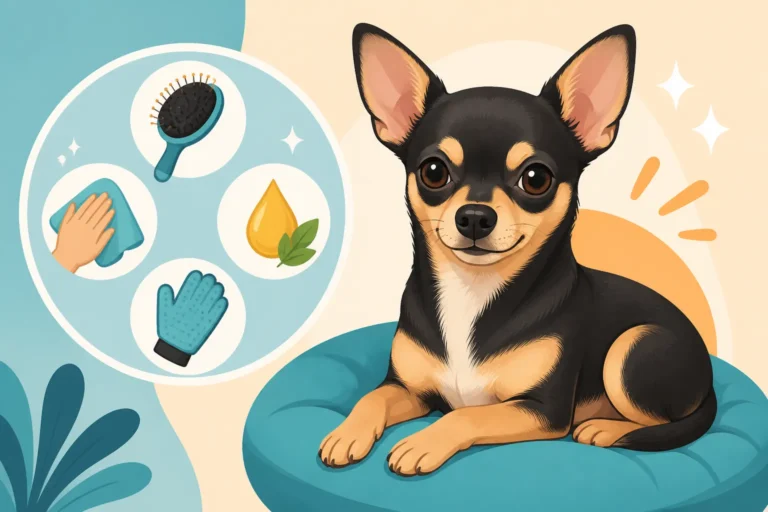
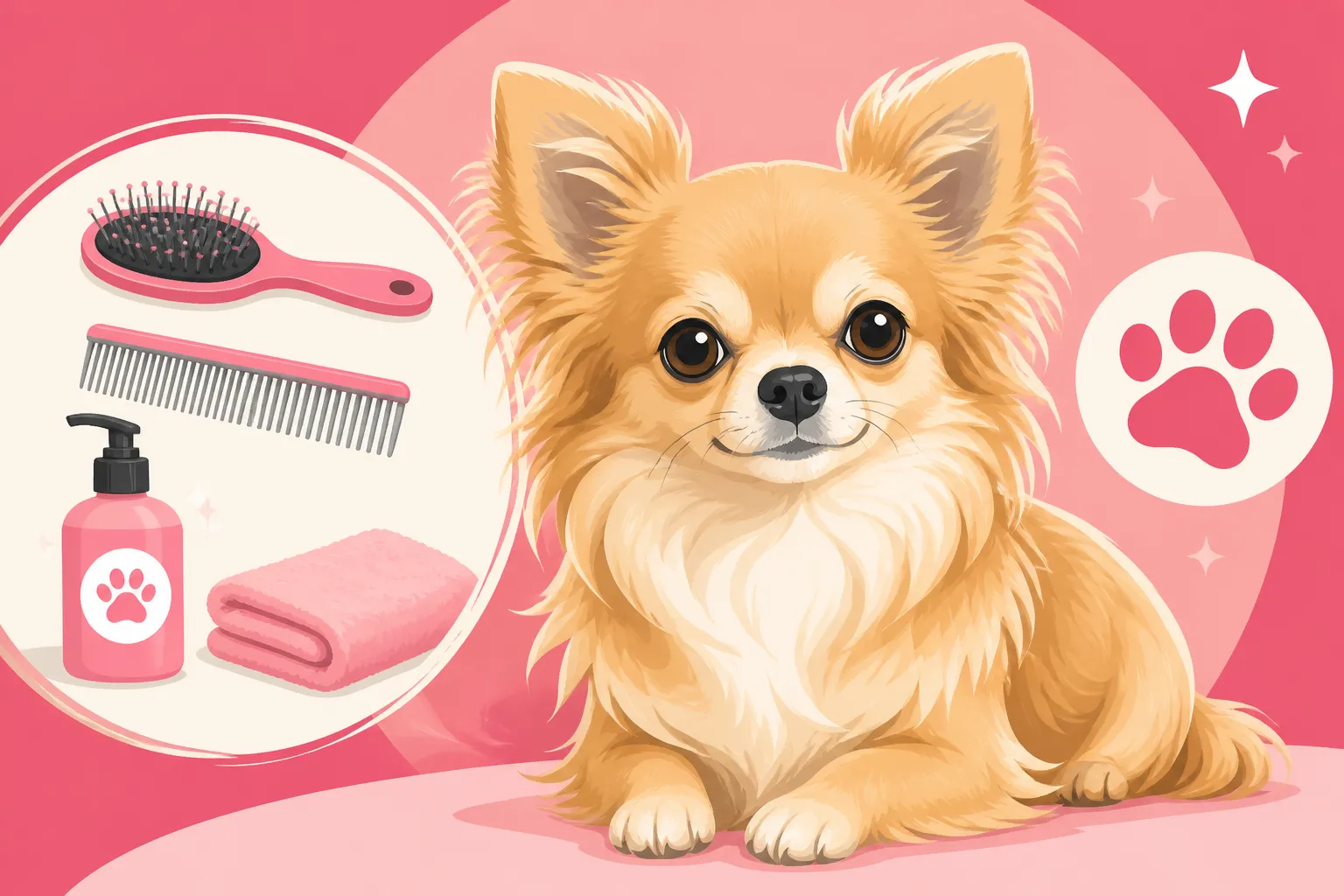
First up, a good pin brush with rounded tips is excellent for the general body and feathering. It glides through the longer hair, detangling and stimulating the skin without scratching. Then, a slicker brush is indispensable for getting into the undercoat. Look for one with fine, flexible pins that can reach down without being too harsh. Always choose a soft slicker brush made for small breeds. Finally, a fine-toothed metal comb (often called a greyhound comb) is crucial for checking your work and for those delicate areas like behind the ears, armpits, and feathering on the legs. It helps catch any tiny tangles the brushes might have missed. Many owners find great quality tools from brands like Andis or Chris Christensen, which you can often find on Amazon or Chewy.
| Tool Type | Primary Use | Key Features | Why it's Important for Chihuahuas |
|---|---|---|---|
| Pin Brush | General detangling, stimulating skin | Rounded pins, comfortable handle | Glides through long hair, prevents static, gentle on skin |
| Slicker Brush | Removing loose undercoat, dematting | Fine, flexible pins (soft variety for small dogs) | Reaches dense undercoat, prevents matting, removes shed hair |
| Metal Comb | Finishing, detailed detangling, checking work | Fine and wide teeth sections, stainless steel | Finds hidden tangles, perfect for delicate areas (ears, armpits) |
| Detangling Spray | Loosening mats, adding slip to hair | Conditioning ingredients, pet-safe formula | Reduces breakage during detangling, makes brushing smoother |
You might also consider a good quality detangling spray. A spritz of this before brushing can help loosen minor knots and prevent static, making the brushing experience more comfortable for your Chihuahua and preventing hair breakage. Remember, investing in good tools isn't an indulgence; it's a necessity for maintaining the health and beauty of their coat.
The Gentle Brushing Technique
Brushing a long-haired Chihuahua isn't a race; it's a careful, methodical process. You need to be gentle yet thorough, always mindful of their delicate skin and small size. Start by finding a comfortable, secure spot for your Chihuahua – perhaps on your lap or a non-slip surface on a table. Having them on a table can sometimes make it easier to reach all areas without straining your back.
Begin with the pin brush, working in small sections. Always brush in the direction of hair growth, starting from the tips and gradually working your way down to the skin. This "line brushing" technique is vital for double-coated breeds. You essentially part the hair, brush the section underneath, then drop more hair down and brush that, ensuring you get through every layer. Once you've gone over the entire coat with the pin brush, switch to the slicker brush to really pull out that loose undercoat. Again, gentle strokes, working in sections. Finally, use the metal comb to meticulously check for any remaining tangles, particularly in those high-friction areas: behind the ears, under the armpits, and around the tail and hind legs. These are the spots where mats love to form. If you hit a snag, don't yank! Apply a little detangling spray, gently work the tangle apart with your fingers, then use the comb. Consistency is key here; a few minutes daily or every other day can prevent a big, painful job once a week. It also helps your Chihuahua get used to handling, which is important for overall wellness and vet visits. For more in-depth knowledge on the specifics of routine brushing, you might want to look at Brushing a Long Coat Chihuahua Weekly.
Bathing Your Long-Haired Chihuahua
While daily brushing handles much of the maintenance, regular bathing is still an important part of keeping your long-haired Chihuahua's coat clean, healthy, and smelling fresh. However, bathing a tiny dog with a long coat requires a bit more finesse than you might imagine, especially when it comes to preventing chills and ensuring thorough drying.
Pre-Bath Prep: Detangling is Key
Before your Chihuahua even touches water, there's a crucial step that many owners skip, much to their later regret: thorough detangling. If you put a matted or tangled long-haired Chihuahua into a bath, those mats will only get tighter, more difficult to remove, and potentially cause discomfort. Water acts like a shrink-wrap on knots, cementing them into place.
So, set aside about 15-20 minutes before bath time for a dedicated brushing session. Use your pin brush, slicker brush, and metal comb, along with a detangling spray if needed, to work through any existing knots or shed hair. Pay extra attention to the areas prone to matting, such as behind the ears, under the legs, and around the tail. Your goal is to get their coat as tangle-free as possible before it gets wet. If you encounter a stubborn mat, work it out patiently or, in extreme cases, carefully clip it out with blunt-nosed scissors (pointing away from the skin, always!). Remember, bathing will intensify any existing tangles, so this pre-bath step is non-negotiable for a long-haired Chihuahua. It's truly a time-saver in the long run, preventing hours of dematting post-bath.
Water Temperature and Shampoo Choices
When it's time for the actual bath, comfort and safety are paramount. Chihuahuas are notoriously susceptible to chills, so ensuring the water temperature is just right is critical. Aim for lukewarm water – think baby bath water, comfortably warm but not hot. A small sink or a dedicated dog tub is usually perfect for their size, as it helps contain them and reduces splashing.
When it comes to shampoo, don't just grab yours from the shower! Human shampoos are formulated for human skin and hair pH, which is different from a dog's. Always use a high-quality, pH-balanced dog shampoo, preferably one specifically designed for long coats or sensitive skin. These shampoos often contain conditioners that help detangle and add shine, which is exactly what a long-haired coat needs. You can find excellent options from reputable brands on Chewy or Amazon. Consider a two-in-one shampoo and conditioner, or follow up with a separate dog conditioner, especially if your Chihuahua's coat tends to be dry or prone to static. Lather gently, focusing on thoroughly cleansing the skin and coat, then rinse, rinse, rinse! Any shampoo residue left behind can irritate the skin and even attract more dirt, making their coat look dull faster. Be extra careful around their eyes and ears. To prevent ear infections, you can place cotton balls gently in their ears before bathing, just remember to remove them afterward. For more guidance on managing bath time with your tiny friend, consider reading Bathing a Chihuahua Without Letting It Chill.
The Art of Drying Without a Chill
After a thorough rinse, the drying process for a long-haired Chihuahua is just as important as the washing. Their small size and minimal body fat make them highly prone to getting cold, especially after being wet. The goal is to dry them quickly and completely without causing them stress or a chill.
First, gently squeeze excess water from their coat with your hands, then immediately wrap them in a soft, absorbent towel. Pat and blot, rather than rubbing vigorously, to avoid tangling their long hair. Once the initial towel drying is done, it's time for the hairdryer. Crucially, use a hairdryer on a low, cool setting. Never use hot air, as it can burn their delicate skin. Keep the hairdryer moving constantly, never focusing on one spot for too long. While drying, use your pin brush to gently brush their coat in the direction of growth. This helps to straighten the hair, prevent tangles, and ensures every layer of that double coat gets dry. Brushing while drying also adds volume and fluff, making their coat look its best. Many Chihuahuas are sensitive to noise, so introduce the hairdryer slowly and make it a positive experience with treats. If your Chihuahua absolutely hates the hairdryer, you can continue with multiple towels, changing them as they get damp, and ensure they are kept in a warm, draft-free room until completely dry. Never let a long-haired Chihuahua air-dry, especially in cooler weather, as this can lead to uncomfortable chills or skin problems like hot spots if moisture gets trapped. To ensure your little one stays cozy and safe, check out Warming a Chihuahua Straight After a Bath and Drying a Chihuahua Quickly After a Bath.
Dealing with Mats and Tangles
Mats and tangles are the arch-nemesis of any long-haired dog owner. They can range from minor knots that are easily brushed out to dense, painful clumps that cling tightly to the skin. Ignoring them is never an option, as they only get worse, tighter, and more uncomfortable, potentially leading to skin infections, pain, and restricted movement.
Gentle Dematting Techniques
When you encounter a mat, your first instinct might be to pull it out, but resist that urge! Forceful pulling is painful for your Chihuahua and can damage their delicate skin and hair. Patience and gentleness are your best tools here.
Start by isolating the mat. Use your fingers to gently separate it from the surrounding healthy hair. Apply a good quality detangling spray or a conditioning leave-in treatment directly to the mat. Let it sit for a minute or two to help soften the hair. Then, using a metal comb (preferably one with widely spaced teeth on one end and finer teeth on the other), begin to pick at the very edges of the mat. Work from the outside in, never trying to pull the comb straight through. Think of it like unpicking stitches. You're trying to separate individual hairs or small groups of hairs, slowly loosening the knot. You can also use a seam ripper or a dematting tool very carefully, sliding it under the mat and away from the skin to break it into smaller, more manageable sections. Always keep a finger between the tool and your Chihuahua's skin to prevent accidental nicks. This process takes time, sometimes a lot of it, but it's essential to prevent pain and preserve their beautiful coat. A little treat during the process can also make it a more tolerable experience for your furry friend.
When to Seek Professional Help
Sometimes, despite your best efforts, mats can become too severe, too close to the skin, or too widespread for you to handle safely at home. This is not a failure on your part; it's simply recognizing when a professional groomer or veterinarian is needed. Severe matting can cause significant pain, restrict blood flow, and hide underlying skin infections. Attempting to cut out large, tight mats yourself can be incredibly risky, as it's very easy to accidentally cut the skin, which is often pulled up into the mat.
A professional groomer has specialized tools and techniques, as well as the experience, to safely and efficiently remove severe matting. Often, for deeply matted coats, the kindest and safest solution is to shave the affected areas. While it might be heartbreaking to see your long-haired Chihuahua with a bald spot or a short haircut, their comfort and health come first. A groomer can do this precisely and safely, minimizing stress and injury. They can also offer advice on preventing future matting. If the matting is severe and accompanied by skin irritation, redness, or discharge, a visit to the veterinarian is warranted before grooming, as there might be an infection that needs medical attention. Never hesitate to get professional help when mats are beyond your home grooming capabilities. This is especially true for delicate areas like Long Coat Chihuahua Mats Behind the Ears.
Seasonal Shedding and Maintenance
Shedding is a natural process for most dogs, and long-haired Chihuahuas are no exception. Their beautiful coats, especially if they have a dense undercoat, will go through seasonal "blow-outs" where they shed a significant amount of hair. Understanding these cycles and adjusting your grooming routine accordingly is crucial for managing the mess and keeping your Chihuahua comfortable.
Managing Seasonal Blow-Outs
Long-haired Chihuahuas typically shed moderately year-round, but you'll notice more significant shedding periods, often referred to as "blow-outs," usually in the spring as they shed their winter coat, and again in the fall to make way for a denser winter coat. During these times, it might feel like your tiny dog is shedding enough hair for three bigger dogs!
The key to managing these seasonal blow-outs is to increase the frequency and intensity of your brushing. Instead of daily or every-other-day brushing, you might need to brush your Chihuahua every day, sometimes even twice a day, using your slicker brush to really get into that undercoat and pull out the loose, dead hair. A deshedding tool, used sparingly and carefully to avoid damaging the outer coat, can also be beneficial during these periods. Regular baths, with conditioning treatments, can also help loosen dead hair, making it easier to brush out. Remember to be gentle; while you're trying to remove a lot of hair, you still need to protect their skin. The more loose hair you remove through brushing, the less hair will end up on your furniture and clothes. For a deeper dive into what to expect with shedding, take a look at Chihuahua Shedding and What to Expect.
Nutrition's Role in Coat Health
Beyond external grooming, what you feed your long-haired Chihuahua plays a significant role in the health and appearance of their coat. A dull, dry, or brittle coat, excessive shedding (outside of seasonal changes), or even patches of hair loss can often be indicators of nutritional deficiencies or sensitivities.
A high-quality diet, rich in essential fatty acids like Omega-3 and Omega-6, is paramount. These nutrients support healthy skin and a shiny, supple coat. Look for dog foods that list real meat as the first ingredient and contain sources of these healthy fats (e.g., fish oil, flaxseed). Many premium dog food brands, like Ollie, focus on fresh, whole ingredients that can significantly boost coat health. If your Chihuahua's coat seems lackluster despite good grooming, consider adding a vet-approved supplement like fish oil (dosed correctly for their tiny weight) to their diet. Hydration is also important; ensure your Chihuahua always has access to fresh, clean water. A well-hydrated dog with a balanced diet will naturally have a healthier, more resilient coat that is less prone to dryness, breakage, and excessive shedding. Remember, a beautiful coat starts from the inside out. For general feeding advice, you might find Feeding a Chihuahua on Two Hundred Calories a Day helpful.
Common Long-Coat Challenges and Solutions
Even with the best intentions and a consistent grooming routine, long-haired Chihuahuas can face specific challenges related to their elaborate coats. Being prepared for these common issues can save you frustration and keep your little one looking and feeling their best.
Tear Stains and Facial Hair Care
One of the most common cosmetic (and sometimes health-related) challenges for long-haired Chihuahuas is tear staining. Those beautiful, expressive eyes often produce tears that, when combined with the longer hair around their face, can create reddish-brown stains. These stains aren't just unsightly; if left uncleaned, the dampness can lead to yeast or bacterial infections on the skin beneath.
Daily facial hygiene is your best defense. Gently wipe your Chihuahua's face, especially the hair directly under their eyes, with a soft, damp cloth or a pet-safe tear stain wipe. You can also use a very mild, non-irritating tear stain remover designed for dogs, available from pet stores like Chewy. The key is consistency. Make it a part of your daily routine, perhaps after their morning walk or before bed. Trimming the hair around their eyes very carefully with blunt-nosed scissors can also help, as shorter hair collects less moisture. However, if the tear staining is sudden, excessive, or accompanied by redness, squinting, or discharge, it's essential to consult your vet. It could be a sign of an underlying eye problem, allergies, or even blocked tear ducts. Early intervention can prevent minor issues from becoming major health concerns.
Preventing Mats Behind the Ears and Under Legs
These areas – behind the ears, in the armpits, and on the inner thighs – are notorious hotbeds for mat formation on long-haired Chihuahuas. Why? Because these are high-friction areas. When your Chihuahua scratches their ear, runs, plays, or even just sleeps, the hair in these spots rubs together constantly, quickly forming tight, stubborn knots.
Preventative measures are your best friend here. During your daily or every-other-day brushing session, make a dedicated effort to meticulously comb through these specific spots with your metal comb. Use short, gentle strokes and ensure you're getting right down to the skin. If you feel a small tangle starting, address it immediately before it has a chance to tighten into a full-blown mat. A small spritz of detangling spray in these areas can also help reduce friction and make combing smoother. For areas like the armpits or inner thighs, some owners opt for a very light trim with blunt-nosed scissors to keep the hair a bit shorter, which significantly reduces the risk of matting. However, if you're not confident with scissors, a professional groomer can do this for you safely. Don't underestimate how quickly a small knot in these areas can become a painful problem. For dedicated advice on these problematic spots, refer to Long Coat Chihuahua Mats Behind the Ears.
Disclaimer
This article is for general informational purposes only and does not constitute professional advice. Laws, prices and regulations vary by location and change over time. Consult a qualified professional for guidance on your specific situation.