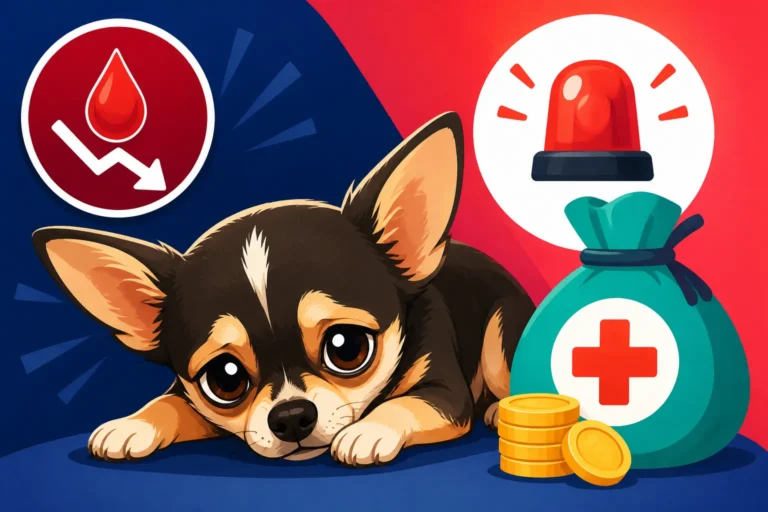
The After-Hours Bill for a Hypoglycemic Chihuahua
There’s almost nothing more terrifying than seeing your tiny Chihuahua suddenly become weak, disoriented, or even collapse, especially when it happens in the dead of night or over a weekend. The sheer panic of a suspected hypoglycemia episode, where your little one’s blood sugar plummets, is enough to send any owner into a tailspin, often leading to an urgent, costly visit to an emergency veterinary clinic. This guide is here to walk you through what to expect when faced with the after-hours bill for a hypoglycemic Chihuahua, helping you understand the charges and how to prepare for such an unforeseen event.
Understanding the Hypoglycemia Emergency
When you have a Chihuahua, especially a young puppy or a particularly tiny adult, the threat of hypoglycemia, or critically low blood sugar, is a constant worry. These little dynamos have fast metabolisms and very little body fat to draw on for energy reserves, making them highly susceptible to sudden drops in blood glucose.
What Happens During a Hypoglycemic Crash
A hypoglycemic crash isn't just a puppy feeling a bit sluggish; it's a full-blown medical emergency that can escalate with alarming speed. Imagine your normally zippy little dog, perhaps just a few pounds, suddenly seeming off. One moment they might be playing, the next they're trembling uncontrollably, looking confused, or their movements become uncoordinated, almost as if they're drunk. This is usually the first noticeable sign. For more detailed information on what to watch for, you might find our article on Chihuahua Hypoglycemia Signs in a Young Puppy incredibly helpful.
As the situation worsens, your Chihuahua might become increasingly weak, struggling to stand or walk. Their gums can appear pale, and their breathing might become shallow. In severe cases, they can collapse entirely, fall into a stupor, or even experience seizures. This is a critical point, as prolonged periods of low blood sugar can lead to permanent brain damage or even be fatal. It’s a stark reminder of just Why a Chihuahua Runs Out of Blood Sugar So Fast. The tiny size of these dogs means their energy reserves are minimal, and they burn through glucose rapidly, especially if they haven't eaten in a while, are stressed, or are battling an illness.
Why After-Hours Care is Often Necessary
The frightening reality of hypoglycemia is its rapid progression. When these signs appear, waiting until your regular veterinarian opens in the morning simply isn't an option. Time is absolutely of the essence. Your Chihuahua needs immediate intervention to raise their blood sugar to a safe level and prevent further complications. This urgency is precisely why so many owners find themselves rushing to a 24/7 veterinary emergency hospital.
These emergency clinics are staffed around the clock, with veterinarians and technicians specially trained to handle critical situations. Unlike a standard vet office, they have the equipment and personnel to triage, diagnose, and treat emergencies at any hour, be it 2 AM on a Tuesday or midday on Christmas. This immediate availability, while lifesaving, does come with a different cost structure than a routine daytime visit. They're prepared for the unexpected, and that level of readiness factors into their pricing. It’s a situation no one wants to be in, but knowing that specialized care is available can be a huge comfort during a terrifying moment. For owners dealing with an adult Chihuahua experiencing similar issues, our piece on Hypoglycemia in an Adult Chihuahua can offer more context.
Breaking Down the After-Hours Bill
The sticker shock of an emergency vet bill is very real, especially when you’re already reeling from the stress of your beloved Chihuahua being ill. Understanding what you’re paying for can help alleviate some of that initial surprise, even if it doesn't make the numbers any smaller.
Initial Emergency Exam and Triage Fees
The moment you walk into an emergency vet clinic, your Chihuahua will typically be whisked away for immediate triage. This isn't just a regular check-up; it's a rapid assessment of their vital signs and overall condition to determine the severity of their emergency. During triage, the veterinary team will quickly check their heart rate, respiratory rate, temperature, gum color, and conduct an initial blood glucose test. This crucial first step helps them prioritize your pet's needs and begin stabilizing them if necessary.
The initial emergency exam fee itself is usually higher than a standard daytime office visit fee. For instance, a regular vet exam might be $60-$100, while an after-hours emergency exam can range from $100 to upwards of $250, depending on your location and the clinic. This fee covers the immediate assessment by the emergency vet and technician, their time, and the specialized readiness of the facility. They're open and fully staffed precisely for these urgent situations.
Diagnostic Tests and Monitoring
Once your Chihuahua has been triaged, the veterinary team will likely recommend several diagnostic tests to confirm hypoglycemia, rule out other conditions, and assess the overall health of your pet. A critical, immediate step will be repeat blood glucose measurements. These tests are relatively inexpensive individually, but if they're done multiple times to track your Chihuahua's response to treatment, the cost can add up.
Beyond simple glucose checks, the vet might suggest a more comprehensive blood panel. This could include a complete blood count (CBC) to check for infection or anemia, and a chemistry panel to evaluate organ function (like liver and kidneys) which can sometimes play a role in blood sugar regulation. These tests typically cost between $150 and $300. If an underlying cause for the hypoglycemia is suspected, further tests might be needed. For a Chihuahua experiencing a seizure, even if caused by low blood sugar, the vet will need to differentiate this from other seizure causes, potentially leading to additional diagnostics like an MRI if neurological issues are suspected, although this is less common for straightforward hypoglycemia. Understanding A Chihuahua Seizure Caused by Low Blood Sugar is important, as these moments are incredibly distressing.
To stabilize your tiny companion, an intravenous (IV) catheter is almost always placed. This allows for direct administration of fluids and medications, and it's essential for providing dextrose (glucose) directly into the bloodstream to rapidly raise blood sugar. The catheter insertion, fluids, and the dextrose itself will contribute to the bill, typically ranging from $50 to $200. Throughout their stay, your Chihuahua will be closely monitored, often with equipment that tracks heart rate, blood pressure, and oxygen saturation, ensuring their stability. This continuous, specialized monitoring by trained staff is a significant part of hospitalization costs.
Treatment and Stabilization Procedures
The core treatment for hypoglycemia is, of course, glucose. Initially, if your Chihuahua is conscious and able to swallow, the vet might try to administer an oral glucose solution or gel. However, if they are unresponsive or seizing, intravenous dextrose is the fastest and most effective way to normalize blood sugar. This immediate life-saving treatment is paramount and can be the difference between recovery and a tragic outcome. Our article on Emergency Sugar for a Collapsing Chihuahua Puppy provides valuable insights into initial home care before reaching the vet.
If your Chihuahua experienced seizures, anti-seizure medication might be administered to stop the episode and prevent recurrence while their blood sugar is being regulated. These medications and their administration will add to the treatment costs.
Hospitalization is often necessary, especially overnight, to ensure continuous monitoring and repeated glucose checks. The daily hospitalization fee can range from $200 to $600 or more, depending on the level of care required (e.g., intensive care vs. general observation) and the duration of their stay. This covers the constant supervision by veterinary staff, warmth, comfort, and any ongoing treatments. Once stable, your Chihuahua will likely be sent home with instructions and possibly some medications, such as glucose gel or a specific feeding plan, all of which will be itemized on your final bill. The vet will likely advise you on how often your Chihuahua Puppy Must Eat to prevent future episodes.
Here’s a general idea of how costs can stack up:
| Service/Item | Typical Daytime Vet Cost (Estimate) | After-Hours Emergency Vet Cost (Estimate) | Notes |
|---|---|---|---|
| Emergency Exam/Triage | $60 – $100 | $100 – $250+ | Higher due to immediate availability and specialized staff |
| Blood Glucose Test (single) | $20 – $40 | $30 – $60 | Often repeated multiple times during treatment |
| Comprehensive Bloodwork (CBC/Chem) | $150 – $250 | $200 – $350 | To rule out underlying conditions |
| IV Catheter & Fluids/Dextrose | $75 – $150 | $100 – $250 | Essential for rapid stabilization |
| Anti-Seizure Medication (if needed) | $50 – $150 | $75 – $200 | Depends on type and dosage |
| Hospitalization (per night) | $100 – $300 (rare for this issue) | $200 – $600+ | Covers monitoring, care, and facility use |
| Take-Home Medication | $20 – $80 | $30 – $100 | Glucose gel, specific diets, etc. |
| Total Estimated Range | $300 – $870 | $735 – $1810+ | Varies widely based on complexity and location |
Disclaimer: These are general estimates and actual costs can vary significantly based on geographic location, clinic policies, and the specific needs of your pet.
Managing and Preparing for Emergency Vet Costs
The financial strain of an emergency vet visit can add another layer of stress to an already traumatic event. However, there are ways to prepare and manage these costs, so you're not caught completely off guard.
The Impact of Pet Insurance and Wellness Plans
Pet insurance can be an absolute lifesaver when an emergency like hypoglycemia strikes. Imagine being able to focus solely on your Chihuahua's recovery, rather than agonizing over a bill that could easily reach well over a thousand dollars. Companies like Healthy Paws offer accident and illness plans that, once your deductible is met, can reimburse you for a significant percentage (often 70-90%) of your veterinary bills.
It’s crucial to understand how pet insurance works before an emergency. Most policies have waiting periods for illnesses, so you can't typically sign up for a plan today and expect it to cover an emergency tomorrow. Also, pre-existing conditions are usually not covered. This means if your Chihuahua already has documented episodes of hypoglycemia, it might be excluded from future coverage. This highlights the importance of enrolling your Chihuahua when they are young and healthy. While basic pet insurance might not cover routine care, some providers offer add-on wellness plans that can help with preventive care like annual exams and vaccinations, though these are separate from emergency illness coverage. When considering the overall financial picture of owning one of these wonderful dogs, looking into options for Chihuahua Pet Insurance and Its Low Premium is a smart move.
Alternative Payment Options and Financial Assistance
Even with the best intentions, pet insurance might not always be in place, or the costs could exceed your coverage. In these situations, knowing your other options can be invaluable. Many veterinary clinics, especially emergency hospitals, accept medical credit cards like CareCredit. These cards often offer promotional periods with 0% APR if the balance is paid within a certain timeframe, which can provide much-needed breathing room.
Another smart strategy is to build an emergency fund specifically for your pet. Even putting away $20-$50 a month can build a substantial cushion over time. Think of it as Saving Ahead of a Chihuahua Dental Every Year, but for any unexpected medical crisis. Some veterinary practices might also offer in-house payment plans, though this is less common for emergency services and often requires a significant upfront deposit. Additionally, various animal welfare organizations and breed-specific rescues sometimes offer financial assistance programs for owners facing large veterinary bills. It's worth asking your vet if they are aware of any local or national resources that could help.
Preventing Hypoglycemia and Reducing Future Risks
While emergencies can happen despite our best efforts, there’s a lot you can do to minimize the risk of a hypoglycemic episode in your Chihuahua, thus potentially saving yourself the after-hours bill. Prevention really is the best medicine here.
One of the most critical steps is ensuring your Chihuahua eats regularly and appropriately for their size. For puppies, this means frequent, small meals throughout the day. Older Chihuahuas should also have a consistent feeding schedule; free-feeding might seem convenient, but it doesn't guarantee consistent caloric intake and can lead to overeating or, conversely, long stretches without food. Our guide on How Often a Chihuahua Puppy Must Eat provides excellent advice. Consider using high-quality food options. Brands like Ollie, which provides fresh, human-grade dog food portioned for your dog's specific caloric needs, can help ensure consistent nutrition.
Keeping a glucose-raising product on hand is a non-negotiable for Chihuahua owners. Things like Nutri-Cal, corn syrup, or a specialized glucose gel can be rubbed on your Chihuahua's gums if you notice early signs of weakness or trembling. Knowing how to use Keeping Glucose Gel for a Chihuahua at Home can buy you precious time while you contact your vet. You can often find these products readily available at pet supply stores or through online retailers like Chewy.
Beyond diet, maintaining a stable environment is key. Extreme cold can make a Chihuahua burn calories faster to stay warm, increasing hypoglycemia risk. Minimize stress, as stress can also deplete their energy reserves. Regular veterinary check-ups are also vital to catch any underlying health issues that might predispose your Chihuahua to blood sugar problems. By being proactive and prepared, you can significantly reduce the chances of ever needing to face that daunting after-hours emergency vet bill. The topic of Chihuahua Hypoglycemia and the Puppy Emergency provides a broader overview of the condition.
Disclaimer
This article is intended for informational purposes only and is not a substitute for professional veterinary advice. Always consult with a qualified veterinarian for any health concerns or before making any decisions about your pet's medical care.