Chihuahua Body Condition on a Tiny Frame
One of the trickiest things about owning a Chihuahua, beyond their tiny bladder or their insistence on being carried, is figuring out if they're actually at a healthy weight. Their small stature can make it really difficult to tell if those ribs are just naturally prominent or if your little companion is actually too thin, or worse, carrying a few too many ounces that could impact their long-term health. This guide is all about helping you confidently assess your Chihuahua's body condition, understand what an ideal weight truly looks and feels like, and give you the tools to keep them healthy.
Understanding Your Chihuahua's Natural Build
It's easy to look at a Chihuahua and assume they're just naturally delicate, almost fragile, and that any visible ribs are normal. But this isn't always the case, and understanding their unique physiology is the first step in proper care. Their tiny frame means that even a small deviation from an ideal weight can have a much larger impact on their health than it would for a bigger dog.
Why "Tiny Frame" Matters So Much
Think about it: a Golden Retriever might gain or lose five pounds without anyone batting an eye, and it barely registers on their overall well-being. But for a Chihuahua who might only weigh six pounds to begin with, a single pound extra or less represents a significant percentage of their total body mass. That extra pound could be the equivalent of a human gaining 15-20 pounds, drastically altering their joint health, heart function, and energy levels. It’s why we need to be so much more precise with their care. This tiny frame also makes them susceptible to Chihuahua Hypoglycemia and the Puppy Emergency if they don't eat enough, highlighting the delicate balance they maintain.
The Challenge of Visual Assessment
Because Chihuahuas are so small, and often have either a smooth, sleek coat or a long, flowing one that hides their figure, just looking at them can be incredibly deceptive. You might see a little potbelly and think it's cute, or notice their ribs subtly peeking through their fur and wonder if they're underweight. The truth is, their proportions can fool even experienced dog owners. What appears "normal" might actually be slightly too round or too slender, and these minor differences can add up to big health implications over their long lifespan. Many owners fall into the trap of thinking their tiny dog doesn't "need" much exercise or that a few extra treats won't hurt, simply because they're so small and adorable.
Breed Standard vs. Real-World Chihuahua
The official breed standard for Chihuahuas generally calls for a dog that is compact, well-built, and weighs no more than six pounds. This standard implies a certain lean athleticism, not a bony or a plump dog. However, in the real world, many Chihuahuas fall outside these strict guidelines, either naturally or due to breeding choices. You'll find Chihuahuas that are naturally longer-bodied, taller, or even a bit heavier while still being perfectly healthy for their individual build. The key isn't to obsess over the number on the scale compared to the breed standard, but rather to assess your Chihuahua's individual body condition against what's healthy for them. A Deer Head Chihuahua, for example, might naturally have a slightly different body type than an Apple Head, but the principles of healthy body condition remain the same.
The Art of the "Hands-On" Body Condition Score
While looking at your Chihuahua is a start, the most accurate way to assess their body condition is by actually feeling them. This hands-on approach, often called a Body Condition Score (BCS), removes the guesswork that their coat or unique build might introduce. It's a skill that takes a little practice, but once you get the hang of it, you'll feel much more confident in understanding your dog's health.
Feeling for Ribs, Not Seeing Them
When we talk about feeling for ribs, we're not aiming for them to be poking out dramatically, which would indicate severe underweight. Instead, you should be able to gently feel each rib individually when you lightly run your hands along their sides, much like feeling the knuckles on the back of your hand. If you can't feel the ribs without pressing firmly, or if they feel hidden under a layer of padding, your Chihuahua is likely carrying too much weight. Conversely, if the ribs are extremely prominent, sharp, and easily visible without touching, that’s a red flag for being too thin. This sensation is a delicate balance, and it's something you learn by routinely checking your dog.
The Subtle Waistline and Tucked Abdomen
Beyond the ribs, checking your Chihuahua's waistline and abdomen is crucial. When you look down at your Chihuahua from above, you should see a noticeable "tuck" or indentation behind their ribs, before their hips. It shouldn't be a straight line from chest to tail, nor should it bulge outwards. From the side, their abdomen should appear "tucked up" rather than hanging low or parallel to the ground. If their tummy sags, or if you can't see that gentle inward curve from above, it indicates excess fat accumulation around their midsection. This is often the first place Chihuahuas start to show extra weight, even when their ribs still feel somewhat accessible. This subtle change can be a precursor to Chihuahua Obesity on a Six Pound Frame.
Why a Gentle Touch is Key
Remember, Chihuahuas are tiny, and they can be sensitive. Approach this assessment gently and lovingly, turning it into a positive interaction with treats and praise, rather than a scary poking and prodding session. Use the flats of your fingers, not just your fingertips, to get a broad sense of their body. Start by petting them all over, then gradually focus on feeling along their ribs, spine, and waistline. If your Chihuahua is prone to fear or sensitivity to handling, integrating this into regular gentle grooming sessions can make it less stressful. This consistent, gentle touch also helps you become more attuned to any changes in their body over time, making you a more effective advocate for their health.
The Body Condition Scoring System for Chihuahuas
Veterinarians and pet nutritionists often use a standardized Body Condition Scoring (BCS) system to evaluate a dog's weight. While there are a few variations, the most common scales are either 1-5 or 1-9, where the middle numbers represent the ideal range. Understanding this system is incredibly helpful for accurately assessing your Chihuahua and having productive conversations with your vet.
Decoding the 1-5 or 1-9 Scale
The most common scales are:
- 1-5 Scale: An ideal score is typically 3. A score of 1 indicates severe emaciation, 2 is underweight, 4 is overweight, and 5 is obese.
- 1-9 Scale: An ideal score is typically 4 or 5. A score of 1-3 indicates underweight, 6-7 is overweight, and 8-9 is obese.
Regardless of the scale used, the core idea is the same: it's a visual and tactile assessment of fat reserves. You're looking at and feeling for bone prominence, muscle mass, and fat coverage. Since Chihuahuas are so small, sometimes a 1-9 scale can feel more precise, allowing for finer distinctions between "just a tiny bit over" and "definitely obese." It's less about the exact number and more about understanding what each category means for your specific dog.
What an Ideal Score Looks and Feels Like
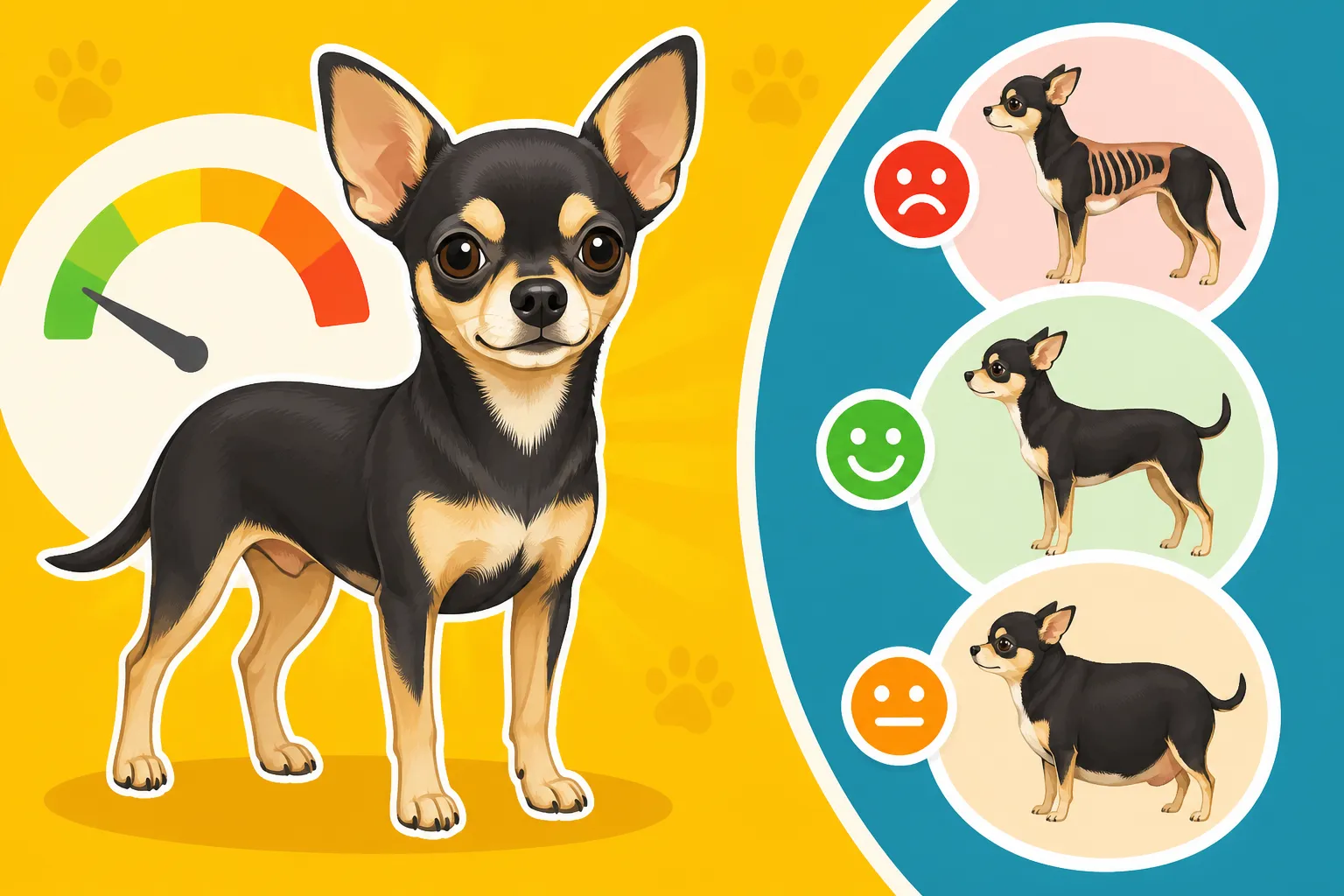
An ideal Chihuahua, scoring a 3/5 or 4-5/9, will have:
- Ribs: Easily palpable without excess fat covering, but not sharply protruding.
- Waist: Clearly visible when viewed from above, a distinct "tuck" behind the ribs.
- Abdomen: Tucked up from the side, not sagging.
- Spine: Spinous processes (the bumps on their back) easily palpable, but not visible.
- Muscle Mass: Good musculature, especially over the hindquarters.
This means they should feel firm and lean, not bony or squishy. They should move freely and energetically, without labored breathing during normal activity. Their coat should be shiny and healthy, and their eyes bright. This is the condition where they are most comfortable, healthiest, and best able to avoid problems like Chihuahua Arthritis in the Teenage Years or Patellar Luxation, the Chihuahua's Commonest Joint Problem, which can be exacerbated by extra weight.
Here’s a simplified breakdown:
| BCS Score (1-5 Scale) | Visual Assessment | Tactile Assessment | Implications |
|---|---|---|---|
| 1 (Emaciated) | Ribs, spine, pelvic bones very prominent; no body fat. | Bones easily visible and felt, no fat, severe muscle loss. | Severe health risks, nutritional deficiency, critical. |
| 2 (Underweight) | Ribs, spine, pelvic bones easily visible; minimal fat. | Ribs, spine easily felt; minimal muscle. | Risk of illness, low energy, consult vet for diet adjustment. |
| 3 (Ideal) | Ribs not visible but easily felt; clear waist; tucked abdomen. | Ribs easily felt with slight fat cover; smooth spine; good muscle. | Optimal health, reduced disease risk, ideal for long life. |
| 4 (Overweight) | Ribs difficult to feel; waist not distinct; slight belly fat. | Ribs require pressure to feel; some fat over spine; broad waist. | Increased risk of joint, heart, and metabolic issues. |
| 5 (Obese) | Ribs not palpable; no waist; obvious fat deposits. | Cannot feel ribs or spine; heavy fat deposits; abdominal distension. | Significant health risks, greatly shortened lifespan, urgent weight loss needed. |
Recognizing Underweight vs. Overweight
Recognizing when your Chihuahua is off track is crucial.
Underweight Chihuahuas (BCS 1-2):
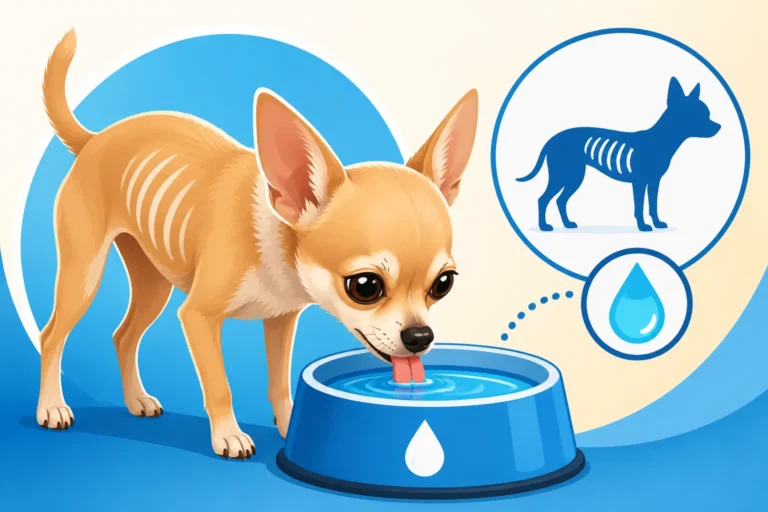
These dogs will often have ribs, spine, and hip bones that are very easy to see, possibly even visible from a distance through their coat. When you touch them, there's little to no fat covering these bones, and they might feel sharp or angular. Their muscles might appear wasted, especially over their hindquarters. They might seem lethargic, cold frequently (even indoors), and generally lack energy. An underweight Chihuahua could be due to inadequate feeding, underlying illness, parasites, or extreme stress. If you suspect your Chihuahua is underweight, especially if they are a Chihuahua Hypoglycemia in the First Twelve Weeks prone puppy, it's vital to seek veterinary attention immediately to rule out serious health issues.
Overweight/Obese Chihuahuas (BCS 4-5):
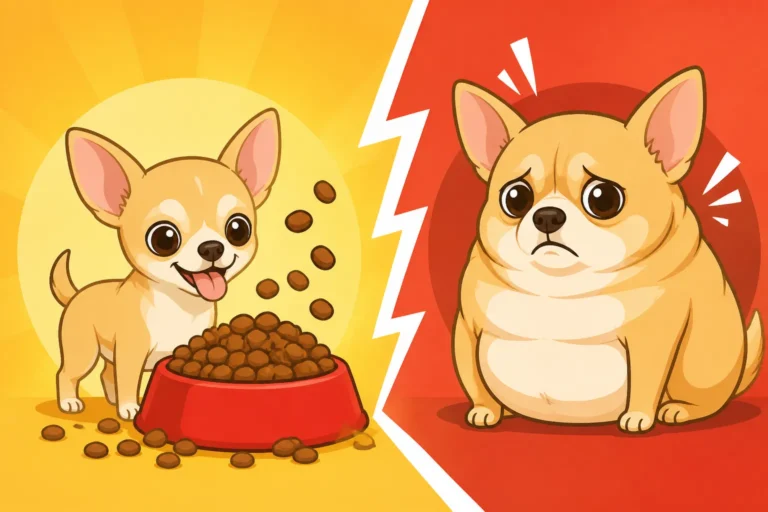
Conversely, an overweight or obese Chihuahua will have a rounder appearance. You'll struggle to feel their ribs without pressing down quite firmly. Their waistline, if present at all, will be very subtle or completely absent, appearing as a straight line or even bulging outwards from above. From the side, their abdomen might sag or be quite full. You might also notice fat deposits over the base of their tail, on their back, and around their neck. These dogs often have less stamina, struggle with stairs or jumping onto furniture, and might pant more easily. Owners often mistakenly believe a plump Chihuahua is a healthy or happy one, but the reality is that those extra ounces put a tremendous strain on their tiny bodies.
The Dangers of Being Too Thin or Too Heavy
For a Chihuahua, maintaining an ideal body condition isn't just about aesthetics; it's profoundly linked to their overall health, quality of life, and even their remarkable longevity. Both extremes of the weight spectrum come with their own serious set of risks.
Risks of Being Underweight in Chihuahuas
When a Chihuahua is underweight, it's not just about looking thin; it's about a lack of vital energy reserves and proper bodily function. One of the most immediate and dangerous risks, especially for puppies, is Chihuahua Hypoglycemia and the Puppy Emergency. Their small bodies simply don't store enough glycogen to regulate blood sugar, and without adequate food intake, their blood sugar can crash rapidly, leading to weakness, seizures, and even death if not addressed promptly with emergency sugar for a collapsing Chihuahua puppy.
Beyond hypoglycemia, an underweight adult Chihuahua can suffer from:
- Weakened Immune System: Lack of proper nutrition compromises their ability to fight off infections and diseases. They might get sick more often or take longer to recover.
- Poor Muscle Mass: Insufficient protein and calories lead to muscle wasting, making them weaker and more prone to injuries. This can particularly affect their delicate joints, making conditions like Patellar Luxation, the Chihuahua's Commonest Joint Problem more painful and harder to manage.
- Sensitivity to Cold: With minimal body fat, Chihuahuas already struggle to regulate their body temperature. Being underweight exacerbates this, making them extremely susceptible to chilling, shivering, and hypothermia, even in moderately cool indoor temperatures. This is why Keeping a Chihuahua Warm Through Winter is so critical.
- Delayed Healing: If they undergo surgery or suffer an injury, an underweight Chihuahua will have a much harder time recovering due to a lack of energy and nutrient reserves.
It’s a vicious cycle where poor condition can lead to more health problems, which in turn makes it harder for them to gain weight.
The Grave Concerns of Chihuahua Obesity
While underweight issues can be critical, obesity in Chihuahuas is arguably an even more widespread and insidious problem because many owners don't recognize it as a serious health threat. A Chihuahua who is just one pound overweight is statistically at a much higher risk for a litany of debilitating conditions.
The risks associated with Chihuahua obesity include:
- Joint Problems: The most common issue. Extra weight puts immense strain on tiny joints, accelerating the progression of Chihuahua Arthritis in the Teenage Years and worsening conditions like patellar luxation. Even a mild limp can become excruciating when a Chihuahua is carrying too much weight, leading to a need for more frequent vet visits and potentially costly pain management.
- Heart Disease: The heart has to work harder to pump blood to a larger body mass, increasing the risk or exacerbating existing Chihuahua Heart Disease as the Breed Ages, particularly mitral valve disease.
- Respiratory Issues: Chihuahuas are already predisposed to Collapsing Trachea and the Chihuahua Honking Cough. Extra weight compresses their airways even further, making breathing more difficult, leading to increased coughing, wheezing, and exercise intolerance.
- Diabetes: Obesity is a significant risk factor for developing diabetes, which requires lifelong management with insulin and dietary changes.
- Reduced Stamina and Quality of Life: An obese Chihuahua is less likely to want to play, walk, or engage in activities. They become easily winded, uncomfortable, and generally less joyful, impacting their mental and physical well-being.
- Increased Anesthesia Risk: For any necessary surgeries, an overweight Chihuahua faces higher risks due to anesthesia complications.
The cumulative effect of these issues means an obese Chihuahua often has a significantly shorter and less comfortable life than their leaner counterparts.
How Weight Impacts Common Chihuahua Ailments
It's truly astonishing how much impact a few extra ounces can have on conditions Chihuahuas are already prone to. Take Chihuahua Dental Disease in a Crowded Small Jaw as an example. While not directly caused by weight, an overweight dog might be less active, have less energy for dental chews, and general systemic inflammation from obesity could indirectly affect oral health. More directly, the strain on knees from patellar luxation is undeniable. A dog with a Grade 1 luxation might manage perfectly well at an ideal weight, but add half a pound, and that knee might slip out more frequently or cause more pain, potentially necessitating surgery that could have been avoided. Similarly, for a Chihuahua with a collapsing trachea, every extra ounce they carry makes it harder for them to breathe, turning a mild cough into a chronic, debilitating issue. This is why strict weight management is often one of the first recommendations a vet will make for these conditions.
Practical Tips for Maintaining an Ideal Chihuahua Weight
Keeping your Chihuahua at their ideal body condition is a continuous effort, but it's one of the most impactful things you can do for their long-term health and happiness. It boils down to careful feeding, appropriate exercise, and consistent veterinary oversight.
Precision in Portion Control
For a Chihuahua, measuring food isn't just a suggestion; it's absolutely essential. We're talking about Daily Calories for a Three to Seven Pound Chihuahua, where even a few extra kibbles can make a difference. Forget the "scoop" or "eyeballing it" – invest in a digital kitchen scale and weigh their food down to the gram. This might sound excessive, but remember, for a six-pound dog, 10-20 extra calories a day, which is barely a pinch of kibble or a tiny corner of cheese, can lead to a pound of weight gain over a year. That's a huge problem for them.
Consider the type of food as well. High-quality kibble formulated for small breeds, or even fresh food options like Ollie, can provide nutrient-dense calories without unnecessary fillers. If you're feeding wet food or fresh food, remember that those often have higher moisture content, so you might need a slightly larger volume to get the same caloric intake as kibble. Always check the caloric density on the food packaging. Weighing Chihuahua Food on a Kitchen Scale is truly the gold standard. Distribute their total daily calories over Three Small Meals a Day for a Chihuahua to help regulate blood sugar and prevent them from feeling too hungry, especially for those prone to low blood sugar.
Appropriate Exercise for a Small Dog
It's a common misconception that Chihuahuas don't need much exercise because they're small. While they're not going to be running marathons, they still require regular, appropriate activity to maintain muscle mass and burn calories. Chihuahua Exercise Needs Every Day typically include two to three short walks, perhaps 15-20 minutes each, and plenty of indoor play.
Here are some ideas:
- Daily Walks: Even a leisurely stroll around the block provides mental stimulation and physical activity. Always use a harness to protect their delicate trachea.
- Indoor Fetch or Chase: Chihuahuas love to play! Use soft, small toys that are easy for them to carry. Indoor Games for a Chihuahua can burn surprising amounts of energy.
- Puzzle Toys: These are fantastic for mental exercise, which can also contribute to calorie burning and prevent boredom-related eating. Brands like Chewy often carry a great selection of puzzle toys sized perfectly for Chihuahuas.
- Short Training Sessions: Engaging in positive reinforcement training not only strengthens your bond but also provides exercise for their brain and body.
The key is consistency and adjusting the intensity based on your Chihuahua's age, health, and energy levels. On very cold days, you might shorten outdoor walks and increase indoor play, ensuring they still get their movement in. Ramps for a Chihuahua Bed and Sofa are also excellent for protecting their joints while allowing them to access favorite spots without risky jumps.
Regular Vet Checks and Professional Guidance
Your veterinarian is your most valuable partner in maintaining your Chihuahua's ideal body condition. Regular check-ups are essential, especially as your Chihuahua ages, to monitor their weight, assess their overall health, and catch any underlying issues early.
During these visits, your vet will:
- Perform a professional BCS: They can accurately assess your Chihuahua's body condition and tell you if they are within the ideal range or if adjustments are needed.
- Discuss diet and nutrition: They can help you calculate your Chihuahua's specific caloric needs based on their age, activity level, and any health conditions. They might recommend specific food types or brands, or even prescription diets if necessary.
- Address health concerns: If your Chihuahua is struggling with weight (either gaining or losing), your vet can investigate underlying medical conditions that might be contributing, such as thyroid issues or gastrointestinal problems.
- Provide exercise recommendations: They can give tailored advice on safe and effective exercise routines for your Chihuahua, especially if they have pre-existing conditions like Chihuahua Heart Murmurs and What Grade Matters or knee issues.
Don't hesitate to ask your vet for guidance. They can provide resources, recommend a veterinary nutritionist, or suggest local trainers who specialize in small breeds. Being proactive about their weight is one of the best forms of preventative care you can offer your long-lived companion.
Addressing Common Misconceptions and Owner Habits
Many Chihuahua owners, out of love and often misinformation, inadvertently contribute to their dog's weight issues. It's time to bust some myths and examine common habits that can make a huge difference in your tiny companion's health.
"They're Just Naturally Skinny" – The Myth
This is a really common belief, particularly when you first bring a Chihuahua home, or if you're used to seeing Chihuahuas who are a bit on the plump side. It's easy to look at their delicate bones and assume that visible ribs mean they are simply "naturally skinny." However, as we discussed, being able to feel ribs easily is ideal, but seeing them without significant effort is a sign of being underweight. True emaciation means not only seeing prominent ribs but also the spine and hip bones sticking out sharply, with no muscle mass to speak of.
A healthy Chihuahua, even with a smooth coat, should not look bony. They should look lean and athletic, with a graceful tuck-up and visible waist. If your Chihuahua appears truly skinny, with bones sticking out and a lack of energy, it's absolutely crucial to consult your vet. It could be a sign of inadequate feeding, but it could also signal underlying health problems such as parasites, dental pain making it hard to eat, or a metabolic issue. Never just assume it's their "natural build" if they appear gaunt or frail.
The Perils of "Treat Creep" and Table Scraps
This is perhaps the biggest culprit behind overweight Chihuahuas. Because they are so small, owners often underestimate the caloric impact of seemingly tiny treats or bites of human food. A single potato chip, a teaspoon of cheese, or a tiny lick of ice cream might seem insignificant to us, but for a Chihuahua, these can be calorie bombs. Think about Chihuahua Treats Inside a Tiny Calorie Budget. If your dog only needs 200 calories a day, and a small training treat is 5-10 calories, giving 10 of those treats is already 25-50% of their daily intake!
"Treat creep" happens when these small indulgences add up unnoticed throughout the day. It's easy to give a treat for good behavior, another for coming when called, a third because they looked cute, and then a piece of kibble from your child's hand. Suddenly, they've consumed half their daily calories from extras before dinner even hits the bowl. Table scraps are even worse, often being high in fat, sugar, or ingredients that are toxic to dogs. Even seemingly innocent foods can cause digestive upset or pancreatitis in Chihuahuas. If you want to give treats, opt for low-calorie options like tiny pieces of carrot, green bean, or commercial treats specifically designed for very small dogs. Platforms like Amazon and Chewy offer a wide array of low-calorie training treats that can be broken into even smaller pieces.
Why Your Chihuahua's Hunger Cues Can Be Misleading
Chihuahuas are masters of manipulation when it comes to food. Their big, soulful eyes, adorable begging antics, and persistent pawing can melt even the strongest resolve. It's incredibly easy to interpret these behaviors as genuine hunger. However, often, these are learned behaviors or simply expressions of their desire for attention, or the inherent drive of a scavenger. They learn that if they stare at you long enough, a treat might appear.
If you are consistently feeding your Chihuahua appropriate, measured meals, they are unlikely to be truly starving. Giving in to every "hungry" plea reinforces the begging behavior and piles on unnecessary calories. Instead of food, try offering attention, a quick play session, or a new toy. Redirect their focus from food to interaction. Understanding that a Chihuahua That Cries Out and Then Walks On might be experiencing pain, not just hunger, is also important, highlighting the need to interpret their cues correctly rather than just reaching for the treat jar. Breaking the habit of constantly giving in to their food demands is one of the kindest things you can do for their long-term health, even if it feels tough in the moment.
Disclaimer
This article is for general informational purposes only and does not constitute professional advice. Laws, prices and regulations vary by location and change over time. Consult a qualified professional for guidance on your specific situation.