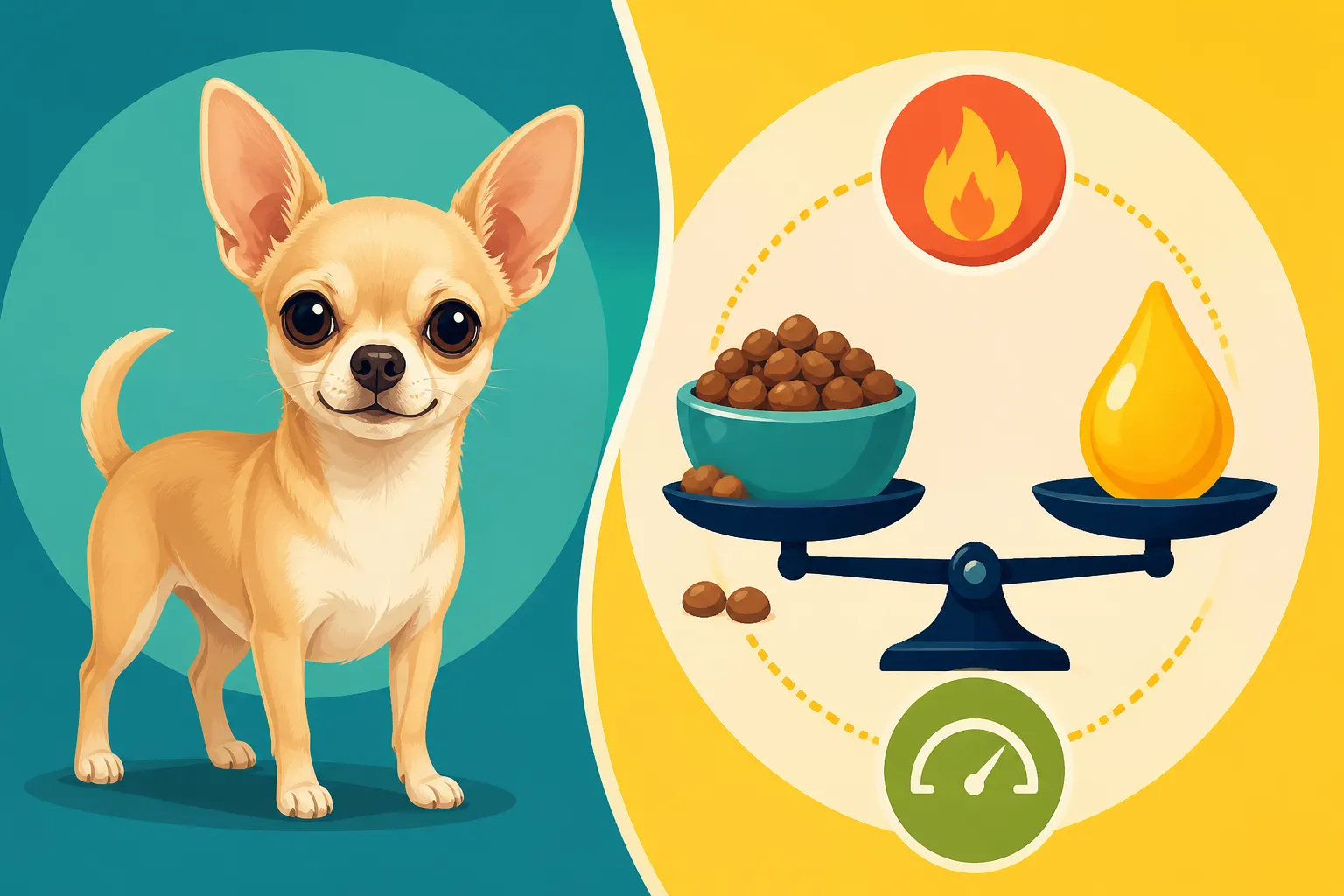
Calories Per Pound for an Adult Chihuahua
One of the trickiest parts of sharing your life with an adult Chihuahua is getting their feeding just right. It feels like such a tiny amount of food, and it's easy to wonder if they're truly getting enough to sustain their energetic little bodies. This guide is here to help you demystify the science behind your Chihuahua's daily calorie needs, ensuring they stay healthy, vibrant, and at their ideal weight without ever feeling deprived or overfed.
Understanding a Chihuahua's Unique Metabolism
When you look at a Chihuahua, you're looking at a powerhouse in miniature. These little dynamos burn through calories at a surprisingly fast rate compared to their larger canine counterparts. It's not just about their size; it's about their entire physiological makeup. Many owners find themselves surprised by how much energy their tiny companion expends throughout the day, whether it's zooming around the living room or simply shivering with excitement.
Why Toy Breeds Need More Energy Per Pound
It might seem counterintuitive, but smaller dogs generally need more calories per pound of body weight than larger dogs. Think about it this way: a tiny engine has to work harder and spin faster to generate the same relative output as a much larger engine. Chihuahuas have a higher surface area to volume ratio, which means they lose body heat more quickly. To maintain their core body temperature, especially in cooler environments, their metabolism kicks into high gear, demanding more fuel. This is why you often see them bundled up in sweaters or burrowing under blankets – they're just trying to conserve that precious warmth. Their small stature and active nature contribute to this elevated metabolic rate, making precise nutritional planning absolutely critical.
You can really see this difference when you compare the feeding guidelines on a bag of kibble for a Great Dane versus a Chihuahua. While the Great Dane eats significantly more overall, the recommended caloric intake when broken down by pound of body weight will show the Chihuahua needing a higher density of calories to thrive. It’s a common misconception that because they are so small, they need very little food, but the truth is, what they do eat needs to be highly nutritious and calorically appropriate.
The Role of Fast Metabolism in Small Dogs
Chihuahuas aren't just small; they're often bundles of energy. They dart, they explore, they stand guard, and they get excited with an intensity that belies their size. This constant activity, combined with their naturally high metabolism, means their bodies are constantly burning fuel. Their hearts beat faster, their breathing rate is quicker, and their muscles are always ready for action. This is the physiological reality of a small, active toy breed. They're built for quick bursts and constant vigilance, which requires a steady supply of energy.
This fast metabolism is a double-edged sword, though. While it helps them stay warm and active, it also means they can run into trouble if their blood sugar drops too low, particularly if they are very young or unwell. While true Chihuahua Hypoglycemia and the Puppy Emergency is most commonly associated with young puppies, an adult Chihuahua that is underfed, stressed, or ill can also experience dangerously low blood sugar. This is why consistent meal times and appropriate calorie intake are so vital, even for grown-up Chihuahuas. You want to provide a consistent energy supply to keep their internal furnace burning steadily.
Avoiding Hypoglycemia in Adult Chihuahuas
While hypoglycemia (low blood sugar) is primarily a concern for Chihuahua puppies, adult Chihuahuas aren't entirely immune, especially if they are very small, elderly, or have underlying health issues. A healthy adult Chihuahua on a proper feeding schedule with adequate calories should typically manage their blood sugar just fine. However, situations like extended periods without food, intense stress, prolonged cold exposure, or certain illnesses can deplete their glucose reserves rapidly.
It's crucial to understand that their tiny bodies have limited glycogen stores compared to larger dogs. If your adult Chihuahua skips meals, engages in excessive exercise without sufficient fuel, or becomes severely stressed (like during a vet visit or travel), they can become lethargic, weak, and even disoriented. While not as common as in puppies, it’s always a good idea to keep an eye out for signs like trembling, weakness, or a wobbly gait if they haven't eaten in a while or seem off. Keeping them on a consistent feeding schedule, perhaps with Three Small Meals a Day for a Chihuahua, can help stabilize their blood sugar levels throughout the day and mitigate any risks. If you ever suspect your adult Chihuahua is experiencing symptoms of low blood sugar, it's always best to contact your veterinarian immediately for guidance.
Calculating Daily Calorie Needs for Your Adult Chihuahua
Pinpointing the exact number of calories your individual Chihuahua needs can feel like a guessing game, but there are some excellent starting points and formulas that can help you get remarkably close. It's less about a magic number and more about understanding the principles and then fine-tuning based on your dog's actual condition. Remember, every Chihuahua is an individual, and their personal energy needs will vary.
The General Rule of Thumb for Active Chihuahuas
A common guideline for estimating the caloric needs of an active adult dog is to aim for approximately 40 calories per pound of ideal body weight per day. So, if your adult Chihuahua ideally weighs 5 pounds, a good starting point would be around 200 calories per day (5 pounds x 40 calories/pound). This serves as a solid baseline for dogs with a moderate to active lifestyle, meaning they get regular walks and playtime.
However, this is just a starting point. Your Chihuahua might be a couch potato, or they might be a tiny athlete who never stops moving. The actual number can vary, but this 40 calories/pound is a widely accepted rough estimate that helps many owners begin their journey toward precise feeding. It’s significantly higher than what larger breeds might need per pound, reinforcing the idea that these little guys are calorie-dense machines. For more on this, you can check out How Many Calories a Six Pound Chihuahua Needs.
Adjusting for Spayed/Neutered or Less Active Dogs
Once your Chihuahua has been spayed or neutered, their metabolic rate often slows down slightly, and they might require fewer calories to maintain their ideal weight. Similarly, a less active Chihuahua, perhaps one who prefers to cuddle on the sofa more than chase squirrels, will naturally burn fewer calories throughout the day. For these dogs, you might start by reducing the caloric intake to around 30-35 calories per pound of ideal body weight.
For example, a 5-pound spayed female Chihuahua who isn't particularly active might thrive on 150-175 calories per day. Overlooking this adjustment can quickly lead to weight gain, which is a significant health concern for such a small breed. Even an extra half-pound on a 5-pound Chihuahua is equivalent to a human gaining 10-15 pounds, putting immense strain on their tiny joints and organs. It’s a good idea to chat with your vet about these adjustments, especially after a spay or neuter procedure.
Using Resting Energy Requirements RER
For a more scientific and precise approach, especially if your Chihuahua has specific health concerns or is struggling with weight, your veterinarian might calculate their Resting Energy Requirement (RER). This is the number of calories your dog needs just to perform basic bodily functions like breathing, maintaining body temperature, and cell repair, without any activity.
The formula for RER is typically: (Body Weight in kg)^0.75 x 70.
Once you have the RER, you then multiply it by a "maintenance energy requirement (MER) factor" that accounts for their activity level, age, and spay/neuter status. This factor is usually between 1.4 for an inactive, spayed/neutered adult, and up to 2.0 for a very active, intact adult.
For instance, a 5-pound Chihuahua is about 2.27 kg.
RER = (2.27)^0.75 x 70 ≈ 115 calories.
Then, if this Chihuahua is spayed and moderately active, your vet might use an MER factor of 1.6: 115 calories x 1.6 = 184 calories per day.
This method provides a highly individualized calorie target and is particularly helpful when managing weight or health conditions. Don't be shy about asking your vet for this calculation; it provides an excellent roadmap for your Chihuahua's nutrition.
Factors That Influence a Chihuahua's Calorie Requirements
Beyond the basic formulas, many nuances can impact your Chihuahua's daily calorie needs. It’s never a static number; it’s a dynamic target that shifts with their life and environment. Being aware of these influencing factors allows you to be a more responsive and effective caregiver for your little companion.
Age and Life Stage Considerations
A Chihuahua's calorie requirements naturally change as they move through different life stages. A young, growing puppy will need significantly more calories per pound than an adult dog, sometimes as much as 50-60 calories per pound, to support their rapid development. We're talking about tiny bodies that are building bones, muscles, and organs at an incredible rate. As they transition into adulthood, their growth slows, and their calorie needs per pound will stabilize, typically falling into the 30-40 calorie range we discussed earlier.
Then, as your beloved Chihuahua enters their senior years, usually around 8-10 years old, their metabolism might start to slow down again. They might also become less active, spending more time napping and less time zooming. This is when you'll likely need to slightly reduce their caloric intake to prevent weight gain. Senior Chihuahua Care Past the Age of Twelve often involves careful dietary adjustments, sometimes transitioning to a senior-specific formula that supports joint health and kidney function while being lower in calories. An older Chihuahua might also have dental issues, like Chihuahua Dental Disease in a Crowded Small Jaw, which could influence their food choice, potentially requiring softer foods that might have a different caloric density. Always consult your vet when making significant dietary changes for a senior dog.
Activity Level and Lifestyle
This is perhaps one of the most significant variables for adult Chihuahuas. A Chihuahua who spends most of their day cuddling on the sofa and takes only short strolls around the block will require fewer calories than one who accompanies you on longer walks, engages in active play sessions, or even participates in dog sports. Think about a Chihuahua who might be an "adventure dog" versus a "lap warmer." The difference in their daily energy expenditure is considerable.
For instance, if you're working on Chihuahua Training and Behavior Help Costs with a trainer, and your dog is getting lots of short, high-energy training sessions throughout the day, they might need a slightly higher calorie intake to fuel their brain and body. Conversely, if your dog is recovering from an injury or surgery and is on strict rest, their calorie needs will temporarily decrease. Observing your Chihuahua's daily routine and energy levels is key to making these subtle, yet important, adjustments.
Environmental Temperature and Coat Type
While Chihuahuas are known for shivering, it's not always a sign of fear; often, it's their tiny bodies working hard to stay warm. Chihuahuas have very little body fat, and many have short, single coats (smooth coats), meaning they don't have much insulation against the cold. In colder climates or during winter months, your Chihuahua's body will burn more calories just to maintain its core temperature. This means they might need a slight increase in their daily food intake.
Even long-coated Chihuahuas, while having a bit more protection, can get chilly. You'll often see Chihuahua owners dressing their pups in sweaters and coats, which helps reduce this caloric burn for warmth. Conversely, in very hot weather, particularly if they are less active due to the heat, their caloric needs might slightly decrease. Always ensure they have access to fresh water, especially in warmer temperatures, as hydration is just as crucial as calories.
Health Conditions and Medications
Various health conditions can significantly impact a Chihuahua's metabolic rate and nutrient absorption, thereby affecting their calorie needs. For example, a Chihuahua battling Chihuahua Heart Disease as the Breed Ages might be on medications that affect their appetite or metabolism, and the disease itself can alter energy expenditure. Similarly, conditions like kidney disease or pancreatitis require very specific dietary interventions, often involving prescription diets with controlled calorie and nutrient profiles.
Medications can also play a role. Some steroids, for instance, can increase appetite and lead to weight gain, while other medications might cause nausea and reduce food intake. If your Chihuahua is diagnosed with any health condition or starts new medication, it is absolutely essential to discuss their diet and calorie requirements with your veterinarian. They can provide precise guidance to ensure their food supports their treatment and overall well-being. Never guess when it comes to a sick Chihuahua's diet; their small size makes them particularly vulnerable to dietary imbalances.
Choosing the Right Food and Portion Control
Once you have a good estimate of your Chihuahua's daily calorie needs, the next critical step is translating that number into actual food on the plate. This involves understanding food labels, mastering accurate measurement, and deciding which type of food best suits your little companion.
Decoding Food Labels for Calorie Content
This is where the rubber meets the road. Every commercially prepared dog food, whether kibble, wet, or fresh, should have a "guaranteed analysis" and a calorie count on its packaging. Look for the "Metabolizable Energy (ME)" expressed in kilocalories per kilogram (kcal/kg) or kilocalories per cup/can. This is the figure you need to work with. For instance, a bag of kibble might state 3,500 kcal/kg, or 350 kcal/cup. If your Chihuahua needs 180 calories per day, and the kibble has 350 kcal/cup, you'd feed a little over half a cup (180/350 = 0.51 cups).
It's important to note that calorie counts can vary wildly between brands and even different formulas from the same brand. A "light" formula will naturally have fewer calories, while a "high-performance" or puppy formula will have more. Don't assume all foods are created equal in terms of caloric density. Brands like Purina or Royal Canin often provide very clear feeding guides based on weight and activity level, which can be a helpful starting point, but always double-check the ME on the specific bag you buy. What to Read on a Chihuahua Food Bag is a great resource for understanding all the information printed there.
The Importance of Accurate Measuring
This cannot be stressed enough, especially for a tiny dog like a Chihuahua. A difference of just a tablespoon or two of kibble can mean an extra 20-30 calories a day, which accumulates quickly for a dog that only needs 150-200 calories total. Over the course of a week, that's enough to cause noticeable weight gain. Using a standard kitchen measuring cup designed for liquid ingredients isn't always accurate for kibble, as kibble density varies.
The most precise way to measure your Chihuahua's food is by weight, using a digital kitchen scale. Many brands like Amazon offer affordable, accurate kitchen scales that allow you to weigh out your dog's daily ration in grams. If your kibble bag says 3,500 kcal/kg, it means 3.5 kcal per gram. So, for a 180-calorie diet, you'd feed 51 grams of food per day (180 / 3.5 = 51.4). This level of precision might seem excessive, but for a Chihuahua, it makes all the difference. Weighing Chihuahua Food on a Kitchen Scale is a must-read for any dedicated Chihuahua owner. Remember that treats also contribute to daily calories, so factor them into your calculations!
Exploring Different Food Types
The type of food you choose can also impact how you manage their calorie intake.
- Dry Kibble: This is the most common and often most economical choice. It's generally calorie-dense, and quality kibbles from brands like Royal Canin (which has breed-specific formulas) or Eukanuba are formulated to be complete and balanced. The challenge is ensuring the kibble pieces are small enough for your Chihuahua's tiny mouth.
- Wet Food: Canned or wet food is often less calorically dense than kibble because of its higher moisture content. This can be beneficial for Chihuahuas who need to lose a little weight, as they can eat a larger volume for fewer calories, making them feel fuller. However, some wet foods can be quite rich, so always check the ME. It can also be excellent for older Chihuahuas who might have missing teeth or Feeding an Old Chihuahua That Has Lost Molars.
- Fresh Food/Home-Cooked: Services like Ollie deliver pre-portioned, fresh food tailored to your dog's specific needs, including calorie targets. This can be fantastic for convenience and quality control. If you're home-cooking, it's absolutely crucial to work with a veterinary nutritionist to ensure the diet is nutritionally complete and balanced, as it's very easy to miss essential vitamins and minerals or miscalculate calorie content. Fresh Food Delivery Portioned for a Chihuahua is becoming a popular option for many owners.
Regardless of the food type, avoid "free feeding" or leaving a bowl of food out all day. For a Chihuahua, this almost always leads to obesity. Instead, portion out their daily allowance and feed it in two or three meals. Why a Chihuahua Should Never Graze All Day explains this in more detail.
| Activity Level | Calorie Range (per lb body weight) | Example (5 lb Chihuahua) | Notes |
|---|---|---|---|
| Inactive/Senior | 25-30 kcal/lb | 125-150 kcal/day | For dogs with very low activity or reduced metabolism. |
| Spayed/Neutered | 30-35 kcal/lb | 150-175 kcal/day | Common for moderately active, fixed adults. |
| Intact/Moderately Active | 35-40 kcal/lb | 175-200 kcal/day | For unfixed adults or those with regular exercise. |
| Very Active/Working | 40-45+ kcal/lb | 200-225+ kcal/day | For highly active dogs, performance dogs, or those in cold climates. |
| Growing Puppy | 50-60+ kcal/lb | 250-300+ kcal/day | Puppies need significantly more for growth and development. |
Note: These are general guidelines. Individual needs vary. Always consult your veterinarian for precise recommendations.
Monitoring Weight and Adjusting Intake
Feeding is not a one-and-done calculation; it's an ongoing process of observation and adjustment. Your Chihuahua's body is a dynamic system, and their calorie needs will fluctuate over time. Regular monitoring is key to ensuring they stay within a healthy weight range.
Regular Weight Checks at Home
The simplest and most effective way to monitor your Chihuahua's weight is to weigh them regularly at home. Because they are so small, a standard bathroom scale might not be accurate enough for their subtle weight changes. Invest in a small digital kitchen scale (the same one you use for measuring food) and weigh your Chihuahua weekly or bi-weekly. Gently place them in a small basket or carrier on the scale, or weigh yourself, then weigh yourself holding your Chihuahua, and subtract your weight for their accurate reading.
Keep a log of their weight. Even half a pound can be a significant change for a Chihuahua, potentially signaling that you need to adjust their food intake or increase their exercise. What One Extra Pound Does to a Chihuahua is a stark reminder of how critical even small weight gains are for their tiny frames. Catching weight creep early makes it much easier to reverse.
Assessing Body Condition Score BCS
Beyond the number on the scale, their Body Condition Score (BCS) is an invaluable tool. It's a visual and tactile assessment of how much body fat your Chihuahua has, usually on a scale of 1 to 9 (with 5 being ideal). Your vet will use this, and you can learn to do it too.
To assess BCS, gently feel along your Chihuahua's ribs. You should be able to feel their ribs easily without pressing hard, but they shouldn't be visibly protruding. Next, look at them from above: you should see a discernible waistline just behind their ribs. Finally, look at them from the side: they should have an abdominal tuck, meaning their belly slopes up from their rib cage to their hind legs, rather than hanging low.
If you can't easily feel their ribs, or if they have no waist or abdominal tuck, they might be overweight. If their ribs, spine, and hip bones are very prominent, they might be underweight. Feeling a Chihuahua's Ribs and Waist provides detailed guidance on this. This visual and tactile assessment helps you interpret the number on the scale in the context of their overall physique.
When to Consult Your Vet for Adjustments
While home monitoring is crucial, your veterinarian is your best partner in managing your Chihuahua's weight and nutrition. If you notice persistent weight gain despite careful portion control, or if your Chihuahua is struggling to maintain weight, it's time for a vet visit. They can rule out underlying medical conditions that might be affecting their metabolism or appetite.
Your vet can also help you fine-tune calorie calculations, especially if your Chihuahua has a health condition like Chihuahua Arthritis in the Teenage Years where weight management is even more critical for joint health. They can recommend specific therapeutic diets or supplements like Joint Supplements for a Chihuahua With Bad Knees. Don't hesitate to bring your food packaging, your dog's weight log, and your concerns to every appointment. Preventative care and proactive nutritional management are key to a long, healthy life for your Chihuahua.
The Dangers of Underfeeding and Overfeeding
It’s easy to get caught up in the numbers, but remember that the ultimate goal of proper calorie management is to foster your Chihuahua's long-term health and happiness. Both underfeeding and overfeeding carry significant risks for such a small, delicate breed.
Risks of Malnutrition and Muscle Loss
Underfeeding a Chihuahua can lead to a host of problems, starting with malnutrition and muscle loss. Their small bodies rely on a consistent intake of nutrient-dense food to maintain energy levels, support organ function, and build and repair tissues. A deficit in calories means their body starts to break down its own reserves, including precious muscle mass. This can make them weak, lethargic, and more susceptible to illness.
Symptoms of underfeeding might include visible ribs and hip bones, dull coat, lack of energy, and poor immune function. Chronic underfeeding can severely impact their development if they are young, or shorten their lifespan and diminish their quality of life as adults. It can also exacerbate issues like hypoglycemia in susceptible individuals. Ensuring they receive a balanced diet with adequate calories, perhaps split into Three Small Meals a Day for a Chihuahua to keep their blood sugar stable, is paramount.
The Impact of Obesity on Chihuahua Health
While underfeeding is a concern, obesity is a far more common problem for Chihuahuas, and it's incredibly damaging. Even a single extra pound on a 5-pound Chihuahua can lead to severe health consequences. Obesity places immense strain on their tiny joints, making conditions like Patellar Luxation, the Chihuahua's Commonest Joint Problem significantly worse and accelerating the onset of arthritis. It also increases the risk of Chihuahua Heart Disease as the Breed Ages, diabetes, respiratory problems (which can worsen conditions like Collapsing Trachea and the Chihuahua Honking Cough), and even certain cancers.
An overweight Chihuahua will have less stamina, struggle with heat intolerance, and simply won't enjoy their life as much. Losing Half a Pound Safely on a Chihuahua can make a huge difference in their mobility and overall well-being. It’s a challenge that many owners face, often due to well-meaning but over-generous feeding or too many high-calorie treats. Choosing appropriate Chihuahua Treats Inside a Tiny Calorie Budget is essential. The effort it takes to keep them lean will pay off in years of vibrant health.
Behavioral Issues Linked to Hunger or Discomfort
It's not just physical health; feeding imbalances can impact behavior, too. A Chihuahua who is consistently hungry, perhaps because their daily calories are too low or they are fed only once a day and experience long stretches without food, might become anxious, excessively vocal, or even develop resource guarding issues around their food bowl or toys. They might start begging incessantly, which can be frustrating for owners.
Conversely, an overweight Chihuahua might be less enthusiastic about walks and playtime due to discomfort or pain, leading to a sedentary lifestyle that further compounds their weight problem. They might become irritable or snappy if their joints hurt, affecting their interactions with family members or other pets. Good nutrition isn't just about weight; it's about providing the foundation for a happy, well-adjusted dog. By carefully managing their calorie intake and ensuring they receive appropriate, balanced nutrition, you're investing in both their physical and mental well-being for years to come. Retailers like Chewy offer a wide range of food and treat options that can help you manage your Chihuahua's diet effectively.
Disclaimer
This article is for general informational purposes only and does not constitute professional advice. Laws, prices and regulations vary by location and change over time. Consult a qualified professional for guidance on your specific situation.