Whether a Companion Chihuahua Settles the Panic
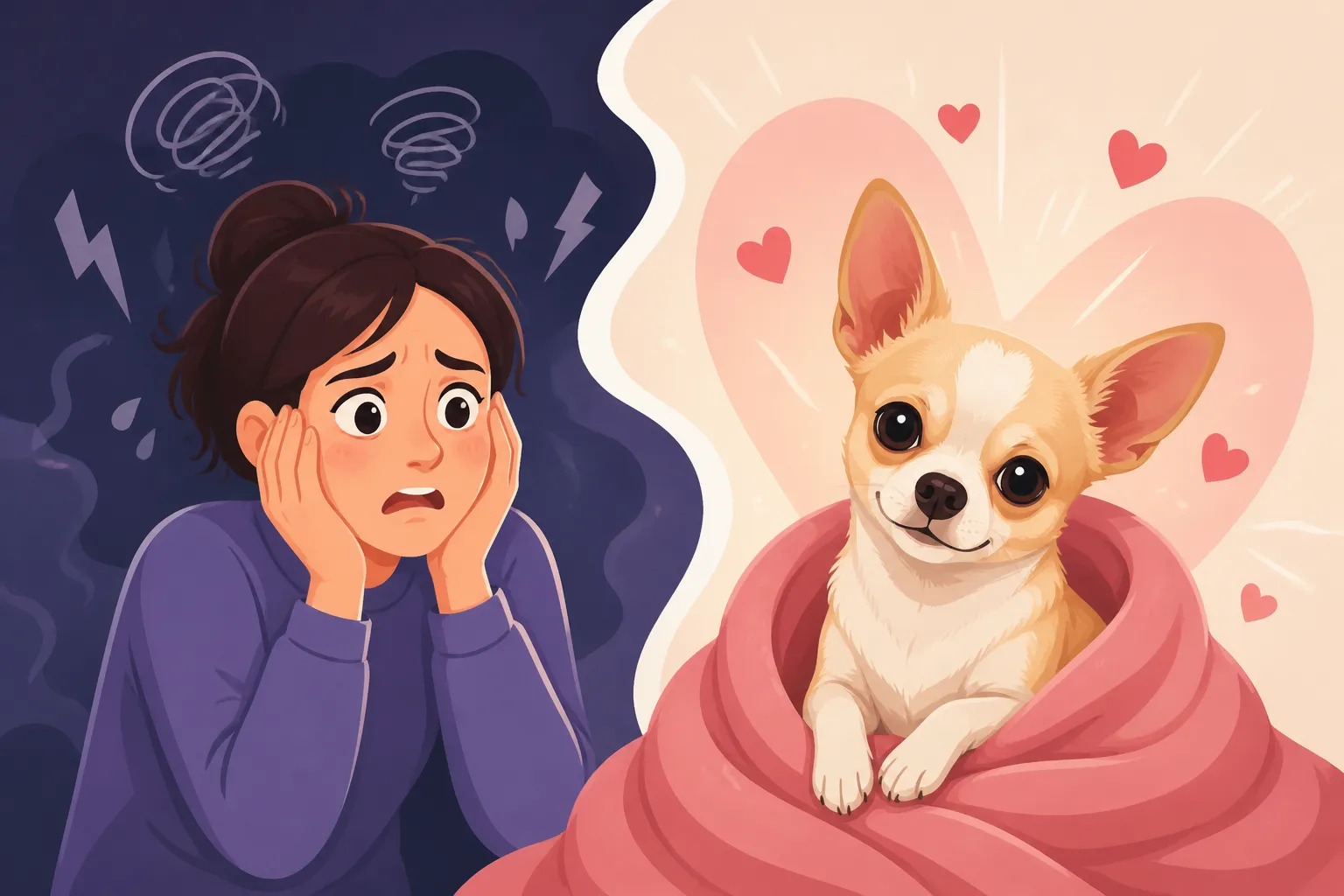
It’s heartbreaking to hear your beloved Chihuahua's frantic cries and whimpers the moment you step out the door. Many of us have been there, watching our tiny companions through a pet cam, seeing them pace, bark incessantly, or even become destructive. The natural, empathetic thought often follows: "Maybe they just need a friend? A companion Chihuahua would surely settle their panic." This guide will explore why this common solution often falls short and what proven strategies actually help a Chihuahua struggling with separation anxiety.
Understanding Chihuahua Separation Anxiety and Its Triggers
Before we jump to solutions, it’s vital to truly grasp what separation anxiety (SA) looks like in our little Chihuahuas. It's not simply "missing you" in a cute way; it's a genuine panic disorder where your dog experiences extreme distress when left alone or separated from a specific attachment figure. Their small size often makes their reactions seem disproportionate, but the fear is very real to them.
The Tell-Tale Signs of Distress
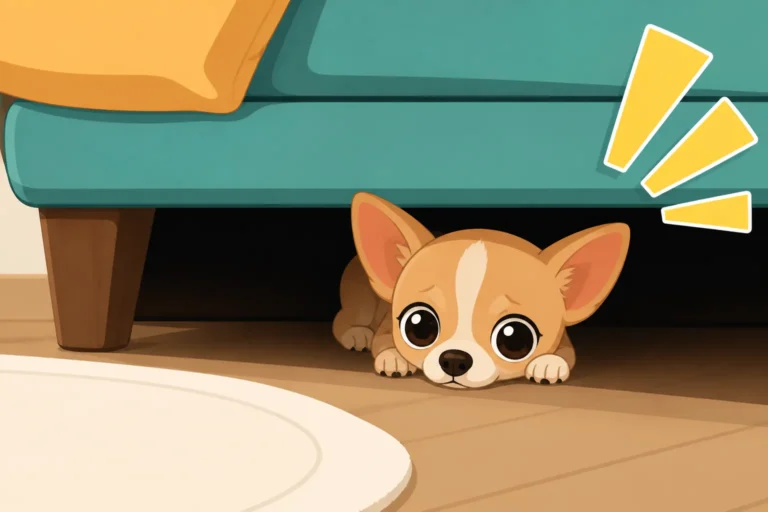
When a Chihuahua is truly suffering from separation anxiety, the signs are typically consistent and immediate upon your departure. You might come home to accidents, even from a perfectly house-trained dog. They might chew on doorframes, window sills, or your personal belongings, not out of malice, but from an overwhelming need to cope or escape. Barking, howling, and whining can be incessant, often to the point of disturbing neighbors. The Noise a Panicking Chihuahua Makes can be truly heartbreaking. Some Chihuahuas might even self-harm by excessive licking or chewing their paws. Others will simply pace frantically, unable to settle. These behaviors aren't about being "naughty"; they are a cry for help from a dog experiencing intense emotional distress.
It’s important to differentiate true separation anxiety from boredom or lack of house training. A bored Chihuahua might chew a shoe, but usually, it's specific items and not a frantic attempt to get out. A dog with a small bladder might have an accident, especially a young puppy, but won’t exhibit the full panic response. Hours Alone Against a Chihuahua's Bladder Limit can be a factor, but genuine anxiety goes beyond just needing to go potty. The key is the distress and panic that occurs only when the dog is alone or separated.
Why Chihuahuas Are Prone to Separation Anxiety
Chihuahuas, with their intense loyalty and often singular attachment to one person, can be particularly susceptible to developing separation anxiety. They thrive on companionship and physical closeness, often becoming literal "velcro" dogs. This strong bond, while endearing, can make alone time incredibly difficult for them. Their history as companion animals, often carried and rarely left alone, can also play a role. When we pick them up at every sign of distress, or never leave them to cope, we can inadvertently foster this dependence. Chihuahua Separation Anxiety and Time Alone is a common problem in the breed, and understanding its roots is the first step towards helping your dog.
Additionally, past experiences can heavily influence their likelihood of developing SA. A Chihuahua adopted from a shelter, especially if they were previously abandoned or rehomed multiple times, might have a heightened sense of insecurity. Even a change in routine, moving to a new house, or the loss of a family member can trigger separation anxiety. It's rarely one simple cause, but a combination of breed predisposition, individual personality, and life experiences.
The Pitfalls of Relying on a Companion Chihuahua
It’s such a natural human instinct to think that a lonely dog just needs a friend. We see ourselves in their distress, imagining how we'd feel left alone. So, the idea of getting a second Chihuahua to "cure" separation anxiety sounds logical, even compassionate. However, in reality, this strategy often backfires or, at best, only masks the problem without truly solving the underlying anxiety.
Why a Second Dog Isn't a Cure-All
Here's the hard truth: another dog, even another Chihuahua, won't teach your anxious Chihuahua how to be comfortable alone. Separation anxiety isn't about loneliness in the social sense; it's about the absence of a specific individual (you!) and the inability to cope with that absence. Imagine if you had a fear of flying – bringing your best friend onto the plane with you might make you feel a little better, but it wouldn't eliminate your fear of crashing. Your friend isn't a pilot, and they can't address the root cause of your anxiety.
The same applies to Chihuahuas. The second dog doesn't replace you. They don't have the skills or the psychological capacity to "train" the anxious dog out of its panic. In fact, several common scenarios can make the situation worse:
- Contagious Anxiety: Often, the new, non-anxious dog can pick up on the existing Chihuahua's panic and develop separation anxiety themselves. You could end up with two panicking dogs instead of one.
- No Change in Behavior: Your original Chihuahua might simply continue to panic, ignoring the new companion. The new dog becomes just another fixture in the house, not a substitute for you.
- New Dog Develops SA Independently: Even if your original Chihuahua's anxiety doesn't transfer, the new dog might develop its own separation anxiety, perhaps bonding too strongly with you or the first Chihuahua, and then panicking when both of you are gone.
- Increased Stress for the New Dog: A new dog might become stressed and overwhelmed by living with an anxious companion. This can lead to behavioral issues in the new dog, like aggression, fear, or house-soiling, as they try to cope with the environment.
Instead of a solution, adding a second Chihuahua often adds complexity, doubling the potential for behavioral issues and increasing the overall stress in the household. While the thought behind it is kind, it's rarely the answer for true separation anxiety. Whether Two Chihuahuas Do Better Than One in general often depends on careful management and individual personalities, not as a blanket solution for anxiety.
When a Companion Might Seem to Help (and why it's misleading)
There are rare cases where a second dog seems to reduce the overt signs of distress. Perhaps the barking lessens, or the destruction is not as severe. In these instances, it’s usually because:
- Distraction, Not Cure: The second dog provides a temporary distraction or a focal point, diverting some of the anxious energy. The core anxiety, however, is still there, just manifested differently.
- Mild Anxiety, Not True SA: The original dog might not have had clinical separation anxiety to begin with, but rather mild loneliness or boredom. In these cases, a companion can genuinely help. True separation anxiety, however, is a deeper issue.
- The New Dog is the Focus: Sometimes, the new dog takes on the "burden" of the original dog's anxiety, becoming a comfort object rather than a true peer. This isn't fair to the new dog and doesn't resolve the first dog's underlying inability to cope alone.
It's crucial not to mistake a reduction in symptoms for a cure of the underlying problem. Just because your Chihuahua isn't barking as much doesn't mean they aren't still panicking internally.
Effective Strategies for Managing Chihuahua Separation Anxiety
So, if getting a companion Chihuahua isn't the answer, what is? The good news is that separation anxiety is highly treatable with patience, consistency, and the right approach. It often requires a multi-faceted plan that focuses on building your Chihuahua's confidence and teaching them to cope when alone.
Desensitization and Counter-Conditioning
This is the cornerstone of treating separation anxiety. The goal is to slowly desensitize your Chihuahua to your departure cues and counter-condition their emotional response from panic to calm. This means starting with very brief absences and gradually increasing the time.
- Departure Cues: Think about what you do before you leave: grab keys, put on shoes, pick up your bag. These actions become cues for your Chihuahua that you're leaving. Practice doing these things randomly throughout the day without actually leaving. Grab your keys, walk to the door, then sit on the couch. This dilutes the meaning of the cues.
- Gradual Absences: Start with absences so short your Chihuahua doesn't even have time to panic. This might be just stepping outside the door for 5 seconds, coming back in, and rewarding calm behavior. Slowly, very slowly, increase this time. We're talking seconds at first, then minutes. If your Chihuahua shows any signs of anxiety, you've gone too fast. You must always end the session before they panic.
- Positive Associations: While you're gone, create a positive association. A favorite, high-value chew toy or a puzzle toy filled with yummy treats can be offered right before you leave. Brands like KONG make excellent toys that you can stuff and freeze, providing a longer-lasting distraction. You only give this special item when you leave, and you take it away when you return. This helps your Chihuahua associate alone time with something good. You can find a wide variety of these on Amazon.
Consistency is key here. Every time your Chihuahua practices panicking, it reinforces the behavior. So, during this training, it's often necessary to avoid leaving them alone for long periods entirely, if possible. If you must leave, consider a trusted pet sitter, dog walker, or a friend who can stay with them.
Building Independence and Confidence
Many Chihuahuas with SA are overly dependent on their owners. Teaching them to be comfortable in their own space, even when you're home, is a crucial step.
- Crate Training: A properly introduced crate can become a safe, den-like space for your Chihuahua. It's not a punishment, but a place where they feel secure. Start by making the crate a positive place with treats and toys. Gradually increase the time they spend in it while you're home, associating it with relaxation. Chihuahua Crate Training can be a valuable tool, but it must be done positively.
- "Go to Your Place" Training: Teach your Chihuahua to settle on a specific mat or bed in another room while you move around the house. This helps them learn that they don't need to be glued to your side constantly. Reward them for staying in their spot.
- Ignoring Attention-Seeking: While it feels counterintuitive, sometimes constantly attending to your Chihuahua when they demand attention can feed their dependence. Teach them that calm, independent behavior gets rewarded, not constant nudging or whining.
Professional Guidance and Support
For severe cases of separation anxiety, professional help is often invaluable. A certified professional dog trainer or a veterinary behaviorist can help you develop a tailored plan and provide guidance specific to your Chihuahua's needs.
- Certified Professional Dog Trainers (CPDT-KA): These trainers specialize in behavior modification and can walk you through desensitization and counter-conditioning protocols. They can observe your Chihuahua's specific reactions and adjust the plan accordingly. When searching for a trainer, look for those experienced with toy breeds and positive reinforcement methods. Finding a Trainer Who Takes a Chihuahua Seriously is important.
- Veterinary Behaviorists (DACVB): For very severe cases, a vet behaviorist, who is a veterinarian with specialized training in animal behavior, can offer medication in conjunction with behavior modification. Sometimes, anti-anxiety medication can help reduce the initial panic, allowing the training to be more effective.
- Online Resources: Online training programs can also provide structured guidance. For instance, platforms like BAXTER & Bella offer comprehensive online puppy and dog training programs that include resources for various behavioral issues, which can be adapted for Chihuahuas with anxiety. While it requires diligent self-application, having a structured course can be incredibly helpful.
Environmental Enrichment and Exercise
A tired Chihuahua is often a calmer Chihuahua, but it's not just about physical exercise. Mental stimulation is equally important.
- Regular Exercise: Even small Chihuahuas need regular, appropriate exercise. A couple of brisk 15-20 minute walks a day can help burn off excess energy. Walking a Chihuahua Twenty Minutes a Day can make a huge difference.
- Mental Stimulation: Puzzle toys, sniff walks, and short training sessions tap into their mental energy. Hiding treats around the house for them to find can be a great indoor activity.
- Calming Aids: Pheromone diffusers (like Adaptil), calming chews, or even calming music specifically designed for dogs can help create a more relaxed atmosphere. You can often find these types of products on Amazon.
Here's a quick comparison of approaches:
| Strategy | Description | Why it Helps with SA |
|---|---|---|
| Adding a Companion Dog | Bringing another dog into the home to keep the anxious dog company. | Rarely works; can transfer anxiety, or add more dogs to the problem. |
| Desensitization Training | Gradually exposing the dog to alone time, starting with very short intervals. | Builds tolerance to absence by associating it with calm and return. |
| Counter-Conditioning | Pairing alone time with high-value treats/toys (e.g., stuffed KONG). | Changes emotional response from fear to positive anticipation. |
| Crate Training (Positive) | Making the crate a safe, comfortable den for the dog. | Provides a secure space, reduces destructive behavior, aids relaxation. |
| Building Independence | Teaching the dog to settle in their own space while you are home. | Reduces over-attachment and builds self-reliance. |
| Professional Trainer/Behaviorist | Expert guidance, personalized plans, potential medication (behaviorist). | Addresses complex cases, provides structure, and medical support if needed. |
| Environmental Enrichment | Providing mental and physical stimulation before alone time. | Reduces boredom, burns energy, promotes a calmer state. |
Ultimately, addressing Chihuahua separation anxiety is about patiently teaching your dog new coping mechanisms and helping them feel safe and confident, even when you're not right there beside them. It's a journey, but a rewarding one that truly improves your Chihuahua's quality of life.
Disclaimer
This article is for general informational purposes only and does not constitute professional advice. Laws, prices and regulations vary by location and change over time. Consult a qualified professional for guidance on your specific situation.