Bowl Guarding in a Chihuahua That Feels Outsized
It's incredibly frustrating and, let's be honest, a little disheartening when your sweet, tiny Chihuahua suddenly turns into a snarling guard dog over their food bowl. You might wonder how such a small dog can put on such a fierce display, or why they feel the need to protect something so basic. This guide will walk you through understanding why your Chihuahua might be guarding their food, how to spot the early signs, and practical, empathetic steps to manage and ultimately reduce this behavior, especially when they feel outsized by the world around them.
Understanding Why Your Chihuahua Guards Their Bowl
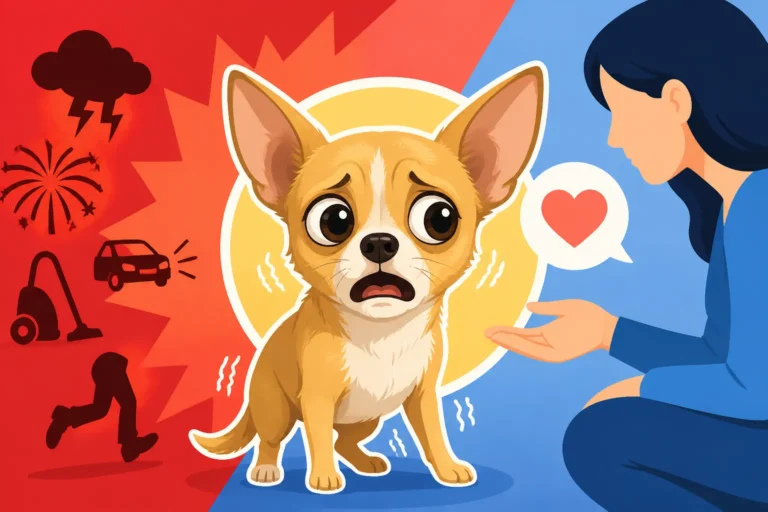
Chihuahuas, despite their diminutive size, possess a huge personality and often a deep-seated instinct for self-preservation. When it comes to something as vital as food, that instinct can kick in hard, especially if your little one feels vulnerable. It's not about being "mean" or "dominant"; it's almost always rooted in fear or anxiety.
The Instinct to Protect Valuable Resources
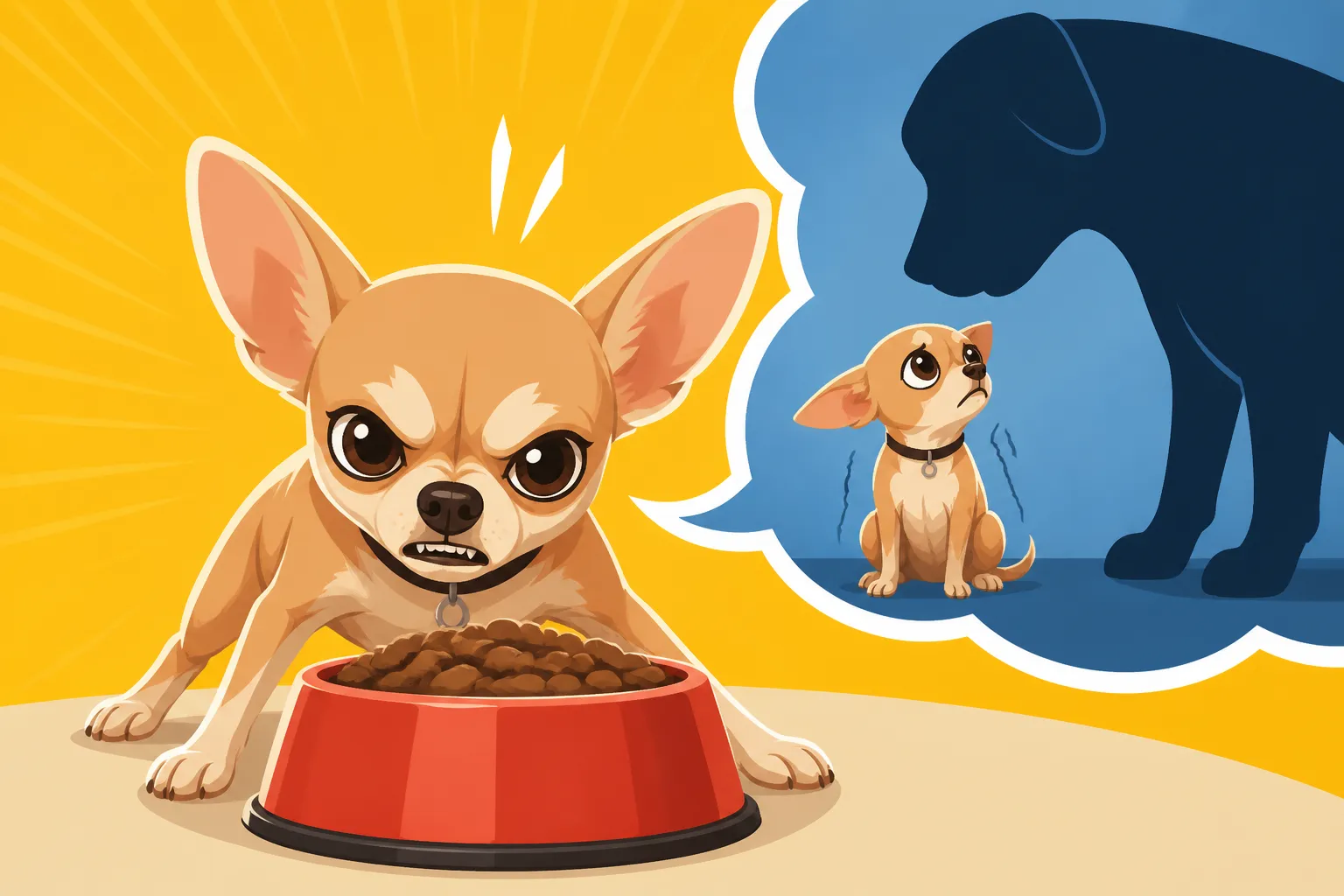
Think about it from your Chihuahua's perspective. In the wild, or even just in a multi-dog household, food is a high-value resource. A smaller dog, like a Chihuahua, might feel inherently disadvantaged when it comes to securing their meals. This isn't just a quirky behavior; it's a deep-seated survival mechanism. They perceive their food as something that could be taken away, either by a bigger animal (even a curious housecat or a child) or by another dog. This primal urge to protect what's theirs stems from a perceived scarcity or vulnerability, making them incredibly defensive. It’s a natural, albeit inconvenient, response to feeling "outsized" and potentially threatened in their environment.
The Role of Perceived Threat and Past Experiences
Sometimes, bowl guarding isn't just instinctual; it can be learned. If a Chihuahua has ever felt threatened while eating—perhaps another pet tried to sneak a bite, or even if someone inadvertently startled them during mealtime—they can quickly learn that they need to defend their food. This is particularly true for rescue Chihuahuas who may have come from situations where food was scarce, or they had to compete aggressively with other animals. Even a single negative experience can be enough to trigger guarding behavior, turning mealtime into a stressful event for both dog and owner. They remember, and their small stature often amplifies their feeling of needing to overcompensate. Chihuahua Food and Toy Guarding is a common issue for many owners.
How Small Size Influences Guarding Behavior
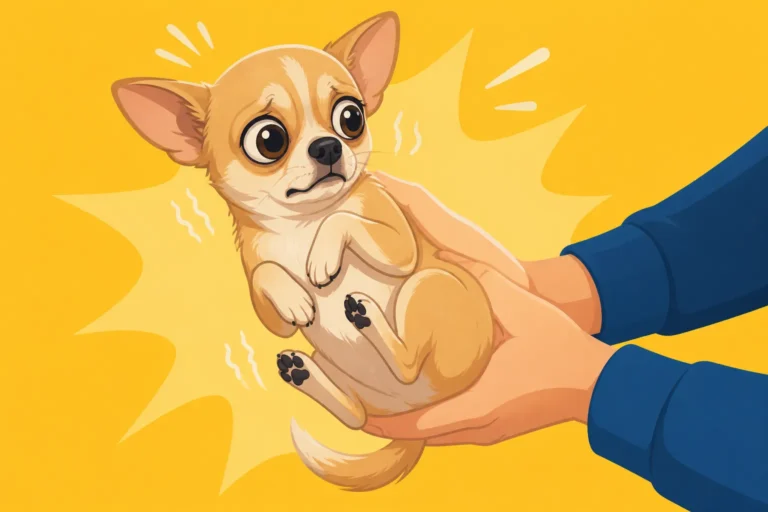
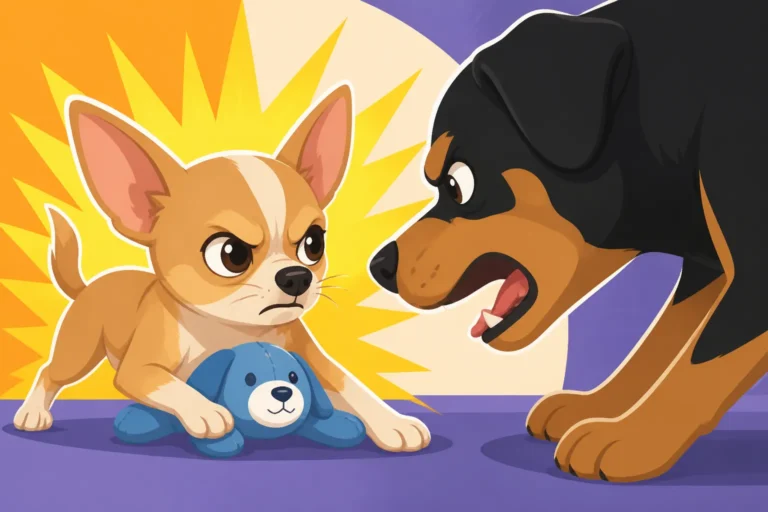
Being tiny has its challenges, and for a Chihuahua, one of those is feeling constantly outmatched. Imagine living in a world where everything is gigantic compared to you. This perception can translate directly into how they guard their food. A Chihuahua might feel that their only defense against a larger presence (be it another pet, a person, or even just the shadow moving across the floor) is to become overtly aggressive. They may puff themselves up, growl, snap, or even bite, not because they are inherently aggressive, but because they believe this is their most effective strategy to keep their meal safe. It's their way of saying, "Don't even think about it," when they feel they can't physically hold their ground.
Recognizing the Signs of Chihuahua Bowl Guarding
It's easy to dismiss a subtle growl or a quick snap as just a "Chihuahua thing," but these are crucial early warnings. Learning to read your dog's body language is paramount, as Chihuahuas often give many signals before escalating to a bite. Ignoring these early signs can inadvertently teach your dog that they need to be more obvious and aggressive to get their point across.
Subtle Cues and Early Warnings
Resource guarding isn't always overt aggression. Often, it starts with very subtle body language. You might notice your Chihuahua:
- Freezing: They stop eating, stiffen, and stare intently at anyone approaching their bowl. This can feel like a brief pause, but it’s a clear warning. A Chihuahua That Freezes Before It Bites is a significant signal that should never be ignored.
- Eating Faster: They might suddenly gobble their food down as you approach, as if trying to finish before you can take it.
- Whale Eye: The whites of their eyes might become visible as they turn their head slightly but keep their eyes fixed on you or the perceived threat. This is a sign of extreme stress and discomfort. Reading a Chihuahua's Whale Eye is key to understanding their fear.
- Body Blocking: They might physically place their body over their bowl, turning their back to you or repositioning themselves to cover the food.
- Low Growl: A very quiet, almost imperceptible growl that might only be felt through the floor, or heard when you're very close.
These signals are their way of communicating discomfort and a request for space.
Escalating Behaviors
If the subtle cues are ignored, or if the dog feels the threat is increasing, the behavior will escalate. This is when it becomes more obvious and potentially dangerous:
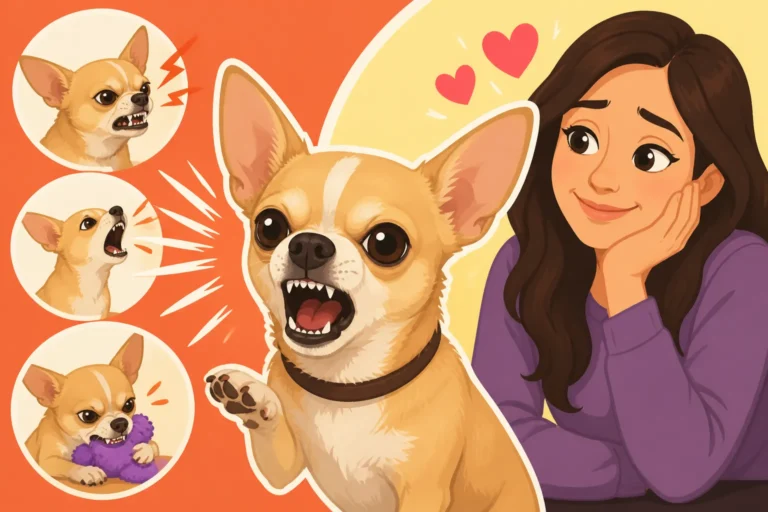
- Loud Growling and Snarling: The growl becomes louder, more insistent, often accompanied by baring teeth.
- Snapping: They might snap in the air or directly at the approaching hand or person, without making contact.
- Lunging: A sudden forward movement towards the perceived threat, usually accompanied by a growl or bark.
- Biting: This is the most serious escalation and often occurs when all prior warnings have been ignored, and the dog feels their resource is truly about to be taken.
Understanding these stages is crucial. You want to intervene at the earliest, most subtle signs, long before your Chihuahua feels the need to resort to snapping or biting. Chihuahua Body Language Before a Snap can offer more insights into these crucial pre-bite warnings.
Differentiating Guarding from Simple Startle Response
It's important to distinguish true resource guarding from a simple startle response. If you accidentally drop a pan behind your Chihuahua while they're eating, and they jump or yelp, that's a startle. If you approach their bowl and they become stiff, growl, and then perhaps snap, that's guarding. The key difference lies in the intent and the series of body language signals leading up to the reaction. A startled dog usually recovers quickly and doesn't maintain an aggressive posture towards you. A guarding dog will hold their stance, even after the "threat" retreats, often continuing to eat with vigilance.
| Behavior | Description | Underlying Emotion | How to Interpret |
|---|---|---|---|
| Freezing/Stiffening | Dog stops eating, body becomes rigid, eyes fixed. | Fear, anxiety, warning. | "I'm uncomfortable, don't come closer." |
| Eating Faster | Rapidly consumes food as someone approaches. | Fear of loss, urgency. | "I need to finish this before it's gone." |
| Whale Eye | Whites of eyes visible, usually combined with a stiff body or low head. | High stress, discomfort, fear. | "I'm very worried, I feel cornered." |
| Body Blocking | Physically positions body over the bowl, sometimes turning away from the perceived threat. | Protection, possessiveness. | "This is mine, I'm keeping it from you." |
| Low Growl/Snarl | Audible growl, may be accompanied by baring teeth. | Warning, attempt to deter. | "Back off, this is serious." |
| Snap/Lunge | Quick, aggressive movement towards the perceived threat, often without full contact. | Escalated warning, desperate attempt to create space. | "I will defend myself if you don't listen." |
| Biting | Making physical contact with teeth. | Last resort, extreme fear, feeling completely threatened. | "You didn't listen to any of my warnings, I had no other choice." |
Practical Steps to Address Chihuahua Bowl Guarding
Addressing bowl guarding requires a multi-faceted approach focusing on management, changing your dog's emotional response, and building trust. It's vital to remember that punishment will only worsen the problem, as it confirms your Chihuahua's fear that people are indeed a threat to their resources.
Managing the Environment for Safety
The first and most critical step is to prevent the guarding behavior from happening in the first place. Every time your Chihuahua growls or snaps over their bowl, that behavior is being reinforced because it usually works to make the "threat" retreat.
- Designated Eating Zone: Create a safe, quiet space where your Chihuahua can eat undisturbed. This might be a separate room, a crate, or behind a baby gate. Ensure no other pets or children can approach while they are eating. You can find excellent, sturdy baby gates on Amazon that are easy to install.
- Mealtime Management: Feed your Chihuahua when other pets are secured or in another room. If you have children, teach them never to approach the dog during meal times.
- Supervision: Always supervise meal times. If you can't supervise, put your Chihuahua in their safe eating zone.
- Remove Triggers: If your dog guards specific high-value items (like long-lasting chews), only give them when they are in a secure, solitary location where they can enjoy them without feeling the need to guard.
By managing the environment, you remove the opportunities for your Chihuahua to practice guarding, and you reduce their stress around meal times.
Positive Reinforcement Training Techniques
Once the environment is managed, you can start working on changing your Chihuahua's emotional association with people approaching their food. The goal is for them to see you, not as a threat, but as the giver of even better things.
-
The "Trade-Up" Game (for established guarding):
- Start by approaching your Chihuahua's bowl from a distance they are comfortable with – where they don't show any guarding signs.
- Toss a high-value treat (something they absolutely adore, like cooked chicken or cheese) near their bowl, but not so close that they perceive you as trying to take their food.
- Retreat immediately. Repeat this multiple times over several sessions, gradually decreasing the distance you toss the treat from.
- The idea is that your appearance near their food means delicious things happen, not that their food is in danger. This is a slow process, be patient.
-
"Approach and Retreat" (for mild guarding or prevention):
- While your Chihuahua is eating, walk casually past their bowl at a distance where they show no signs of guarding.
- As you walk past, gently toss a high-value treat into their bowl (or near it).
- Continue walking past without stopping. The key is to keep moving and make your presence non-threatening and rewarding.
- Over time, you can gradually decrease the distance. Never hover or stare.
- This teaches them that your presence equals an addition to their meal, not a subtraction.
Remember to use treats that are small enough for a Chihuahua, so they don't become a choking hazard. Treats Small Enough for Chihuahua Training are essential for successful positive reinforcement with tiny dogs.
Building Trust and Predictability
Consistency is key when working with a guarding Chihuahua. Every interaction should reinforce trust and predictability.
- No Punishment Ever: Yelling, scolding, or physically punishing a Chihuahua for guarding will only make them more fearful and more likely to bite in the future. It confirms their belief that humans are threats. Why Harsh Handling Damages a Chihuahua Fast is particularly true for sensitive breeds like Chihuahuas.
- Teach "Leave It" and "Drop It": These commands are invaluable for managing high-value items. Practice these away from the food bowl first, with less valuable items, gradually increasing the value of the object. Online training resources, like those from BAXTER & Bella, often have structured lessons for teaching these crucial commands.
- Hand-Feeding Sometimes: Occasionally hand-feed a portion of your Chihuahua's meal. This helps them associate your hands with positive, food-giving experiences, rather than just taking things away.
- Make Mealtime Calm: Avoid excitement or rushing around during feeding. A calm, predictable routine can greatly reduce anxiety.
By consistently applying these techniques, you can gradually help your Chihuahua feel more secure about their food, transforming mealtime from a source of stress into a peaceful, enjoyable experience. It’s about ensuring your tiny companion feels safe and understood in a world that often feels too big.
Preventing Bowl Guarding in a Chihuahua Puppy
It's always easier to prevent a behavior than to fix it once it's established. For Chihuahua puppies, establishing good habits and positive associations from day one can save a lot of heartache later on. Because they are so small and can easily feel overwhelmed, being proactive is especially important.
Early Socialization and Handling Around Food
From the moment you bring your Chihuahua puppy home, start making positive associations with people, hands, and food. This isn't about letting everyone grab their bowl, but about creating an environment where your presence near their food means good things.
- Puppy Mealtime Routine: Establish a consistent feeding schedule and location. This predictability helps reduce anxiety.
- "Friendly Stranger" Game: While your puppy is eating, have various family members (and eventually trusted, calm friends) walk by and drop a tiny, high-value treat into or near their bowl, then continue walking. This teaches the puppy that people approaching means bonus treats, not loss.
- Gentle Touch: Practice gently touching your puppy's ears, back, and paws while they are eating (but not directly touching the food bowl itself, initially). Pair this with praise or a tiny treat. This builds tolerance for handling.
- Supervised Play: Introduce your puppy to safe, well-matched dogs of similar size, ensuring all play is supervised and never involves shared food bowls. The Chihuahua Socialization Window and Its Deadline is a critical period for these positive experiences.
Remember, a Chihuahua puppy's bladder capacity means they need frequent meals, especially in their first few weeks. Chihuahua Hypoglycemia in the First Twelve Weeks is a serious concern, so don't withhold food as a training method.
"It's Just My Food" Philosophy
The goal is to teach your puppy that their food bowl is theirs, it's safe, and your presence doesn't mean it's going away.
- Avoid Taking Food Away: Unless there's an emergency (like they picked up something dangerous), avoid routinely taking their food bowl away while they are eating. This only teaches them that your hands are a threat.
- The "Add to the Bowl" Method: If you need to refresh their water or add more kibble, instead of taking the bowl away, simply approach and add to it. This reinforces the idea that you are a provider, not a taker.
- Encourage Positive Associations with Hands: Regularly give treats from your hand, play gentle games where treats are involved, and use your hands for petting and comfort. This builds a strong, positive association with your hands.
- Use appropriate bowls: Sometimes, a shallow, wide bowl can make a Chihuahua feel more secure, as they don't have to bury their head as much. Consider stainless steel bowls from Amazon for durability and hygiene.
Training Fundamental Commands
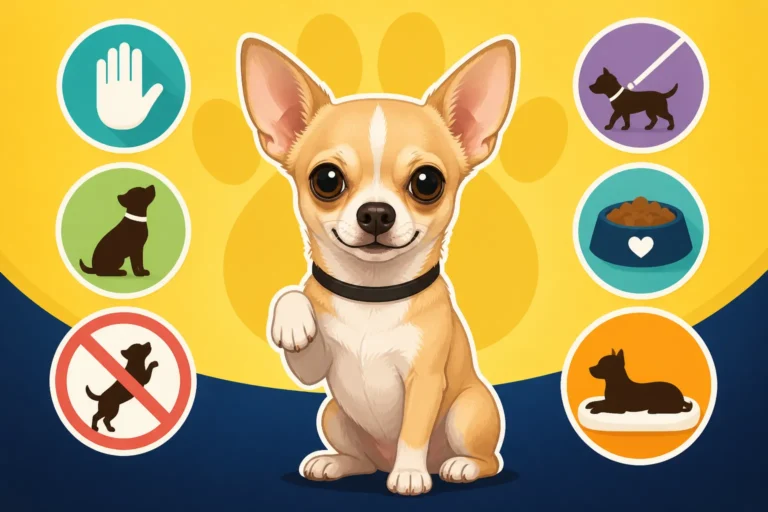
Basic obedience commands are the bedrock of good behavior and trust. For preventing bowl guarding, commands like "Sit," "Stay," "Come," "Leave It," and "Drop It" are incredibly valuable.
- Start Early: Begin teaching these commands in short, fun sessions as soon as your puppy is home. Keep sessions brief (3-5 minutes) to match their attention span.
- Positive Reinforcement Only: Always use positive reinforcement (treats, praise, toys) to reward desired behaviors. Punishment is counterproductive and can lead to fear and guarding. Why a Chihuahua Deserves Real Obedience Training from a young age is crucial for their overall confidence and behavior.
- Professional Guidance: If you're unsure how to start or if you encounter challenges, don't hesitate to seek advice from a certified professional dog trainer. Programs like those offered by BAXTER & Bella can provide excellent, structured guidance for puppy training and building a strong bond based on trust.
By implementing these preventative measures, you can help your Chihuahua puppy grow into a confident, secure adult who feels no need to guard their precious food bowl. It’s all about creating an environment of safety, trust, and positive interaction from day one.
Disclaimer
This article is for general informational purposes only and does not constitute professional advice. Laws, prices and regulations vary by location and change over time. Consult a qualified professional for guidance on your specific situation.