Chihuahua Crate Size and Setup
It's a common misconception that because Chihuahuas are so tiny, they don't really need a crate. Many new owners think a crate is too much for such a small dog, or that their little companion will just cuddle in bed. But choosing the right crate size and setting it up correctly is absolutely crucial for your Chihuahua's safety, comfort, and behavioral development. This guide will walk you through everything you need to know to create a cozy, secure den for your little one.
Why Crating a Chihuahua Matters
You might look at your tiny Chihuahua, barely a few pounds, and wonder if a crate is truly necessary. After all, they fit comfortably in a handbag or lap, so why confine them to a small box? This line of thinking, while understandable, often leads to missed opportunities for vital training and can inadvertently create behavioral challenges down the road. Crating isn't about punishment; it's about providing a safe, secure space that caters to their natural instincts and helps manage their independence and potty training.
Dispelling the "Tiny Dog Doesn't Need a Crate" Myth
The idea that Chihuahuas are too small for a crate is one of the biggest myths I encounter. People imagine a big, clunky wire cage taking up their living room and think it's overkill for a dog that weighs less than a housecat. But a crate isn't just a place to "put away" your dog; it's a foundational tool for house training, managing separation anxiety, and ensuring safety when you can't supervise. Without a dedicated safe space, a young Chihuahua might explore and chew on dangerous items, have accidents all over your home, or develop an over-reliance on constant human contact, which can exacerbate issues like barking or fear. A properly introduced crate helps them learn to be calm and content when left alone, fostering a sense of security rather than abandonment.
Think of it this way: your Chihuahua's small size actually makes a crate more important, not less. They can squeeze into tiny spaces, get under furniture, and be easily stepped on if not contained. A crate provides a reliably safe spot where they can't get into trouble, and where you know they are secure. This is especially true for puppies, who have minimal bladder control and a natural instinct to keep their sleeping area clean. A crate is indispensable for How Long a Chihuahua Can Hold Its Bladder and establishing a consistent potty schedule.
The Security and Den Instinct for Your Chihuahua
Dogs, including Chihuahuas, are den animals by nature. In the wild, their ancestors sought out small, enclosed spaces like caves or burrows to feel safe, rest, and raise their young. This isn't about being locked up; it's about having a private, cozy sanctuary where they can retreat from the hustle and bustle of family life. For a tiny Chihuahua, who can easily feel overwhelmed by loud noises, rambunctious children, or even just the vastness of a human house, a crate can be a profound source of comfort and security.
When introduced positively, a crate becomes your Chihuahua's personal bedroom – a place where they can relax, nap undisturbed, or chew on a favorite toy without interruption. It acts as a protective bubble, reducing stress and giving them a sense of control over their environment. This den instinct is powerful, and by providing a comfortable, appropriately sized crate, you're tapping into a fundamental canine need. It becomes their safe haven, especially during times of stress, like thunderstorms, visitors, or when you're settling them into a new environment, which is crucial for A Chihuahua's First Nights Alone in a New House.
Choosing the Right Crate Size for a Chihuahua
One of the most common mistakes owners make, regardless of breed size, is choosing the wrong size crate. For Chihuahuas, this usually means a crate that's far too large, which can undermine the very purpose of crating. Let's get into how to pick the perfect fit.
The Goldilocks Principle: Not Too Big, Not Too Small
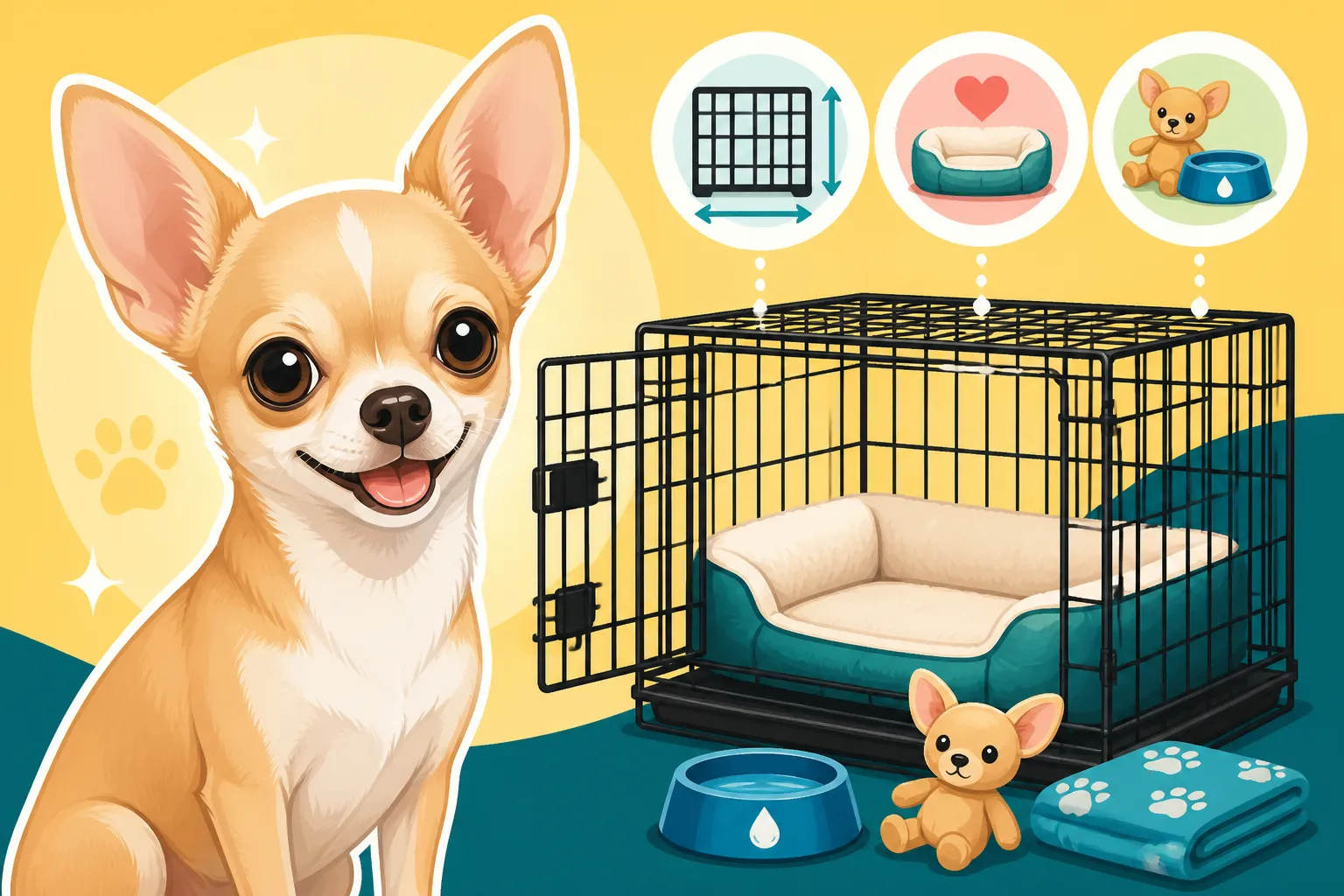
The ideal crate for your Chihuahua follows the Goldilocks principle: it needs to be just right. This means your Chihuahua should be able to stand up, turn around comfortably, and lie down stretched out on their side. That's it. Any larger, and you risk losing the primary benefits of crate training, particularly for house training. If a crate is too big, your Chihuahua might designate one corner as a potty area and another as a sleeping area, which defeats the natural instinct to keep their den clean.
Conversely, a crate that's too small is inhumane. They won't be able to move or stretch properly, leading to discomfort, stiffness, and a negative association with the crate. This can turn what should be a safe space into a prison, causing anxiety and resistance to entering it. You're aiming for snug, not restrictive. Remember, the goal is a cozy den, not a ballroom. When shopping, you'll see many options available on platforms like Amazon, offering various sizes. Don't be tempted to size up "just in case" – stick to what's appropriate for their current size.
Measuring Your Chihuahua for a Perfect Fit
To find that "just right" size, you'll need to do a little measuring. Don't just guess!
- Length: Measure your Chihuahua from the tip of their nose to the base of their tail (don't include the tail itself). Add about 2-4 inches to this measurement. This gives them enough room to stretch out comfortably.
- Height: Measure your Chihuahua from the top of their head to the floor when they are standing. If your Chihuahua has upright ears, measure to the tip of the ears. Add about 2-4 inches to this measurement as well. This allows them to stand up without hitting their head.
Here's a general guide for typical Chihuahua sizes:
| Chihuahua Weight | Chihuahua Length (Nose to Tail Base) | Chihuahua Height (Standing) | Recommended Crate Dimensions (L x W x H) |
|---|---|---|---|
| 2-4 lbs | 8-10 inches | 6-8 inches | 18" x 12" x 14" to 20" x 13" x 16" |
| 5-7 lbs | 10-12 inches | 8-10 inches | 20" x 13" x 16" to 22" x 14" x 17" |
| 8-10 lbs | 12-14 inches | 10-12 inches | 22" x 14" x 17" to 24" x 15" x 18" |
Note: These are general guidelines. Always measure your individual dog for the best fit.
If you're buying a crate for a puppy, remember they grow quickly! Some crates come with dividers, which are incredibly useful. You can buy a slightly larger crate and use the divider to adjust the internal space as your puppy grows, gradually increasing the size until it's perfect for their adult body. This saves you from buying multiple crates as your pup progresses through their Chihuahua Puppy Curriculum Month by Month.
Types of Crates for Different Needs
The market offers a variety of crate types, each with its own advantages. Your choice will depend on your specific needs, budget, and aesthetic preferences.
- Wire Crates: These are the most common and versatile. They offer excellent ventilation and visibility, allowing your Chihuahua to see what's going on around them. Many come with removable trays for easy cleaning and dividers for growing puppies. They're usually foldable, making them convenient for storage or travel. However, some Chihuahuas might feel too exposed in an open wire crate, and they aren't the coziest in colder climates without extra bedding. You can find many wire crates with appropriate dimensions for a Chihuahua readily available from retailers like Amazon.
- Plastic Crates (Airline Approved): These crates are often required for air travel, hence the "airline approved" designation. They offer more of a true den-like feel, as they're enclosed on three sides, providing a sense of privacy and security. They are also lighter than wire crates, which can be a plus for transport. Ventilation is provided through small openings, so ensure good airflow, especially in warmer weather. Their solid construction makes them durable, but they can be harder to clean than wire crates.
- Soft-Sided Crates: Made from fabric and a collapsible frame, these are lightweight and highly portable, perfect for travel or temporary setups. They offer a cozy feel but are not suitable for Chihuahuas who are chewers or still learning to be reliably house-trained, as they can be easily damaged. They also offer less protection in the event of an impact. I only recommend these for Chihuahuas who are completely crate-trained and non-destructive.
- Furniture Crates/End Table Crates: These are designed to blend seamlessly with your home decor, often looking like a stylish end table or nightstand. They are usually made of wood or decorative metal and can be quite beautiful. They offer the privacy of a plastic crate with a more aesthetic appeal. The downside is they are typically more expensive, heavier, and not portable. If the crate is going to be a permanent fixture in your living space, these can be a lovely option, providing a dedicated spot for your Chihuahua that doesn't scream "dog crate." You'll find these included in broad categories like Chihuahua Crates and Playpens when you're exploring options.
Setting Up Your Chihuahua's Crate for Comfort and Success
Once you've chosen the perfect crate size and type, the next crucial step is setting it up to be an inviting, positive space for your Chihuahua. The goal is for your little one to want to go into their crate, viewing it as their personal sanctuary.
Creating a Cozy Den Environment
The crate itself is just the framework; the magic happens when you turn it into a comfortable, inviting den. Imagine what you'd want in your own cozy retreat.
First and foremost, bedding is essential for a Chihuahua. These little dogs have very little body fat and can get chilly easily. A soft, comfortable bed or thick blankets not only make the crate more appealing but also provide much-needed warmth. Look for beds specifically designed for crates or use several layers of soft blankets. I personally love fleece blankets for Chihuahuas because they're warm, soft, and easy to wash. Ensure the bedding is washable and not easily chewed. For more ideas on keeping your pup warm, check out Chihuahua Beds and Blankets for Warmth.
You might also consider adding a soft, worn T-shirt or towel that smells like you. This can be incredibly comforting, especially for puppies or Chihuahuas prone to Chihuahua Separation Anxiety and Time Alone, as your scent provides reassurance in your absence. You can drape a light blanket or crate cover over the wire crate to create a more enclosed, den-like atmosphere, blocking out visual distractions and reducing feelings of exposure. Just make sure there's still adequate ventilation.
Essential Items for Inside the Crate
Beyond bedding, a few other items can enhance your Chihuahua's crate experience:
- Safe Chew Toys: Always include a few safe, durable chew toys. These provide entertainment and help alleviate boredom or mild anxiety. Opt for toys that are appropriate for a Chihuahua's small mouth and sharp puppy teeth, and ensure they can't be swallowed or broken into small pieces. Filling a Kong-type toy with a smear of peanut butter (xylitol-free!), cream cheese, or wet food and freezing it can provide a long-lasting distraction, helping your pup settle down quietly in their crate.
- Water Dispenser (Optional): While some owners prefer not to leave water in the crate, especially during early house training, a small, clip-on water bottle or bowl can be useful for longer periods. If you use a bowl, ensure it's heavy and tip-proof to avoid spills. For very young puppies, especially during extended periods like overnight, ensuring they have access to water is important.
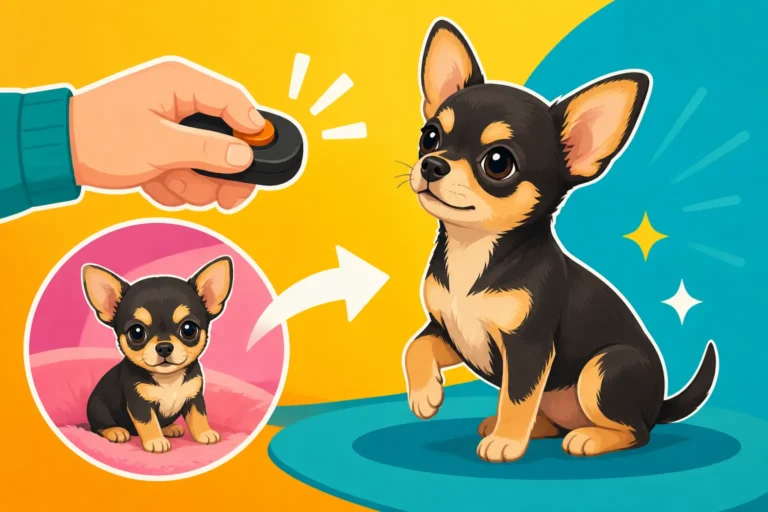
- Treats: Keep a stash of high-value treats near the crate. These aren't for in the crate, but for making a positive association with the crate. Every time your Chihuahua willingly goes in, offer a treat. This positive reinforcement is key to successful crate training. Brands like BAXTER & Bella emphasize positive reinforcement methods, and using treats is a cornerstone of this approach. Break larger treats into tiny pieces, as Chihuahuas don't need much. These small rewards are excellent for Three Minute Training Sessions With a Chihuahua focused on crate entry.
What not to put in the crate:
- Collars or Harnesses: Always remove your Chihuahua's collar or harness before crating. There's a risk of it getting snagged on the crate wires or parts, which could lead to choking. Safety first!
- Harmful Toys: Avoid toys with small parts that can break off, ribbons, or anything that could be a choking hazard.
Where to Place Your Chihuahua's Crate
The location of the crate plays a significant role in how your Chihuahua perceives it and how well they adapt.
Initially, especially for puppies or newly adopted Chihuahuas, place the crate in a central, high-traffic area of your home where you spend a lot of time – your living room, family room, or even your home office. Chihuahuas are social creatures and thrive on being near their people. Placing the crate here allows them to feel like part of the family, even when confined, preventing feelings of isolation. They can still hear and smell you, which is comforting. This is particularly helpful when you're Settling a Two Pound Chihuahua Puppy Into the House.
For nighttime, consider moving the crate into your bedroom or very close by. Hearing your breathing and feeling your presence can be incredibly reassuring for a young puppy or a Chihuahua who's still getting used to being alone at night. Once they are fully comfortable and sleeping soundly through the night, you can gradually transition the crate to a more permanent, quieter location if you wish. However, many Chihuahua owners find their little dogs prefer to sleep in their crate right beside the bed for their entire lives, valuing the close proximity to their human companions.
Ensure the crate is in an area free from drafts, direct sunlight, or extreme temperatures. Chihuahuas are sensitive to temperature changes, and you want their den to be consistently comfortable. Avoid placing it directly next to noisy appliances or in a spot where they will be constantly disturbed. The goal is a peaceful, secure retreat.
Disclaimer
This article is for general informational purposes only and does not constitute professional advice. Laws, prices and regulations vary by location and change over time. Consult a qualified professional for guidance on your specific situation.