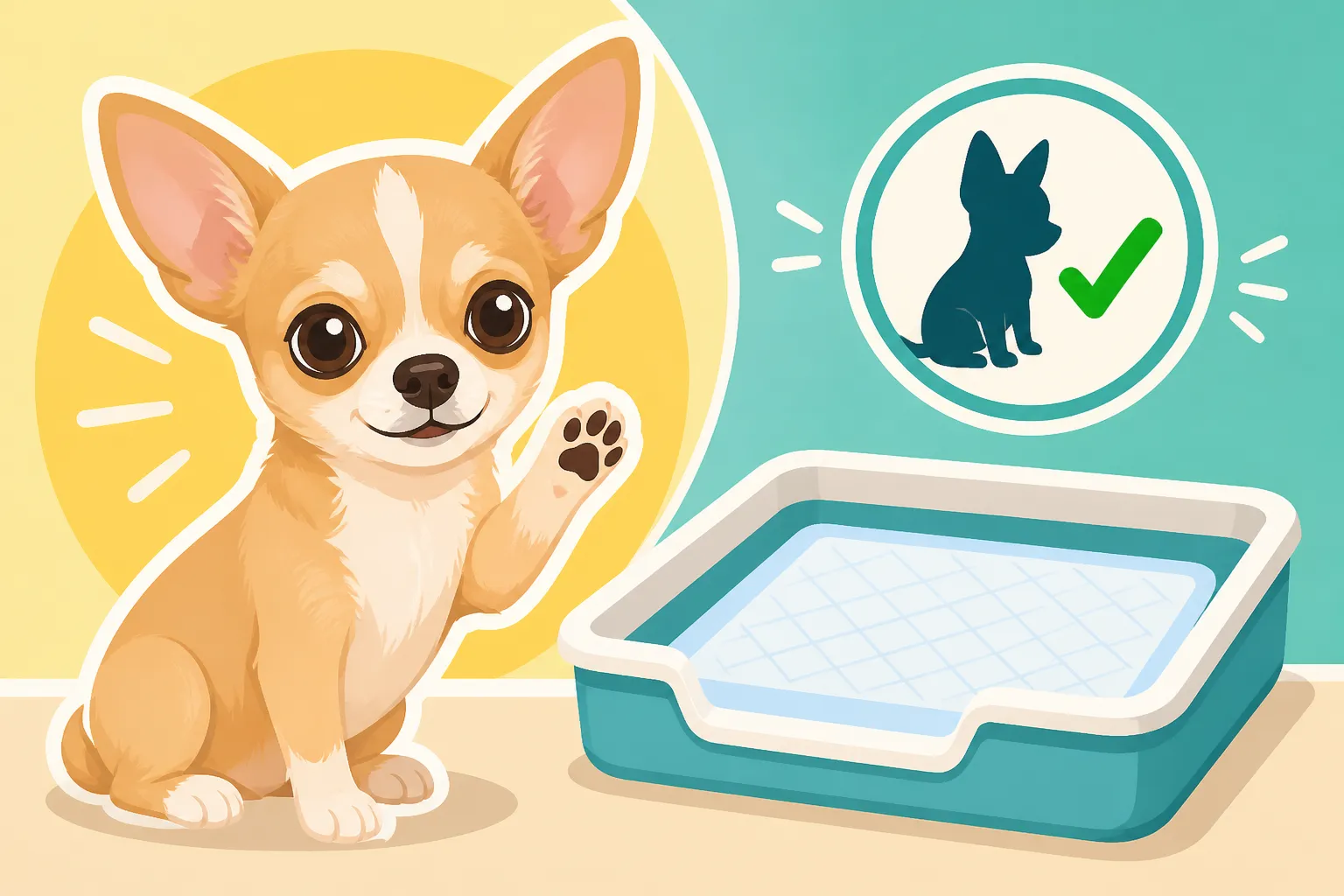
Litter Box Training a Chihuahua
Living with a Chihuahua, you quickly learn about their tiny bladders and sometimes, their strong aversion to stepping a single paw outside when the weather isn't absolutely perfect. It can feel like a constant battle against puddles and frustration, especially when house training isn't sticking. This guide is here to walk you through the practical, empathetic approach to litter box training your Chihuahua, offering a reliable indoor solution for those inevitable moments when nature calls, and the outdoors just isn't an option.
Why Consider Litter Box Training for Your Chihuahua?
Chihuahuas are wonderful companions, but their diminutive size comes with a few unique challenges, especially when it comes to potty training. Many owners find themselves grappling with these issues, making an indoor potty solution a highly attractive and often necessary alternative.
The Challenges of Outdoor Potty Training
Let's be honest, those little legs and even tinier bladders are working against a Chihuahua from day one. Unlike a larger dog who can comfortably hold it for longer stretches, a Chihuahua puppy, and even some adults, simply can't. You might feel like you're taking them out every hour on the hour, only for them to have an accident five minutes after coming back inside. This isn't naughtiness; it's often physiological. We've talked before about How Long a Chihuahua Can Hold Its Bladder, and it's far less time than many first-time Chihuahua owners realize.
Then there's the weather. Chihuahuas, with their minimal body fat and sometimes thin coats, get cold fast. Rain, snow, or even just a chilly breeze can make them utterly miserable and reluctant to do their business outside. Many owners describe their Chihuahuas looking at them with utter betrayal when asked to step into a winter wonderland. This refusal isn't stubbornness, but often a genuine discomfort. For more on this, check out House Training a Chihuahua That Refuses the Rain. If you live in an apartment on the tenth floor, getting outside quickly enough, especially during emergencies, can be a real logistical nightmare. The stress of rushing your tiny companion down an elevator and across a lobby multiple times a day can wear anyone down.
Benefits of an Indoor Potty Solution
For all these reasons, establishing an indoor potty area can be a game-changer for many Chihuahua households. It offers convenience, peace of mind, and a consistent option for your dog. Imagine not having to brave a midnight downpour or a freezing blizzard just for a quick potty break. An indoor setup means your Chihuahua always has a safe, comfortable, and accessible place to relieve themselves, regardless of the weather outside or your own schedule.
This consistency can significantly reduce accidents and the stress associated with house training. It’s also incredibly beneficial for Chihuahuas who are elderly, have mobility issues, or are recovering from surgery, offering them a low-impact, readily available option. Think about a senior Chihuahua with arthritis; asking them to navigate stairs or slippery outdoor surfaces can be painful and risky. An indoor solution provides dignity and comfort. It's also a fantastic backup for those days when you're unexpectedly delayed getting home. Your little one won't be forced to hold it uncomfortably long. The specific advantages of having an indoor solution, particularly for bad weather, are explored in Indoor Toilets for a Chihuahua That Hates Rain.
Setting Up Your Chihuahua's Indoor Potty Area
Once you've decided that litter box training is the right path for you and your Chihuahua, the next step is to create an inviting and functional potty area. The right setup is crucial for success.
Choosing the Right "Litter Box"
When we say "litter box," for a Chihuahua, we're rarely talking about a giant plastic box filled with clumping clay litter like you might use for a cat. While some Chihuahuas do adapt to cat litter, there are usually better, more dog-friendly options available. The key is to find something that your Chihuahua can easily access, that holds the chosen substrate effectively, and that fits comfortably in your home.
Here are a few popular choices:
- Puppy Pad Holders: These are frames that secure puppy pads, preventing them from being bunched up, chewed, or dragged around. They come in various sizes and designs, some with raised edges to contain liquid. They're often readily available on sites like Amazon.
- Artificial Grass Patches: These consist of a synthetic grass mat placed over a collection tray. They offer a more natural feel for dogs who prefer a grassy surface and can be a good stepping stone for outdoor potty training. They require regular cleaning but avoid the constant waste of disposable pads.
- Pellet Systems: These usually involve a tray with a grate, under which absorbent paper pellets or wood pellets are placed. The liquid passes through the grate, and the pellets absorb it, while solids remain on top for easy cleanup. This can be a more eco-friendly option than endless puppy pads.
- Low-Entry Cat Litter Boxes: If you decide to go the "litter" route, choose a very low-sided box that your Chihuahua can easily step into without jumping. Some Chihuahuas take to fine-grain, non-clumping paper or pine pellet litter well. Avoid scented litters, as the strong smells can deter sensitive Chihuahua noses.
Consider your Chihuahua's size and any physical limitations. For a tiny puppy or an older dog with joint issues, the lowest possible entry point is vital. For a more detailed look at the pros and cons of different pad versus outdoor training, check out Puppy Pads Against Outdoor Only for a Chihuahua.
Ideal Location and Supplies
The placement of your Chihuahua's potty area is almost as important as the choice of "box" itself. You want it to be somewhere:
- Easily Accessible: Your Chihuahua needs to be able to get to it quickly when the urge strikes. Avoid tucking it away in a remote corner that requires a long trek.
- Quiet and Private: While easily accessible, it shouldn't be in the middle of a high-traffic area where they might feel exposed or interrupted. A corner of a laundry room, bathroom, or a quiet nook in a living space can work well.
- Away from Food and Bedding: Dogs naturally prefer to keep their "toilet" area separate from where they eat and sleep. Placing it too close to these areas can confuse them or make them reluctant to use it.
- Protected from Drafts: Remember, Chihuahuas get cold! Avoid placing the potty area near a drafty window or door.
Beyond the "litter box" itself, you'll need a few essential supplies to ensure a clean and successful training experience:
- Plenty of Potty Pads/Substrate Refills: Whatever system you choose, make sure you have a consistent supply.
- Enzyme Cleaner: Accidents will happen, especially in the beginning. An enzyme-based cleaner is essential for neutralizing odors and preventing your Chihuahua from being drawn back to the same "accident" spot. This is covered in more detail in Cleaning Chihuahua Accidents So They Do Not Repeat.
- Waste Bags: For easy disposal of solid waste and used pads.
- Rubber Gloves: For hygiene during cleanup.
- Positive Reinforcement Treats: Tiny, high-value treats that your Chihuahua absolutely loves. These are critical for rewarding successful potty breaks.
Consistency in placement is key. Once you've chosen a spot, try to stick with it. Moving the potty area around too much can confuse your Chihuahua and set back your training efforts.
Step-by-Step Guide to Litter Box Training
Now that you have your supplies and ideal spot picked out, it's time to get down to the actual training. Remember, patience and consistency are your two best friends throughout this process.
Starting with Consistency and Supervision
Litter box training a Chihuahua isn't fundamentally different from outdoor house training in its core principles: you need to set your dog up for success and reward them heavily when they get it right. This means diligent supervision, especially in the early stages.
Think of it like this: your Chihuahua puppy doesn't inherently know where you want them to go. It's your job to teach them. For young puppies, this often means very frequent trips to the designated potty area. Schedule trips first thing in the morning, after every nap, after playing, after eating or drinking, and right before bedtime. Essentially, any time you anticipate they might need to go, lead them to their potty station. For a puppy, this could be every hour or two.
When you take them to the potty area, use a consistent, calm phrase like "Go potty!" or "Do your business!" and wait patiently. Resist the urge to play or distract them. If they go, immediately offer enthusiastic praise and a high-value treat. Make it a celebration! The moment they finish, mark the behavior with your chosen cue and reward. This immediate reward is crucial for them to associate the action (pottying in the right spot) with the reward. Programs like BAXTER & Bella emphasize this positive reinforcement approach, which is vital for building a strong foundation. Even short, focused training sessions, as discussed in Three Minute Training Sessions With a Chihuahua, can be incredibly effective when done consistently.
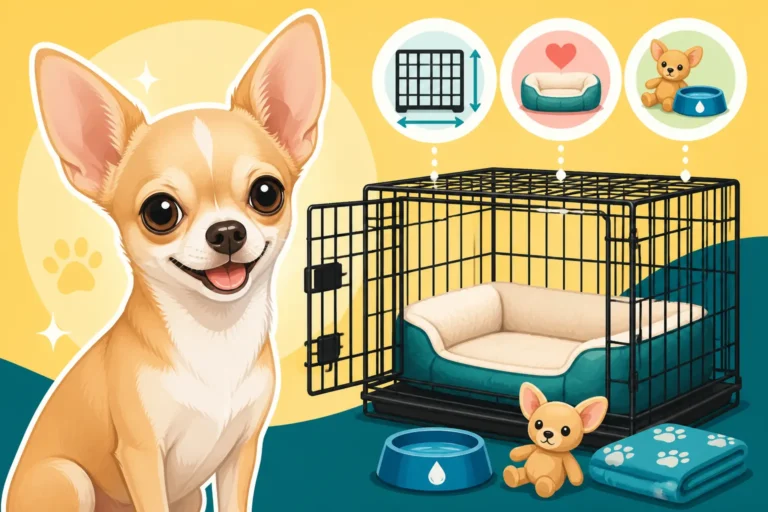
During times when you can't actively supervise your Chihuahua (e.g., when you're working, busy with chores), confine them to a small, safe area like a playpen or a Chihuahua Crate Size and Setup. This small space should be just large enough for them to stand, turn around, and lie down comfortably, perhaps with a bed at one end and their potty area at the other. This helps prevent accidents in other parts of the house and encourages them to use the designated spot because they won't want to soil their sleeping area. However, be mindful of their tiny bladder limits; even in a confined space, they'll need frequent opportunities to use the potty area.
Guiding Your Chihuahua to Success
Once you've established the routine of frequent trips and immediate rewards, you can start to refine the process. If you catch your Chihuahua sniffing around, circling, or showing other pre-potty signs (like a sudden pause in play), immediately and calmly pick them up and take them to their potty area. Avoid startling them or scolding them; simply redirect them.
If you find an accident after the fact, do not punish your Chihuahua. They won't connect your anger to an event that happened minutes or hours ago. Punishment only teaches them to fear you or to hide their pottying, making training much harder. Instead, simply clean it up thoroughly with an enzymatic cleaner to remove all traces of odor.
One helpful trick is to use a slightly soiled potty pad (or a small piece of one) as a "scent marker" in the clean potty box. The faint scent might encourage your Chihuahua to use that spot again, as dogs are often drawn to areas where they've previously eliminated. However, don't let the box become too dirty, as this can deter them from using it.
Remember that every dog learns at their own pace. Some Chihuahuas might pick it up in a few days, while others might take several weeks or even a couple of months to be consistently reliable. Patience is truly a virtue here. Don't get discouraged if there are setbacks; they are a normal part of the learning process. You can gain more insight into the typical timeline for house training by reading How Many Weeks Chihuahua Potty Training Takes.
Dealing with Accidents and Regression
Even the most diligently trained Chihuahua can have an accident, or even go through periods of regression. It's frustrating, I know! You think you've got it all figured out, and then bam, a puddle on the rug. The key is to understand why it might be happening and how to address it without getting upset.
First, rule out any medical issues. A sudden increase in accidents, especially if your Chihuahua was previously reliable, could indicate a urinary tract infection, bladder stones, or other health problems. A quick vet visit can rule these out.
If it's not medical, consider these common reasons for accidents and regression:
- Too Much Freedom Too Soon: Did you give your Chihuahua full run of the house before they were truly reliable? Going back to basics with confinement (crate or playpen) and constant supervision, only gradually increasing freedom, is often the fix.
- Inconsistent Schedule: Have your work hours changed? Has your routine been disrupted? Chihuahuas thrive on routine. Re-establishing a consistent potty schedule, and sticking to it, can make a huge difference.
- Inadequate Cleaning: If previous accidents weren't thoroughly cleaned with an enzymatic cleaner, residual odors can attract your Chihuahua back to the same spot. This is why Cleaning Chihuahua Accidents So They Do Not Repeat is so important.
- Stress or Anxiety: A new pet, a move, changes in the household, or even loud noises can cause a Chihuahua to regress. Identify the stressor and work to mitigate it.
- Marking Behavior: This is especially common in intact male Chihuahuas, but can happen with females too. Marking is less about needing to pee and more about claiming territory. A Chihuahua Marking on Furniture is a classic sign. This is where options like belly bands (available on Amazon) can be very helpful. They don't prevent the marking entirely, but they contain the urine, protecting your furniture while you work on behavior modification.
- Dislike of the Potty Area: Is the potty area dirty? Is the substrate uncomfortable? Is it in a noisy location? Ensure the area remains clean and appealing.
When regression occurs, approach it as if you're starting fresh with a new puppy. Increase supervision, go back to more frequent trips, and heavily reward successful potty breaks. Avoid scolding; your goal is to positively reinforce the correct behavior, not punish the wrong one. Remember, it's a learning process, and sometimes we all need a refresher course.
Common Challenges and Advanced Tips
Even with the best intentions and consistent effort, you might encounter specific hurdles during litter box training. Let's tackle some of the more common ones.
Transitioning from Pads to Litter/Grass
Many owners start with disposable puppy pads because they're convenient, but later decide they want to transition to a more permanent or eco-friendly solution like a synthetic grass patch or a pellet system. This transition needs to be gradual to prevent confusion and accidents.
Here's a method that often works:
- Introduce the New Potty Next to the Old: Place the new potty system (e.g., grass patch) directly next to the familiar puppy pad. Allow your Chihuahua to investigate both.
- Encourage Use of the New: When it's potty time, lead your Chihuahua to the new system first. If they use it, lavish them with praise and treats. If they go to the old pad, still praise them, but make a mental note to encourage the new one more next time.
- Gradually Reduce the Old: Once your Chihuahua shows some comfort with the new system, start to make the old pad less appealing. You can trim the size of the old pad, or even just put a single, less-absorbent layer down. This encourages them to try the more substantial new option.
- Remove the Old: Once they are consistently using the new system, you can remove the old pad entirely.
This process can take days or weeks, depending on your Chihuahua's personality. Be patient, and don't rush it. The goal is a smooth transition, not a sudden switch that creates anxiety.
Here's a quick comparison of popular indoor potty options:
| Feature | Disposable Pads | Artificial Grass Patch | Pellet System (Paper/Wood) |
|---|---|---|---|
| Initial Cost | Low | Moderate | Moderate |
| Ongoing Cost | High (constant refills) | Low (some replacement mats) | Moderate (pellet refills) |
| Ease of Cleanup | Moderate (dispose & replace) | High (rinse grass, empty tray) | Moderate (scoop solids, change pellets) |
| Odor Control | Fair (depends on absorbency) | Good (if cleaned regularly) | Good (if pellets are fresh) |
| Environmental Impact | High (landfill waste) | Low (reusable components) | Low (biodegradable pellets) |
| Natural Feel for Dog | Low | High | Moderate |
Addressing Marking Behavior
Marking is a different beast than simply needing to relieve themselves. It's often a territorial communication, and it can be a real headache, especially if your Chihuahua decides your furniture or guest's luggage makes a fine target. A Chihuahua Marking the Same Corner is a very common scenario.
- Spaying/Neutering: If your Chihuahua is not spayed or neutered, this is often the most effective first step. Hormones play a huge role in marking behavior, and many dogs stop or significantly reduce marking after the procedure.
- Belly Bands/Diapers: For male Chihuahuas, a belly band is a wrap that goes around their waist and covers their privates, catching any urine. For females, doggie diapers serve a similar purpose. These are invaluable tools for preventing damage to your home while you work on the underlying behavior. You can find a wide selection of these on Amazon. Remember, these are management tools, not a solution to the behavior itself.
- Increased Outdoor Potty Opportunities: If your Chihuahua marks indoors, it might be because they feel they don't have enough opportunities to mark outside. Increase the frequency and length of their outdoor walks, allowing them plenty of time to sniff and mark appropriate outdoor spots.
- Behavioral Training: Work on building your Chihuahua's confidence and reducing anxiety, as insecurity can sometimes trigger marking. Consistent positive reinforcement training, often supported by resources like BAXTER & Bella, can help.
- Thorough Cleaning: As always, clean marked areas meticulously with an enzymatic cleaner to eliminate odor attractants.
Maintaining Hygiene and Preventing Odor
One of the biggest concerns for owners considering an indoor potty system is the smell. Nobody wants their home to smell like a giant litter box! Fortunately, with proper hygiene, you can keep odors to a minimum.
- Daily Cleanup: This is non-negotiable. Solid waste should be removed immediately. Used puppy pads should be replaced at least daily, or more frequently if heavily soiled. For grass patches or pellet systems, rinse the grass daily and empty/replace pellets as needed.
- Deep Cleaning: Depending on the system, a deeper clean is required regularly. For plastic trays, wash them with soap and water (or a pet-safe disinfectant) a few times a week. For grass patches, a thorough rinse with soap and water, and allowing it to dry completely, is important to prevent bacteria buildup.
- Enzymatic Cleaners: These are your best friend. Use them not only for accidents outside the box but also for regular cleaning of the potty system itself if odors persist. They break down the organic matter that causes smells.
- Ventilation: Ensure the area where the potty is located has good airflow. An open window (if weather permits) or a fan can help.
- Odor Eliminators: There are many pet-safe odor eliminators on the market, from sprays to diffusers, that can help keep the air fresh. Just ensure they are safe for pets and don't contain strong fragrances that might deter your Chihuahua.
By being proactive and consistent with cleaning, your Chihuahua's indoor potty area can be a clean, odor-free, and convenient solution for years to come.
Disclaimer
This article is for general informational purposes only and does not constitute professional advice. Laws, prices and regulations vary by location and change over time. Consult a qualified professional for guidance on your specific situation.