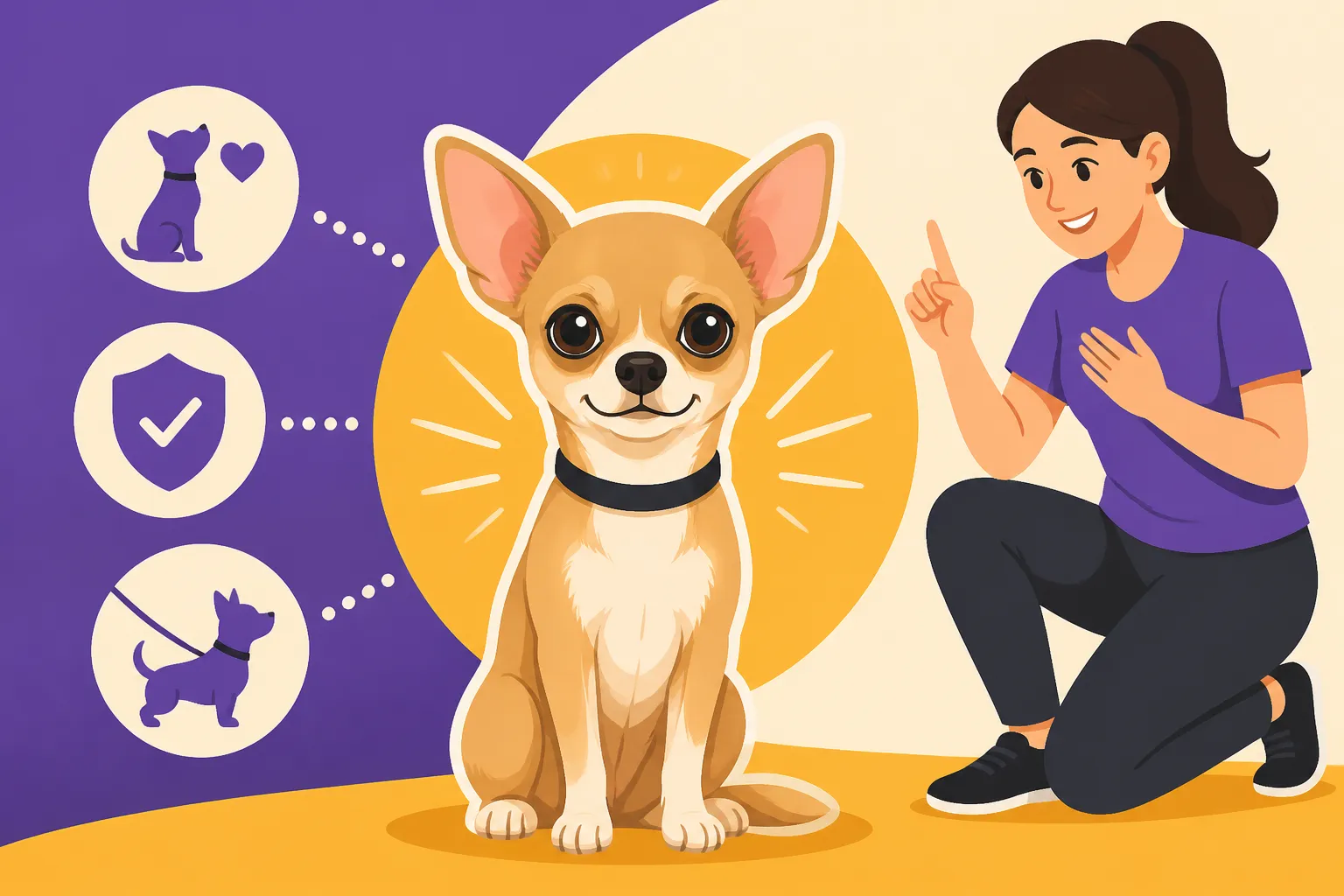
Why a Chihuahua Deserves Real Obedience Training
It's a common, heartbreaking misconception that Chihuahuas don't need serious training. People often look at their tiny size and assume they're more like accessories than actual dogs, excusing behaviors they'd never tolerate from a Labrador. But this mindset does a huge disservice to our little companions, setting them up for a lifetime of confusion, anxiety, and behavioral problems. This guide is here to bust that myth wide open and show you why your Chihuahua absolutely deserves—and thrives on—real, consistent obedience training, just like any other dog.
The Dangerous Myth: "Chihuahuas Don't Need Training"
Let's be honest, it's easy to fall into the trap. You bring home this adorable, pocket-sized fluffball, and their tiny stature makes it seem like their misbehaviors are equally tiny, or even endearing. A little nip? Oh, bless their heart, they're just sassy. Constant barking? Well, they're protecting you from the mailman, aren't they? Accidents on the rug? Their bladder is so small! We've all been there, making excuses for our Chihuahuas that we'd never consider for a Golden Retriever. This phenomenon is often playfully dubbed "small dog syndrome," but it's not actually a genetic trait unique to little dogs; it's a direct result of how we, as owners, inadvertently treat them differently.
The problem with this approach is that it robs your Chihuahua of the guidance and structure every dog needs to feel secure and understand their place in the world. When a Chihuahua isn't given clear boundaries or taught appropriate behaviors, they're left to figure things out on their own, often leading to confusion and stress. They might become overly protective, anxious, or even aggressive, not because they're inherently "mean," but because they haven't been taught how to navigate their environment safely and confidently. Imagine being constantly overwhelmed by a world that seems ten times bigger than you, with no clear rules or direction. That's often the reality for an untrained Chihuahua.
The consequences of this lack of training can be far-reaching and deeply impactful on your Chihuahua's quality of life and your relationship with them. A Chihuahua that barks incessantly at every sound, lunges at strangers, or snaps when startled isn't a "sassy" dog; they're often a fearful, insecure dog acting out. This can make everyday situations, like vet visits, walks in the park, or even having guests over, incredibly stressful for both of you. Instead of a confident, well-adjusted companion, you end up with a Chihuahua who might be a bundle of nerves, constantly on high alert, and difficult to manage. It truly is a shame, because these little dogs have so much potential to be incredible, loving, and well-behaved members of the family, if only given the chance through proper training. This is why it's crucial to approach training your Chihuahua with the same seriousness and dedication you would any large breed, understanding that Training a Chihuahua Exactly Like a Big Dog is not only possible but essential for their well-being.
Beyond Basic Manners: Why Obedience Empowers Your Chihuahua
Obedience training isn't just about teaching your Chihuahua to sit or stay; it's about building a foundation of communication, trust, and mutual understanding. It's about equipping them with the life skills they need to navigate a big, sometimes scary, world with confidence, and ensuring their safety and happiness. For such a small dog, the world can present unique challenges, and a well-trained Chihuahua is a Chihuahua that is far more secure, less anxious, and ultimately, a more joyful companion.
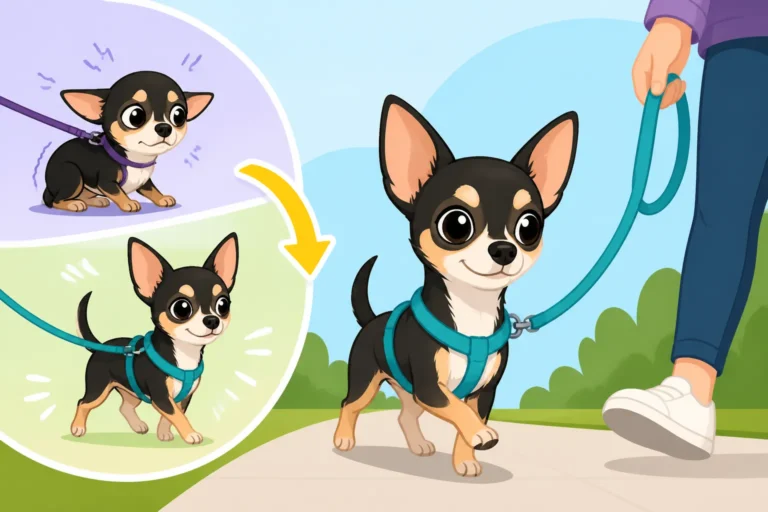
Think about the safety aspect alone. A Chihuahua that understands a reliable "come" command, or "recall," is a Chihuahua you can trust more when the front door accidentally swings open or during an off-leash moment in a secure, fenced area. A dog that pulls frantically on the leash, or worse, slips out of their collar in a panic, is in immediate danger. Learning good leash manners, facilitated by a properly fitted harness rather than a neck collar, can literally be a lifesaver. Furthermore, a Chihuahua that has been taught to calmly accept handling and cooperative care will have far less stressful vet visits, grooming sessions, and even nail trims. Imagine the relief of a vet who can examine your tiny pup without a wrestling match, or being able to administer medication without fear of a bite. These aren't just polite behaviors; they are vital skills that contribute directly to your Chihuahua's long-term health and safety.
Beyond safety, training profoundly impacts your Chihuahua's mental well-being and builds their confidence. A Chihuahua that knows what's expected of them, understands cues, and can predict outcomes feels more secure. This reduces anxiety and fear, which are common drivers of undesirable behaviors like excessive barking or fear-based aggression. When a Chihuahua learns to successfully perform a task and receives positive reinforcement, their confidence soars. It empowers them to engage with their environment more positively, whether that's meeting new people, encountering other dogs, or exploring new places. This positive mental stimulation is just as important as physical exercise for a small dog, helping to prevent boredom and destructive habits. It's about giving them the tools to be a happy, well-adjusted member of society, rather than a nervous wreck always on guard. Understanding Chihuahua Fear Reactivity, the Breed's Real Problem highlights just how critical confidence-building through training truly is.
Moreover, obedience training deepens the bond you share with your Chihuahua. When you spend dedicated time teaching them, working through challenges, and celebrating successes, you're not just instructing them; you're building a relationship based on trust and respect. Your Chihuahua learns to look to you for guidance, and you learn to better understand their communication cues. This creates a stronger, more harmonious household where everyone feels heard and understood. It fosters a sense of teamwork that enriches both your lives.
Here's a quick look at how training can transform common Chihuahua behaviors:
| Behavior | Untrained Chihuahua | Trained Chihuahua |
|---|---|---|
| Greeting Guests | Barks incessantly, lunges, nips, hides. | Greets calmly (perhaps with a wag), sits for petting, understands boundaries. |
| Leash Walking | Pulls, lunges, barks at other dogs/people, freezes in fear, tries to escape. | Walks politely on a loose leash, ignores distractions, enjoys neighborhood strolls. |
| Potty Habits | Frequent indoor accidents, marking, difficult to predict. | Reliably goes potty outdoors or on designated indoor spot, signals need to go out. |
| Vet Visits | Trembles, tries to bite, screams, difficult to examine. | Tolerates examination, accepts gentle handling, less stress for dog and vet. |
| Recall (Coming When Called) | Ignores commands, runs off, difficult to catch. | Responds promptly to "come," even with distractions, ensures safety. |
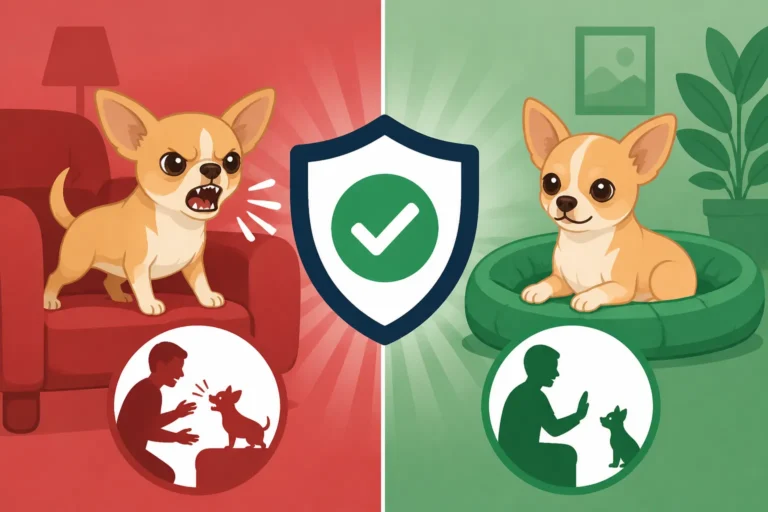
| Resource Guarding | Growls or snaps over food, toys, or a lap. | Understands sharing, willingly gives up items, less conflict. |
| General Confidence | Anxious, fearful, reactive, constantly shivering, avoids new experiences. | Curious, adaptable, comfortable in various environments, less prone to fear-based behaviors. |
Tailored Training: Approaches for Your Tiny Companion
Training a Chihuahua doesn't mean barking commands or using harsh methods. In fact, due to their sensitive nature and small size, positive reinforcement is not just the best approach, it's often the only effective and humane way to train them. These little dogs are incredibly intelligent and eager to please their humans, but they are also quite delicate, both physically and emotionally.
Gentle Methods for a Sensitive Soul
Chihuahuas are known for their big personalities, but beneath that bravado, many are quite sensitive. They don't respond well to punishment-based training, which can easily instill fear, shut them down, or even trigger aggression as a defense mechanism. Instead of building trust and confidence, harsh handling can damage your relationship and make training harder in the long run. Imagine yelling at a tiny creature who already feels vulnerable in a giant world; it's counterproductive and frankly, unkind. Why Harsh Handling Damages a Chihuahua Fast is a topic every Chihuahua owner should understand deeply.
Positive reinforcement, on the other hand, focuses on rewarding desired behaviors. When your Chihuahua does something you like—like sitting when asked, walking nicely on a leash, or going potty outside—you immediately follow it with something they love. This could be a tiny, high-value treat, a praise word, or a gentle scratch behind the ears. This teaches them that good things happen when they perform certain actions, making them more likely to repeat those actions. It builds enthusiasm for learning and strengthens your bond without resorting to fear or intimidation. For example, when teaching The Commands Every Chihuahua Should Know like "sit" or "stay," keep your sessions short and fun, maybe just Three Minute Training Sessions With a Chihuahua a few times a day.
If you're finding it challenging to get started, or you're dealing with specific behavioral issues, don't hesitate to seek professional help. Many trainers specialize in small breeds or use positive reinforcement methods that are perfect for Chihuahuas. Online resources, like the BAXTER & Bella Online Puppy School, can also be a fantastic way to access structured training programs from the comfort of your home, offering step-by-step guidance that's tailored to your dog's needs. These programs often include video tutorials and live Q&A sessions, making professional-grade training accessible to everyone, no matter where you live.
The Right Tools for the Job
Having the right equipment makes a huge difference, especially with a pint-sized pupil.
- Treats: Chihuahuas have tiny mouths and tiny calorie budgets. You'll need Treats Small Enough for Chihuahua Training that are highly palatable and can be eaten quickly. Think pea-sized or even smaller, broken into crumbs. You can find excellent options on Amazon, often in soft, chewy varieties that Chihuahuas adore.
- Harnesses: A well-fitting harness is absolutely essential for a Chihuahua. Their delicate tracheas are very susceptible to collapse, and a collar can put dangerous pressure on this area. A harness distributes pressure across their chest and shoulders, protecting their windpipe. Look for harnesses designed specifically for small breeds, ensuring a snug but comfortable fit that they can't slip out of. This protects their fragile neck and makes walks much safer and more comfortable.
- Leashes: A lightweight leash is best for a Chihuahua, so it doesn't overwhelm their small frame. A 4-6 foot leash is usually ideal, allowing enough freedom for exploration while maintaining control.
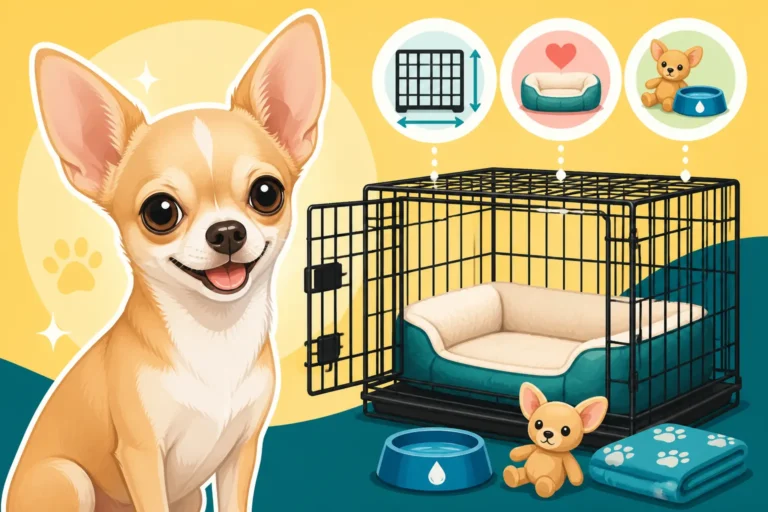
- Crates: While controversial to some, a crate, when introduced properly and made a comfortable den, can be an invaluable training tool for house training and creating a safe space. Just ensure it's sized appropriately—cozy, not cavernous.
Remember, every interaction is a training opportunity. Even simple things like asking your Chihuahua to sit before they get their meal or go out for a walk reinforces good habits and consistent expectations.
Transforming Common Chihuahua Challenges with Training
Chihuahuas, despite their small size, can present some very specific behavioral challenges that often stem from their unique needs and how people react to them. The good news is, nearly all of these can be effectively managed and transformed through consistent, positive training.
Addressing Excessive Barking
Oh, the barking! It's one of the most common complaints from Chihuahua owners. Whether it's the doorbell, a squirrel outside, another dog, or just a strange sound, Chihuahuas can be incredibly vocal. This often stems from their alert nature—they see themselves as tiny guardians—and sometimes from fear or anxiety. If you're wondering Chihuahua Barking and What Sets a Six Pound Dog Off, you're not alone. The key to managing barking is to understand its root cause and then teach an alternative, acceptable behavior.
Instead of scolding them for barking, which often just adds to their anxiety or teaches them to bark more for attention, you need to redirect them. If they bark at the window, teach them to "look" at you on command, then reward them. You can use visual barriers like window film or opaque curtains to reduce triggers. For doorbells, practice desensitization: have someone ring the bell, and before your Chihuahua barks, distract them with a treat or a toy. Over time, they'll associate the doorbell with something positive (the treat) and a desired action (looking at you), rather than frantic barking. Consistent practice and positive reinforcement can truly transform a persistent barker into a calmer, more controlled companion.
Mastering Potty Training
Potty training a Chihuahua can feel like an uphill battle, especially considering their tiny bladders. Many owners get frustrated and give up, resorting to puppy pads indefinitely. But with patience and consistency, your Chihuahua can absolutely be reliably house-trained. House Training a Chihuahua With a Tiny Bladder requires a clear schedule and plenty of opportunities to succeed.
The biggest mistake is inconsistency. Chihuahuas need frequent potty breaks, sometimes as often as every hour or two for puppies, and immediately after waking up, eating, or playing. Take them to the exact same spot outside every time, and reward them lavishly the moment they finish their business. Make a huge fuss! If you live in an area with extreme weather, or an apartment building, you might explore options like indoor potty areas or litter boxes as a bridge, but the goal should always be to encourage outdoor pottying when possible. Belly bands for male Chihuahuas can be helpful in managing marking behaviors indoors during the training process, providing a temporary solution while you reinforce outdoor habits. Cleaning up accidents thoroughly with an enzymatic cleaner is also crucial to eliminate residual odors that might encourage them to go in the same spot again.
Overcoming Resource Guarding and Fear Reactivity
Resource guarding, where a Chihuahua growls or snaps over food, toys, or even a cherished lap, is another common issue. For a small dog, the world can feel competitive, and they might develop guarding behaviors out of insecurity. This is not "cute sass"; it's a serious behavior that needs to be addressed. The goal is to teach them that good things happen when you approach their resources, rather than taking them away. For example, if your Chihuahua guards their food bowl, approach and gently drop a high-value treat into the bowl, then back away. They learn your approach means more good things, not threats.
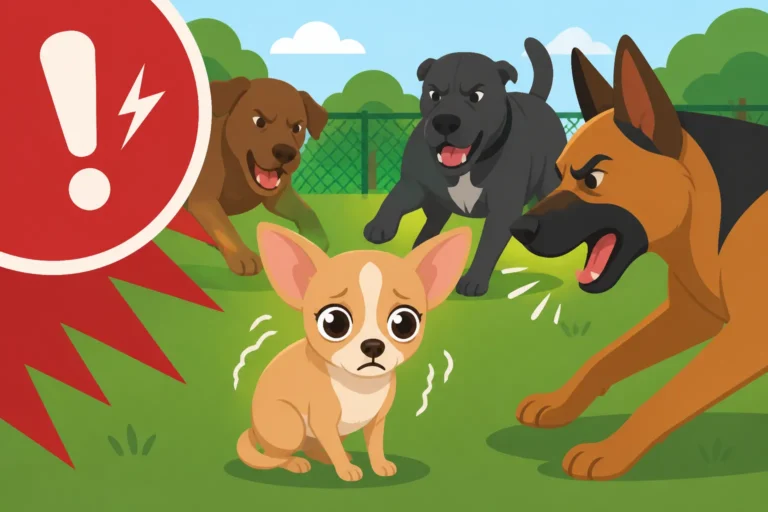
Fear reactivity, such as lunging or barking at other dogs or strangers, is often a Chihuahua's way of saying, "Stay away, I'm scared!" Rather than forcing them into situations that overwhelm them, you need to gradually desensitize them and change their emotional response. This means keeping them at a distance where they feel comfortable, then rewarding them for calmly observing the trigger. As they get more comfortable, you can slowly decrease the distance. This process, known as counter-conditioning, takes time and patience but is incredibly effective in building a more confident dog. If your Chihuahua is consistently reactive, a professional trainer can provide personalized guidance.
Ultimately, investing in your Chihuahua's obedience training isn't just about managing behaviors; it's about giving them the best possible life. It's about empowering them to be confident, well-adjusted, and happy companions, deepening the unique bond you share. So, next time someone suggests your little darling is "too small" for real training, you'll know exactly why they deserve it more than anyone.
Disclaimer
This article is for general informational purposes only and does not constitute professional advice. Laws, prices and regulations vary by location and change over time. Consult a qualified professional for guidance on your specific situation.