Introducing a Chihuahua to Bigger Dogs Safely
It's a common worry for Chihuahua owners, isn't it? You adore your tiny companion, but the world feels so big, and other dogs often feel even bigger. The thought of introducing your delicate little friend to a larger canine can be filled with anxiety, fearing they'll be overwhelmed, scared, or even injured. This guide is here to walk you through a thoughtful, step-by-step process to ensure those introductions are not just safe, but also positive and confidence-building for both your Chihuahua and their new, larger acquaintance.
Understanding the Chihuahua's Perspective on Big Dogs
Let's be real: from a Chihuahua's point of view, most other dogs are colossal. This isn't just about a size difference; it's about a fundamental difference in how they perceive and navigate the world. Their survival instincts are always on high alert, and a big, boisterous dog can easily trigger a defensive response. It's crucial to understand this inherent vulnerability, not to baby them, but to respect their natural instincts and guide them with empathy.
The Innate Vulnerability of a Tiny Dog
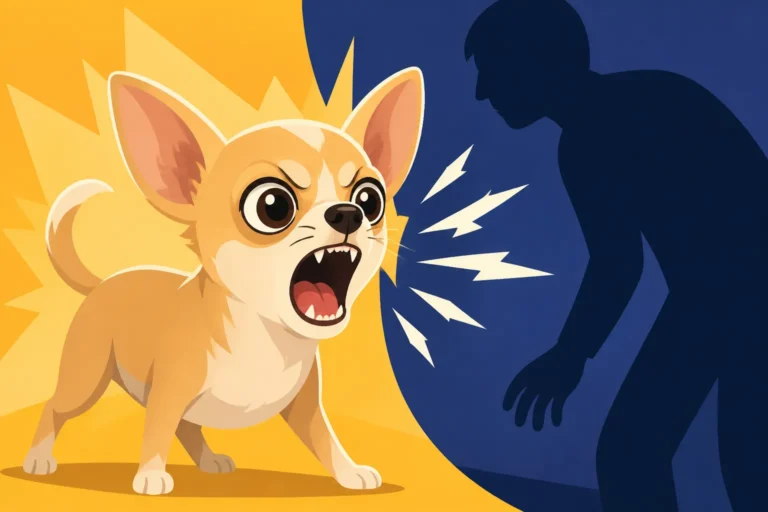
Imagine living in a world where everything is at least three times your size. Every sudden movement, every loud bark, every playful pounce from a larger dog can feel like a direct threat to a Chihuahua. They don't have the bulk to withstand a clumsy collision, nor the speed to outrun every perceived danger. This isn't "small dog syndrome" at play; it's a realistic assessment of their physical fragility. A simple bump that a Labrador would barely notice could cause significant injury to a Chihuahua. This means they often react with a "fight or flight" mechanism that manifests as barking, lunging, or trying to hide. They're trying to make themselves seem bigger or disappear, purely out of self-preservation. Recognizing this helps us approach introductions with the caution and structure they truly need. We can't expect them to act like a sturdy medium-sized dog; we have to meet them where they are.
Reading Your Chihuahua's Subtle Signals
Because they are so small and often feel vulnerable, Chihuahuas are masters of subtle communication. They don't always give big, obvious warnings like a larger dog might. A quick flick of an ear, a slight shift of weight, a tail tucked just a little tighter, or a momentary freeze can all be precursors to a bigger reaction. It's easy to miss these signs if you're not actively looking for them, and missing them can lead to an overwhelmed Chihuahua feeling the need to escalate their warnings – which might look like snapping or lunging to a human, but to your Chihuahua, it was the last resort. Being able to read these early signals is paramount to intervening before your dog gets too stressed. Pay attention to their eyes; Reading a Chihuahua's Whale Eye can tell you a lot about their anxiety levels. A Chihuahua that is truly comfortable will have a soft, relaxed gaze, a loose body, and a gently wagging tail. Any stiffness, lip licking, yawning (when not tired), or turning away can indicate discomfort.
Preparing for a Safe Introduction: Before They Meet
Successful introductions don't happen by just throwing two dogs together and hoping for the best. They require planning, preparation, and careful management of the environment and the dogs involved. This pre-meeting phase is where you build the foundation for a positive future relationship.
Desensitization and Counter-Conditioning Basics
Before your Chihuahua even meets a larger dog face-to-face, you can start building positive associations. This involves showing them that big dogs can predict good things. Start at a distance where your Chihuahua notices the bigger dog but isn't reacting negatively. This might be across a park or down the street. As soon as your Chihuahua sees the larger dog, offer them their absolute favorite, high-value treat – something they only get for this specific scenario. The goal is for them to eventually see a big dog and think, "Yay, treats!" rather than "Oh no, danger!" This process is called counter-conditioning. Gradually, as they show less reaction at a distance, you can decrease the space between them and a large dog, always ensuring they remain calm and happy before offering the treat. This isn't about rushing; it's about creating a positive emotional shift. For some Chihuahuas, particularly those with Chihuahua Fear Reactivity, the Breed's Real Problem, this might take weeks or even months, and that's perfectly okay. Patience is key.
Choosing the Right Gear and Environment
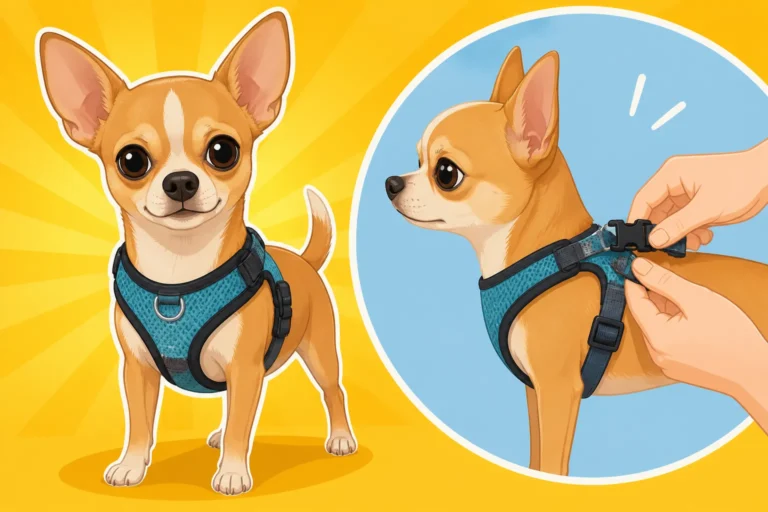
The right equipment makes a huge difference in managing safety and comfort. For your Chihuahua, a well-fitting harness is absolutely essential. Never use a collar that puts pressure on their delicate neck or trachea. A good harness, like many found on Amazon or specialized brands, distributes pressure across their chest and back, giving you secure control without risking injury. Make sure it's snug enough that they can't back out of it, but not so tight that it chafes. For the larger dog, a well-fitting harness or flat collar with a secure leash is also important. Both dogs should be on leashes, handled by calm, confident humans.
The environment for the first meeting should be neutral, quiet, and as stress-free as possible. Avoid dog parks, crowded streets, or anyone's home turf. A quiet park or an open field with plenty of space is ideal. You want enough room for both dogs to move freely and for your Chihuahua to feel like they have an escape route if needed. Consider the weather, too; a cold, rainy day or a scorching hot afternoon can add unnecessary stress. Harness Fitting on a Chihuahua Chest is a critical step before any outing.
The First Meeting: Controlled and Positive Encounters
This is the moment of truth, but with proper preparation, it doesn't have to be nerve-wracking. The key here is to keep things calm, controlled, and brief. We're aiming for positive associations, not intense play.
Neutral Territory and Parallel Walking
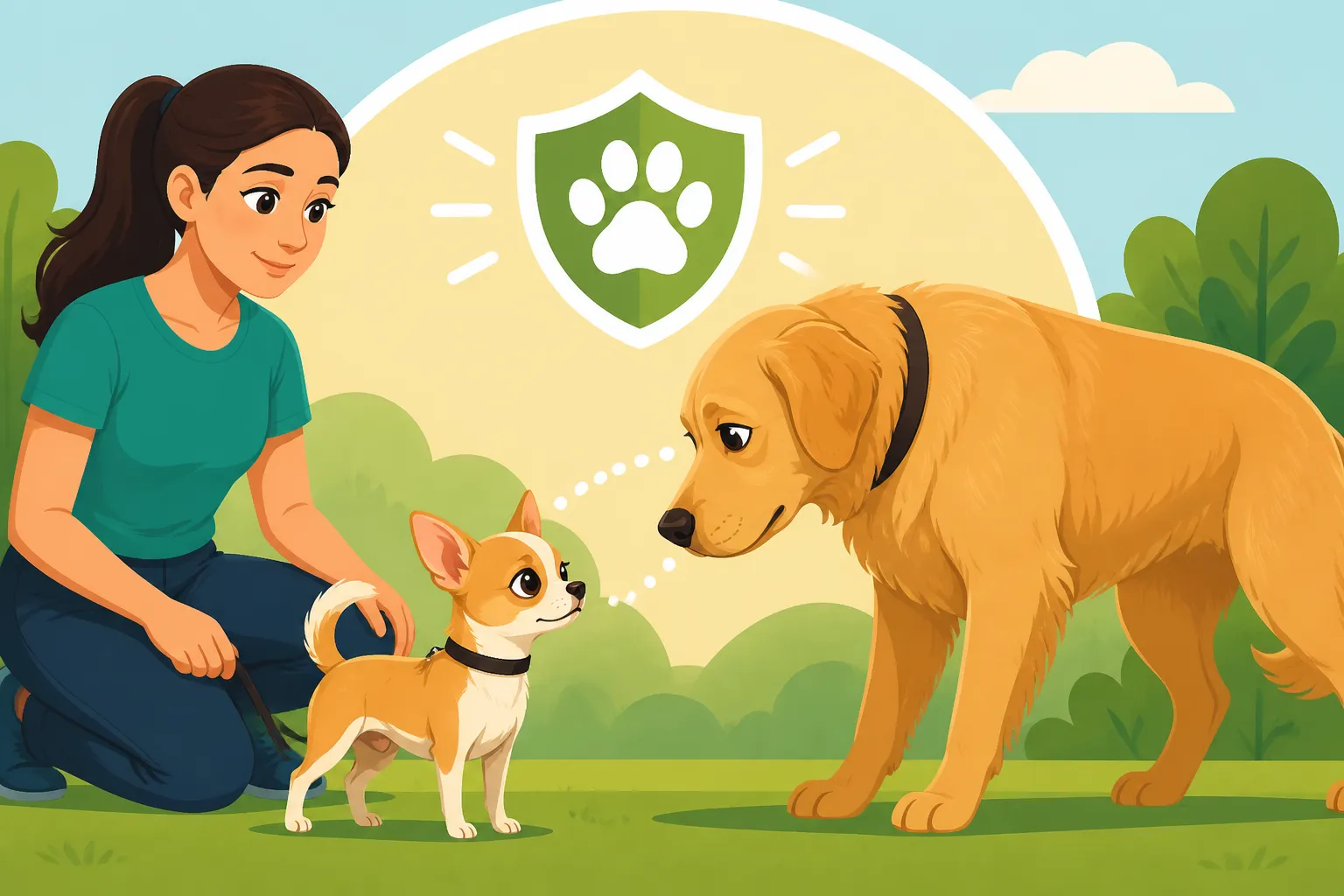
Once you've chosen your quiet, neutral spot, start with parallel walking. This means both handlers walk their dogs in the same direction, on parallel paths, far enough apart that neither dog is overtly reacting. The goal is for them to simply exist in the same space without feeling pressured to interact. Keep the leashes loose; a tight leash can communicate tension to your dog. As they remain calm, you can gradually reduce the distance between the two dogs, still maintaining parallel paths. This allows them to get used to each other's presence, scent, and general vibe without direct, face-to-face confrontation.
Talk in calm, reassuring tones to both dogs. Praise any moments of calm, offering small, pea-sized treats to your Chihuahua for ignoring the other dog or offering calm glances. If either dog shows signs of stress (stiffening, excessive sniffing, pulling on the leash, or your Chihuahua trying to dart away), gently increase the distance again. Remember, we're not rushing this. The best introductions are often boring ones, where nothing dramatic happens. This method is often recommended by trainers, including those who offer virtual training programs like BAXTER & Bella, as it builds confidence safely.
Short, Sweet, and Supervised Interactions
After successful parallel walking, you might consider a very brief, controlled sniff-and-greet. Keep both dogs on leash, and allow them to approach each other for a few seconds of sniffing. During this time, watch for those subtle body language cues. If all seems calm, you can offer a shared treat, perhaps by having both dogs lie down a few feet apart and giving them each a treat simultaneously, reinforcing the calm presence of the other dog.
The first few direct interactions should be very short – just a minute or two. End on a positive note, before either dog shows signs of stress or over-excitement. It's always better to end too early than too late. You want them to leave the interaction feeling good about it, eager for the next one. This might mean you do several short "sniff-and-greet" sessions over multiple days or even weeks before allowing any off-leash interaction, if you decide to go that route. Never force an interaction, and always ensure there's a clear path for your Chihuahua to retreat if they feel overwhelmed.
Building a Lasting Friendship: Ongoing Socialization
Once initial introductions go well, the work isn't over. Building a true friendship between a Chihuahua and a larger dog requires ongoing management, supervision, and understanding of their differing needs and play styles.
Managing Play Styles and Energy Levels
This is where things can get tricky. A Chihuahua's play style often involves quick darting, nipping, and chasing, while a larger dog might prefer wrestling, body-slamming, or heavy pounces. These styles can easily clash, leading to accidental injury or fright for your Chihuahua.
- Supervision is non-negotiable: Never leave a Chihuahua and a much larger dog unsupervised, even if they seem to get along. Accidents can happen in a split second.
- Designated safe zones: Ensure your Chihuahua has safe spaces where the larger dog cannot go – a crate, a baby-gated room, or a higher perch. This gives them a sense of security and a place to retreat when they feel overwhelmed.
- Size-appropriate playmates: Whenever possible, encourage play with dogs of similar size and temperament. Chihuahua Play With Dogs Its Own Size is often the safest and most enjoyable for them.
- Teach gentle play: You can actively teach the larger dog to be gentle. Reward them for calm behavior around your Chihuahua, or for lying down to play rather than standing over them. Use a calm voice and praise. If the large dog gets too boisterous, calmly separate them with a "break" command and redirect their energy.
- Intervene early: If you see either dog getting too rough, stressed, or possessive, step in immediately. This prevents negative experiences from escalating. This is also where knowing Chihuahua Body Language Before a Snap becomes incredibly valuable.
When to Seek Professional Guidance
Sometimes, despite your best efforts, the introduction doesn't go smoothly, or ongoing interactions are tense. This is not a failure on your part, but a sign that you might need specialized help. A professional dog trainer or behaviorist experienced with small dog dynamics can be an invaluable resource.
They can help you:
- Identify specific triggers: What exactly is making your Chihuahua or the larger dog uncomfortable?
- Develop a tailored plan: A behaviorist can create a customized training and management plan for your specific dogs and household.
- Teach advanced handling techniques: They can show you how to manage interactions more effectively and build confidence in both dogs.
- Address underlying issues: If either dog has significant fear, anxiety, or reactivity, a professional can help address these core problems.
Don't hesitate to reach out for help. A qualified professional can make all the difference in fostering a safe and harmonious multi-dog household. Look for trainers who use positive reinforcement methods and understand the unique needs of small breeds. This might involve an investment, but the peace of mind and safety it provides is priceless. Chihuahua Training and Behavior Help Costs can vary, but it's an investment in your dogs' well-being.
Common Pitfalls to Avoid When Integrating Sizes
It's easy to make mistakes when you're trying your best to protect your tiny friend. Recognizing these common pitfalls can help you steer clear of behaviors that might inadvertently worsen the situation or create new problems.
Over-Protection and Creating "Small Dog Syndrome"
It's natural to want to scoop up your Chihuahua the moment a larger dog approaches. But constantly picking them up, carrying them, or immediately separating them at every encounter can actually prevent them from learning how to navigate interactions on their own. This often leads to what people mistakenly call "small dog syndrome" – but it's not a genetic trait; it's a learned behavior. Your Chihuahua learns that big dogs are scary, and you are their only solution, leading to increased fear and reactivity. They never get the chance to build their own confidence in proximity to larger canines. Why Picking a Chihuahua Up Makes Fear Worse is a crucial concept to understand here.
Instead of immediate lifting, try to:
- Manage the environment: Control the situation so your Chihuahua never feels overwhelmed in the first place.
- Teach them to "check in": Encourage your Chihuahua to look to you when a larger dog approaches. Reward them for calm attention.
- Build confidence on the ground: Let them walk on their own four paws, exploring and encountering the world, with you as their reassuring presence, not their constant rescuer.
- Avoid carrying them into interactions: If you're going to introduce them, do it with them on the ground, on a leash, so they have agency.
Ignoring Warning Signs from Either Dog
One of the biggest mistakes is failing to recognize or dismissing early warning signs. This goes for both your Chihuahua and the larger dog. If your Chihuahua is showing signs of stress – trembling, panting, lip-licking, or trying to hide – but you push the interaction, you're eroding their trust and reinforcing their fear. Conversely, if the larger dog is stiff, staring intently, or showing signs of prey drive, ignoring those signals can put your Chihuahua in danger.
It's critical to be an advocate for your dogs.
- Respect the "no": If either dog is clearly uncomfortable, respect that. It's okay to end an interaction or keep them separated.
- Understand play vs. prey: Be hyper-aware of the larger dog's intentions. Is it playful curiosity, or does it have a predatory edge? Look for stiff body language, fixed stares, or a "stalking" posture.
- Don't force friendship: Not every dog will be best friends, and that's perfectly fine. Sometimes, the best solution is polite coexistence, not forced play.
By carefully observing and responding to both dogs' body language, you create a safer, more predictable, and ultimately more positive environment for everyone. Sometimes, a subtle signal from your Chihuahua that suggests A Chihuahua That Cries Out and Then Walks On can indicate underlying pain or discomfort, which might manifest as reactivity towards other dogs. Always consider their physical well-being.
Key Considerations for Multi-Dog Households
Bringing a Chihuahua into a home with larger dogs, or vice-versa, isn't just about the initial greeting. It's about structuring their daily lives to ensure safety, fairness, and comfort for all. These considerations help prevent problems before they even start.
Separate Feeding and Resting Areas
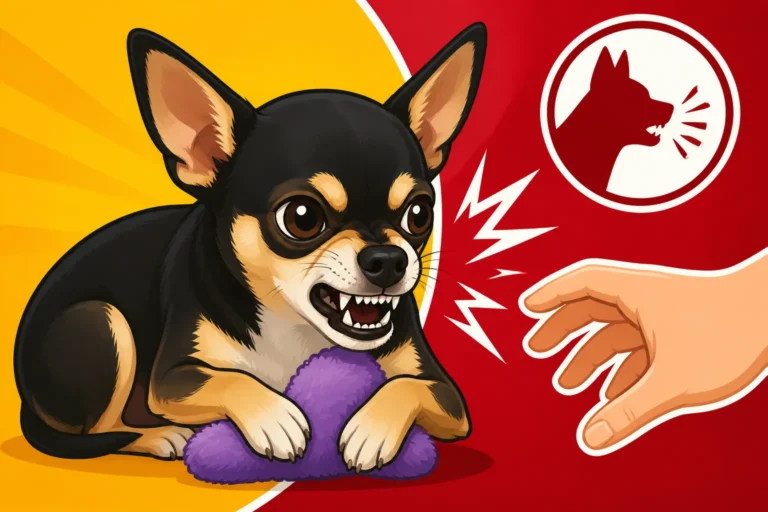
Food is a high-value resource, and even the most laid-back dogs can become possessive when it comes to their meals. Due to their size difference, a larger dog could easily intimidate or accidentally injure a Chihuahua during feeding time.
- Designate separate feeding stations: Feed your Chihuahua in a crate, a separate room, or on an elevated surface where the larger dog cannot reach. This ensures your Chihuahua can eat peacefully without competition or fear.
- Supervise treats and chews: High-value treats and chews should also be given in separate areas. A larger dog might not intentionally harm your Chihuahua, but a sudden lunge for a dropped treat could cause injury.
- Individual beds and resting spots: Provide your Chihuahua with their own cozy bed, ideally in a quiet corner or a raised dog bed. This gives them a safe retreat where they won't be disturbed by larger, more boisterous housemates. Many Chihuahuas love to burrow, so a bed with high sides or a soft cave-like design is perfect. You can find many options for comfortable, size-appropriate beds on platforms like Amazon.
This separation prevents resource guarding issues from developing and ensures everyone feels secure and comfortable in their own space. It also helps manage their tiny calorie intake, as Daily Calories for a Three to Seven Pound Chihuahua can be easily overshot if they're stealing kibble from a big dog's bowl.
Creating Safe Spaces and Elevated Perches
Because Chihuahuas are so small, they often feel safer when they can observe the world from a height. Providing elevated perches gives them a sense of security and a break from being at "ankle level" all the time.
- Dog-friendly furniture: If your Chihuahua is allowed on the sofa or bed, ensure they have easy, safe access. Ramps or steps can help them get up and down without straining their delicate joints, especially important for preventing issues like Patellar Luxation, the Chihuahua's Commonest Joint Problem.
- Crates as dens: A properly introduced crate can be a wonderful, safe den for your Chihuahua. It's a place where they can go to feel secure and undisturbed by larger dogs. Make it comfortable with soft bedding and cover it partially to create a cozy, den-like atmosphere.
- Baby gates: Use baby gates to create physical barriers. This allows you to separate dogs when you can't supervise closely, or to give your Chihuahua a quiet room away from the hustle and bustle of larger dogs.
These safe spaces are crucial for managing stress and giving your Chihuahua a sense of control over their environment, which in turn reduces the likelihood of fear-based behaviors.
The Importance of Consistent Training for Both Dogs
Training isn't just for puppies; it's an ongoing process that benefits all dogs, especially in a multi-dog household with different sizes. Consistent training builds clear communication and trust between you and your dogs.
- Reliable recall: Teaching both dogs a strong "come" command is vital for safety, allowing you to quickly call them away from potentially problematic situations.
- "Leave it" and "drop it": These commands are invaluable for preventing conflicts over toys or food, or for getting a large dog to release an item your Chihuahua might be curious about.
- "Place" or "stay": Teaching dogs to go to a designated "place" and stay there calmly can help manage greetings at the door or keep them settled during meal times.
- Positive reinforcement: Always use positive, reward-based training methods. This builds a positive relationship and makes training enjoyable for your dogs. Reputable online training programs, like those offered by BAXTER & Bella, emphasize these gentle and effective techniques.
- Individual training time: Spend one-on-one quality time training each dog. This strengthens your bond with each of them and ensures they get individual attention. Training a Chihuahua Exactly Like a Big Dog is important; don't underestimate their capacity to learn complex commands.
Consistent training creates a predictable environment, reduces stress, and empowers you to manage interactions effectively, fostering a peaceful coexistence between dogs of all sizes.
Disclaimer
This article is for general informational purposes only and does not constitute professional advice. Laws, prices and regulations vary by location and change over time. Consult a qualified professional for guidance on your specific situation.