Chihuahua Contracts That Bar Teacup Breeding
It’s incredibly exciting to bring a new Chihuahua puppy home, and it’s natural to dream of a tiny companion that fits perfectly in your lap and travels easily. However, the term "teacup Chihuahua" often conjures images of dogs bred for extreme smallness, which unfortunately carries significant health risks. This guide will walk you through why reputable breeders include specific clauses in their contracts to prevent the unethical breeding of these dangerously undersized dogs, ensuring you understand the true commitment to a Chihuahua's well-being.
The Allure and Dangers of "Teacup" Chihuahuas
There’s a powerful appeal to anything miniature, and "teacup" dogs have certainly captured the public imagination. People often seek out these tiny Chihuahuas, sometimes believing they are a special, rarer variety of the breed. However, this pursuit can inadvertently fuel practices that are detrimental to the dogs themselves. Understanding why reputable breeders push back against this trend is crucial for any prospective Chihuahua owner.
Why "Teacup" Isn't a Recognized Term
First and foremost, it’s vital to understand that "teacup" is not an official breed size, nor is it recognized by major kennel clubs like the American Kennel Club (AKC). It's a marketing term, plain and simple, used by some breeders or sellers to describe Chihuahuas that are significantly smaller than the standard. While the Chihuahua breed itself is known for being small, with the AKC standard specifying weights under six pounds, the "teacup" label often refers to dogs weighing as little as two or three pounds, or even less. This deliberate breeding for extreme smallness often comes at a steep price in terms of health.
When breeders intentionally aim for these minuscule sizes, they frequently choose the smallest, weakest runts of a litter to breed from, or resort to unsafe breeding practices. The offspring of such pairings are prone to a host of severe health issues. These tiny puppies are far more susceptible to Chihuahua Hypoglycemia and the Puppy Emergency, a dangerous drop in blood sugar that can quickly become life-threatening. Their bones are incredibly fragile, making them prone to fractures from even minor falls, and they can suffer from delicate organ systems that are not fully developed or are prone to failure. Potential owners, dazzled by the idea of an impossibly small dog, might not realize the extensive veterinary care and heartbreak that often come with such a choice.
The AKC Standard and Healthy Weights
In stark contrast to the "teacup" phenomenon, responsible breeders adhere strictly to the breed standard set by organizations like the AKC. For Chihuahuas, this standard stipulates a weight of "under six pounds." This isn't just an arbitrary number; it represents a healthy, robust weight range for the breed, allowing for proper development, good bone structure, and adequate organ size. Breeders striving for the standard prioritize health, temperament, and conformity to the breed's ideal characteristics.
A healthy Chihuahua, even one on the smaller side of the spectrum, should be well-proportioned and sturdy, not delicate or sickly. Their genetic background is carefully considered, with parents screened for common ailments like Patellar Luxation, the Chihuahua's Commonest Joint Problem and heart conditions. Reputable breeders understand that healthy genetics are the foundation of a long, happy life for a Chihuahua, which can often extend past sixteen years. They invest in health testing, proper nutrition, and meticulous care for their breeding dogs and puppies. They aim to produce dogs that thrive, not merely survive, and they are transparent about their dogs' lineage and health clearances. You can often find detailed information about The Health Tests a Chihuahua Breeder Should Run on their websites or by asking directly.
The Role of Responsible Breeders in Protecting the Breed
Responsible breeders aren't just selling puppies; they are guardians of the breed. Their ultimate goal is to improve the health, temperament, and conformation of Chihuahuas for future generations. This deep commitment extends beyond the initial sale and is why their contracts are so thorough, often containing clauses that might seem restrictive at first glance. These aren't about control; they're about protection.
Protecting the Dog's Health and Future
A breeder's contract is a legally binding agreement designed to protect the welfare of the Chihuahua for its entire life. For a responsible breeder, the biggest concern with "teacup" breeding is the severe health repercussions for the dogs involved. Breeding for extreme smallness can lead to chronic health issues, constant veterinary bills, and a shortened, often painful, lifespan for the affected dog. A contract is their way of ensuring that the puppy they place in your home will not be intentionally bred in a way that compromises its health or perpetuates genetic weaknesses.
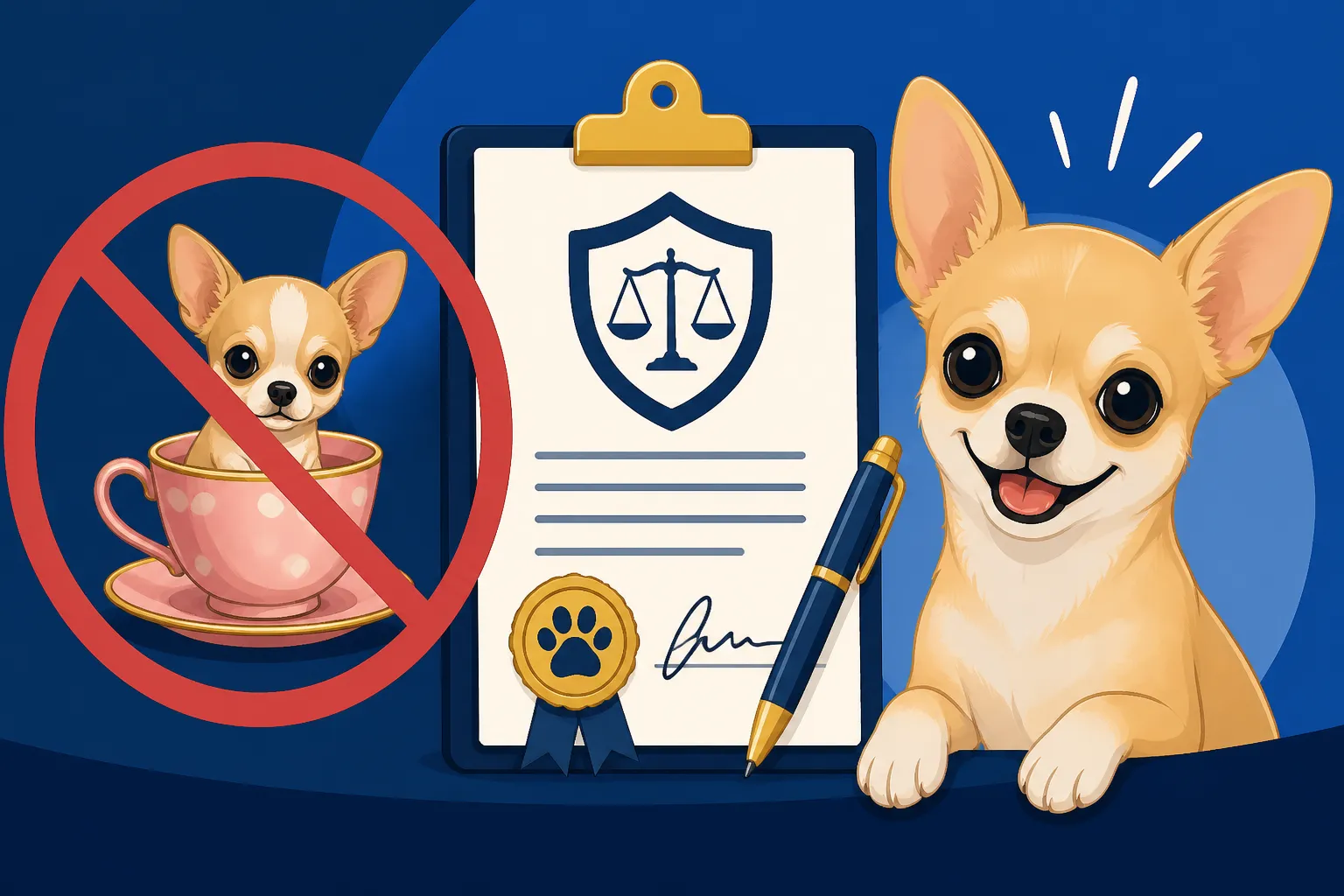
These contracts often include explicit clauses regarding the dog's eventual size and its suitability for breeding. For instance, a contract might state that if a Chihuahua matures to an exceptionally small size – perhaps under three or four pounds – it should not be bred, even if it was initially purchased with breeding rights. This is because tiny females face immense challenges during pregnancy and birth, often requiring expensive C-sections, and their small puppies are at a higher risk of being born with complications or dying. Furthermore, the contract typically stipulates that the dog should not be marketed or sold as a "teacup" Chihuahua, thereby discouraging the very practice that causes so much harm. This commitment showcases the breeder's dedication to the long-term well-being of their dogs, preventing them from becoming part of a potentially exploitative market.
Addressing Ethical Breeding Practices
Beyond the individual dog's health, these contracts are a crucial tool for upholding ethical breeding standards across the wider Chihuahua community. By including clauses that prohibit "teacup" breeding, reputable breeders are actively working to counteract the demand for unhealthy, undersized dogs. They want to ensure that their carefully selected bloodlines are not used to produce dogs with inherent health weaknesses or to contribute to the backyard breeding industry where profit often takes precedence over welfare.
This commitment extends to discouraging irresponsible breeding in general. Many contracts require pet-quality puppies to be spayed or neutered by a certain age, preventing accidental litters or intentional breeding by inexperienced individuals. This ensures that only dogs that meet the highest health and conformation standards, and whose owners are knowledgeable and responsible, contribute to the breed's future. When you acquire a Chihuahua from such a breeder, you're not just buying a pet; you're becoming a partner in the ethical preservation of the breed. This is why it's so important to ask Questions Worth Asking a Chihuahua Breeder before committing.
Common Clauses Related to Breeding and Size
When you review a contract from a reputable Chihuahua breeder, you'll find several specific clauses directly related to breeding, size, and the general welfare of your new family member. These aren't there to confuse you; they're thoughtfully included to protect the dog, the breed, and sometimes, even you as the owner from potential liabilities.
Spay/Neuter Agreements and Timelines
One of the most common and important clauses you'll encounter is the mandatory spay/neuter agreement for companion or "pet-quality" Chihuahuas. If you’re not purchasing a dog specifically for a show or breeding program, your contract will almost certainly require you to have your Chihuahua spayed (for females) or neutered (for males) by a certain age, typically between 6 months and 1 year. The breeder will often ask for veterinary proof that the procedure has been completed. This is not about control; it's about responsible pet ownership and population control.
Spaying or neutering prevents unwanted litters, reducing the number of dogs in shelters. It also offers significant health benefits for your Chihuahua, such as reducing the risk of certain cancers and infections. For example, spaying eliminates the risk of uterine infections (pyometra) and greatly reduces the chance of mammary tumors, while neutering can prevent testicular cancer and some prostate issues. The timing is often carefully chosen; for Chihuahuas, there's a specific window that balances growth and health benefits, often discussed in relation to Spay Timing for a Chihuahua Under Six Pounds. This clause ensures that your beloved pet lives a long, healthy life without the risks and responsibilities of breeding, and prevents them from accidentally contributing to the "teacup" market.
Weight and Size Restrictions for Breeding
This is where contracts directly address the "teacup" issue. Many contracts from ethical breeders will explicitly state that if a Chihuahua matures to an extremely small size—for example, under three or four pounds—it should not be bred. Even if the dog was originally sold with "full registration" or "breeding rights," this clause serves as a critical safeguard. The reason is purely for the dog's safety and the health of potential puppies.
A female Chihuahua weighing only a couple of pounds faces immense danger during pregnancy and labor. Her tiny body may not be able to carry puppies to full term, and natural birth is often impossible, necessitating an expensive and risky C-section. Furthermore, puppies from such small mothers are often runts themselves, inheriting the same fragility and health problems that led to the "teacup" label. These clauses might also forbid advertising or selling any offspring as "teacup" Chihuahuas, aiming to actively dismantle the demand for these at-risk animals. Breeders use these stipulations to educate buyers about The Health Risk Behind a Two Pound Chihuahua and reinforce the breed standard where healthy weight is key, remembering that The Six Pound Limit in the Chihuahua Standard exists for good reason.
Consequences of Breach of Contract
Breaching a contract, especially one related to breeding or the welfare of the animal, is a serious matter. Breeders put a lot of time, effort, and care into their bloodlines and puppy placements, and they rely on these agreements to ensure their dogs live appropriate lives. The specific consequences for breaching a contract will vary, but they can be significant.
Common consequences might include financial penalties, where the buyer is required to pay a substantial fine to the breeder. In more severe cases, particularly if the dog's welfare is at risk or if it's being used for unethical breeding, the contract might stipulate that the dog must be returned to the breeder, often without a refund. While actual repossession can be legally complex and may require court intervention, the threat alone highlights the seriousness of the agreement. Some breeders might also pursue legal action to enforce the terms. It's crucial for buyers to treat these contracts with the respect they deserve and to understand that they are legally binding documents designed to protect all parties, especially the vulnerable Chihuahua. It's a reminder that choosing a pet is a long-term commitment, and understanding all facets of care, from health to the contract, is paramount.
Why Reputable Breeders Prioritize Health Over Extreme Size
The fascination with the smallest possible Chihuahua often overlooks a fundamental truth: extreme smallness is rarely a sign of health. Reputable breeders know this implicitly, and their practices, including their contracts, are meticulously designed to ensure the vitality and longevity of the breed, not just its cute factor. They understand the profound difference between a small, healthy Chihuahua and a fragile, undersized one.
The Genetic Implications of Breeding for Size
When a breeder consistently selects the smallest individuals from a litter to breed, they are inadvertently—or sometimes intentionally—concentrating genes that contribute to reduced size. While this might seem like a straightforward way to produce "teacup" dogs, it often comes hand-in-hand with concentrating genes for other undesirable traits: weaker immune systems, delicate bone structures, underdeveloped organs, and increased susceptibility to common health problems. For instance, tiny Chihuahuas are more prone to issues like hydrocephalus, liver shunts, and severe dental overcrowding, which can lead to rampant Chihuahua Dental Disease in a Crowded Small Jaw early in life. These aren't just minor inconveniences; they are serious, life-threatening conditions that necessitate costly veterinary interventions and ongoing care.
A truly ethical breeder focuses on a holistic view of health. They consider the entire pedigree, looking for robust health clearances, sound temperaments, and dogs that conform to the breed standard in every way, not just size. They understand that while a Chihuahua is meant to be small, there's a critical point where "too small" becomes genuinely detrimental. Their goal is to produce dogs that embody the best of the Chihuahua breed – alert, intelligent, and healthy – capable of living a full life, rather than those prone to a lifetime of medical issues. They know that trying to figure out How Breeders Produce Undersized Chihuahuas is often a path that compromises welfare.
The Long-Term Well-being of the Chihuahua
For a reputable breeder, the long-term well-being of every single Chihuahua they bring into the world is paramount. This commitment isn't just about the puppy's first few months; it's about the entire Chihuahua Lifespan and Why the Breed Reaches Sixteen years or more. They understand that placing a dangerously undersized puppy in a home means setting both the dog and the new owner up for potential heartache and financial strain. These tiny dogs often require specialized diets, frequent vet visits, and constant vigilance to prevent injury or illness. Products from brands like Ollie, which offers custom portioned fresh food, or Chewy, which provides a wide range of specialized small breed diets and harnesses, can help manage the daily needs of a Chihuahua, but they cannot undo genetic predispositions to illness.
By barring "teacup" breeding in their contracts, breeders are essentially making a statement: they refuse to contribute to a market that values novelty over health. They want their puppies to be cherished family members, not fragile novelties. This approach means that while their puppies might not be the absolute smallest on the market, they are far more likely to be robust, adaptable, and enjoy a higher quality of life. This emphasis on long-term health is also why many encourage pet insurance from companies like Healthy Paws to help mitigate unexpected veterinary costs, particularly for a breed prone to specific health challenges.
Navigating Your Contract and Finding the Right Breeder
Bringing a Chihuahua into your life should be a joyous and well-informed decision. Understanding the breeder's contract and choosing a reputable source are two of the most critical steps you can take to ensure you bring home a healthy, well-adjusted companion. Don't let excitement overshadow due diligence.
Reading and Understanding Every Clause
When a breeder presents you with a contract, resist the urge to skim. Take your time. Read every single clause carefully, especially those pertaining to health guarantees, breeding restrictions, return policies, and spay/neuter requirements. If you encounter any language you don't understand, or if a clause seems vague or overly restrictive, ask for clarification. A reputable breeder will be happy to explain their contract in detail and address any concerns you have. They want you to be fully informed and comfortable with the agreement.
Don't be afraid to take the contract home to review it without pressure. If you're still unsure, consider having a trusted friend or even a legal professional look it over, especially if it's a significant financial commitment. This is a legally binding document, and understanding your responsibilities and rights is paramount. It’s a good sign when a breeder provides a comprehensive, clear contract, as it indicates professionalism and a commitment to protecting their dogs and their reputation. Such a document is a cornerstone of responsible dog ownership, covering everything from the puppy's initial health to its future care.
The Mark of a Reputable Breeder
A comprehensive contract, particularly one that includes clauses against "teacup" breeding and promotes responsible ownership, is a strong indicator of a reputable breeder. But it's not the only sign. When seeking a Chihuahua, look for breeders who:
- Prioritize Health Testing: They should be transparent about the health screenings performed on their breeding dogs, including for conditions like patellar luxation, heart disease, and eye problems. They can provide documentation for these tests.
- Offer Transparency and Support: They should welcome your questions, allow you to meet the puppy's parents (if possible), and show you where the puppies are raised. They should also offer lifelong support for their puppies, being a resource for questions and advice even after you take your dog home.
- Focus on Temperament: They should breed for good temperament, socializing their puppies from an early age to ensure they are well-adjusted. They should also be able to tell you about the typical Chihuahua Temperament and What the Standard Asks For.
- Are Knowledgeable About the Breed: They should be experts on Chihuahuas, understanding the breed's history, health concerns, and specific needs. They can guide you on everything from proper nutrition (perhaps even recommending brands available on Chewy or Ollie) to suitable exercise routines for such a small dog.
- Do Not Market "Teacups": They will never use the term "teacup" to describe their puppies, instead focusing on the healthy weight range (under 6 pounds) as specified by the AKC standard.
Remember, a responsible breeder isn't just selling a puppy; they're looking for the best possible homes for their dogs. Their careful screening process, combined with a detailed contract, is designed to ensure a happy, healthy life for your Chihuahua.
Common Chihuahua Contract Clauses & Their Purpose
| Clause Type | Description | Purpose |
|---|---|---|
| Spay/Neuter Agreement | Requires buyer to spay/neuter pet-quality Chihuahua by a specific age (e.g., 6-12 months), with vet proof. | Prevents unwanted litters, accidental breeding, and contributes to canine population control. Offers health benefits to the dog by reducing risks of certain cancers and infections. |
| Health Guarantee | Breeder guarantees the puppy's health for a specified period against genetic defects. | Protects the buyer from inheriting serious health conditions and ensures the breeder is accountable for the health of their lines. Often includes clauses for veterinary checks shortly after purchase. |
| Return Policy | Outlines conditions under which the dog can be returned to the breeder (e.g., if owner can no longer care for it). | Provides a safety net for the dog throughout its life, ensuring it doesn't end up in a shelter if the owner's circumstances change. The breeder takes responsibility for their dogs for life. |
| No "Teacup" Breeding | Explicitly prohibits breeding if the dog matures to an extremely small, unhealthy weight (e.g., under 3-4 lbs). | Protects the individual dog from the severe health risks associated with pregnancy and birth at an undersized weight. Prevents the perpetuation of unhealthy "teacup" lines and discourages the unethical marketing of dangerously small dogs. |
| Non-Breeding Clause | For pet-quality dogs, prohibits any breeding, regardless of size. | Maintains the integrity of the breed lines and ensures that only dogs meeting strict health and conformation standards are used for breeding. Prevents backyard breeding by inexperienced individuals. |
| Care & Environment | May include requirements for adequate nutrition, veterinary care, and a safe living environment. | Ensures the buyer is committed to providing a high standard of care for the Chihuahua. Reinforces the breeder's dedication to the dog's ongoing welfare. |
| No Resale/Rehoming | Requires owner to contact breeder if they can no longer keep the dog, rather than selling or rehoming independently. | Guarantees the breeder has oversight of the dog's placement throughout its life, preventing it from ending up in unsuitable homes or shelters. This is common for many breeders committed to their puppies. |
Disclaimer
The information provided in this guide is for general educational purposes only and should not be considered a substitute for professional veterinary advice. Always consult with a qualified veterinarian for any health concerns or before making any decisions about your pet's health or care.