Why a Six Pound Limit Sets Show Chihuahua Prices
It’s a common scenario: you’re looking at Chihuahua puppies, and the prices seem to swing wildly, especially when a breeder mentions "show quality" or talks about specific weights. It can be incredibly confusing to understand why one tiny puppy costs significantly more than another, even from the same litter. The truth is, a major factor dictating the price of a show-line Chihuahua, and even influencing pet prices, is the breed's strict weight standard. This guide will walk you through exactly how that crucial six-pound limit, set by breed clubs like the American Kennel Club (AKC), fundamentally shapes the world of Chihuahua breeding and, consequently, their cost.
The Foundations of the Chihuahua Breed Standard
When we talk about "show Chihuahuas," we're not just talking about any small dog. We're referring to dogs meticulously bred to conform to a specific set of physical characteristics and temperament traits outlined in the official breed standard. This standard acts as a blueprint, guiding breeders and judges alike, and every detail, from ear set to tail carriage, contributes to a Chihuahua's potential in the show ring. Among these details, the weight limit stands as one of the most defining and impactful.
Decoding the Six-Pound Weight Requirement
The American Kennel Club (AKC) breed standard for Chihuahuas clearly states that "a dog weighing over 6 pounds is disqualified." This isn't just a suggestion; it's a hard rule that immediately removes a dog from consideration in conformation events. This stringent weight ceiling is in place because it represents the ideal size for the breed, balancing their delicate nature with the robust, compact build that is characteristic of a well-bred Chihuahua. Breeders striving for show quality must produce puppies that mature to be agile and sturdy, yet still fall within this very narrow weight range.
This six-pound limit isn't arbitrary. Historically, Chihuahuas were valued for their small size, making them companions that could be easily carried and travel with their owners. The standard reflects this historical and functional aspect, aiming to preserve the breed's quintessential toy dog characteristics. Achieving this consistently requires extensive knowledge of genetics and careful pairing of parent dogs, as even a small deviation in adult weight can mean the difference between a champion and a pet. This precision in breeding naturally adds to the cost of a show-potential puppy.
The challenge intensifies when you consider that a Chihuahua puppy’s adult weight isn’t always predictable. A breeder might estimate adult size based on parentage and early growth, but there’s no absolute guarantee. This inherent uncertainty means that producing a litter with multiple puppies confidently expected to stay under six pounds is a significant achievement, reflecting years of careful lineage tracking and selective breeding, all of which contribute to the higher price tag associated with these lines.
Beyond Weight: Conformation Essentials for Show Chihuahuas
While the six-pound limit is paramount, a show Chihuahua's value is also determined by a host of other conformation essentials. Judges scrutinize every aspect of a dog's appearance against the detailed breed standard. For example, the head should be a distinctly rounded "apple dome," a signature trait of the breed, as described in The Rounded Skull of an Apple Head Chihuahua. The eyes should be full, round, and dark, but not protruding. Their large, erect ears should be set high, giving them an alert and expressive look, which ties into The Chihuahua Ear Carriage Judges Look For.
Beyond the head, the body structure is equally critical. A show-quality Chihuahua should have a compact body, level topline, and a sickle-shaped tail carried high over the back. The movement should be quick, graceful, and free, reflecting sound structure and good health. Each of these traits, when perfectly aligned with the standard, contributes to the overall aesthetic and functional integrity of the dog. Breeders invest considerable time, effort, and resources into understanding these nuances and selecting breeding pairs that are most likely to pass on these desirable characteristics.
Achieving this combination of correct weight and perfect conformation is incredibly difficult. It’s not enough for a dog to just be small; it must be a perfectly formed small dog. Any deviation from the standard—a slightly flat skull, ears that are too low, or an incorrect gait—can prevent a dog from succeeding in the show ring, regardless of its weight. This pursuit of perfection drives up the costs, as breeders must be exceptionally discerning and patient, sometimes waiting through multiple generations to achieve their goals.
The Intricacies of Breeding for Conformation
Breeding Chihuahuas to meet the AKC standard, especially the strict weight limit, is far from a simple task. It requires an in-depth understanding of genetics, significant financial investment, and a profound commitment to the health and well-being of the dogs. This intricate process directly impacts the supply of true show-quality Chihuahuas and, consequently, their market value.
Navigating the Challenges of Breeding Within the Standard
Successfully breeding Chihuahuas that consistently mature under six pounds is a monumental challenge. It means carefully selecting parent dogs whose lineage demonstrates a history of producing appropriately sized offspring, while also possessing excellent conformation and temperament. This isn't just about picking two small Chihuahuas; it's about understanding complex genetic probabilities. Sometimes, even two perfectly standard-sized Chihuahuas can produce puppies that grow larger than six pounds, or conversely, be too tiny and fragile to be truly healthy.
Breeders must also be vigilant about the overall health of their breeding stock. Breeding for extreme smallness can sometimes inadvertently lead to or exacerbate health issues common in toy breeds. Responsible breeders prioritize robust health over minimal size, aiming for dogs that are small but sturdy. This careful balance requires constant monitoring of puppies as they grow, ensuring they thrive and develop correctly. It's a fine line to walk, making the successful production of a show-potential puppy a testament to a breeder's expertise and dedication.
The dedication extends to the breeding females, who, due to their tiny size, often face challenges during pregnancy and whelping. Litters are typically very small, often just one or two puppies, and C-sections are common. This reduces the number of puppies available and increases the associated veterinary costs, all of which are factored into the price of a puppy from a reputable show breeder. The sheer effort involved in safely bringing a litter into the world and raising them contributes significantly to the overall investment a breeder makes.
The Critical Role of Health Clearances and Proven Pedigrees
A non-negotiable aspect of responsible breeding, especially for show lines, is comprehensive health testing and the maintenance of proven pedigrees. Reputable breeders invest heavily in health clearances for their breeding dogs to screen for genetic conditions common in Chihuahuas. This includes evaluations for patellar luxation, a condition where the kneecap slips out of place, often leading to a Chihuahua Patella Certification Before Breeding being sought. They also typically screen for heart conditions, such as mitral valve disease, which can become prevalent as a Chihuahua Heart Disease as the Breed Ages.
These health tests are not cheap, and they are performed on both parents before any breeding takes place. They are a crucial step in trying to ensure that genetic predispositions to illness are not passed down to future generations. For a detailed look at the necessary screenings, you can refer to The Health Tests a Chihuahua Breeder Should Run. When you see a higher price for a show-line puppy, a portion of that cost goes directly towards this proactive health management, providing a greater likelihood that your future companion will enjoy a long, healthy life.
Beyond health, a proven pedigree offers documented lineage, tracing a dog's ancestry back through generations of champions and dogs that consistently met the breed standard. This provides confidence in a puppy's genetic heritage, offering an indication of its potential to conform to type and size. The rigorous selection process, coupled with documented health and lineage, elevates a breeder's reputation and justifies the premium prices. It's not just about buying a puppy; it's about buying into a legacy of careful and ethical breeding practices.
How Conformation Standards Shape Chihuahua Pricing
The journey from a meticulously planned breeding to a show-quality puppy is long and expensive for the breeder. This investment of time, expertise, and money inevitably translates into the pricing structure for Chihuahuas, creating clear distinctions between puppies destined for the show ring, those sold as high-quality pets, and those from less reputable sources.
The Premium for Show-Quality Potential
When a breeder evaluates a litter, they're looking for puppies that not only meet the weight standard but also embody all the other physical and temperament traits required for success in conformation shows. These puppies, identified early as having "show potential," command the highest prices. Their value isn't just in their small size, but in the near-perfect alignment with every aspect of the breed standard – from their apple dome head to their confident gait. This potential means they could go on to win titles, further enhancing the reputation of the breeder's kennel and the value of their bloodlines.
The "show potential" label means the breeder has assessed the puppy's structure, movement, temperament, and likely adult size, believing it has a strong chance of excelling in competition. This assessment requires years of experience and a keen eye for breed type. Buyers interested in showing often pay a significant premium for these puppies, sometimes thousands more than a pet-quality sibling, reflecting the breeder's specialized knowledge and the rarity of truly exceptional specimens. You can get a sense of the general range for well-bred puppies in Chihuahua Puppy Prices From $800 to $3,500.
It's important to understand that even a "show potential" puppy isn't a guaranteed champion. Dogs grow and develop, and unforeseen factors can arise. However, the premium reflects the likelihood of success based on genetics and early development. For those not looking to show, a pet-quality puppy from a show line still offers the benefits of thoughtful breeding, including predictable size (within the standard), good health, and a stable temperament, making them well worth the investment even if they don't carry the "show potential" price tag.
The Distinctions Between Show-Quality, Pet-Quality, and "Teacup" Pricing
The pricing of Chihuahuas can be broadly categorized, each reflecting different breeding goals and associated costs.
-
Show-Quality Chihuahuas: As discussed, these are the puppies identified as having the strongest potential to excel in conformation events. They meet the six-pound weight standard and possess superior conformation. Their prices are at the top end of the spectrum, reflecting the intense effort and resources invested in producing them. A buyer of a show-quality Chihuahua usually receives full AKC registration and guidance from the breeder.
-
Pet-Quality Chihuahuas: These puppies come from the same responsible breeders as show-quality dogs but might have a minor flaw that disqualifies them from the show ring (e.g., a slightly larger adult weight, a missing tooth, or ears that don't stand perfectly). Crucially, these flaws do not impact their health or their ability to be wonderful companions. They are often sold with limited AKC registration, meaning they cannot be bred, and their prices are lower than show-quality siblings but still reflect the breeder's health clearances and care.
-
"Teacup" Chihuahuas: This term is perhaps the most problematic and often associated with irresponsible breeding practices. "Teacup" is not an official breed size recognized by any major kennel club, including the AKC. It usually refers to Chihuahuas bred to be exceptionally small, often weighing significantly less than the six-pound standard. These dogs are typically priced very high, playing on the demand for tiny pets. However, the pursuit of extreme smallness often comes at a severe cost to the dog's health. You might find more details on why this is a concern in Whether a Teacup Chihuahua Is Worth the Premium.
Breeders who focus on producing "teacup" Chihuahuas often prioritize size over health and temperament. These dogs are at a much higher risk for a host of serious health problems, including hypoglycemia, fragile bones, hydrocephalus, and organ issues. The techniques used to create such tiny dogs, discussed in How Breeders Produce Undersized Chihuahuas, can be detrimental. While the initial purchase price might seem enticing or even extravagant due to their rarity, the subsequent veterinary bills for a "teacup" Chihuahua can be astronomically higher over their lifetime. Responsible breeders will never intentionally breed for "teacup" size, as it goes against the health and welfare principles of ethical dog breeding.
| Chihuahua Type | Target Weight (Adult) | Conformation to Standard | Health Testing | Typical Registration | Price Range (General) | Potential Health Risks |
|---|---|---|---|---|---|---|
| Show-Quality | Under 6 lbs | Excellent | Extensive | Full AKC | High (e.g., $2,500+) | Low (from breeding) |
| Pet-Quality | Under 6 lbs (ideally) | Minor flaws | Extensive | Limited AKC | Moderate (e.g., $1,500-$2,500) | Low (from breeding) |
| "Teacup" (Unofficial) | Under 4 lbs (often) | Varies, often poor | Limited/None | Often none/Questionable | Very High (e.g., $3,000+) | Very High, Severe |
Please note: Prices are estimates and can vary widely based on location, breeder reputation, and specific lineage.
Investing in a Chihuahua Beyond the Initial Purchase
The journey with a Chihuahua doesn't end when you bring them home. Whether you've purchased a show-quality prospect or a beloved pet, there are ongoing financial and emotional investments required to ensure their health, happiness, and well-being, especially for a breed known for its longevity.
The Ongoing Financial Commitments for a Well-Bred Chihuahua
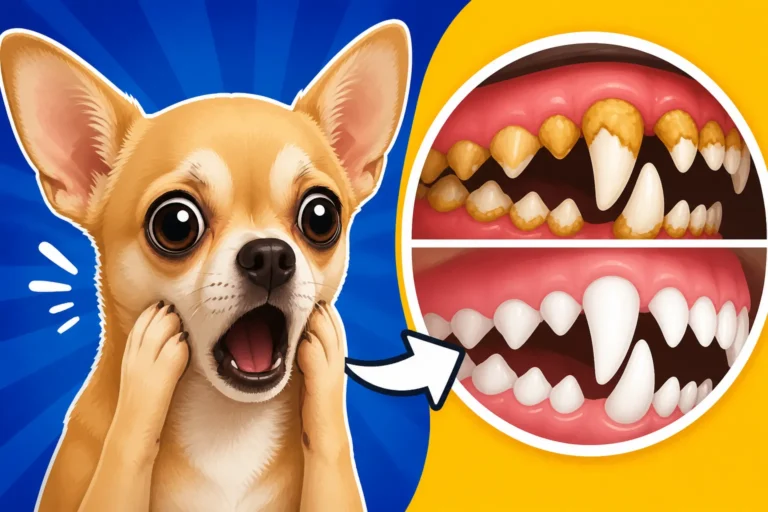
The purchase price, while a significant initial outlay, is truly just the beginning. Owning a Chihuahua, even a healthy one from a reputable breeder, comes with a lifetime of recurring costs. For example, Chihuahua Dental Bills as the Biggest Recurring Cost because their small mouths are prone to overcrowding and early dental disease. Daily brushing and regular professional cleanings are essential, and these add up over a dog's long life. You'll need specialized dental care products, such as enzymatic toothpaste and tiny toothbrushes, to keep those pearly whites in shape.
Beyond dental care, there are general veterinary expenses, including annual check-ups, vaccinations, and parasite prevention. Even a well-bred Chihuahua can face unexpected health issues. This is where pet insurance can be a real lifeline. Companies like Healthy Paws offer various plans that can help mitigate the financial impact of unforeseen illnesses or accidents. Getting a policy early, especially for a puppy, can save you a lot of stress and money down the line. To plan for these long-term expenses, it’s wise to check out Budgeting for a Chihuahua That Lives Sixteen Years.
Then there's daily care: high-quality food, suitable for a toy breed. While Chihuahuas don't eat much, ensuring they get nutrient-dense meals is important. Companies like Chewy offer a wide range of specialized small-breed kibble and wet foods, while services like Ollie can deliver fresh, portion-controlled meals directly to your door. Even toys and beds suitable for a tiny dog need to be replaced periodically. Don't forget training and socialization; even small dogs benefit immensely from puppy classes and ongoing positive reinforcement, preventing behavioral issues that could otherwise lead to costly interventions later.
The Enduring Value of Responsible Breeding
Choosing a Chihuahua from a responsible breeder, one who adheres strictly to the breed standard, especially the six-pound weight limit, offers immense value beyond the initial price tag. While it might seem like a premium investment upfront, it often translates into fewer unexpected health problems and a more predictable temperament, saving you heartache and money in the long run. When you select a Chihuahua from such a breeder, you're not just getting a pet; you're getting a companion who has been given the best possible start in life.
These breeders prioritize health, longevity, and stable temperaments, which means you're more likely to welcome a well-adjusted dog into your home. A properly bred Chihuahua is typically confident, friendly, and robust, defying the "yappy" or overly fragile stereotypes sometimes associated with the breed. They are more likely to exhibit the desirable traits outlined in the breed standard, making them a joy to live with and train. This peace of mind, knowing your dog comes from a healthy lineage and has been raised with care, is invaluable.
Ultimately, the six-pound limit in the Chihuahua breed standard isn't just an arbitrary rule for show dogs; it's a cornerstone of responsible breeding that aims to preserve the health, conformation, and spirit of this beloved toy breed. By understanding how this limit influences breeding practices and pricing, prospective owners can make informed decisions, ensuring they bring home a healthy, happy, and truly representative Chihuahua into their lives.
Disclaimer
This article is intended for informational purposes only and does not constitute veterinary advice. Always consult with a qualified veterinarian for any health concerns or before making any decisions about your Chihuahua's care, diet, or training.