Chihuahua Sweaters, Coats and Boots
If you've ever watched your tiny Chihuahua shiver uncontrollably, even indoors, you know the immediate worry and the nagging question: are these little guys just being dramatic, or do they genuinely get that cold? It's easy to dismiss dog clothing as purely a fashion statement, but for Chihuahuas, a good sweater, coat, or even boots can be an absolute necessity, not just a cute accessory. This guide will walk you through exactly why your pint-sized companion feels the chill so acutely and how to choose the right gear to keep them safe, comfortable, and healthy, ensuring they can enjoy life to the fullest without turning into a shivering popsicle.
Why Chihuahuas Are So Prone to the Cold
It’s not just an act for attention; Chihuahuas really do struggle with regulating their body temperature, especially in cooler environments. Their unique physiology makes them far more susceptible to the cold than most other dog breeds, leading to discomfort and, in extreme cases, serious health issues. Understanding these underlying reasons is the first step in becoming a truly prepared and empathetic Chihuahua parent.
The Lack of Body Fat and Thin Coats
One of the most significant reasons Chihuahuas are perpetually cold stems from their diminutive size and body composition. Unlike larger breeds that often have a thick layer of subcutaneous fat acting as natural insulation, Chihuahuas simply don't have that luxury. Imagine trying to stay warm when you have virtually no natural padding! Their small frames mean less surface area for fat to accumulate, and what little they do have isn't enough to withstand a chill.
Furthermore, both the smooth coat and long coat varieties of Chihuahuas tend to have surprisingly thin hair shafts and sparse undercoats, if they have one at all. Even a long-haired Chihuahua, with all its beautiful feathering, doesn't possess the dense, insulating double-coat found on a Siberian Husky or a Pomeranian. Their hair offers minimal protection against cold air, wind, or moisture. This combination of low body fat and a thin coat means that heat rapidly escapes their small bodies, making them feel the cold much faster and more intensely than a larger, more robustly built dog. It’s like us stepping outside in a thin t-shirt when everyone else is wearing a thick jacket – we're going to feel it a lot more acutely.
Metabolic Rate and Energy Expenditure
Chihuahuas have a remarkably high metabolic rate, which means they burn through calories and generate body heat at a faster pace than larger dogs. While this sounds like it might help them stay warm, it's a double-edged sword. Yes, they are constantly producing heat, but because of their small size and lack of insulation, they also lose that heat very quickly. Think of a small cup of hot coffee versus a large thermos; the small cup cools down much faster.
This rapid burning of energy also makes them susceptible to Chihuahua Hypoglycemia and the Puppy Emergency if their blood sugar drops too low, which can be exacerbated by prolonged exposure to cold. When a Chihuahua gets cold, their body has to work overtime to shiver and produce heat, expending precious energy reserves even faster. This can quickly deplete their glucose levels, especially in puppies or frail seniors. A high metabolism requires a consistent energy supply, and when the body is fighting cold, that supply can be drained rapidly, leading to lethargy, weakness, and trembling. Proper nutrition, such as that provided by companies like Ollie with their carefully portioned fresh food, can help ensure they have the energy reserves needed to generate warmth.
Environmental Sensitivity
Beyond their physical makeup, Chihuahuas are also highly sensitive to their immediate environment. A draft that you might barely notice as you walk past a window can feel like a gale-force wind to a two-pound Chihuahua lying on the floor. Their proximity to the ground means they are often directly in the path of cold air currents that sweep across floors, especially in older homes or those with less-than-perfect insulation.
Even seemingly mild temperature drops that wouldn't bother a larger dog can make a Chihuahua visibly uncomfortable. Many owners observe their Chihuahuas Why a Chihuahua Shivers and What It Means when the thermostat dips below a certain point, or when they step out of a warm bed onto a cold floor. This sensitivity means that even indoors, maintaining a consistently warm environment is crucial. For guidance on optimal indoor temperatures, consider reading Setting a Thermostat Around a Chihuahua. They're not just being finicky; their tiny bodies simply cannot cope with the same temperature variations that a larger dog can. Their comfort zone is much narrower, making protective clothing a practical necessity for both indoor and outdoor activities.
Essential Clothing for Your Chihuahua's Comfort and Health
Given their extreme susceptibility to cold, investing in appropriate clothing for your Chihuahua isn't just a matter of fashion; it's a critical component of their health and well-being. From everyday indoor wear to robust outdoor gear, each type of clothing serves a specific purpose in keeping your tiny companion warm and protected.
Sweaters for Indoor and Mild Outdoor Use
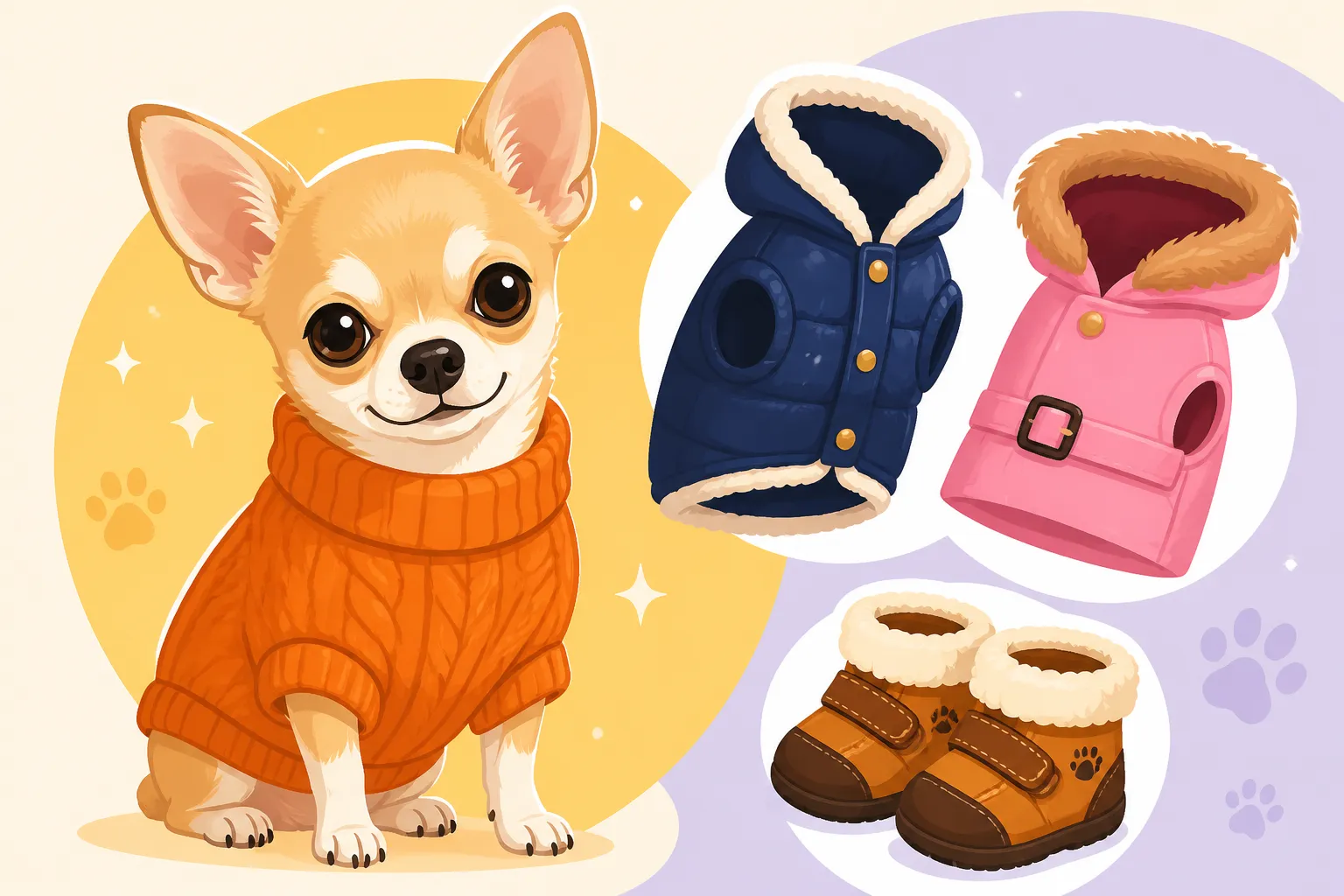
Sweaters are the workhorses of a Chihuahua's wardrobe, providing that much-needed extra layer of warmth for everyday use. They’re perfect for those slightly chilly mornings indoors, or for mild autumn and spring walks when the air has a crisp bite but isn’t freezing. When choosing a sweater, prioritize soft, comfortable materials that won't irritate their delicate skin. Fleece, soft wool blends, or even comfortable cotton blends are excellent choices.
The key is to find a sweater that fits snugly but doesn't restrict movement. It should cover their torso adequately, ideally extending towards their tail and offering some belly coverage to protect their most vulnerable areas. Avoid anything too bulky or with unnecessary embellishments that could snag or cause discomfort. A simple, well-fitting sweater can make a world of difference in preventing your Chihuahua from shivering indoors, especially if your home temperature fluctuates or if they enjoy lounging in drafty spots. Think of it as their cozy indoor blanket that they can wear all day.
Winter Coats for Outdoor Adventures
When the temperatures really drop, or when you're heading out into rain, snow, or biting wind, a sweater simply won't cut it. This is where a proper winter coat becomes indispensable. These are designed to offer more substantial protection, acting as a barrier against harsh elements. Look for coats with a waterproof or water-resistant outer layer to keep them dry, and a warm, insulated lining, such as fleece or faux shearling, to trap body heat.
Full belly coverage is particularly important for male Chihuahuas and both genders in deep snow, as it protects their underside from cold, wet ground. Many quality winter coats also feature reflective strips or bright colors, which are invaluable for visibility during early morning or late evening walks, especially crucial for such a small dog who can easily be overlooked by pedestrians or vehicles. Brands often cater specifically to toy breeds, offering lightweight yet highly insulating options. Remember, even a short outdoor potty break in freezing temperatures can quickly chill a Chihuahua to the bone, so a robust coat is vital to protect them on those unavoidable cold weather excursions. For specific tips on selecting the right gear, check out Sweaters and Coats a Chihuahua Actually Needs. For instance, when considering The Coldest Temperature to Walk a Chihuahua, a well-insulated, waterproof coat becomes non-negotiable.
Boots for Paw Protection
While often overlooked, boots are an incredibly important piece of protective gear, especially if you live in an area with harsh winters or hot summers. A Chihuahua's paw pads are delicate and can be easily injured or irritated by extreme temperatures, rough terrain, or chemical irritants. In winter, boots protect against ice, snow, and the dreaded de-icing salts and chemicals that can cause painful chemical burns and even lead to illness if licked off their paws.
In summer, boots can shield their paw pads from scorching hot pavement, which can cause severe burns in a matter of seconds. Beyond temperature extremes, boots also offer protection from sharp rocks, thorns, or debris during walks on uneven or untamed paths. When selecting boots, focus on a good fit that stays on securely without being too tight, and choose materials that are flexible and comfortable for your Chihuahua to walk in, such as durable rubber or soft, protective fabrics with good traction. It might take some time and patience to get your Chihuahua accustomed to wearing them, but the protection they offer is well worth the effort. Learn more about Chihuahua Paw Protection on Ice and Salt for detailed insights.
Choosing the Right Fit and Material for Your Chihuahua
Getting your Chihuahua to wear clothes is one thing, but making sure those clothes are actually effective and comfortable is another. The wrong fit can be restrictive, cause chafing, or simply not provide the intended warmth. The material choice also plays a huge role in their comfort and the clothing’s overall functionality. It’s not just about looking cute; it’s about providing genuine protection.
Measuring Your Chihuahua for Proper Sizing
This is arguably the most crucial step in purchasing any pet apparel. You can't just guess or rely on generic "small dog" labels, as Chihuahua sizes can vary dramatically from a tiny two-pounder to a sturdy seven-pounder. Accurate measurements will ensure the clothing fits snugly enough to retain body heat but isn't so tight that it restricts movement or breathing.
You'll typically need three key measurements:
- Chest Girth: This is the widest part of your Chihuahua's chest, usually right behind their front legs. It's vital for ensuring the garment isn't too tight around their lungs and heart.
- Back Length: Measure from the base of their neck (where their collar sits) to the base of their tail. This helps ensure adequate coverage of their torso.
- Neck Circumference: Measure around the widest part of their neck. This ensures comfort around their throat, especially important for Chihuahuas who might have delicate tracheas.
Always use a soft tape measure and make sure your Chihuahua is standing naturally. Compare these measurements against the specific sizing charts provided by the brand. Many brands, particularly those catering to toy breeds, will have very detailed charts. Err on the side of slightly larger if your Chihuahua is between sizes, as a little extra room is better than something too constricting. A properly fitted garment won't slide around, won't cause them to trip, and will allow full range of motion.
Understanding Different Fabric Types
The material of your Chihuahua's clothing determines its effectiveness and comfort in different conditions.
- Fleece: This is a popular choice for sweaters and coat linings because it's soft, lightweight, and excellent at trapping warm air. It's breathable, making it comfortable for indoor wear or mild outdoor temperatures. However, fleece isn't waterproof, so it's not ideal as an outer layer in rain or snow.
- Wool Blends: Natural wool offers superior insulation, even when damp, and is excellent for wicking away moisture. Wool blends can combine the warmth of wool with the durability and easier care of synthetic fibers. However, some Chihuahuas might find pure wool itchy, so a soft blend is often preferred.
- Polyester Blends: These are commonly used for the outer shells of winter coats. Polyester is durable, often water-resistant or waterproof, and can be infused with wind-blocking properties. It's practical for protecting against the elements, but usually needs a softer, warmer lining (like fleece or faux fur) against the dog's skin for comfort and insulation.
- Cotton: While soft and breathable, cotton isn't the best insulator, especially when wet. It absorbs moisture and can actually make your Chihuahua colder if it gets damp. It's okay for very mild indoor sweaters but should be avoided for serious outdoor winter wear.
Consider the primary purpose of the garment. For a chilly house, a soft fleece or cotton sweater is fine. For a snowy walk, a polyester coat with a warm lining is a must.
Practical Features to Look For
Beyond fit and fabric, certain design features can greatly enhance the functionality and safety of your Chihuahua's clothing.
- Harness/Leash Openings: Many coats and sweaters now come with a small slit or D-ring on the back to allow for easy attachment of a leash to a harness worn underneath. This is essential, as you should always use a harness on a Chihuahua to protect their delicate trachea. Trying to wrestle a leash under a bulky coat can be frustrating and uncomfortable for your pup.
- Adjustable Closures: Velcro, snaps, or elastic drawstrings allow you to fine-tune the fit. This is particularly useful for growing puppies or if your Chihuahua fluctuates slightly in weight. Ensure Velcro is high-quality and won't snag their fur or come undone easily.
- Belly Coverage: As mentioned, good belly coverage is crucial for keeping their vital organs warm and dry. For male Chihuahuas, ensure the belly panel doesn't interfere with their ability to relieve themselves.
- Reflective Elements: For any outdoor gear, reflective strips or bright colors are a non-negotiable safety feature. Chihuahuas are small and low to the ground, making them difficult to see in low light conditions. Reflective accents significantly increase their visibility to drivers and cyclists, making evening walks much safer. Brands like Chewy often stock a wide variety of clothing with these safety features.
- Easy On/Off Design: Look for garments that are easy to put on and take off, minimizing stress for both you and your Chihuahua. Pullover styles might work for some, but those with full zippers or snaps along the back or belly can be easier to manage, especially for Chihuahuas who are not keen on having things pulled over their heads.
When and How to Introduce Clothing to Your Chihuahua
Introducing clothing to your Chihuahua doesn't have to be a battle. With patience, positive reinforcement, and a bit of understanding about their needs, your tiny companion can learn to appreciate their cozy attire. It's about making it a comfortable and even enjoyable part of their routine.
Starting Early and Positive Reinforcement
The ideal time to introduce clothing is when your Chihuahua is a puppy. Their impressionable minds are more open to new experiences, and they’re more likely to accept wearing sweaters and boots as a normal part of life. Start with very short sessions, maybe just a minute or two, with a lightweight sweater. Put it on, immediately offer a high-value treat (Chewy offers many excellent training treats perfect for tiny mouths), and praise them enthusiastically. Then, take it off. Gradually increase the duration as they become more comfortable.
The key is positive association. Every time the sweater comes out, good things happen! Make it a game, not a chore. Distract them with play or a short walk while they're wearing it. Avoid forcing the clothing on them or making it a stressful event, as this can create negative associations that are hard to break. If they're a bit older and haven't worn clothes before, the same principles apply – go slowly, be patient, and use plenty of positive reinforcement. It's about building trust and showing them that these new sensations are nothing to fear. For more on positive training, consider topics like Marker Training a Chihuahua From Eight Weeks.
Recognizing When Your Chihuahua Needs Clothing
It's not always obvious when your Chihuahua is cold, especially if they haven't learned to associate shivering with being dressed. Beyond the obvious visible shivering, there are other cues to watch for:
- Hunching or Curling Up Tight: They might tuck their paws under their body, curl into a tight ball, or hunch their back, trying to minimize exposed surface area and conserve heat.
- Seeking Warmth: Your Chihuahua might actively seek out warm spots, burrowing under blankets, trying to get into your lap, or positioning themselves directly in front of a heater or sunny window.
- Reluctance to Go Outside: If your Chihuahua usually loves walks but suddenly hesitates or tries to turn back at the door when it’s chilly, it’s a strong indicator they’re uncomfortable with the temperature.
- Lethargy or Slowness: While shivering is a clear sign, a Chihuahua that's profoundly cold might become unusually quiet or sluggish as their body conserves energy.
- Cold Ears or Paws: Gently feel their ears and paws. If they are noticeably cold to the touch, your Chihuahua is likely feeling the chill throughout their body.
Remember, puppies and Senior Chihuahua Care Past the Age of Twelve are particularly vulnerable to cold and will need extra layers sooner than a healthy adult Chihuahua. Their ability to regulate body temperature diminishes with age, making proper clothing an even greater priority.
Cleaning and Maintaining Chihuahua Attire
Just like your own clothes, your Chihuahua's apparel needs regular cleaning to stay hygienic and effective. Dirty clothing can harbor bacteria, odors, and can even become less insulating if matted with dirt.
- Follow Care Labels: Always check the garment's care tag. Most dog sweaters and coats are machine washable on a gentle cycle with cold water, but some delicate items might require hand washing.
- Mild Detergent: Use a mild, pet-safe detergent that is free of harsh dyes or perfumes, as these can irritate your Chihuahua’s sensitive skin.
- Air Drying: Whenever possible, air dry dog clothing to prevent shrinking, damage to waterproofing, or breakdown of elastic. If using a dryer, opt for the lowest heat setting.
- Regular Inspection: Before each wear, quickly check for any loose threads, tears, or broken closures that could become a hazard. Repair them promptly or replace the item if it's too damaged.
- Seasonal Storage: At the end of a season, wash all clothing thoroughly before storing it in a clean, dry place. This ensures they're fresh and ready for the next cold snap. Proper maintenance will extend the life of their wardrobe and keep them looking sharp!
Common Challenges and Troubleshooting
Even with the best intentions and the perfect tiny sweater, you might encounter some hurdles when dressing your Chihuahua. It's a common experience for many owners. Understanding these challenges and having strategies to overcome them can make the process much smoother and more successful for both of you.
Chihuahuas Resisting Clothing
It can be frustrating when you've invested in a cozy sweater only for your Chihuahua to act like it's the most offensive torture device ever invented. Resistance is common, especially with older Chihuahuas who aren't used to wearing clothes.
- Patience is Key: Don't force it. If your Chihuahua stiffens, tries to bite, or shuts down, take a break. Push too hard, and you’ll create a negative association that's incredibly difficult to undo.
- Gentle Introduction: As discussed, start with very short durations and use positive reinforcement. Treat them every time an item goes on, even for a second. Make it a routine. Perhaps they wear their sweater only during meal times at first.
- Find the Right Style: Some Chihuahuas tolerate pullovers better, while others prefer coats with full belly closures (Velcro or snaps) that don't go over their head. Experiment with different designs to see what they find least intrusive. Avoid anything that makes noise, has dangling parts, or feels too heavy for their frame.
- Rule Out Discomfort: Sometimes, resistance isn't stubbornness but genuine discomfort. Check the fit again – is it too tight? Is there a seam rubbing? Could a medical issue, like joint pain (perhaps Chihuahua Arthritis in the Teenage Years or Patellar Luxation, the Chihuahua's Commonest Joint Problem), be making them sensitive to touch or movement? If resistance is sudden or intense, a vet check might be warranted. For instance, Getting a Chihuahua Used to Wearing Clothes highlights the need for patience and positive experiences.
Overheating Concerns
While Chihuahuas get cold easily, it's also possible for them to overheat, especially if they are overdressed or engaging in vigorous activity. Overheating is a serious concern that can quickly lead to heatstroke.
- Monitor Body Temperature: Regularly check their body language. Are they panting excessively? Are their gums very red? Are they restless or seeking a cooler spot? These are signs they might be too warm. Gently feel under their armpit or in their groin area; if it feels very hot, they could be overheating.
- Appropriate Layering: Avoid putting too many layers on your Chihuahua, especially indoors or during warmer weather. A single sweater is usually enough indoors. Outdoors, consider the actual temperature and activity level. If they are running and playing, they might need less insulation than if they are sitting in a stroller.
- Material Matters: Choose breathable fabrics. If a coat is waterproof, ensure it’s also breathable to prevent moisture (and heat) from getting trapped inside. On very sunny but cool days, opt for lighter-colored clothing that reflects sunlight rather than absorbing it.
- Provide Hydration: Always have fresh water available, especially when they are wearing heavier clothing or exercising.
Safety Considerations with Pet Apparel
Beyond comfort, safety should always be a top priority when choosing and using pet apparel.
- Snags and Entanglements: Be wary of clothing with loose threads, excessive embellishments, or parts that could get caught on furniture, branches, or even their own nails. Chihuahuas are small and can easily get tangled or injured.
- Choking Hazards: Avoid anything with small, detachable parts like buttons, beads, or bows that your Chihuahua could chew off and swallow. This is particularly important for puppies or Chihuahuas prone to chewing.
- Restriction of Movement: Ensure clothing doesn't impede their natural gait, make it hard to lie down, or restrict their ability to go to the bathroom. A coat that’s too long can trip them up, and one that’s too tight can be painful.
- Visibility: As mentioned earlier, reflective elements are crucial for outdoor safety, especially during dusk or dawn walks. Consider bright, neon colors for daytime visibility as well. Healthy Paws pet insurance might cover unexpected vet visits if your Chihuahua gets into an accident, but prevention through proper visibility is always best.
- Allergic Reactions: While rare, some Chihuahuas can develop skin irritation or allergic reactions to certain fabrics or dyes. If you notice redness, itching, or hair loss after introducing new clothing, remove it and consult your vet.
By being mindful of these common challenges and proactively addressing them, you can ensure your Chihuahua remains both fashionable and, more importantly, safe and healthy in their attire.
Disclaimer
The information provided in this guide is intended for educational purposes only and should not replace professional veterinary advice. Always consult with your veterinarian regarding your Chihuahua's specific health needs, especially concerning extreme weather exposure or any new behaviors related to discomfort or cold.