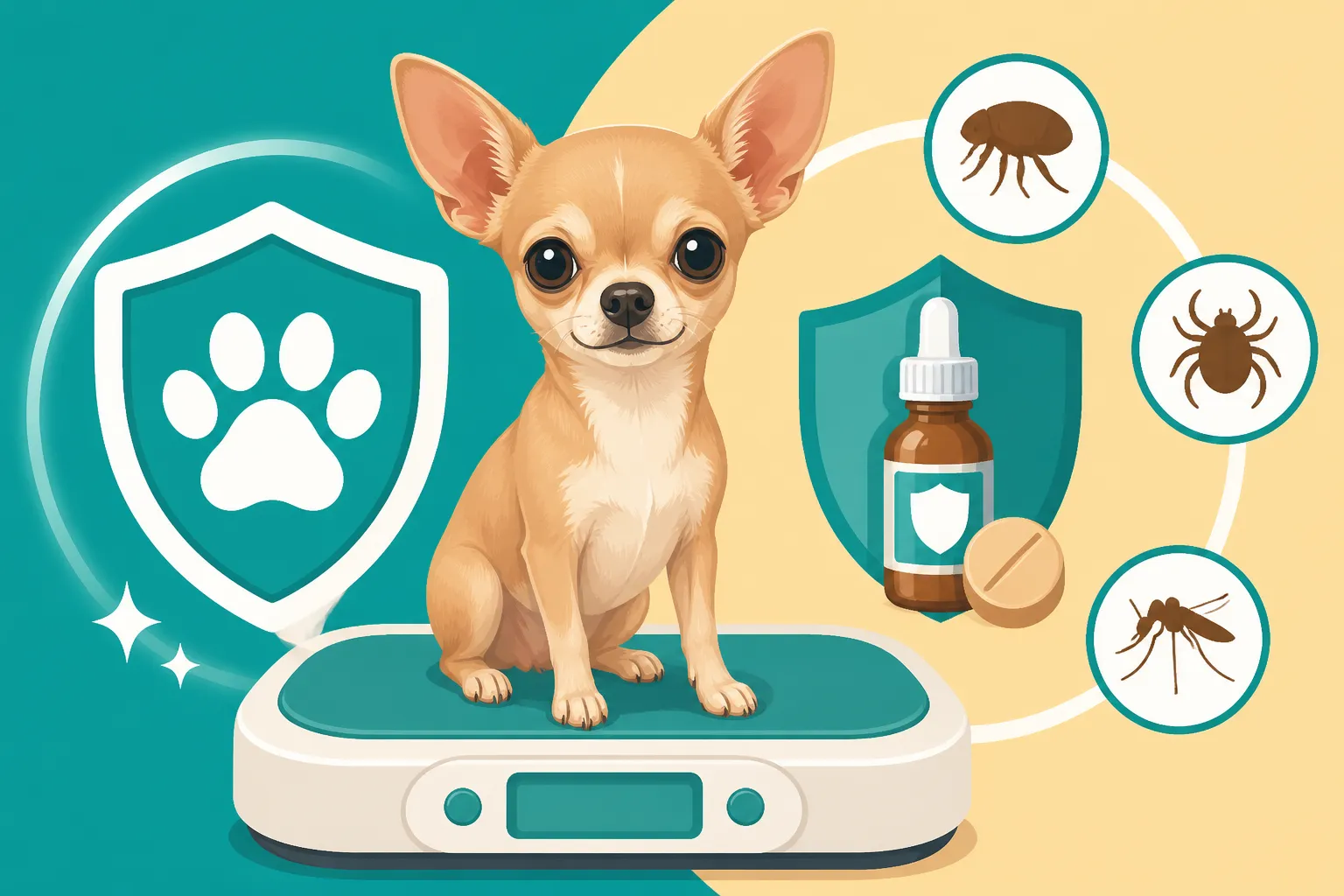
Chihuahua Preventive Medication at Low Weight
Bringing home a tiny Chihuahua is an absolute joy, but it also comes with a unique set of anxieties, especially when it comes to their health. One common worry that truly keeps owners up at night is how to properly administer preventive medications to such a small dog. You're constantly asking yourself if you've given too much, not enough, or if the medication itself is even safe for a creature that might weigh less than a bag of sugar. This comprehensive guide is here to alleviate those fears, helping you understand the critical nuances of preventive medication for your small-statured companion.
The Critical Importance of Precise Dosing for Chihuahuas
When you're dealing with a dog that can comfortably fit into your purse, the margins for error in medication become incredibly slim. It’s not just about giving a pill; it’s about understanding the delicate balance required to protect their tiny systems without overwhelming them. Many of us have seen the same medication in different dosages for larger breeds, and it's easy to assume that "less is more" for a Chihuahua, but the truth is far more complex.
Why Body Weight is the Ultimate Factor
For a Chihuahua, every single ounce of body weight matters. Most preventive medications, whether for heartworm, fleas, ticks, or internal parasites, are formulated based on weight classes. A medication designed for a 10-20 lb dog is drastically different from one for a 2-5 lb dog. What might be a standard dose for a Labrador could be lethal for a Chihuahua. This isn't just a guideline; it's a fundamental principle of veterinary pharmacology.
Think about it: a medication's active ingredients need to reach a certain concentration in your dog's system to be effective, but too high a concentration can lead to toxicity. Chihuahuas have smaller organs, faster metabolisms in some respects, and less body mass to distribute and process these compounds. Their internal systems are just as complex as a larger dog's, but on a miniature scale. This is why when your vet weighs your Chihuahua, that number isn't just for curiosity; it's the most crucial piece of information for prescribing any medication. It directly dictates the precise dose, often measured in milligrams or even fractions of a milligram. Understanding Chihuahua Parasite Prevention at Low Body Weight really highlights how tailored this care needs to be.
The Dangers of Over-Dosing and Under-Dosing
The consequences of getting the dosage wrong for a Chihuahua can be severe on both ends of the spectrum.
Over-dosing is probably what most owners fear the most, and rightly so. Giving too much medication can quickly lead to toxicity. Symptoms can range from mild gastrointestinal upset (vomiting, diarrhea) to more severe neurological issues (tremors, seizures, disorientation) or even organ damage, particularly to the liver or kidneys. In the worst-case scenarios, an overdose can be fatal. It's a stark reminder that these medications are potent, and a tiny Chihuahua's body simply cannot handle excess. This is especially critical for medications that are metabolized slowly or have a narrow therapeutic index, meaning there's not much room between an effective dose and a toxic one. For instance, if you're ever concerned about a medication interaction or overdose, knowing the signs of Chihuahua Hypoglycemia and the Puppy Emergency can be helpful, as some symptoms might overlap or exacerbate existing conditions.
Under-dosing, while seemingly less immediately dangerous, carries its own set of serious risks. If your Chihuahua isn't receiving enough of the active ingredient, the medication won't be effective. This means they remain vulnerable to the very parasites you're trying to prevent. An under-dosed heartworm preventive could leave your dog susceptible to heartworm disease, a debilitating and potentially fatal condition that is complex and expensive to treat. Similarly, an insufficient dose of flea and tick medication means those pesky parasites can continue to thrive, potentially causing skin irritation, allergic reactions, and transmitting other diseases. This not only puts your Chihuahua at risk but can also lead to infestations in your home. The goal is always to find that perfect, effective, and safe sweet spot.
Heartworm Prevention: Tailoring Protection for Tiny Hearts
Heartworm disease is a serious threat carried by mosquitoes, and it affects dogs of all sizes. For a Chihuahua, the implications can be even more profound due to their small lung capacity and delicate cardiovascular system. Preventing it is far easier and safer than treating it, especially in a toy breed.
Available Formulations and Administration Methods
When it comes to heartworm prevention for your little one, you have a few options, and your vet will help you choose the best fit for your lifestyle and your Chihuahua's specific needs.
-
Oral Medications: These are often small tablets or chewables that your Chihuahua takes once a month. Brands like Heartgard Plus or Interceptor Plus are common and offer combination protection against heartworms and some intestinal parasites. The challenge for many Chihuahua owners is getting their dog to take the pill. Some Chihuahuas are picky, and even the smallest chewable can seem like a giant obstacle. You might find yourself becoming an expert at hiding pills in a tiny dollop of peanut butter (xylitol-free, of course!), cream cheese, or a piece of cheese. The good news is that many of these are designed to be palatable, often flavored like beef, making it a bit easier. It's truly amazing how a dog that small can put up such a fight over a pea-sized chew! It's important to specifically look for Heartworm Doses Made for a Five Pound Chihuahua or even smaller if your dog is particularly tiny, as even a small range difference can matter.
-
Topical Solutions: These are liquid medications applied directly to your dog's skin, usually between the shoulder blades, once a month. Revolution or Advantage Multi are examples that often provide protection against heartworms, fleas, and some internal parasites. For a Chihuahua, the key here is to ensure the medication is applied correctly and fully absorbed. Their small body surface means careful application is crucial to prevent runoff or accidental ingestion if they lick the area before it dries. These can be a godsend for owners with finicky eaters, bypassing the oral struggle entirely. However, they can sometimes leave a greasy residue or cause temporary skin irritation in sensitive individuals.
-
Injectable Prevention: ProHeart 6 is an injection that provides 6 months of heartworm protection. This can be a fantastic option for owners who struggle with monthly compliance or have Chihuahuas who absolutely refuse oral or topical treatments. The convenience is undeniable – one vet visit every six months, and you're covered. However, some owners prefer not to use injectables, and it's essential to discuss any potential side effects or specific risks with your veterinarian before opting for this method.
Seasonal vs. Year-Round: What's Best for Your Chihuahua?
The decision between seasonal and year-round heartworm prevention used to be a bigger debate, but increasingly, veterinary professionals recommend year-round prevention for most dogs, including Chihuahuas. Mosquitoes, the carriers of heartworm, can be surprisingly resilient. In many climates, even during winter months, there can be warm spells that allow mosquitoes to emerge. With climate change, traditional "mosquito seasons" are becoming longer and less predictable.
For a Chihuahua, year-round prevention offers continuous protection and eliminates the risk of forgetting to restart medication after a perceived "off-season." It also removes the guesswork of when exactly to start and stop. Furthermore, many heartworm preventives also protect against common intestinal parasites, which are a year-round concern regardless of mosquito activity. The peace of mind that comes with knowing your tiny friend is constantly protected is invaluable. While some may argue about cost, compare the monthly preventive cost to the significant expense and stress of Chihuahua Heart Disease as the Breed Ages or treating actual heartworm disease, which involves complex and risky treatments, especially for a small dog.
The Cost and Necessity of Heartworm Testing
Before your Chihuahua can start heartworm prevention, or if there's ever a lapse in their medication, a heartworm test is absolutely necessary. This simple blood test checks for the presence of adult heartworms. Why is this so crucial? Giving heartworm preventive to a dog that already has heartworms can be very dangerous. It can cause a severe, life-threatening reaction as the dying microfilariae (baby heartworms) circulate and are rapidly killed off in the bloodstream, overwhelming their small system.
The cost of a heartworm test is typically modest, ranging from $25 to $50, depending on your geographic location and veterinary clinic. It's a small investment for your Chihuahua's safety. Most vets recommend annual heartworm testing, even for dogs on year-round prevention, just to ensure that the medication has been consistently effective and to catch any breakthrough infections early. It's part of the comprehensive annual check-up that helps catch other potential issues like Chihuahua Dental Disease in a Crowded Small Jaw early on. Some pet insurance providers, like Healthy Paws, may cover annual wellness exams including heartworm tests, which can help offset these routine costs.
Comprehensive Flea and Tick Control for Miniature Bodies
Fleas and ticks aren't just an itchy nuisance; they can transmit serious diseases, and for a Chihuahua, a heavy infestation can even lead to anemia due to blood loss. Choosing the right preventive is vital, but you have to be mindful of their size and sensitivity.
Oral Medications vs. Topical Applications: Pros and Cons
Just like heartworm prevention, flea and tick control offers both oral and topical options, each with its own set of advantages and disadvantages for Chihuahuas.
Oral Medications: Brands like Bravecto (lasts 3 months), Simparica (monthly), or Credelio (monthly) are chewable tablets designed to be given orally.
- Pros for Chihuahuas: No messy application, no residue on their fur, and no waiting period before petting or bathing. It works from the inside out, so it's not affected by swimming or getting wet. It's often highly effective and kills fleas and ticks rapidly after they bite the treated dog. For an active Chihuahua that enjoys outdoor adventures (on a leash, of course!), this can offer robust protection without worry about environmental factors.
- Cons for Chihuahuas: As with any oral medication, getting a picky Chihuahua to eat it can be a challenge. If they vomit shortly after administration, the efficacy is compromised, and you may need to re-dose (after consulting your vet). There can also be potential side effects, though rare, such as gastrointestinal upset or neurological symptoms, and it's essential to discuss any history of seizures or sensitivities with your vet.
Topical Applications: These liquid "spot-on" treatments are applied to a small area of skin, usually at the base of the neck or between the shoulder blades. Frontline Plus, K9 Advantix II, and Revolution (which also covers heartworm) are common examples.
- Pros for Chihuahuas: They bypass the need for oral administration, which is great for finicky eaters. Many also offer multi-parasite protection. Some owners prefer not to have their dog ingest chemicals.
- Cons for Chihuahuas: Application needs to be precise to ensure it's on the skin, not just the fur. There's usually a waiting period of 24-48 hours before bathing or swimming to allow it to spread and dry, which can be inconvenient. The site of application might look greasy or cause temporary irritation. Critically, some topical treatments are toxic to cats, so if you have a multi-pet household, extreme caution is required to prevent a cat from licking the treated area on your Chihuahua. Even for a dog that is never off-leash, a walk in the park can bring home hitchhikers, so consistent use is paramount.
Understanding the Risks of Integrated Pest Management
Integrated Pest Management (IPM) for fleas and ticks involves more than just a single medication. While preventative medications are the cornerstone, especially for a tiny Chihuahua, it's worth considering the broader picture to truly protect them. This means being mindful of their environment.
The reality is, even with the best preventive medication, a heavily infested yard or home can present a challenge. If your Chihuahua is spending time outdoors, especially in areas with tall grass or known wildlife, they are at higher risk. Some owners try to reduce medication by relying solely on "natural" remedies, but for a Chihuahua, this can be a risky gamble. Many natural remedies simply aren't as effective as veterinary-prescribed options, leaving your small dog vulnerable.
It's about finding a balance. If your Chihuahua is primarily an indoor dog with short, leashed walks, a strong oral or topical preventive might be all you need. If you live in an area with a high tick burden, or if your Chihuahua frequents dog parks or nature trails, you might discuss additional strategies with your vet. This could include using a preventative collar (though check for interactions with other medications and ensure it's sized appropriately to avoid choking a small dog) or treating your yard with pet-safe pest control products if fleas and ticks are a rampant problem. The key is to never substitute a proven, vet-approved preventive with unverified alternatives, particularly for such a vulnerable breed.
Environmental Control and Additional Safeguards
Preventive medication works best when supported by a clean, controlled environment. Fleas, especially, can lay eggs in carpets, bedding, and furniture, leading to continuous re-infestation. For a Chihuahua, who spends a lot of time on the floor or snuggled in blankets, this is a significant concern.
- Regular Cleaning: Vacuuming frequently, especially in areas where your Chihuahua rests, can help remove flea eggs, larvae, and pupae. Remember to empty the vacuum cleaner contents into an outdoor trash can immediately to prevent re-infestation.
- Washing Bedding: Your Chihuahua's bed, blankets, and any soft toys they frequently use should be washed regularly in hot water. This kills any fleas or eggs present. Many Chihuahuas love to burrow, so their bedding can become a cozy home for parasites if not kept clean.
- Yard Maintenance: Keeping your lawn mowed short, especially around the edges of your property, can reduce tick habitats. Avoid letting your Chihuahua wander into tall, overgrown brush.
- Checking After Walks: Even with medication, it's a good practice to quickly check your Chihuahua for ticks after outdoor excursions, especially if you live in a wooded area. Their tiny size means ticks can easily hide. A thorough "tick check" involves running your hands over their body, feeling for any small bumps, and paying close attention to ears, armpits, and between their toes.
- Brand Choices: When selecting environmental products, always choose pet-safe options. Many household bug sprays or garden treatments can be toxic to dogs, and a Chihuahua's small size makes them particularly susceptible to poisoning. Chewy often carries a wide range of pet-safe household pest control options, from sprays to diatomaceous earth, that can be used around your home.
Guarding Against Internal Parasites: Deworming Protocols
Internal parasites, commonly known as worms, are an unpleasant reality for dogs. Chihuahuas are just as susceptible as larger breeds, and sometimes more so, especially as puppies. These parasites can cause a range of health issues, from nutrient malabsorption and poor growth to more severe digestive problems and even organ damage.
Common Intestinal Worms and Their Impact
There are several types of intestinal worms that can affect Chihuahuas, and understanding them helps emphasize the need for regular deworming.
- Roundworms: These are very common, especially in puppies, as they can be transmitted from mother to puppies during pregnancy or nursing. They resemble spaghetti and can cause a pot-bellied appearance, diarrhea, vomiting, and a dull coat. In severe cases, they can cause intestinal blockages.
- Hookworms: These tiny, blood-sucking worms attach to the intestinal wall, leading to anemia, especially dangerous for small puppies. Symptoms include bloody or tarry stools, weakness, and weight loss.
- Whipworms: Found in the large intestine, these can cause chronic diarrhea, weight loss, and anemia. They are notoriously difficult to diagnose with a single fecal test because they shed eggs intermittently.
- Tapeworms: Often transmitted by fleas (if a dog ingests an infected flea) or by eating raw prey, tapeworms appear as segments resembling grains of rice in the stool or around the anus. They usually cause mild symptoms like anal itching but can lead to weight loss if severe.
- Coccidia and Giardia: While technically not worms (they are protozoa), these microscopic parasites are extremely common, particularly in puppies and dogs in group settings (like shelters or kennels). They cause severe diarrhea, dehydration, and poor nutrient absorption. For a tiny Chihuahua puppy, dehydration from coccidia or giardia can quickly become life-threatening. This is a primary reason why Chihuahua Health Tests a Breeder Should Run often include fecal exams on the parents.
The impact of these parasites is magnified in a small dog. A severe worm burden can rapidly deplete a Chihuahua's already limited reserves, leading to serious health crises.
Regular Fecal Testing and Strategic Deworming
The best way to manage internal parasites in your Chihuahua is through a combination of regular fecal testing and strategic deworming as recommended by your vet.
- Fecal Testing: Your veterinarian will ask for a fresh stool sample, which is then examined under a microscope for the presence of worm eggs or protozoan cysts. Because not all parasites shed eggs consistently, annual or semi-annual fecal tests are crucial, even if your Chihuahua seems healthy. For puppies, multiple fecal tests are often recommended during their first few months. This is a non-invasive, inexpensive test that provides vital information about your Chihuahua's internal health.
- Deworming Protocols:
- Puppies: Most Chihuahua puppies are dewormed multiple times starting at a young age, typically every two weeks from 2 weeks old until they are about 12 weeks old. This is because mothers can pass roundworms and hookworms to their puppies. Your breeder should have already started this protocol before you bring your puppy home. If you're adopting a puppy, ask about their deworming history.
- Adults: Adult Chihuahuas usually receive deworming medication based on their fecal test results. Many heartworm preventives also contain deworming agents that protect against some common intestinal parasites (like roundworms and hookworms), which simplifies the process. However, these combination medications don't cover all parasites, so fecal testing remains important to catch others like whipworms or protozoa.
- Specific Treatments: If a specific parasite, like giardia or coccidia, is identified, your vet will prescribe a targeted medication, often an oral liquid or paste, which can be easier to administer to a tiny Chihuahua than pills.
It's critical to follow your vet's instructions precisely for dosing and duration of deworming medications. Never self-diagnose or self-treat, as different worms require different medications, and improper dosing can be ineffective or harmful.
Zoonotic Risks and Household Hygiene
Beyond your Chihuahua's health, internal parasites pose a zoonotic risk, meaning they can be transmitted from animals to humans. This is a significant concern, especially in households with young children, elderly individuals, or those with compromised immune systems.
- Roundworms and Hookworms: These can cause serious health problems in humans, including a condition called visceral larval migrans (when worm larvae migrate through human organs) or cutaneous larval migrans (when hookworm larvae burrow under the skin).
- Giardia: This protozoan can cause severe gastrointestinal upset in humans, similar to a "stomach flu."
Maintaining good household hygiene is paramount to minimizing these risks:
- Prompt Fecal Removal: Always pick up your Chihuahua's poop immediately, both indoors and outdoors.
- Handwashing: Wash your hands thoroughly with soap and water after handling your Chihuahua's waste, before eating, and after playing with your dog, especially if they are a puppy.
- Clean Living Environment: Regularly clean and disinfect areas where your Chihuahua eats, sleeps, and plays.
- Preventing Ingestion: Discourage your Chihuahua from eating feces or licking unknown substances outdoors.
- Children and Pets: Supervise children closely when they interact with your Chihuahua, and teach them not to put their hands in their mouths after touching pets.
By diligently following deworming protocols and maintaining excellent hygiene, you protect both your precious Chihuahua and everyone in your home.
Navigating Vaccinations for Your Smallest Family Member
Vaccinations are cornerstones of preventive health for any dog, and Chihuahuas are no exception. They protect against serious, often fatal, infectious diseases. However, vaccinating a toy breed does come with specific considerations, especially regarding potential reactions.
Core vs. Non-Core Vaccines: Prioritizing Protection
Vaccines are categorized into "core" and "non-core" based on their necessity.
- Core Vaccines: These are recommended for all dogs, regardless of lifestyle or geographic location, due to the severe nature and widespread prevalence of the diseases they protect against. For Chihuahuas, core vaccines include:
- Rabies: This vaccine is legally required in most places and protects against a uniformly fatal neurological disease that can also be transmitted to humans.
- Distemper, Adenovirus (Hepatitis), Parvovirus, and Parainfluenza (DHPP or DAPP): This combination vaccine protects against several highly contagious and often deadly viral diseases. Parvovirus, in particular, can be devastating for puppies, and Chihuahuas are no less susceptible than larger breeds. A severe case of parvo in a tiny puppy is a dire emergency.
- Non-Core Vaccines: These are recommended based on your Chihuahua's individual risk factors, lifestyle, and geographic location. Your vet will discuss whether these are appropriate. Examples include:
- Leptospirosis: Recommended for dogs with exposure to wildlife, standing water, or rural environments.
- Bordetella bronchiseptica (Kennel Cough): Recommended for dogs that frequently interact with other dogs, such as at boarding facilities, dog parks, or grooming salons.
- Lyme Disease: Recommended for dogs in areas where Lyme disease (transmitted by ticks) is prevalent.
For a Chihuahua, balancing necessary protection with minimizing vaccine load is a common concern among owners. You might wonder Whether a Chihuahua Needs Fewer Vaccines than a larger dog. The answer, generally, is no – they need protection against the same threats. However, the timing and precise formulation become even more critical.
Mitigating Vaccine Reactions in Toy Breeds
It's a valid concern: you hear stories about small dogs having vaccine reactions, and it makes you nervous. While rare, vaccine reactions can occur in any dog, and toy breeds like Chihuahuas can sometimes be more prone or have more pronounced reactions due to their small body mass.
- Types of Reactions:
- Mild Reactions: These are the most common and usually self-limiting. They include lethargy, mild fever, loss of appetite, and soreness at the injection site. These typically resolve within 24-48 hours.
- Allergic Reactions (Anaphylaxis): These are rare but serious and can be life-threatening. Symptoms include facial swelling (especially around the eyes and muzzle), hives, vomiting, diarrhea, difficulty breathing, weakness, or collapse. These usually occur within minutes to a few hours after vaccination.
- Strategies to Mitigate Risks:
- Split Vaccinations: For a very small or sensitive Chihuahua, your vet might recommend administering vaccines one at a time, or splitting combination vaccines over several visits, rather than giving multiple injections at once. This allows you to monitor for reactions to individual components.
- Pre-Medication: In some cases, especially if your Chihuahua has had a previous reaction, your vet might suggest pre-medicating with an antihistamine like Benadryl before vaccination.
- Observation Period: Always plan to stay at the veterinary clinic for 15-30 minutes after your Chihuahua receives vaccines. This allows the vet staff to monitor for immediate allergic reactions and intervene quickly if needed.
- Reporting Reactions: If your Chihuahua has any reaction, mild or severe, report it to your vet immediately. This information helps them tailor future vaccination protocols. Understanding Vaccine Reactions in a Toy Sized Chihuahua can empower you to discuss concerns with your vet.
- Avoiding Over-Vaccination: Discuss with your vet the possibility of running vaccine titers for adult Chihuahuas to see if their antibody levels are still protective before administering routine booster shots. This can help ensure your dog is only vaccinated when truly necessary.
Puppy Series and Booster Schedules
The puppy vaccination series is a critical period for Chihuahuas. Puppies receive maternal antibodies from their mother's milk, which temporarily protect them. However, these antibodies wane over time, and also interfere with the puppy's ability to develop its own immune response to vaccines. Therefore, a series of vaccinations is given to ensure protection as maternal antibodies decline.
- Puppy Schedule: Typically, the DHPP vaccine is given every 3-4 weeks starting at 6-8 weeks of age until the puppy is 16-20 weeks old. Rabies is usually given once between 12-16 weeks of age, depending on local regulations. Your vet will also advise on non-core vaccines based on your puppy's anticipated lifestyle, which is part of setting up their The Chihuahua Puppy Curriculum Month by Month.
- Boosters for Adults: After the initial puppy series, adult Chihuahuas receive booster shots. Rabies boosters are typically given every 1 or 3 years, depending on the vaccine type and local laws. DHPP boosters are usually given every 3 years.
- Importance of Completion: It's vital that your Chihuahua puppy completes their entire vaccine series. Skipping doses or ending the series too early leaves them vulnerable to deadly diseases like parvovirus. Until their vaccine series is complete, it's generally advised to limit their exposure to unknown dogs or public places where unvaccinated dogs might be present.
Partnering with Your Vet for Optimal Preventive Care
When it comes to the delicate balance of medication for a Chihuahua, your veterinarian isn't just a service provider; they are your most essential partner. Their expertise in small animal medicine, combined with their knowledge of your specific dog, is invaluable.
The Value of a Trusting Veterinarian Relationship
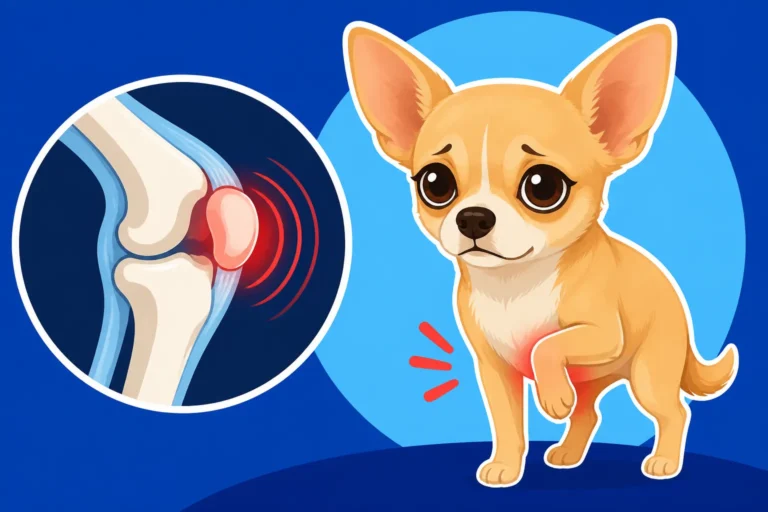
Finding a veterinarian who understands and appreciates the unique needs of toy breeds is paramount. Many Chihuahuas are prone to specific health issues, such as Patellar Luxation, the Chihuahua's Commonest Joint Problem or Collapsing Trachea and the Chihuahua Honking Cough, which require careful management and can influence overall preventive care decisions. A good vet will:
- Listen to Your Concerns: They'll take your anxieties about dosing, reactions, or specific health fears seriously.
- Provide Clear Explanations: They'll explain why certain medications are chosen, how they work, and what potential side effects to watch for.
- Tailor Protocols: They won't use a one-size-fits-all approach but will customize vaccination schedules, deworming, and parasite prevention plans based on your Chihuahua's age, weight, health history, and lifestyle.
- Educate You: They'll guide you on proper administration techniques, especially for tricky oral medications or precise topical applications.
- Be Accessible: A vet who is available for questions or concerns, especially regarding potential side effects, provides immense peace of mind.
Building a long-term relationship with a trusted vet means they get to know your Chihuahua's baseline health, personality, and any specific sensitivities. This rapport is incredibly valuable as your Chihuahua ages and their needs inevitably change, moving into their Senior Chihuahua Care Past the Age of Twelve.
Open Communication About Medication Concerns
Never hesitate to voice your concerns or ask questions about any medication prescribed for your Chihuahua. There are no "stupid questions" when it comes to the health of such a tiny and vulnerable creature.
- Before Leaving the Clinic: Make sure you understand:
- The name of the medication and what it's for.
- The exact dosage (e.g., "half a pill," "0.1 mL").
- How often and for how long it needs to be given.
- The best way to administer it (e.g., with food, on an empty stomach).
- Potential side effects to watch for.
- What to do if a dose is missed.
- What to do in case of an accidental overdose or severe reaction.
- Administration Tips: If you're struggling to administer a pill, ask your vet or vet tech for a demonstration or tips. Sometimes a slight change in technique, like using a pill pocket or compounding the medication into a flavored liquid, can make all the difference. Chewy and other online pet retailers offer various pill administration aids like pill pockets or crushers that can be helpful. For those difficult-to-dose medications, sometimes compounded pharmacies can create tiny, flavored suspensions that make life easier for both you and your Chihuahua. Ollie, a fresh food delivery service, often provides convenient small portions that can be perfect for hiding tiny pills too.
Understanding Prescriptions and Refills
Preventive medications, especially heartworm and often flea/tick medications, typically require a prescription from your veterinarian. This isn't just red tape; it's a safeguard to ensure the right medication and dose are given and that your Chihuahua has been tested for conditions like heartworm before starting prevention.
- Annual Exams: To maintain current prescriptions, your vet will usually require an annual check-up and often a heartworm test. This yearly visit is crucial for monitoring your Chihuahua's overall health and catching potential issues early.
- Online Pharmacies: Many reputable online pet pharmacies, like Chewy's pharmacy service, work directly with your vet to fill prescriptions. This can often be a convenient and cost-effective way to get your Chihuahua's medications. However, always ensure you're using a Vet-VIPPS accredited online pharmacy to guarantee the authenticity and safety of the products.
- Refills: Keep track of when your Chihuahua's prescriptions are due for a refill, especially for monthly preventives. Running out of medication, even for a short period, can leave them vulnerable. It can be helpful to set reminders on your phone or mark your calendar.
By actively engaging with your vet, asking questions, and being diligent with medication administration, you are providing your Chihuahua with the best possible foundation for a long, healthy, and happy life.
Disclaimer
The information provided in this article is for general informational purposes only and does not constitute veterinary advice. Always consult with a qualified veterinarian for any health concerns or before making any decisions related to your Chihuahua's health, diet, or medication.