Chihuahua Kneecap Surgery Cost Per Leg
Finding out your beloved Chihuahua needs knee surgery can be incredibly stressful, not just because of the worry for their health, but also the daunting financial implications. It's a tough situation when you're faced with a significant medical expense, especially for such a tiny family member. This guide aims to break down the costs associated with Chihuahua kneecap surgery, often referred to as patellar luxation repair, helping you understand what to expect per leg and how to navigate these significant bills.
Understanding Patellar Luxation in Chihuahuas and the Need for Surgery
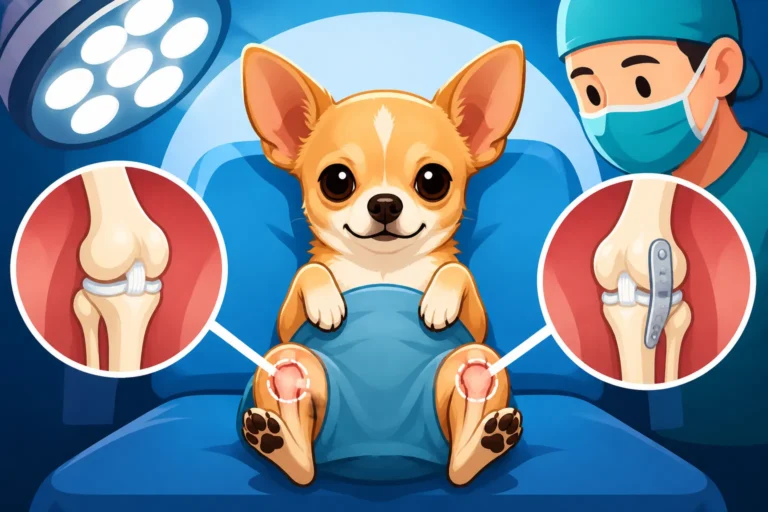
Patellar luxation is a condition where your Chihuahua's kneecap (patella) slips out of its normal groove in the thigh bone (femur). It's one of the most common orthopedic issues we see in Chihuahuas, and it can range from a minor inconvenience to a severely debilitating problem. Often, you might notice a little skip in their step, or they might suddenly hold a back leg up for a few seconds before putting it down again. This "skipping gait" that signals a Chihuahua knee can be a tell-tale sign.
This isn't just a simple discomfort; persistent luxation can lead to pain, arthritis, and further joint damage over time, including potential tears in the cruciate ligament. While some low-grade luxations can be managed with conservative care like exercise modification and joint supplements, many Chihuahuas eventually need surgery to correct the issue and prevent long-term suffering. Your vet will typically grade the luxation from 1 to 4, with higher grades indicating more severe displacement. It's usually when the luxation reaches Grade 2 or higher, or if your Chihuahua is showing significant pain or lameness, that surgery becomes the primary recommendation. Understanding Patellar Luxation, the Chihuahua's Commonest Joint Problem is crucial for any owner facing this diagnosis. For some Chihuahuas, a kneecap that never goes back means a higher chance of surgery being necessary.
Deconstructing the Costs of Chihuahua Kneecap Surgery Per Leg
When you're quoted a price for patellar luxation surgery, it's rarely just one lump sum for the procedure itself. The total bill is a comprehensive package that covers multiple stages of care, from initial diagnostics to post-operative recovery. Since Chihuahuas are prone to needing this surgery, it’s vital to understand each component, especially as costs can vary significantly depending on where you live and the specific veterinary facility.
Pre-Surgical Diagnostics and Consultations
Before your Chihuahua even steps into the operating room, there's a crucial phase of diagnostic work. This ensures the surgery is truly necessary, identifies any underlying health issues that could complicate anesthesia or recovery, and allows the veterinary team to create the safest and most effective surgical plan.
- Veterinary Examination and Initial Consultation: This is where your veterinarian physically examines your Chihuahua, assesses their gait, manipulates the knee to determine the grade of luxation, and discusses the prognosis and treatment options. This initial visit usually costs between $60-$150, depending on your clinic and region.
- Radiographs (X-rays): X-rays are indispensable for assessing the severity of the luxation, checking for concurrent arthritis, and examining the overall alignment of the bones in the leg. Often, multiple views are needed, and they might X-ray both knees even if only one is currently symptomatic, as luxation can often occur bilaterally. Digital X-rays usually range from $150-$300.
- Bloodwork: Pre-anesthetic blood tests are critical for Chihuahuas, given their small size and potential sensitivities. These tests check organ function (liver, kidneys), blood cell counts, and ensure there are no hidden issues that could make anesthesia risky. This usually runs from $100-$250.
- Specialist Orthopedic Consultation: In many cases, especially for more complex luxations or if your regular vet is not comfortable performing the surgery, you'll be referred to a board-certified veterinary orthopedic surgeon. A specialist consultation can cost anywhere from $150-$350, but their expertise can be invaluable for the best possible outcome.
The Surgical Procedure Itself
This is the core of the expense, covering the surgeon's fee, the use of the surgical suite, and all the materials required during the operation. For a Chihuahua, the surgery typically involves deepening the trochlear groove (the groove where the kneecap sits), realigning the patella, and sometimes moving the tibial crest (where the patellar ligament attaches) to ensure proper tracking.
- Surgeon's Fee: This is the primary cost, covering the expertise and time of the veterinary surgeon. For a skilled orthopedic surgeon, this can range from $1,500 to $3,500 per leg. This fee reflects their specialized training, experience, and the intricate nature of the procedure.
- Surgical Suite and Equipment Usage: The cost includes the sterile environment of the operating room, specialized surgical instruments, drapes, sutures, and other consumables. This can add several hundred dollars to the bill.
- Implants (if necessary): Sometimes, small pins or wires are needed to stabilize the bones after realignment. These material costs are factored into the overall surgical fee but can slightly increase the total.
Anesthesia and Monitoring
Anesthesia for a tiny Chihuahua is a delicate balance. It requires meticulous care and constant monitoring by trained professionals to ensure their safety throughout the procedure.
- Anesthesia Administration: This covers the cost of the anesthetic drugs themselves and the time of the veterinary technician or anesthesiologist dedicated to administering them. Prices vary based on the duration of the surgery.
- Anesthetic Monitoring: During surgery, your Chihuahua's vital signs – heart rate, respiration, blood pressure, oxygen saturation, and temperature – are continuously monitored. This requires specialized equipment and a dedicated staff member (often a certified veterinary technician) and is crucial for preventing complications. This typically adds $200-$500 to the bill.
- Pain Management: Pre-emptive and post-operative pain relief is vital for your Chihuahua's comfort and recovery. This includes injectable pain medications given before, during, and immediately after surgery, as well as oral medications sent home. Expect to pay $50-$150 for this aspect.
Post-Operative Care and Medication
The care doesn't stop once your Chihuahua leaves the operating table. The immediate recovery phase in the clinic and the subsequent care at home are integral to a successful outcome.
- Hospitalization: Chihuahuas typically stay overnight for observation after surgery, ensuring they recover well from anesthesia and pain is managed effectively. This overnight stay, including nursing care and intravenous fluids, can cost $100-$300 per night.
- Take-Home Medications: You’ll be sent home with pain relievers, anti-inflammatory drugs, and sometimes antibiotics. These are crucial for comfort and preventing infection. This medication package usually costs $50-$150.
- Recheck Examinations: Multiple follow-up appointments are necessary to check incision healing, remove sutures, and assess your Chihuahua's progress. These can be factored into the initial quote or billed separately ($50-$100 per visit).
Rehabilitation and Physical Therapy
Surgery is only half the battle. Rehabilitation is incredibly important for restoring full function, muscle strength, and flexibility to your Chihuahua's leg. This is often the most overlooked but essential part of recovery.
- Physical Therapy Sessions: Depending on your Chihuahua's recovery and your vet's recommendation, they may need several weeks or even months of physical therapy. This could involve therapeutic exercises, hydrotherapy (underwater treadmill), massage, and laser therapy. Each session can cost $50-$150. Many clinics offer packages, or you might find a canine rehabilitation specialist. This part of the recovery process is critical for a full Recovery After Chihuahua Kneecap Surgery.
- Home Exercise Program: Your vet or physical therapist will provide exercises to do at home, which, while not a direct cost, require your time and commitment. Using Ramps and Steps for a Chihuahua Sofa can be a great way to protect their healing knee at home.
Here's a generalized table summarizing the potential costs per leg:
| Cost Component | Estimated Range (USD) | Notes |
|---|---|---|
| Initial Vet Exam/Consultation | $60 – $150 | Your regular vet visit |
| Pre-Surgical X-rays (Radiographs) | $150 – $300 | Crucial for diagnosis and surgical planning |
| Pre-Anesthetic Bloodwork | $100 – $250 | Essential for anesthetic safety, especially for small dogs |
| Specialist Orthopedic Consultation | $150 – $350 | Recommended for complex cases or specific surgeon expertise |
| Surgeon's Fee & Surgical Materials | $1,500 – $3,500 | Core cost of the procedure, includes surgical suite & implants |
| Anesthesia & Monitoring | $200 – $500 | Vital for safety during surgery |
| Hospitalization (1-2 nights) | $100 – $300 | Overnight stay for post-op observation |
| Take-Home Medications | $50 – $150 | Pain relief, anti-inflammatories, antibiotics |
| Recheck Examinations (post-op) | $100 – $200 | Follow-up visits to monitor healing |
| Subtotal (without Rehab) | $2,920 – $5,700 | This is a wide range, actual costs vary. |
| Physical Therapy Sessions (optional) | $300 – $1,500+ | Can be multiple sessions ($50-$150 each) for several weeks/months |
| Total Estimated Cost Per Leg | $3,220 – $7,200+ | This range does not account for complications or extensive rehab. |
This table provides a broad overview, and it's important to remember that these are estimates. Your actual costs could be higher or lower depending on various factors.
Factors Influencing the Final Bill for Chihuahua Kneecap Surgery
Several variables can significantly impact how much you'll ultimately pay for your Chihuahua's kneecap surgery. Understanding these can help you better prepare and even potentially find ways to manage costs.
Geographic Location
Just like human healthcare, veterinary costs are highly dependent on location. A surgical procedure in a high cost-of-living urban center like New York City or San Francisco will almost certainly be more expensive than the same procedure in a rural area of Kansas or Mississippi. The cost of living affects salaries for veterinary staff, facility rent, and equipment maintenance, all of which get passed on to the client. If you live near a major city, you might consider looking at clinics in slightly more suburban or rural areas if travel is feasible, but always prioritize quality of care.
Veterinary Clinic Type and Specialization
The type of veterinary facility makes a big difference.
- General Practice Veterinarian: Some general practice vets are skilled at performing routine orthopedic surgeries like patellar luxation repair. Their prices might be lower than a specialist's, but it's crucial to ensure they have ample experience with the procedure, especially on a toy breed like a Chihuahua.
- Board-Certified Orthopedic Specialist: For the most complex cases, or simply for peace of mind, many owners opt for a board-certified veterinary orthopedic surgeon at a specialty referral hospital. While their fees are higher, often due to their advanced training, specialized equipment, and dedicated support staff, they typically offer the highest success rates and minimize complications. For a major surgery on a tiny dog, the expertise can be well worth the increased cost.
Severity of Luxation and Surgical Complexity
The "grade" of your Chihuahua's patellar luxation (The Four Grades of a Slipping Chihuahua Kneecap) directly correlates with the complexity of the surgery required.
- Lower Grade (Grade 2): A Grade 2 luxation might only require deepening the trochlear groove and perhaps a lateral release, which is a less invasive and potentially less costly procedure.
- Higher Grade (Grade 3 or 4): For severe luxations, the surgery becomes far more involved. It might require more extensive bone reshaping (trochleoplasty, tibial crest transposition) and soft tissue reconstruction. These cases take longer in surgery, require more advanced techniques, and thus incur higher costs. Furthermore, if there's already significant arthritis or damage to other structures like the cruciate ligament, this can add to the complexity and cost.
Potential Complications and Extended Care
While every effort is made to prevent them, complications can sometimes arise, increasing the overall cost.
- Infection: Post-operative infections, though rare, can happen and require additional medication, wound care, or even further surgical intervention.
- Hardware Issues: If pins or wires were used, they might occasionally need to be removed if they cause irritation, which means another anesthetic procedure.
- Delayed Healing: Some Chihuahuas might heal slower than others, necessitating extended hospitalization, additional medications, or more frequent recheck appointments.
- Reluxation: In a small percentage of cases, the kneecap can luxate again, potentially requiring a revision surgery, which would be another significant expense.
Bilateral vs. Unilateral Surgery
While the query specifies "per leg," it's common for Chihuahuas to have patellar luxation in both knees. If your Chihuahua needs surgery on both legs, some vets might do them concurrently if feasible, while others recommend separate procedures spaced several weeks or months apart. Performing both at once can sometimes reduce the overall anesthetic cost slightly, but it doubles the surgical fee and significantly increases the rehabilitation challenge. It's an important conversation to have with your vet about the pros and cons for your specific dog.
Navigating the Financial Aspect of Chihuahua Knee Surgery
Facing a bill that could potentially be several thousand dollars per leg is overwhelming for most pet owners. Thankfully, there are several avenues to explore to help make this necessary procedure more manageable.
Pet Insurance
This is often the first and best line of defense against unexpected veterinary costs. If you have pet insurance, and your Chihuahua was enrolled before the patellar luxation was diagnosed (i.e., it's not a pre-existing condition), a significant portion of the surgical costs could be covered. Policies vary widely, so it's essential to understand your deductible, reimbursement percentage (e.g., 70%, 80%, or 90%), and annual limits.
Many popular pet insurance providers like Healthy Paws offer comprehensive accident and illness plans that typically cover orthopedic surgeries. Enrolling a Chihuahua before the first knee exam is key to ensuring coverage. Always check the specifics of your policy, as some may have waiting periods for orthopedic conditions. While it won't help for an already diagnosed condition, for future needs, considering pet insurance early in your Chihuahua's life is a smart move.
Veterinary Payment Plans and Financing
Many veterinary clinics understand the financial strain of major surgeries and offer solutions.
- In-Clinic Payment Plans: Some clinics might have their own internal payment plans, allowing you to pay the bill in installments. This is often based on your relationship with the clinic and their discretion.
- Third-Party Financing: Services like CareCredit or Scratchpay are widely accepted at veterinary hospitals. They function like credit cards specifically for healthcare expenses, often offering low or no-interest promotional periods if the balance is paid within a certain timeframe. It's worth applying to see what you qualify for.
Veterinary Assistance Programs and Charities
For those facing severe financial hardship, there are various organizations that provide aid for veterinary care.
- Local Animal Welfare Organizations: Many humane societies or SPCA chapters have programs to assist pet owners with emergency medical costs.
- Breed-Specific Rescues: Chihuahua-specific rescues or general small breed rescues sometimes have funds available or can point you to resources.
- National Programs: Organizations like The Pet Fund, RedRover, or Frankie's Friends offer grants to pet owners who meet their eligibility criteria. It's often a competitive process, but worth investigating if you're truly struggling.
- Crowdfunding: Platforms like GoFundMe have become common for raising funds for pet medical emergencies, leveraging your social network for support.
Budgeting and Savings
While it might seem obvious, proactively budgeting and saving for your pet's healthcare can significantly reduce stress when emergencies arise.
- Emergency Fund: Maintaining a dedicated emergency fund for your Chihuahua's health, even if it's just a small amount put aside each month, can be a lifesaver. Over a Chihuahua's lifespan, which can be quite long, they are likely to need significant veterinary care, including potential dental work or managing Senior Chihuahua Care Past the Age of Twelve.
- Regular Preventative Care: Staying on top of routine vet visits, good nutrition (many high-quality foods are available through retailers like Chewy and Ollie that can be portioned carefully for a Chihuahua's small calorie needs), and dental care can prevent some issues from escalating into expensive emergencies. For example, maintaining a healthy weight can lessen the strain on their knees, potentially reducing the severity or onset of luxation.
Navigating the costs of Chihuahua kneecap surgery per leg requires careful planning and research, but with the right approach, you can ensure your beloved companion receives the care they need to live a long, happy, and mobile life. It's a commitment, but one that's certainly worth it for these loyal little dogs.
Disclaimer
The information provided in this article is for general informational purposes only and does not constitute veterinary advice. Always consult with a qualified veterinarian for any health concerns or before making any decisions about your pet's medical care. Costs are estimates and can vary significantly based on location, clinic, and individual circumstances.