Chihuahua Beds, Carriers and Small Gear
Bringing a Chihuahua into your life is an absolute joy, but it also comes with a unique set of challenges, especially when it comes to finding practical everyday gear. You quickly realize that most pet products are simply not designed with a three-pound wonder in mind, leaving you frustrated with items that are too big, too flimsy, or just plain unsuitable. This comprehensive guide will walk you through selecting the perfect beds, carriers, and other small essentials tailored specifically for your tiny companion, ensuring their safety, comfort, and your peace of mind.
Understanding Chihuahua Gear Needs
When you bring home a Chihuahua, whether it's a tiny puppy or a seasoned rescue, one of the first things you discover is that their world is simply bigger than they are. What works for a Labrador or even a small terrier often poses a safety risk or simply fails to meet the needs of a dog that could literally fit into a large coffee mug. This isn't just about aesthetics; it's about their fundamental well-being, their delicate structure, and their unique way of navigating a human-sized home.
The Unique Challenges of Toy Breed Size
It’s easy to underestimate just how much their miniature stature impacts their daily life and, by extension, the products they need. A Chihuahua’s bones are delicate, their body temperature can drop quickly, and their tiny bladder means they can't "hold it" for as long as a larger dog. Think about a regular dog bowl; for a Chihuahua, it can be a swimming pool! Or a standard dog bed that swallows them whole, offering no sense of security or warmth. These aren't minor inconveniences; they directly affect your Chihuahua's health, comfort, and even their behavior. Many owners initially buy generic small dog items only to find them ill-fitting or impractical, leading to a pile of unused purchases and continued searching for something that truly works.
Prioritizing Safety and Comfort
For a Chihuahua, safety isn't just about avoiding hazards; it's about providing an environment where they feel secure and protected from everyday dangers that might not even register for a larger dog. A tiny fall from a sofa can lead to a broken leg or dislocated kneecap – a common issue discussed in depth in our guide on Patellar Luxation, the Chihuahua's Commonest Joint Problem. This means thinking about how they navigate furniture, how they interact with other pets or children, and how they’re transported. Comfort, too, is paramount. Chihuahuas are notorious for shivering, not always from cold, but often due to their low body fat and small size. A bed that retains warmth or a carrier that minimizes drafts becomes much more than a luxury; it's a necessity for their physical health and emotional well-being.
Why Generic Pet Products Often Fall Short
Walk into any big-box pet store, and you'll find an aisle dedicated to "small dog" products. But "small" to a manufacturer often means a Bichon Frise or a Jack Russell, not a Chihuahua. The result? Collars that are too wide and heavy, making breathing difficult, or leashes with hardware that could pull them over with a slight tug. Even toys designed for "small" dogs can be choking hazards if they splinter easily or are too large for a tiny mouth. It's a frustrating reality for Chihuahua parents who want to provide the best, only to find the market is often geared towards breeds twice or three times their size. This is where understanding specific Chihuahua needs becomes critical, allowing you to filter out the generic and hone in on what truly serves your pint-sized companion.
Choosing the Right Bed for Your Chihuahua
A bed for a Chihuahua isn't just a place to sleep; it's often their personal sanctuary, a warm burrow, and a safe haven. Given their propensity for snuggling and seeking warmth, the right bed can make a world of difference to their comfort and sense of security. It's about much more than just a fluffy cushion; it's about providing them with a space that caters to their natural instincts and physical vulnerabilities.
Nesting and Burrowing Beds for Warmth
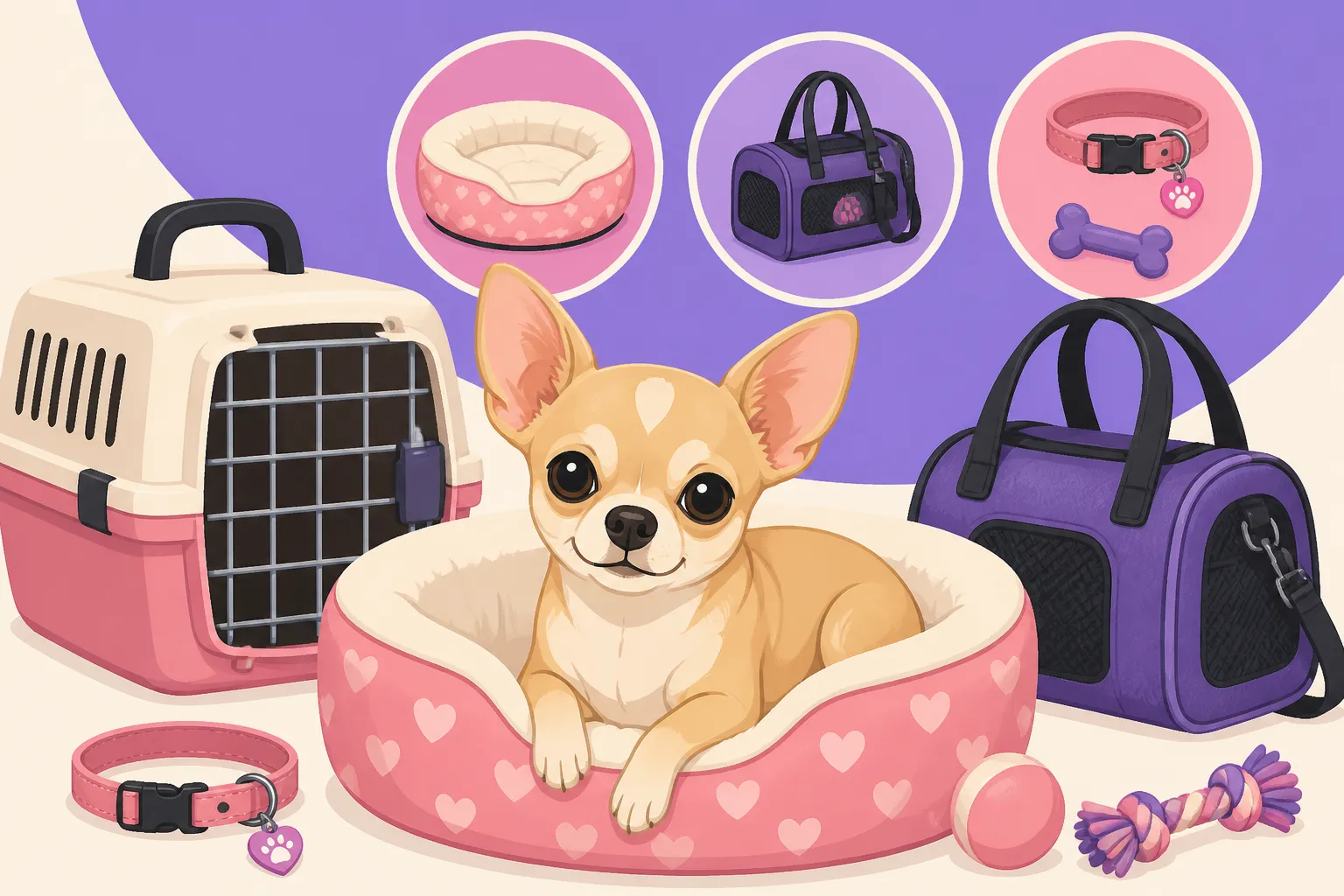
Chihuahuas are true burrowers by nature. If you've ever seen them disappear under a pile of blankets, you know exactly what I mean! This isn't just a cute quirk; it's an instinctual drive to seek warmth and security. Their small size means they lose body heat quickly, making a cozy, enclosed space incredibly appealing. Many conventional dog beds are too open and don't provide the sense of being "tucked in" that a Chihuahua craves. Look for beds designed specifically for burrowing, often called "cave beds" or "hooded beds," which feature an attached blanket or a domed top. These beds allow your Chihuahua to completely envelop themselves, mimicking the feeling of being in a den.
Alternatively, some owners find success with donut-style beds that have tall, plush sides, providing a snug perimeter for them to curl into. The key is finding something that allows them to get into the bed, not just on it. We also delve into the critical topic of Keeping a Chihuahua Warm Through Winter, and a well-chosen bed is a cornerstone of this effort. Remember, even indoors, a Chihuahua can feel a chill, especially if they are resting on a cool floor or near a draft. Brands like Chewy often offer a wide selection of these specialized beds, allowing you to browse different styles and materials to find the perfect fit for your little burrower.
Orthopedic Support for Tiny Joints
While Chihuahuas are generally robust for their size and enjoy a Chihuahua Lifespan and Why the Breed Reaches Sixteen, they are prone to certain orthopedic issues as they age, such as patellar luxation or arthritis. Providing proper support from a young age can help mitigate these problems and offer immense comfort to older dogs. An orthopedic bed might seem like overkill for such a small dog, but it can be incredibly beneficial. These beds typically feature memory foam or a dense, supportive foam that cradles the body, distributing weight evenly and reducing pressure on joints.
This is especially crucial for senior Chihuahuas who might experience stiffness or pain, a topic we explore in Senior Chihuahua Care Past the Age of Twelve. While a plush, soft bed feels good, if it allows them to sink all the way to the floor, it offers little true support. Look for beds with a solid, firm base that still has a soft, inviting top layer. Even if your Chihuahua is young and seemingly invincible, starting them with a supportive bed is a proactive step toward their long-term joint health.
Material and Washability Considerations
Let’s be real, dogs, regardless of size, can be messy. Accidents happen, paws get dirty, and beds accumulate odors. Therefore, the material and ease of cleaning are not just conveniences; they are practical necessities. A bed with a removable, machine-washable cover is non-negotiable. Look for durable fabrics that can withstand frequent washing without losing their shape or softness. Microsuede, faux fur, or sturdy cotton blends are often good choices. Consider also the fill material – some cheaper beds use loose polyfill that quickly clumps and flattens, losing its support and comfort. Shredded memory foam or high-density foam are often better, more resilient options.
Hypoallergenic materials can also be a bonus, especially if your Chihuahua has sensitive skin or allergies, which can sometimes manifest as bald patches or skin irritation. Keeping their bedding clean is a simple yet effective way to manage these issues. When you factor in the Monthly Cost of Keeping a Chihuahua, you want a bed that will last and not need constant replacement, making a washable, durable option a smart investment.
| Bed Type | Pros for Chihuahuas | Cons for Chihuahuas | Ideal Use Case |
|---|---|---|---|
| Cave/Hooded | Excellent for burrowing, warmth, security | Can be pricier, some Chihuahuas might prefer open | Anxious, cold, or burrowing Chihuahuas |
| Donut/Bolster | Provides sense of enclosure, good neck support | Can still be too open for extreme burrowers | Chihuahuas who like to curl up against sides |
| Orthopedic | Superior joint support, ideal for seniors/prone to injury | Often less 'nest-like' unless combined with bolster | Older Chihuahuas, those with joint issues |
| Elevated Cots | Good for air circulation in summer, easy to clean | No inherent warmth or burrowing potential | Warm climates, outdoor use, easy maintenance |
Selecting a Safe and Comfortable Carrier
A carrier for your Chihuahua is far more than just a box for transport; it's a mobile safe space. Whether you're heading to the vet, traveling across the country, or simply running errands, a good carrier provides security, protects your delicate companion from the outside world, and ensures they remain calm and comfortable. Given their tiny size, they can be easily stepped on or become overwhelmed in busy environments, making a carrier an indispensable item for any Chihuahua owner.
Airline-Approved Carriers for In-Cabin Travel
For many Chihuahua owners, the ability to travel with their furry friend is a huge perk. Thankfully, most Chihuahuas are small enough to fly in the cabin with you, provided you have an airline-approved carrier. This means the carrier must fit comfortably under the seat in front of you. Typically, these are soft-sided carriers with specific dimensions (which vary by airline, so always double-check before flying!). The carrier needs to be well-ventilated, secure, and allow your Chihuahua to stand up, turn around, and lie down comfortably.
Remember, your Chihuahua will likely spend several hours in this space, so comfort is paramount. Look for carriers with a soft, washable fleece pad inside, ample mesh windows for airflow and visibility, and a sturdy, escape-proof zipper. While it's tempting to get a carrier that just barely fits, consider one with a little extra room if permitted by airline regulations. This is a critical investment if you plan to travel, offering both safety for your pet and peace of mind for you.
Everyday Carriers for Outings and Errands
Beyond air travel, an everyday carrier is a lifesaver for regular outings. Imagine navigating a busy farmer's market, a crowded street, or a bustling shopping mall with a tiny Chihuahua at your feet. It's a recipe for anxiety, potential injury, and a constant fear of being stepped on. An everyday carrier provides a protective bubble. These can range from stylish tote bags designed for small dogs to more structured soft-sided carriers.
The main difference from airline carriers is often less rigid size constraints and more emphasis on convenient access and portability. Many feature mesh panels that can be zipped open, allowing your Chihuahua to peek out, or a clip to secure their harness to prevent accidental escapes. A good everyday carrier helps protect your Chihuahua's delicate frame, offering them a secure spot away from the feet of strangers and the attention of curious larger dogs. It also prevents potential accidents like a Chihuahua Eye Scratched by a Cat or Branch in an uncontrolled environment. Brands like Chewy offer a fantastic array of options, from budget-friendly choices to more premium designs that blend seamlessly with your personal style.
Backpack and Sling Options for Hands-Free Mobility
Sometimes you need to keep your Chihuahua close, but you also need your hands free. This is where specialized backpack carriers and slings come into their own. A dog sling, worn across your body like a baby carrier, allows your Chihuahua to snuggle securely against your chest or hip. This proximity is often comforting for Chihuahuas, who thrive on close contact and body warmth. It's excellent for quick trips, walks where you might encounter large dogs, or simply keeping them out of harm's way in busy public spaces.
Backpack carriers offer a similar hands-free benefit, distributing your Chihuahua's weight more evenly across your back. These are great for longer excursions, hikes, or situations where you need to carry other items. When choosing a backpack or sling, ensure it offers proper support for your Chihuahua's back and hips, has good ventilation, and a secure closure to prevent them from jumping out. The material should be comfortable for both you and your dog, and ideally, washable. While carrying your Chihuahua too much can sometimes lead to issues like Small Dog Syndrome and Why It Is Not Genetic, these carriers provide necessary protection in environments where it's genuinely unsafe for them to be on the ground.
Essential Small Gear for Daily Life
Beyond the major items like beds and carriers, there’s a whole world of smaller gear that plays a huge role in your Chihuahua's daily comfort, safety, and health. These are the items you use every day, often without a second thought, but for a Chihuahua, the specifics of their design can make all the difference. From what they wear on walks to what they eat from, these details are crucial.
Harnesses and Leashes for Delicate Tracheas
This is perhaps one of the most critical gear decisions for any Chihuahua owner. Due to their tiny size and delicate windpipes, Chihuahuas are highly susceptible to tracheal collapse. A traditional collar and leash, no matter how small, can put immense pressure on their trachea, especially if they pull on the leash or get excited. This can lead to a distinctive "honking cough" and, over time, serious damage. We've gone into extensive detail about this in Collapsing Trachea and the Chihuahua Honking Cough, and the overwhelming consensus is: a harness is essential.
When choosing a harness, look for one that is specifically designed for toy breeds, distributing pressure across their chest and shoulders, rather than their neck. A "vest" style harness or one with a Y-shaped chest strap is generally preferred. Avoid harnesses that put pressure directly on their throat or armpits. The leash should be lightweight, with small, sturdy hardware that won't weigh down your Chihuahua or cause discomfort. A six-foot, lightweight nylon or flat fabric leash is often ideal, allowing them room to explore without you having to constantly tug on their delicate frame. This single change can significantly reduce the risk of respiratory problems and make walks much more enjoyable for your little one. Our guide on Why a Harness Matters for a Chihuahua Windpipe explains this in even greater detail.
Bowls and Feeding Accessories for Small Mouths
It might seem trivial, but the right feeding bowls can make a difference for a Chihuahua. Their tiny mouths and sometimes short snouts mean that deep, wide bowls can be uncomfortable, making them stretch and strain to reach their food. This can lead to messy eating, but more importantly, it can put undue stress on their neck and even contribute to gagging or aspiration in extreme cases.
Look for shallow bowls, ideally made of stainless steel or ceramic, which are easy to clean and less prone to harbor bacteria than plastic. Elevated bowls can also be beneficial, especially for older Chihuahuas or those with neck issues, as they allow them to eat in a more natural, upright position without bending over too much. For water, a small, stable bowl is best. Some owners opt for water fountains with a very shallow basin to encourage hydration, as adequate water intake is vital. Since Chihuahuas are also prone to Chihuahua Dental Disease in a Crowded Small Jaw, keeping their eating area clean is key. Brands like Ollie, known for their fresh dog food, often also consider practical feeding solutions, though their main product is food.
Toys That Are Both Safe and Engaging
Finding toys for a Chihuahua presents a unique challenge: they need to be small enough for their mouth but durable enough not to become a choking hazard. Many standard "small dog" toys are still too big or too fragile. The ideal Chihuahua toy will be:
- Appropriately sized: They should be able to pick it up and carry it comfortably without it being a mouthful.
- Durable: Avoid toys with small parts that can be chewed off, or cheap plastics that splinter.
- Engaging: Chihuahuas are intelligent and can get bored easily. Puzzle toys (scaled down, of course) can provide mental stimulation, while small squeaky toys or soft fetch toys can satisfy their play drive.
- Safe materials: Always opt for non-toxic materials. Even robust rubber toys can be dangerous if a piece can be torn off and swallowed.
It's a constant battle to find toys that are both fun and won't turn into an emergency room visit. Small rope toys can be great, but monitor them for fraying. Plush toys are often loved, but ensure they don't have easily detachable eyes or noses. Since Chihuahuas often have tiny, sharp teeth, even small chews need to be chosen with care to prevent them from breaking off large pieces.
Investing in Durability and Safety
When you’re a Chihuahua parent, every purchase decision feels magnified because the stakes for a tiny dog are often higher. A cheaply made carrier could fail, leading to an escape or injury. A poorly designed bed might not provide the warmth or support your little one truly needs. This isn't just about saving money in the long run; it's about safeguarding your Chihuahua’s health and happiness. Investing wisely upfront can prevent costly vet visits, emotional distress, and the endless cycle of replacing inadequate items.
Longevity vs. Cost: Finding the Balance
It's tempting to opt for the cheapest option when buying pet supplies, especially with the Chihuahua Puppy Prices From $800 to $3,500 already being a significant investment. However, for Chihuahuas, the adage "you get what you pay for" often holds true, particularly with items like beds and carriers. A cheap dog bed might lose its loft and support within months, while a more expensive, well-constructed one could last for years. Similarly, a flimsy carrier might tear or break, putting your Chihuahua at risk.
The balance lies in prioritizing. For items directly impacting safety and health, such as harnesses and carriers, choose the best quality you can afford. For less critical items like certain toys, you might find some budget-friendly options that are still safe. Consider the lifespan of the product. If a slightly more expensive item lasts three times longer than a cheap one, it's actually saving you money and hassle in the long run. Plus, the peace of mind knowing your Chihuahua is safe and comfortable is priceless.
Recognizing Quality and Safe Materials
Knowing what to look for in terms of quality can save you a lot of grief. When it comes to fabrics, look for dense weaves, reinforced stitching, and sturdy zippers (preferably YKK or similar high-quality brands) on beds and carriers. For plastics, ensure they are non-toxic and robust, not brittle or easily chewed. Metal hardware on leashes and harnesses should be solid and corrosion-resistant, not thin or easily bent.
Certification labels, such as those indicating "orthopedic" foam density or "airline-approved" dimensions, can also be helpful indicators of quality. Don't be afraid to read reviews, especially from other small dog owners, to gauge real-world durability. A brand might claim their product is durable, but actual user experiences will tell you if it truly stands up to a Chihuahua's daily life. Remember, a Chihuahua's entire body weight could be hanging by that leash clip, or their delicate joints relying on that bed's support.
Adapting Gear as Your Chihuahua Ages
Just like humans, Chihuahuas' needs change as they age. A spry puppy might need stimulating toys and a simple, cozy bed. As they transition into their senior years, which for Chihuahuas can mean past the age of twelve, their requirements shift. They might develop arthritis, vision problems, or become more susceptible to cold. This means their gear needs to adapt too. An orthopedic bed becomes much more important for aching joints, ramps to access furniture might be needed to protect their knees, and warmer clothing might be necessary.
It’s important to regularly assess your Chihuahua’s current gear to ensure it’s still meeting their needs. A bed that was perfectly adequate at five years old might not provide enough support at fifteen. Their harness might need an upgrade to a more cushioned style if they become frailer. Being proactive about these changes can significantly improve their quality of life as they age, helping them remain comfortable and mobile for as long as possible. Thinking about longevity and adaptability when you first purchase items can save you money and stress later on, and can be viewed as another way to manage the Chihuahua Surgery Costs at Toy Size that might arise from falls or chronic issues.
Budgeting for Chihuahua Gear
Bringing a Chihuahua into your home is a long-term commitment, both emotionally and financially. While they might be small, their needs for appropriate gear are significant and can add up. Understanding the costs associated with initial setup and ongoing replacements will help you budget effectively, preventing unexpected financial surprises down the road. It’s not just about the one-time purchase; it’s about a continuous investment in their comfort and safety throughout their long life.
Initial Outlay for a New Puppy or Rescue
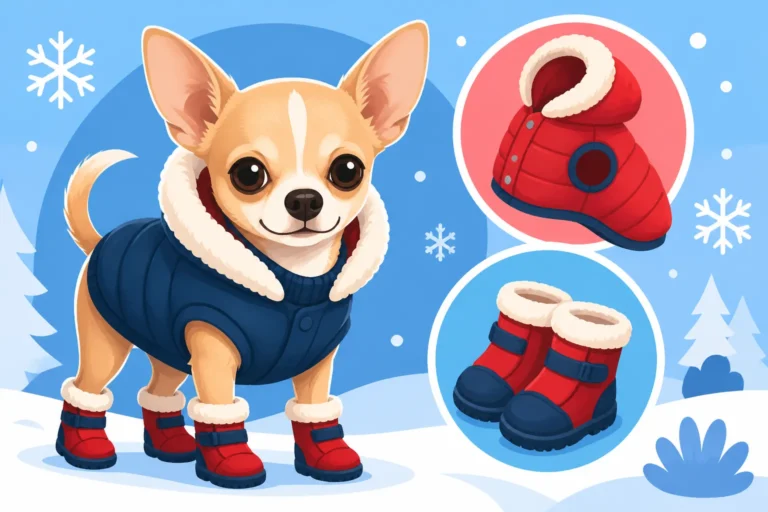
When you first bring home a Chihuahua, whether it’s a tiny puppy or a deserving rescue, there’s an immediate need for essential gear. This initial outlay can be substantial. You'll need at least one quality bed, a secure carrier for transport, a suitable harness and leash, food and water bowls, and a selection of safe toys. Depending on where you live and the time of year, you might also need a warm sweater or coat right away.
Consider the example of a new puppy owner in Seattle. They might prioritize a water-resistant coat and indoor potty solutions because of the frequent rain. An owner in Arizona, however, might focus on cooling mats and lightweight carriers. The total cost for these initial items can range from a few hundred dollars to upwards of $500, depending on the brands and quality you choose. Many savvy owners find that shopping at places like Chewy allows them to compare options and read reviews, ensuring they get the best value for their money. This early investment is foundational to ensuring your Chihuahua settles in safely and happily. If you're adopting, remember that the Chihuahua Adoption Fees Are So Low and sometimes the shelter sends some basic gear home with them, but it’s always wise to be prepared for your own preferred items.
Ongoing Replacement and Upgrade Costs
The cost of Chihuahua gear isn't a one-and-done expense. Items wear out, get damaged, or become unsuitable as your dog grows and ages. Toys need regular replacement for safety and to maintain engagement. Beds will eventually lose their cushioning or get too worn. Carriers might need an upgrade if you start traveling more, or if your dog outgrows their puppy carrier. Harnesses can stretch or hardware can fail.
Beyond normal wear and tear, there are also costs associated with upgrading for health reasons, such as investing in an orthopedic bed when your Chihuahua enters their senior years. This continuous cycle means you should factor in a small ongoing budget for gear. While a single piece might not break the bank, cumulatively over your Chihuahua's long lifespan, these replacements can add up. Being mindful of this helps you make more sustainable purchasing decisions, balancing initial cost with long-term durability, rather than constantly buying cheap replacements that fail quickly. This forethought is a smart part of Budgeting for a Chihuahua That Lives Sixteen Years.
Disclaimer
Please note that the information provided in this article is for general informational purposes only and does not constitute veterinary advice. Always consult with a qualified veterinarian for any health concerns or before making any decisions about your Chihuahua's care, diet, or medical treatment.