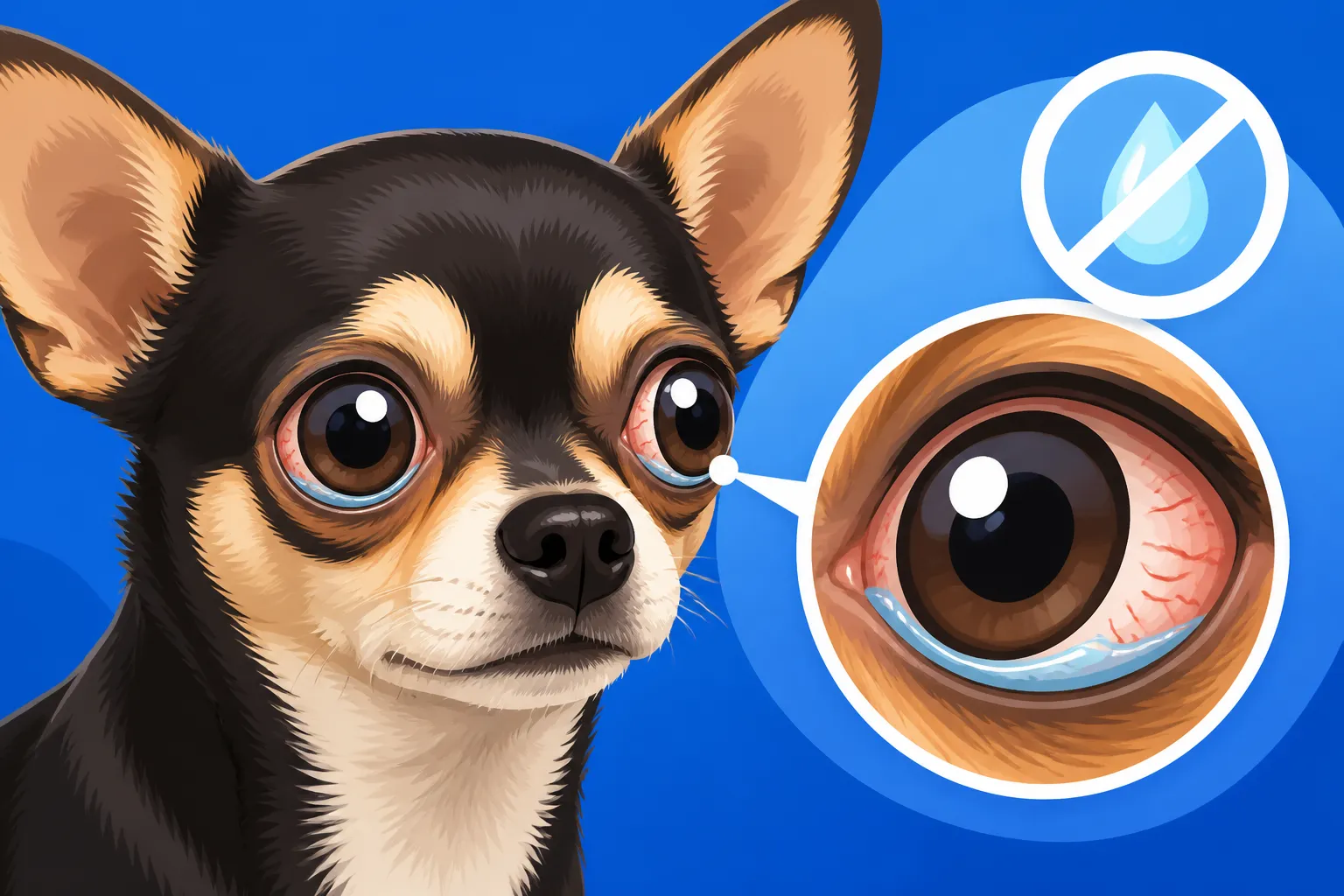
Dry Eye Behind a Chihuahua’s Prominent Eyes
One of the most disheartening things about having a Chihuahua with those famously large, expressive eyes is when they start to look dull, red, or constantly weepy. It’s easy to dismiss it as just a little irritation or allergies, but sometimes, those prominent peepers are actually suffering from a chronic and painful condition known as dry eye, or keratoconjunctivitis sicca (KCS). This guide will delve deep into understanding dry eye, how to spot it, and what you can do to keep your tiny companion comfortable and seeing clearly.
Understanding Keratoconjunctivitis Sicca (KCS) in Chihuahuas
When you look at your Chihuahua's big, beautiful eyes, it's hard to imagine them being anything but perfect. Yet, their very structure can predispose them to certain issues, and dry eye is one that often flies under the radar until it's quite advanced. It's a condition where the eye simply doesn't produce enough tears, or the tears produced are of poor quality, leading to a host of problems.
What Exactly is Dry Eye?
To truly grasp dry eye, it helps to understand how a healthy eye works. Our Chihuahuas, just like us, have a delicate tear film that constantly coats the surface of their eyes. This film isn't just water; it's a complex, three-layered miracle that provides lubrication, nourishment, and protection. There's an oily outer layer to prevent evaporation, a watery middle layer for moisture and oxygen, and a mucous inner layer to help the tears spread evenly. When any of these layers are compromised, or the tear glands aren't doing their job, the eye loses its protective barrier.
Imagine waking up every day and feeling like there's grit in your eyes, a constant burning or itching sensation that never goes away. That's essentially what a Chihuahua with dry eye experiences. Their eyes are starved of moisture, leading to inflammation, discomfort, and vulnerability to damage. It's not just an irritation; it’s a breakdown of the eye’s natural defense system, which can have long-lasting consequences if not addressed.
This lack of proper lubrication means friction every time they blink, leading to tiny abrasions on the cornea – the clear front surface of the eye. Over time, these can become painful ulcers, or the eye might try to compensate by forming new blood vessels and pigment, which further obstructs vision. It’s a progressive condition that warrants serious attention, not just a casual wipe with a damp cloth.
Why Chihuahuas Are Prone to KCS
Chihuahuas, with their distinctly prominent eyes and often shallow eye sockets, are unfortunately more susceptible to a variety of eye issues. This breed trait, while endearing, means their eyes are more exposed to the elements and can dry out more easily than those of breeds with deeper-set eyes. Think about it: their eyes are literally sticking out a bit more, which increases the surface area exposed to wind, dust, and dry air, accelerating tear evaporation.
Beyond the anatomical predisposition, Chihuahuas can also have a genetic component to KCS. Some breeds are simply more prone to autoimmune disorders where the body's own immune system attacks the tear-producing glands, diminishing their function. While not every prominent-eyed Chihuahua will develop KCS, it's a significant risk factor that owners need to be aware of. It's a quiet enemy, slowly causing damage before obvious symptoms appear.
Additionally, certain medications, underlying health conditions like hypothyroidism or diabetes, or even past eye infections or injuries can contribute to the development of dry eye in Chihuahuas. For example, a previous corneal injury might have inadvertently damaged tear glands. This is why a thorough veterinary examination is so crucial when any eye symptoms arise; it's rarely a simple fix when it comes to these tiny, complex organs. It's also important to differentiate dry eye from general irritation, which is covered in more detail in our article on Chihuahua Eye Injuries and Prominent Eyes.
The Difference Between Dry Eye and Regular Irritation
This is where many Chihuahua owners get frustrated, and understandably so. The initial signs of dry eye can look a lot like a simple irritation – maybe a little redness, some squinting, or a bit of discharge. You might think your Chihuahua just got something in their eye, or perhaps they're experiencing a mild allergy. The problem is, while regular irritation usually resolves quickly with minimal intervention, KCS is a chronic condition that won't go away on its own.
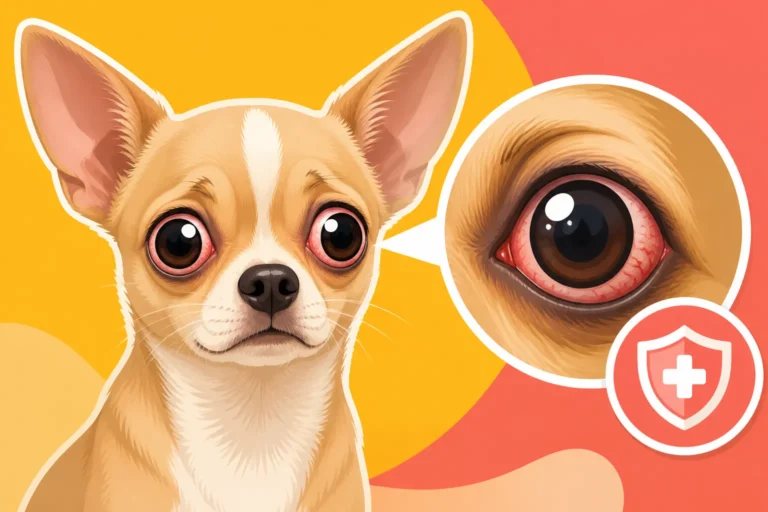
A "regular irritation" might present with a brief period of redness, a bit of watery discharge, and perhaps some pawing at the eye. It often clears up within a day or two. With KCS, however, the symptoms persist, and often worsen. The discharge might become thick, stringy, and yellowish-green, not just clear and watery. The redness becomes chronic, and the eye might even start to look dull or cloudy over time.
The real difference lies in the underlying cause. Regular irritation is often external (dust, pollen, a stray hair), while KCS is an internal malfunction of the tear production system. This means that while a simple saline rinse might bring temporary relief for irritation, it won't fix KCS. Mistaking KCS for irritation can lead to significant delays in treatment, allowing the condition to progress and cause irreversible damage to your Chihuahua’s precious eyesight and comfort. If you notice persistent tear staining, it's worth investigating deeper than just surface cleaning, as discussed in Chihuahua Tear Staining Under the Eyes.
Recognizing the Signs and Getting a Diagnosis
Early recognition is key to managing dry eye effectively and preventing severe complications. Chihuahua owners need to be particularly vigilant because their dogs' small size and often stoic nature can sometimes mask discomfort. What might seem like a minor annoyance to you could be a constant source of pain for your furry friend.
Common Symptoms You Might See
The earliest signs of dry eye in a Chihuahua can be subtle. You might notice your dog blinking more frequently, or even squinting slightly, especially in bright light. Their eyes might look a bit redder than usual around the white part, or the cornea itself could seem a little dull or hazy. One of the most telling signs is the type of discharge. Instead of clear, watery tears, you might start seeing thick, stringy mucus accumulating in the corners of their eyes, sometimes even sticking their eyelids together. This discharge is the eye’s attempt to lubricate itself with whatever moisture it can muster, often mixed with debris and inflammatory cells.
As the condition progresses, the symptoms become more obvious and concerning. Your Chihuahua might develop painful corneal ulcers, which can cause intense discomfort, leading to excessive pawing at the face or rubbing their eyes on furniture. The cornea might begin to look cloudy or opaque due to chronic inflammation and pigmentation, eventually impairing vision. Some Chihuahuas might even develop recurrent eye infections because the protective tear film is absent, making them vulnerable to bacteria. It’s a vicious cycle where discomfort leads to more rubbing, which leads to more damage.
It's also not uncommon for Chihuahuas with dry eye to seem generally less playful or more withdrawn due to chronic pain. They might avoid certain activities, like walks in windy conditions, or become sensitive to touch around their head. If you suspect any of these signs, it's really time to act. Don't wait for things to escalate; those little eyes are too important. Our article on Chihuahua Eye Problems in a Shallow Socket further explores the anatomical challenges.
The Schirmer Tear Test Explained
If you bring your Chihuahua to the vet with concerns about their eyes, one of the first and most definitive diagnostic tools they’ll use for suspected KCS is the Schirmer Tear Test. This isn't some invasive, scary procedure; it's a simple, quick, and painless test that provides immediate results. It involves placing a small, specially calibrated strip of filter paper, typically with a blue indicator dye, inside your Chihuahua's lower eyelid. The vet will leave it there for precisely one minute.
During that minute, the paper strip absorbs the tears produced by your Chihuahua's eye. After the minute is up, the vet removes the strip and measures how far the tears have wicked up the paper, indicated by the moistened section. A normal reading for a dog is generally above 15 millimeters in one minute. If your Chihuahua's reading falls significantly below that, say under 10mm, it's a strong indicator of KCS. Readings below 5mm are considered severe.
This test is absolutely crucial because it provides an objective measurement of tear production, taking the guesswork out of diagnosis. Without it, it’s easy to misinterpret symptoms, leading to incorrect treatment. It's a fundamental step that allows your vet to confirm dry eye and rule out other eye conditions that might present similarly. Having reliable pet insurance, perhaps from a provider like Healthy Paws, can certainly make the various diagnostic tests and subsequent treatments less of a financial burden, allowing you to prioritize your Chihuahua's health.
Why Early Detection Matters So Much
The phrase "early detection saves sight" is particularly true when it comes to KCS in Chihuahuas. Because dry eye is a progressive condition, delaying treatment means allowing ongoing damage to the cornea. Without adequate lubrication, the corneal surface remains dry, inflamed, and prone to painful ulcers. These ulcers are not only incredibly uncomfortable but can also lead to secondary bacterial infections, which, if severe enough, can even result in rupture of the eye.
Beyond the immediate pain and infection risk, chronic KCS causes irreversible changes to the eye over time. The cornea, in its attempt to protect itself, might become scarred, vascularized (filled with tiny blood vessels), and pigmented (darkened). These changes significantly reduce vision, sometimes to the point of blindness. Imagine your tiny friend navigating the world with increasingly cloudy vision, bumping into things, and losing their confidence. This is the heartbreaking reality that can be prevented with timely intervention.
Early diagnosis and consistent treatment allow us to manage the condition, stimulate tear production, and protect the corneal surface, maintaining both comfort and vision for as long as possible. It means fewer painful episodes, less medication in the long run, and a better quality of life for your beloved Chihuahua. This commitment to long-term care is something many senior Chihuahuas require, as detailed in our guide on Senior Chihuahua Care Past the Age of Twelve.
Managing Chihuahua Dry Eye for Long-Term Comfort
Once a diagnosis of KCS is confirmed, it's important to understand that dry eye is typically a lifelong condition that requires ongoing management. There's no quick fix, but with dedication and the right approach, your Chihuahua can live a comfortable life with minimal discomfort.
Lifelong Medical Management Options
The cornerstone of KCS treatment usually involves a combination of medications designed to either stimulate tear production or replace missing tears. The most common and effective medications for stimulating tear production are topical immune suppressants like cyclosporine (e.g., Optimmune) or tacrolimus eye drops. These medications work by targeting the immune-mediated inflammation that often causes the tear glands to stop functioning properly, encouraging them to produce natural tears again. They need to be administered consistently, usually once or twice daily, for the rest of your Chihuahua's life.
In addition to tear stimulators, artificial tear solutions are often prescribed to provide immediate lubrication and comfort, especially in the initial stages or during flare-ups. These drops don't stimulate natural tear production but act as a soothing substitute. Sometimes, anti-inflammatory drops, like corticosteroids, might be used short-term to reduce severe inflammation, but they are typically used cautiously and under strict veterinary supervision due to potential side effects like delaying ulcer healing.
If your Chihuahua develops secondary bacterial infections due to dry eye, your vet will also prescribe antibiotic eye drops to clear up the infection. It’s a delicate balance, and finding the right regimen often involves a bit of trial and error to see what works best for your individual Chihuahua. Always remember to follow your vet's instructions precisely, as tiny Chihuahuas are very sensitive to medication dosages. Ensuring you have robust pet insurance, such as a plan from Healthy Paws, can significantly help with the costs associated with these ongoing prescription medications and regular vet check-ups.
The Importance of Consistent Care
Let's be honest, administering eye drops to a squirmy Chihuahua, especially twice a day, every single day, can feel like a monumental task. But with KCS, consistency isn't just important; it's absolutely non-negotiable. Skipping doses, even for a day or two, can quickly lead to a regression in tear production and a return of uncomfortable symptoms, essentially undoing the progress you've made. It's a marathon, not a sprint.
Imagine going through a whole week of diligent application, seeing your Chihuahua's eyes improve, only for the redness and discharge to return because you missed a couple of doses. It's disheartening, but it's the reality of managing a chronic condition. Establishing a routine – perhaps tying eye drops to meal times or specific daily activities – can help make it a consistent habit for both you and your dog. Keep those treats handy for positive reinforcement!
Regular follow-up appointments with your veterinarian are also vital. They'll need to monitor your Chihuahua's tear production with repeat Schirmer Tear Tests and check the overall health of their eyes to adjust medication as needed. What works well for a few months might need tweaking later. This continuous monitoring helps prevent flare-ups and addresses any new complications promptly. For general health considerations, including routine vet care, it's always good to consider the specific needs discussed in Chihuahua Vaccination and Anesthesia at Toy Size.
| Symptom Category | Dry Eye (KCS) | Normal Eye Irritation |
|---|---|---|
| Redness | Chronic, persistent, worsens over time | Temporary, resolves quickly (1-2 days) |
| Discharge | Thick, stringy, yellowish-green mucus | Clear, watery, can be excessive initially |
| Comfort | Persistent discomfort, squinting, rubbing | Mild discomfort, resolves with irritation |
| Cornea | Dull, hazy, cloudy, pigmented, potential ulcers | Clear, bright, no significant changes |
| Progression | Worsens without treatment | Improves on its own or with basic care |
| Diagnosis | Confirmed by Schirmer Tear Test | Often self-resolving or vet rules out KCS |
Supporting Your Chihuahua at Home
Beyond medications, there are several things you can do around the house to make your Chihuahua with dry eye more comfortable and support their treatment. Environmental factors play a big role. Dry air, especially from heating or air conditioning, can exacerbate dry eye. Using a humidifier in the rooms where your Chihuahua spends most of their time can help add moisture to the air and reduce evaporation from their eyes.
Protecting their eyes from irritants is also crucial. If you live in a dusty area, or if your Chihuahua likes to stick their head out the car window, consider using Doggles or other protective eyewear. While it might look a bit silly, it provides a physical barrier against wind, dust, and debris that can further irritate dry eyes. Regularly wiping away any discharge from around their eyes with a soft, damp cloth can prevent crust buildup and secondary skin irritation. Just be incredibly gentle, as their eyes are already sensitive.
Finally, managing other health conditions is important, as some, like Chihuahua Dental Disease in a Crowded Small Jaw or hypothyroidism, can contribute to dry eye or complicate its management. A holistic approach to your Chihuahua's health, ensuring they are otherwise well-fed and cared for, will always provide the best foundation for managing chronic conditions like KCS. Your dedication to their daily care truly makes all the difference in their comfort and well-being.
Disclaimer
This article is intended for informational purposes only and does not constitute veterinary advice. Always consult with a qualified veterinarian for any health concerns or before making any decisions about your Chihuahua's medical care.