Coughing at Night in a Chihuahua With Heart Disease
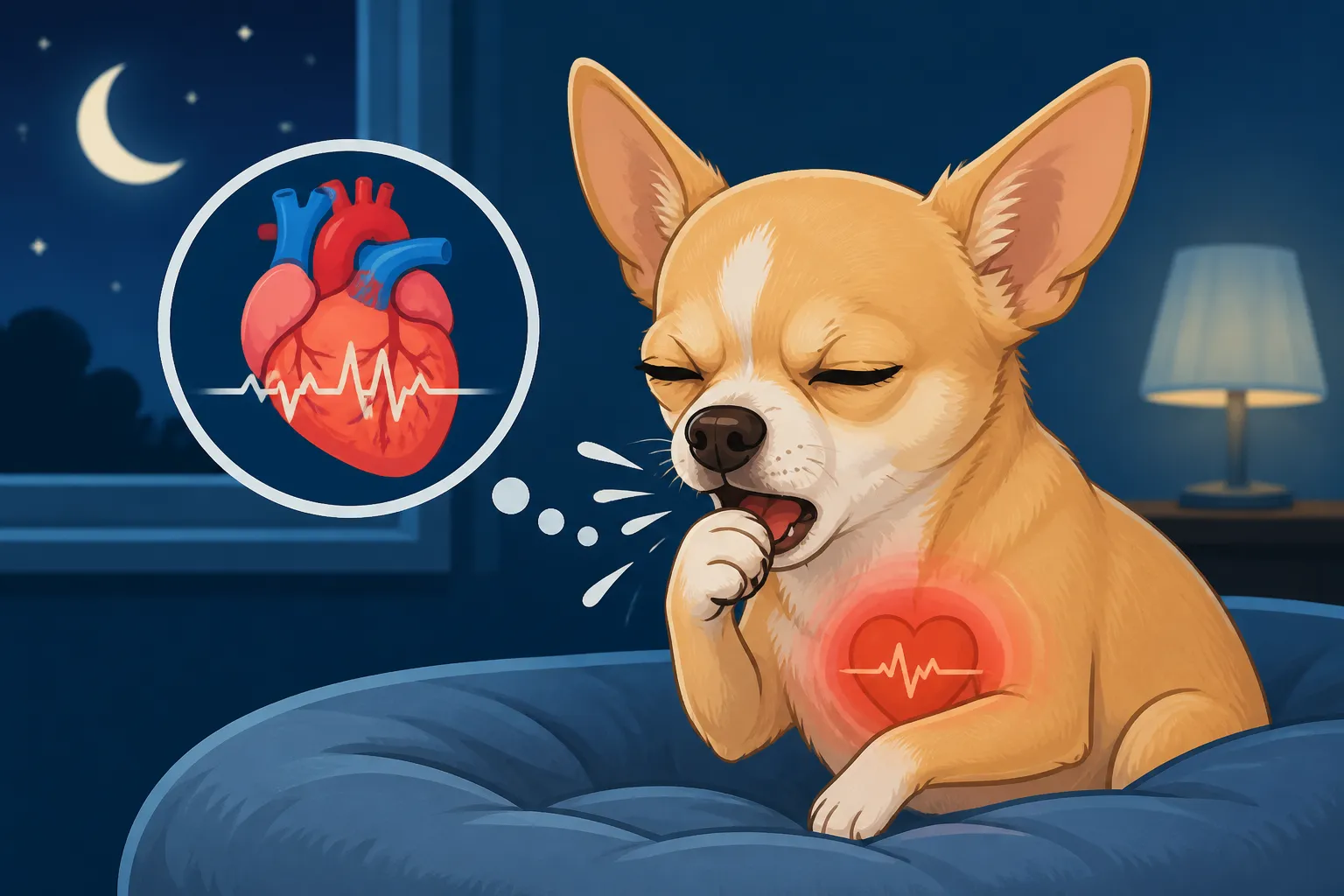
There are few things more alarming than waking up to the sound of your beloved Chihuahua coughing, especially if you already know they're dealing with heart disease. This isn't just a minor annoyance; it can be a terrifying sign that their little heart is struggling, and fluid might be building up in their tiny lungs. This comprehensive guide is here to walk you through why Chihuahuas with heart disease often cough at night, how to tell if it's their heart or something else, and most importantly, what you can do to help manage their symptoms and keep them comfortable.
Understanding the Link Between Heart Disease and Night Coughs
When a Chihuahua has heart disease, it's not just their heart that's affected; it's a systemic issue that impacts their entire body, particularly their respiratory system. The heart and lungs work in tandem, and when one struggles, the other inevitably feels the strain. This connection is why a heart condition can manifest as a persistent, unsettling cough.
How Heart Disease Impacts Lung Function in Chihuahuas
Imagine your Chihuahua's heart as a tiny but mighty pump, responsible for circulating blood, rich with oxygen and nutrients, throughout their body. In many common heart conditions seen in Chihuahuas, particularly Mitral Valve Disease in an Older Chihuahua, the left side of the heart, which is responsible for pumping oxygenated blood to the body, begins to weaken or malfunction. When the mitral valve, located between the left atrium and left ventricle, doesn't close properly, blood can leak backward. This backflow causes pressure to build up in the left atrium, which then extends backward into the pulmonary veins and capillaries in the lungs.
This increased pressure forces fluid out of the tiny blood vessels in the lungs and into the surrounding lung tissue, a condition known as pulmonary edema. For your little one, it's like trying to breathe through a wet sponge. This fluid accumulation makes it incredibly difficult for the lungs to properly exchange oxygen and carbon dioxide, leading to shortness of breath and, most noticeably, a cough. The body tries to clear this fluid by coughing, which, while a protective reflex, also signals a serious underlying problem.
Why Nighttime Makes Coughing Worse
It often feels like these coughs are much more frequent and severe at night, and there's a very logical, if disheartening, reason for this. When your Chihuahua is up and moving around during the day, gravity helps to pull some of that accumulated fluid down and away from the main airways. They might still cough, but it can be less noticeable or frequent.
However, when your Chihuahua lies down to sleep, especially on their side or back, gravity no longer offers that assistance. The fluid that has been gathering in their lungs can spread more evenly or even shift to areas that put more direct pressure on their airways. Furthermore, during sleep, breathing patterns naturally slow, and the body's metabolism decreases. This can mean less efficient clearing of the airways and a more pronounced awareness of the discomfort, often leading to prolonged bouts of coughing that can be very distressing for both pet and owner. The quiet of the night also means every gasp and hack is amplified, making the problem seem even more urgent.
Distinguishing a Heart Cough from a Tracheal Cough
This is a critical distinction for any Chihuahua owner, as Chihuahuas are also prone to other respiratory issues like Collapsing Trachea and the Chihuahua Honking Cough. A cough caused by heart disease, often referred to as a "cardiac cough," typically sounds soft, wet, or gurgly, almost like they're trying to clear something thick from their throat. It's often worse when they're resting, lying down, or sleeping, and can sometimes be followed by swallowing or gagging as they try to clear the fluid. You might also notice concurrent signs of difficulty breathing, like increased respiratory effort, panting, or a bluish tint to their gums in severe cases.
In contrast, a cough associated with tracheal collapse or other airway issues tends to be dry, harsh, and sounds like a "goose honk." This cough is frequently triggered by excitement, exercise, pulling on a collar (which is why harnesses are always recommended for Chihuahuas), or even changes in temperature or humidity. While a Chihuahua can have both conditions, understanding the characteristics of each cough is vital for your veterinarian to make an accurate diagnosis. It's a challenging task, and knowing how to describe what you're hearing is a huge first step in Telling a Heart Cough From a Trachea Cough.
Common Heart Conditions Leading to Night Coughs in Chihuahuas
Chihuahuas, despite their robust lifespans, are unfortunately susceptible to certain heart conditions that can lead to significant respiratory distress, especially as they age. Understanding these conditions helps to contextualize why a night cough might be developing.
Mitral Valve Disease and Its Progression
The most prevalent heart condition affecting Chihuahuas, and indeed many small breeds, is Degenerative Mitral Valve Disease (DMVD). This condition is a slow, progressive degeneration of the mitral valve, one of the four valves in the heart. As the valve leaflets thicken and become distorted over time, they lose their ability to close tightly with each heartbeat. This means that instead of blood flowing only forward from the left atrium into the left ventricle, some of it leaks backward into the atrium. This "regurgitation" is what causes a heart murmur, often the first sign a vet detects during a routine examination. Learning about Chihuahua Heart Murmurs and What Grade Matters can provide more insight into this initial diagnostic step.
As the disease progresses, the heart works harder to compensate for the inefficiency. The left atrium and then the left ventricle can begin to enlarge, changing the heart's overall shape and size. This enlargement itself can become a problem, as the expanded heart can physically press against the main airways, like the trachea and bronchi, further contributing to a cough. Eventually, the increased pressure in the left atrium backs up into the blood vessels of the lungs, leading to pulmonary edema and the wet, gurgling cough that is so concerning, particularly at night.
Congestive Heart Failure and Fluid Accumulation
When Mitral Valve Disease, or other heart conditions, reaches an advanced stage where the heart can no longer effectively pump blood and fluid starts to accumulate in the body, it progresses to Congestive Heart Failure (CHF). For a Chihuahua, this is a serious and life-threatening condition. The fluid build-up in the lungs, known as pulmonary edema, is the primary cause of the coughing, especially the kind that worsens when lying down.
Beyond the coughing, dogs in CHF may show other alarming symptoms such as rapid or labored breathing, a reluctance to move, increased lethargy, reduced appetite, and sometimes even collapse. Owners might notice their Chihuahua struggling to find a comfortable position, constantly shifting, or sitting with their elbows out to try and expand their chest. Recognizing Congestive Heart Failure Signs in a Chihuahua early is absolutely crucial, as prompt veterinary intervention can make a significant difference in their prognosis and comfort. This is where comprehensive pet insurance, like a plan from Healthy Paws, can be incredibly beneficial, helping to cover the diagnostic tests and ongoing treatments needed for such a serious condition.
The Role of Heart Enlargement and Airway Compression
As mentioned earlier, the physical enlargement of the heart due to conditions like DMVD isn't just an internal issue; it can have tangible mechanical effects on neighboring structures. A Chihuahua's chest cavity is small, and every organ is packed in quite tightly. When the heart becomes enlarged, particularly the left atrium, it expands backward and upward, directly impinging on the trachea and the main bronchial tubes.
Think of it like a balloon inflating inside a small box with flexible tubes. As the balloon grows, it squeezes those tubes, narrowing the passageway for air. This compression of the airways can trigger a cough even before significant fluid accumulation occurs, or it can exacerbate a cough caused by pulmonary edema. It creates a vicious cycle: the heart struggles, enlarges, compresses the airways, leading to a cough, which further stresses the system. This anatomical reality makes the management of Chihuahua Heart Disease as the Breed Ages particularly complex, as you're often dealing with both fluid issues and structural compression simultaneously.
| Symptom Feature | Heart Cough (Cardiac) | Tracheal Cough (Collapsed Trachea) |
|---|---|---|
| Sound | Wet, gurgly, soft, sometimes gagging | Dry, harsh, "goose honk" sound |
| Triggers | Resting, lying down, sleeping, waking up | Excitement, exercise, pulling on leash, drinking, eating, humidity |
| Frequency | Often worse at night/early morning | Can be anytime, often activity-related |
| Associated Signs | Labored breathing, lethargy, blue gums, reduced appetite | Noisy breathing (wheezing), reluctance to wear collar |
| Relief | Often improves with standing/sitting | Can be briefly relieved by swallowing |
Managing Night Coughs in Chihuahuas with Heart Disease
Effectively managing night coughs in Chihuahuas with heart disease is a multi-faceted approach that requires close collaboration with your veterinarian. It's about more than just silencing the cough; it's about improving their overall heart function and quality of life.
Veterinary Diagnosis and Monitoring
The first, and most crucial, step when you notice a persistent night cough in your Chihuahua, especially if they have a known heart murmur or history of heart disease, is an immediate trip to the vet. They'll need to conduct a thorough examination and diagnostic tests to confirm the cause of the cough and assess the current stage of their heart disease. This typically involves several key components. A chest X-ray is often performed to visualize the size and shape of the heart and to look for signs of fluid in the lungs (pulmonary edema). Your vet might also perform an echocardiogram, which is an ultrasound of the heart. This non-invasive test allows them to see the heart's chambers, valves, and blood flow in real-time, providing critical information about how well the heart is functioning and the severity of any valve leakage. Blood tests can also assess overall health and kidney function, which is important when considering heart medications.
Regular monitoring is equally vital. Even after diagnosis and starting treatment, your Chihuahua will need follow-up appointments, potentially including repeat X-rays or echocardiograms, to ensure the medication is working effectively and to adjust dosages as needed. This proactive approach helps to catch any progression of the disease early, allowing for timely adjustments to their care plan. Understanding Chihuahua Heart Workup Costs can help you prepare for these necessary diagnostic steps. Many pet parents find the support of pet insurance, such as what Healthy Paws provides, to be incredibly valuable in managing the expenses of ongoing diagnostics and treatments for chronic conditions.
Medication and Treatment Strategies
Once heart disease and its contribution to the night cough are confirmed, your veterinarian will likely prescribe a combination of medications tailored to your Chihuahua's specific condition and stage of disease. Diuretics, such as Furosemide (Lasix), are frequently used to help the body excrete excess fluid, reducing pulmonary edema and alleviating the pressure in the lungs that causes coughing. These medications are powerful, and proper dosing for a tiny Chihuahua is essential.
Another common class of drugs includes ACE inhibitors, like Enalapril or Benazepril. These medications help to relax blood vessels, reducing the workload on the heart and improving its efficiency. Pimobendan, often known by the brand name Vetmedin, is a groundbreaking medication that both strengthens the heart's contractions and dilates blood vessels, further enhancing heart function and blood flow. It's truly a hero drug for dogs with congestive heart failure. Depending on the specifics, other medications like spironolactone (another diuretic) or beta-blockers might also be prescribed. Adhering strictly to the prescribed dosage and schedule for Chihuahua Heart Medication and Daily Dosing is paramount. Never adjust medication without consulting your vet, as even small changes can have a significant impact on such a tiny system.
Home Care and Comfort Measures
Beyond veterinary treatments, there are several things you can do at home to help make your Chihuahua more comfortable and potentially reduce their night coughs. One simple yet effective measure is elevating their head during sleep. Just like in humans, raising the head can help gravity pull fluid away from the upper airways. You can achieve this by using a special orthopedic dog bed designed for this purpose, or even by carefully arranging pillows or blankets to create a gentle incline where your Chihuahua rests their head. Some Chihuahuas instinctively try to sleep propped up, so watch for cues.
Maintaining a calm and stable environment is also beneficial. Stress and excitement can increase heart rate and breathing, potentially exacerbating coughing spells. Try to avoid highly stimulating activities right before bedtime. Regular, gentle exercise appropriate for their condition can help maintain muscle tone and circulation without overtaxing their heart. Monitoring their resting respiratory rate at home is a powerful tool; count how many breaths they take in 15 seconds and multiply by four. A significant increase over their baseline could indicate worsening fluid accumulation and warrants a call to your vet. For older Chihuahuas, particularly those in Senior Chihuahua Care Past the Age of Twelve, these comfort measures become even more important for their overall well-being. Peace of mind regarding these ongoing care needs and potential emergency visits can often be found with a robust pet insurance plan, such as those offered by Healthy Paws, which can help alleviate the financial stress during an already difficult time.
When to Seek Emergency Veterinary Care
While regular veterinary care and home management are essential, there are times when a coughing Chihuahua with heart disease requires immediate, emergency attention. Recognizing these critical signs can be life-saving.
Recognizing Signs of Respiratory Distress
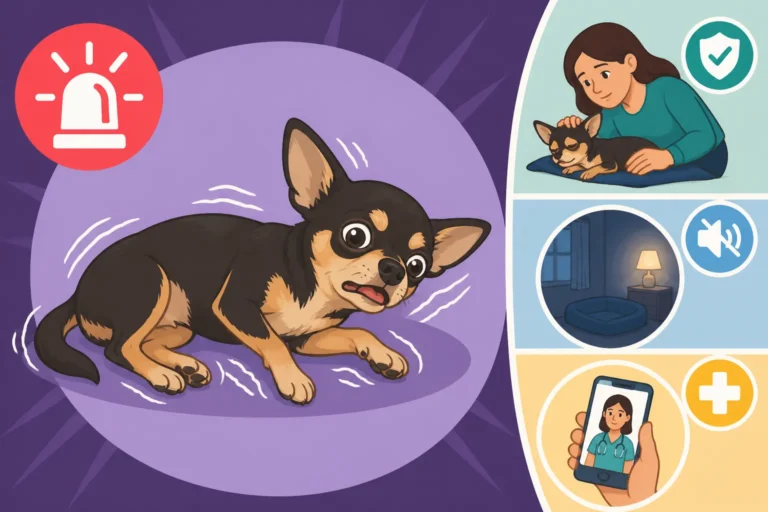
It's one thing to hear a few soft coughs at night, but it's another entirely to witness your Chihuahua struggling to breathe. If you notice any of the following signs, do not delay – get to an emergency vet immediately:
- Bluish or purplish gums or tongue: This is a clear indicator that your Chihuahua is not getting enough oxygen. It's a critical emergency.
- Severe, persistent panting or open-mouth breathing when at rest: While Chihuahuas pant when hot or excited, continuous, heavy panting without a clear reason, especially at rest, is a sign of respiratory distress.
- Labored breathing with significant abdominal effort: If their belly is heaving noticeably with each breath, they are working extremely hard to breathe.
- Reluctance to lie down, constantly shifting position, or stretching their neck out: They are trying to open their airways to get more air.
- Weakness, collapse, or inability to move: This indicates severe oxygen deprivation or a critical cardiac event.
- Foaming at the mouth or a gurgling sound with each breath: This can indicate severe fluid in the lungs.
These aren't just uncomfortable symptoms; they are signs that your Chihuahua's life is in immediate danger.
The Importance of Rapid Intervention
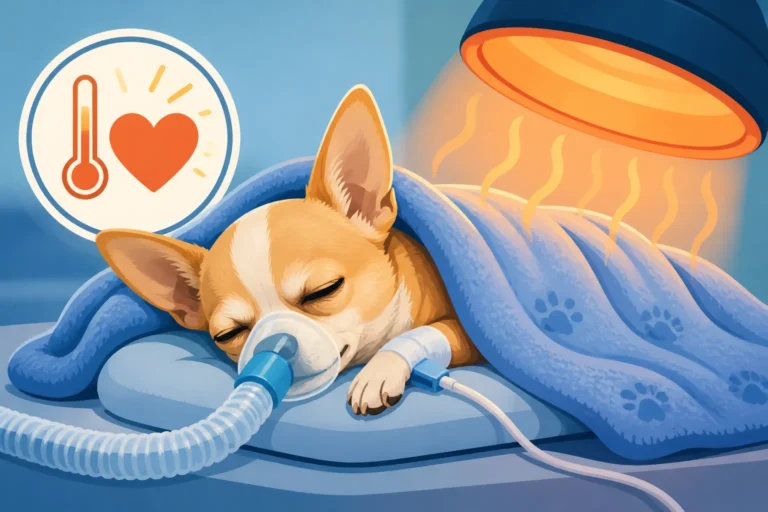
In cases of acute congestive heart failure or severe pulmonary edema, time is absolutely critical. Every minute counts. Waiting to see if the symptoms improve on their own can lead to irreversible damage or, tragically, loss of life. When you arrive at an emergency veterinary clinic, the team will prioritize stabilizing your Chihuahua's breathing and oxygen levels. This will likely involve immediate oxygen therapy to help them breathe more easily. Stronger, fast-acting diuretics might be administered intravenously to rapidly remove fluid from the lungs. Other medications to support heart function may also be given.
The goal is to alleviate the immediate crisis and then work with your regular veterinarian for ongoing management. While the thought of an emergency can be daunting, both emotionally and financially, knowing what to do and acting quickly is the best way to give your beloved Chihuahua the chance to recover. Keeping your vet's emergency number, or the number of a local 24-hour animal hospital, readily accessible is a responsible part of owning any dog, especially one managing a chronic condition like heart disease. Even if it turns out to be a false alarm, it's always better to be safe than sorry when it comes to your tiny companion's breathing.
Disclaimer
This guide provides general information and is not a substitute for professional veterinary advice. Always consult with a qualified veterinarian regarding your Chihuahua's specific health concerns, diagnosis, and treatment plan. Never attempt to self-diagnose or treat your pet based solely on information found online.