Gum Disease in a Five Year Old Chihuahua
Many Chihuahua owners are often surprised, and quite frankly, a little disheartened, to find their vibrant five-year-old companion is already showing significant signs of gum disease. It feels like such a young age for such a problem, especially when you're doing your best to keep them healthy. This guide is here to shed light on why Chihuahuas are so susceptible to dental issues, how to recognize the often subtle early indicators, and most importantly, what proactive steps you can take to prevent and manage this common but serious health concern for your tiny friend.
Why Chihuahuas Face Early Dental Challenges
It's a common misconception that dental disease is solely an issue for senior dogs, but for Chihuahuas, the reality is starkly different. Their unique anatomy and genetic makeup unfortunately predispose them to oral health problems much earlier in life, often by the time they are just five years old. This isn't a reflection of poor care; it's simply a challenge inherent to the breed that owners need to be aware of from day one.
The Anatomy of a Crowded Mouth
Imagine trying to fit a full set of adult human teeth into a mouth the size of a thimble. That's essentially what a Chihuahua's mouth deals with. These little dogs have the same number of teeth as much larger breeds, around 42 adult teeth, packed into an incredibly small jaw. This overcrowding leads to teeth rotating, overlapping, and sitting too close together. When teeth are crammed in, food particles and plaque have countless nooks and crannies to hide in, making effective cleaning, even with the most diligent brushing, incredibly difficult. This means that plaque and tartar build up at an accelerated rate, setting the stage for gingivitis and then full-blown periodontal disease, often much faster than in a Labrador or a Golden Retriever. You might also notice a problem with Chihuahua Tooth Crowding and Retained Baby Teeth which further complicates the issue by adding even more surfaces for bacteria to cling to.
Genetic Predisposition and Breed-Specific Traits
Beyond the physical crowding, Chihuahuas also seem to have a genetic predisposition to develop dental issues. While the exact genetic markers are still being researched, it's widely observed that plaque hardens into tartar faster on their teeth compared to many other breeds. This rapid calcification means that even with a consistent routine, tartar can form quickly, pushing against the gums and creating pockets for bacteria to thrive. Some believe this is tied to the unique composition of their saliva or simply an evolutionary quirk of toy breeds. Furthermore, some Chihuahuas might have an underbite or overbite, which can alter how teeth align and wear, exacerbating plaque accumulation in certain areas. This combination of a tiny, crowded jaw and an inherent tendency for quick tartar buildup explains Why Chihuahuas Lose Teeth Younger Than Big Dogs, and why preventative action needs to start early.
The Role of Diet and Early Oral Hygiene
What and how your Chihuahua eats can also play a significant role. Many small breed kibbles are designed with tiny mouths in mind, but they don't always provide the abrasive action needed to scrape away plaque. Soft, wet food, while often appealing to picky Chihuahuas, offers virtually no cleaning benefit and can even stick to teeth more, contributing to faster plaque buildup. This isn't to say wet food is bad, but it does mean that owners of Chihuahuas eating primarily wet food need to be even more vigilant about other dental care measures. The unfortunate truth is that many owners, unaware of the breed's dental fragility, might not start a consistent oral hygiene routine early enough. Without regular brushing from puppyhood, a five-year-old Chihuahua's mouth can already be in a state of advanced periodontal disease, making interventions more extensive and costly. This highlights the crucial need for consistent home care and early veterinary attention, as detailed in our guide on Chihuahua Dental Disease in a Crowded Small Jaw.
Recognizing the Early Signs of Gum Disease
It's easy to miss the early indicators of gum disease in a Chihuahua because they are so small and often incredibly stoic about discomfort. Many owners don't realize there's a problem until it's quite advanced, which is why being acutely aware of the subtle signs can make all the difference. Don't wait for obvious pain; by then, the disease is likely severe.
Bad Breath Beyond "Dog Breath"
We all joke about "dog breath," but there's a distinct difference between normal canine halitosis and the truly foul odor that signals significant oral infection. If your Chihuahua's breath has taken a turn for the worse – smelling like something truly rotten or even fecal – it's a huge red flag. This isn't just unpleasant; it's a sign that bacteria are having a party in their mouth, producing volatile sulfur compounds that cause that offensive smell. Many owners dismiss this, thinking it's just how Chihuahuas smell, but it’s often the very first, most noticeable symptom of gingivitis, an early stage of gum disease. Our article on Chihuahua Bad Breath and What It Means delves deeper into differentiating normal breath from problematic odors.
Visible Changes in Gums and Teeth
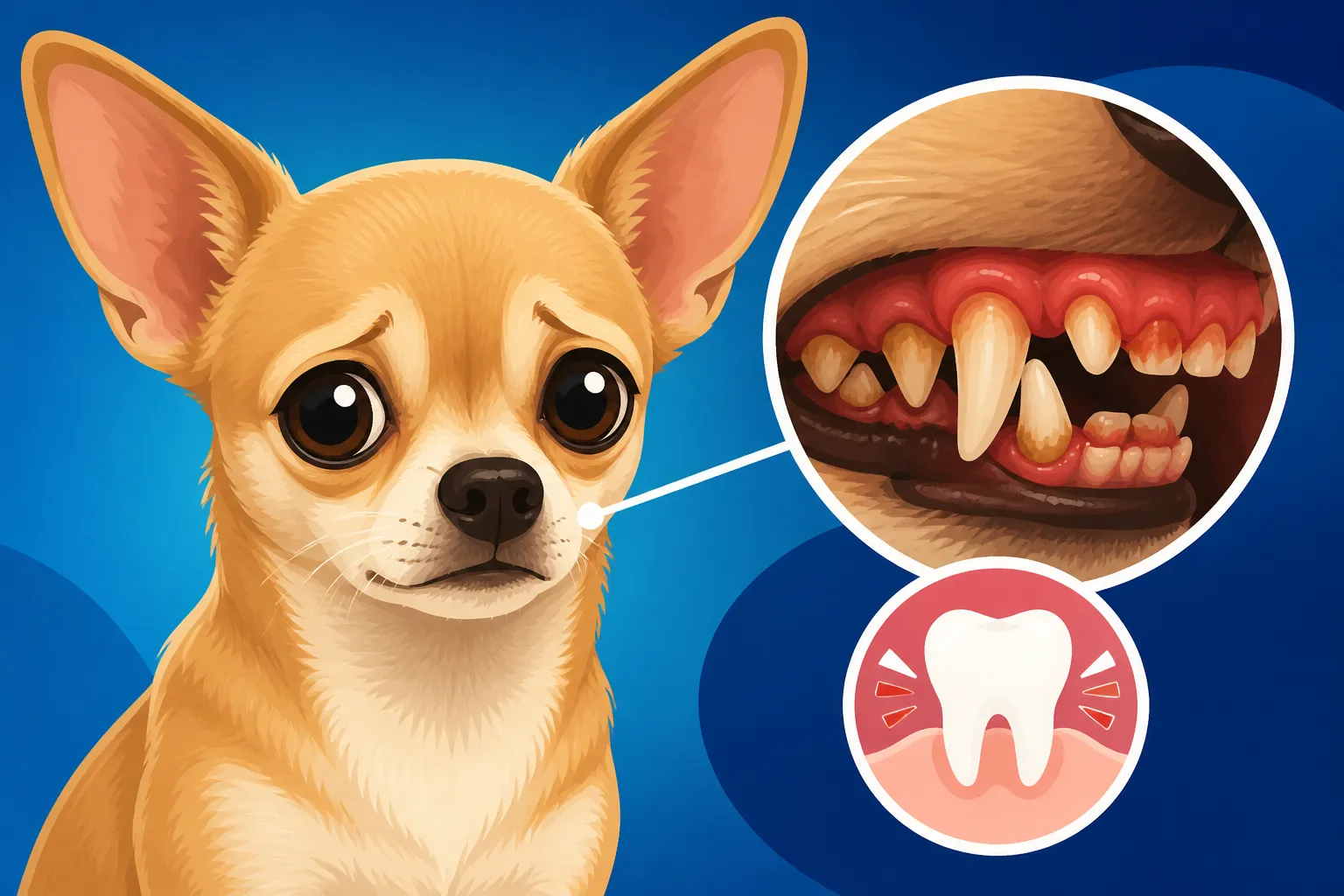
Take a moment to lift your Chihuahua's lip and look closely at their gums and teeth. Healthy gums should be a pale pink color, firm, and hug the teeth tightly. If you notice gums that are red, swollen, or appear to be bleeding, even slightly, that's a sign of inflammation, which is gingivitis. You might also spot a thin line of red along the gumline where it meets the tooth. As for the teeth themselves, look for yellowish-brown crusts near the gumline – this is tartar. It often appears first on the canine teeth and the molars in the back. In more advanced stages, you might see teeth that look discolored, or even loose, sometimes with exposed roots. You might also notice receding gums, where the gum line pulls away from the tooth, creating pockets that trap even more bacteria and food.
Behavioral Cues and Eating Habits
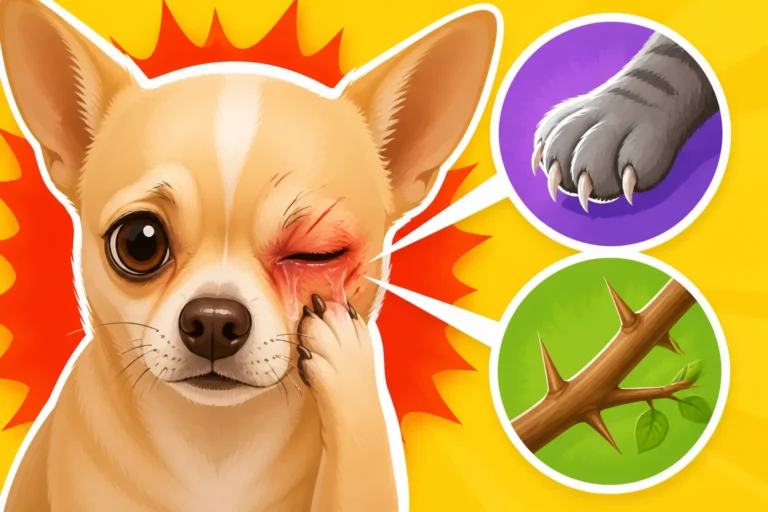
Chihuahuas are masters at hiding pain, so you need to be a detective. Subtle changes in behavior can be critical clues. Are they shying away when you try to touch their face or mouth? Are they reluctant to chew on their favorite toys or bones? Perhaps they are dropping food more frequently, or favoring one side of their mouth when chewing. Some might become pickier eaters, only wanting soft food, or they might take longer to eat their meals, approaching the food bowl hesitantly. In severe cases, you might notice pawing at the mouth, drooling more than usual, or even a visible swelling on their face, particularly under an eye, which could indicate an abscess from a severely infected tooth root. These behavioral changes are not just quirks; they are often distress signals that your small dog's mouth is causing them significant discomfort.
The Stages of Periodontal Disease and Associated Risks
Gum disease, or periodontal disease, isn't a static condition; it progresses through distinct stages, each more serious than the last. Understanding this progression is vital because what starts as a localized issue in the mouth can quickly escalate, putting your Chihuahua's overall health at risk. Ignoring dental disease is never an option for these tiny dogs.
From Gingivitis to Advanced Periodontitis
Periodontal disease begins with gingivitis, where plaque and tartar irritate the gums, causing inflammation, redness, and sometimes bleeding. At this stage, the damage is reversible with professional cleaning and diligent home care. However, if left untreated, it progresses to early periodontitis. Here, the gums start to recede, and the bone supporting the teeth begins to be affected. You might see a little more tartar buildup and persistent bad breath.
Then comes moderate periodontitis, where significant bone loss occurs, and the teeth might become visibly loose. The gums are often severely inflamed, and infection can spread deeper. Finally, advanced periodontitis means widespread infection, severe bone loss, loose teeth, and potentially abscesses. At this point, tooth extractions are almost always necessary, and there's a higher risk of systemic complications. A five-year-old Chihuahua could easily be in the moderate to advanced stages if dental care has been neglected.
Here’s a simplified breakdown of the stages:
| Stage | Description | Visible Signs | Treatment Required |
|---|---|---|---|
| Stage 1: Gingivitis | Reversible inflammation of the gums. | Redness, swelling, bad breath. No bone loss. | Professional cleaning, home care. |
| Stage 2: Early Periodontitis | Minor bone loss around tooth roots. | More prominent tartar, receding gums, bad breath. | Professional cleaning, root planning. |
| Stage 3: Moderate Periodontitis | Moderate bone loss (25-50%) around tooth roots. | Significant tartar, painful gums, loose teeth. | Professional cleaning, extractions, deep root scaling. |
| Stage 4: Advanced Periodontitis | Severe bone loss (over 50%), widespread infection. | Severely loose teeth, pus, abscesses, severe pain. | Multiple extractions, advanced oral surgery. |
Systemic Health Impacts Beyond the Mouth
The most frightening aspect of advanced gum disease is that the infection doesn't stay confined to the mouth. The bacteria from your Chihuahua's infected gums can enter their bloodstream and travel to vital organs, including the heart, kidneys, and liver. This can lead to serious secondary health issues, such as endocarditis (inflammation of the heart lining), kidney disease, or liver dysfunction, dramatically shortening their lifespan and quality of life. For a tiny Chihuahua, even a small infection can have a profound impact. This is why regular dental care is not just about fresh breath; it's a critical component of their overall health and longevity. It’s also why conditions like Chihuahua Heart Disease as the Breed Ages can sometimes be exacerbated by chronic oral infections.
The Necessity of Professional Dental Care
While home care is essential, it simply isn't enough to reverse existing gum disease or remove hardened tartar. Professional veterinary dental cleanings are absolutely necessary. This procedure involves general anesthesia, which can naturally be a source of worry for owners of tiny dogs. However, the benefits far outweigh the risks, especially with proper pre-anesthetic screening, including blood tests and sometimes even an echocardiogram. Vets will perform a thorough cleaning, scaling above and below the gumline, polishing, and full-mouth dental X-rays to assess bone loss and identify hidden issues beneath the gumline. Teeth that are too diseased to save will be extracted. This crucial work cannot be done on an awake dog, and attempting "anesthesia-free" dental cleanings is purely cosmetic and ineffective for treating actual gum disease. Understanding the Anesthesia Risk During a Chihuahua Dental can help you discuss these concerns openly with your vet.
Proactive Prevention and Effective Treatment Strategies
The good news is that with a committed, proactive approach, you can significantly mitigate the risks and impact of gum disease on your Chihuahua. It truly requires a multi-faceted strategy combining consistent home care, regular professional veterinary attention, and being prepared for the costs involved.
Daily Home Care Practices
The cornerstone of prevention is daily home dental care. This means brushing your Chihuahua's teeth every single day. It might sound daunting, especially with a tiny, squirmy dog, but consistency is key. Use a pet-specific toothbrush, either a finger brush or a tiny soft-bristled brush, and dog-safe toothpaste (never human toothpaste). Focus on the outside surfaces of the teeth, as this is where plaque tends to accumulate most. Start slowly, make it a positive experience with treats and praise, and gradually build up the duration. Even a minute or two of effective brushing can make a huge difference. You can refer to our detailed guide on Brushing a Chihuahua's Teeth Every Single Day for step-by-step instructions. Beyond brushing, dental chews specifically formulated for small breeds, and water additives, can offer supplementary benefits by helping to reduce plaque and freshen breath, though they are never a replacement for brushing. Choosing dental chews that match your Chihuahua's size and chewing style is important, as covered in Dental Chews and Water Additives for a Chihuahua.
The Importance of Regular Veterinary Dentals
Even with the best home care, Chihuahuas will likely need professional dental cleanings under anesthesia every one to two years, starting as early as two or three years old. For a five-year-old Chihuahua with existing signs of gum disease, the vet might recommend an immediate cleaning and then a recheck within six months to a year. These procedures are critical for removing hardened tartar that brushing can't touch and addressing issues below the gumline. While the thought of the cost can be intimidating – a typical The Yearly Chihuahua Dental Cleaning Bill can range from a few hundred to over a thousand dollars, especially if extractions are needed, or if you consider What Chihuahua Extractions Cost Per Tooth – it's a vital investment in your Chihuahua's health. Pet insurance providers like Healthy Paws often offer plans that can help manage these expenses, but it's important to understand what their policies cover regarding dental work. It's often worth looking into Whether Chihuahua Insurance Covers Dental Disease when your dog is young, before conditions become pre-existing.
Post-Procedure Care and Long-Term Management
After a professional dental cleaning, especially if extractions were performed, your Chihuahua will need specific post-procedure care. This might include a course of antibiotics and pain medication to manage discomfort and prevent infection. You'll likely need to feed soft food for a week or two to allow their gums to heal. Your vet will give you specific instructions. This period is also an excellent time to re-commit to or even start a new, consistent daily home care routine, perhaps with a fresh start on The Two Minute Daily Chihuahua Tooth Routine. Long-term management involves continued daily brushing, regular oral check-ups at your routine vet visits, and scheduling those crucial professional dental cleanings as recommended by your veterinarian. For a Chihuahua that has already had significant dental work, feeding choices might shift permanently; our article on Feeding a Chihuahua After Tooth Extractions offers practical advice. Remember, good dental health is an ongoing commitment, but for a breed like the Chihuahua, it's absolutely essential for a happy, healthy, and long life.
Disclaimer
Please remember that the information provided in this guide is for educational purposes only and should not be considered a substitute for professional veterinary advice. Always consult with a qualified veterinarian regarding any health concerns or before making any decisions about your Chihuahua's medical care.