A Chihuahua Puppy Circling or Pressing Its Head
It's incredibly frightening when your tiny Chihuahua puppy starts acting strangely, especially when they begin circling incessantly or pressing their head against furniture or walls. As a Chihuahua parent, you know they can be prone to unique health challenges, and these specific behaviors are often a red flag for something serious going on beneath that sweet, small exterior. This guide will walk you through what these behaviors mean, the common causes in Chihuahuas, and exactly what to do when you see them.
Understanding Head Pressing and Circling in Chihuahua Puppies
When you first notice your little one exhibiting unusual behaviors like repeatedly walking in circles or pressing their head against objects, it's natural to feel a surge of panic. It’s hard enough to know if a bigger dog is feeling unwell, but with a tiny Chihuahua puppy, every symptom seems amplified and more urgent. These aren't just quirky habits; they can be critical indicators of neurological distress that demand your immediate attention.
Defining Head Pressing and Circling Behavior
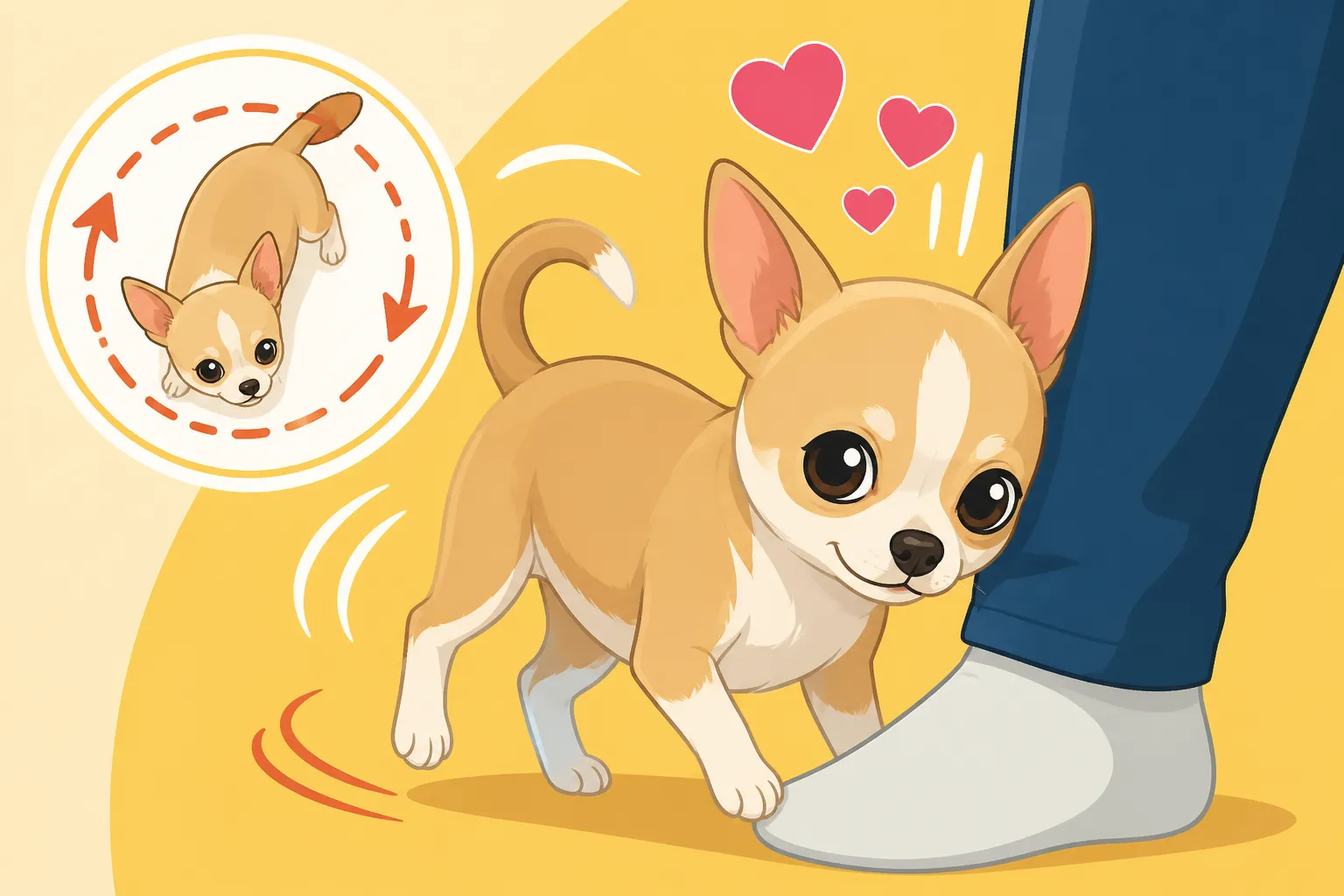
Let's clarify what we mean by these terms, because sometimes, a puppy being a puppy can look a little odd. Head pressing isn't just your Chihuahua puppy resting their head on your lap or bumping gently into a couch. It's a compulsive act where the dog presses their head firmly and continuously against a solid object – a wall, furniture, the floor – for an extended period. They might stand there, motionless, with their head pushed hard, sometimes even rubbing it back and forth. This isn't relaxation; it's a symptom of internal discomfort or disorientation. Similarly, circling isn't a playful spin or chasing their tail. It's a persistent, often wide, wandering in circles, usually in one direction, sometimes without acknowledging obstacles. This indicates a problem with their spatial awareness or brain function, affecting their ability to move in a straight line or understand their surroundings. It's repetitive, often aimless, and unlike normal puppy play.
When is it a Real Concern vs. Normal Puppy Quirks
Puppies, especially Chihuahuas, are a bundle of energy and sometimes their antics can seem a bit strange. They might playfully butt heads with a toy, or get a case of the "zoomies" where they run in tight circles out of excitement. The key to differentiating a normal quirk from a serious concern lies in the duration, intensity, and context of the behavior. Is your puppy pressing their head gently for a second before moving on to chew a toy? Probably fine. Are they standing motionless, pushing their forehead into the corner of a room for five minutes straight, seemingly oblivious to you? That’s a serious warning sign. Is your puppy spinning a few times then collapsing in a heap of play? Normal. Are they walking in wide, uncoordinated circles, bumping into things, looking disoriented, and doing it repeatedly for several minutes or hours? That's when you know something is wrong. Trust your gut; if it feels truly off for your puppy, it probably is.
The Urgency of These Symptoms in a Small Breed
For a tiny Chihuahua puppy, any serious health issue can escalate rapidly. Their small size means they have fewer reserves, making them incredibly vulnerable to metabolic shifts, infections, or neurological problems. A condition that might present mildly in a larger breed could quickly become life-threatening for a Chihuahua. For instance, low blood sugar, which we'll discuss, hits Chihuahuas harder and faster. Their brains are also more susceptible to pressure or inflammation due to their delicate skull structure, especially if they have a The Chihuahua Molera and What a Soft Spot Means that hasn't fully closed. These symptoms demand immediate veterinary attention, not a "wait and see" approach, because a few hours can literally make the difference between recovery and a tragic outcome for such a small, fragile creature.
Potential Medical Causes Behind These Alarming Behaviors
When a Chihuahua puppy starts circling or head pressing, it's usually a sign that something is impacting their brain function. The causes can range from metabolic imbalances to serious neurological conditions, and understanding these possibilities is the first step toward getting your puppy the right help.
Hydrocephalus: The "Water on the Brain" Condition
Perhaps one of the most commonly associated conditions with these symptoms in Chihuahuas is hydrocephalus, often referred to as "water on the brain." This condition involves an abnormal accumulation of cerebrospinal fluid (CSF) within the brain, leading to increased pressure on delicate brain tissue. It's particularly prevalent in toy breeds, and especially in Chihuahuas, whose genetic predisposition can sometimes result in an abnormal skull shape, like the pronounced dome seen in Hydrocephalus in an Apple-Head Chihuahua.
A puppy with hydrocephalus might exhibit head pressing, circling, seizures, vision problems, a lack of coordination, and a general dullness or difficulty learning. The pressure building up in their skull can disrupt normal brain function, leading to the disorientation and compulsive behaviors you're observing. It's a serious condition that requires prompt diagnosis and management. Recognizing Hydrocephalus Signs in a Chihuahua Puppy early is crucial for the best possible outcome.
Chihuahua Hypoglycemia: Low Blood Sugar as a Cause
Another extremely common and rapidly escalating cause of neurological symptoms in Chihuahua puppies is hypoglycemia, or dangerously low blood sugar. Chihuahua puppies, with their tiny bodies and fast metabolisms, struggle to regulate their blood sugar levels, especially if they're stressed, haven't eaten recently, or are battling an illness. When blood sugar drops too low, the brain, which relies heavily on glucose for energy, starts to malfunction.
This can lead to a cascade of frightening symptoms, including weakness, lethargy, confusion, disorientation, staggering, and yes, circling or even seizure-like activity. A puppy experiencing Chihuahua Hypoglycemia and the Puppy Emergency might seem disoriented and stumble, or even press their head against surfaces as their brain struggles. If your puppy is showing Trembling and Weakness in a Chihuahua Puppy alongside these behaviors, consider hypoglycemia a very strong possibility and act quickly to provide emergency sugar.
Exposure to Toxins or Trauma
Sometimes, these alarming behaviors aren't due to an internal disease but an external factor. Puppies are naturally curious and will explore their environment with their mouths. This puts them at high risk for ingesting something toxic. Household cleaners, certain plants (lilies, sago palms, even some common garden varieties), human medications, or even some pest control products can cause severe neurological damage if ingested by a small Chihuahua puppy. The toxic substances can interfere with brain function, leading to disorientation, circling, head pressing, tremors, and seizures.
Likewise, trauma can also be a culprit. A fall, being stepped on, or a blunt force injury to the head, even if it seems minor, can cause swelling or bleeding in the brain. Given their small size and delicate skulls, Chihuahuas are particularly susceptible to head injuries. Even a seemingly small impact could lead to concussive effects or internal bleeding, manifesting as neurological signs like circling, incoordination, or head pressing. Always consider the possibility of an accident if these symptoms appear suddenly.
Infections and Inflammation Affecting the Brain
While less common, infections or inflammatory conditions can also target the brain, leading to similar distressing symptoms. Conditions like encephalitis (inflammation of the brain) or meningitis (inflammation of the membranes surrounding the brain and spinal cord) can be caused by viruses, bacteria, fungi, or parasites. These infections can lead to brain swelling, fever, pain, and neurological signs such as circling, head pressing, seizures, and changes in behavior or consciousness.
For a Chihuahua puppy, their developing immune system might be less equipped to fight off such invaders, making early diagnosis and aggressive treatment critical. A vet would consider this, especially if the puppy also has a fever, is lethargic, or shows other signs of systemic illness.
Liver Shunts and Other Metabolic Issues
Beyond hypoglycemia, other metabolic disorders can impact a Chihuahua puppy's brain function. Portosystemic shunts, commonly known as liver shunts, are a congenital condition where blood bypasses the liver instead of being detoxified. The liver's job is to filter toxins from the bloodstream, and when it's bypassed, these toxins build up and travel to the brain. This can lead to a condition called hepatic encephalopathy.
Puppies with liver shunts might show neurological symptoms after eating a protein-rich meal, as protein digestion produces more toxins. Signs can include circling, head pressing, disorientation, lethargy, seizures, and even temporary blindness. Other less common metabolic diseases can also disrupt brain chemistry, leading to similar symptoms. These conditions often require specialized diets or surgical intervention.
Brain Tumors (Less Common in Puppies but Possible)
While brain tumors are more typically associated with older dogs, they can occasionally occur in puppies. These growths can put pressure on brain tissue, leading to a variety of neurological signs depending on their location. Symptoms can include circling, head pressing, seizures, behavioral changes, and visual disturbances. While statistically less likely in a young Chihuahua puppy compared to other causes, it's something a veterinarian might consider, especially if other more common causes are ruled out or if the symptoms are progressive.
What to Do Immediately When Your Puppy Shows Symptoms
Witnessing your Chihuahua puppy engage in head pressing or compulsive circling is a truly terrifying experience, and your immediate actions can significantly impact their outcome. As a Chihuahua owner, you understand how quickly their small bodies can decline, so every second counts.
Emergency Veterinary Care is Paramount
Let's be absolutely clear: if your Chihuahua puppy is circling persistently or pressing their head against surfaces, this is an emergency. This isn't a "call the vet in the morning" situation. You need to contact your veterinarian or an emergency animal hospital immediately. Don't hesitate, don't wait for it to get worse. These symptoms often indicate serious neurological issues, and prompt professional medical intervention is critical for these tiny dogs.
The first thing you should do is call ahead to the nearest veterinary emergency clinic. Tell them you're on your way with a Chihuahua puppy exhibiting neurological signs like head pressing or circling. This allows them to prepare for your arrival and potentially advise you on initial steps you can take, such as keeping the puppy warm or offering a tiny dab of corn syrup if hypoglycemia is suspected and they advise it. This immediate communication ensures your puppy gets help without delay when you arrive.
Gathering Information for Your Vet
While you're rushing to the clinic, try to collect as much information as possible. Your vet will ask a lot of questions to help pinpoint the cause. Think about:
- When did the symptoms start? Be as precise as possible (e.g., "about an hour ago," "started this morning").
- What exactly did you observe? Describe the head pressing (how long, how firm) and circling (which direction, continuous, disoriented).
- Have there been any other symptoms? Lethargy, vomiting, diarrhea, seizures, stumbling, loss of appetite, changes in water intake, whining, or crying out? Even subtle changes in your Chihuahua's behavior at the vet clinic can be vital clues.
- Any recent changes? New food, new toys, new household cleaners, any possibility of ingesting something toxic, a fall, or any new people or pets in the home?
- Has your puppy eaten recently? If not, how long since their last meal? This is especially crucial for ruling out or addressing hypoglycemia. If you have Keeping Glucose Gel for a Chihuahua at Home, be ready to tell the vet if you've administered any.
- Vaccination history and deworming: Is your puppy up-to-date?
- Where did you get your puppy? Any known health issues in the litter or parents? If your puppy came from a reputable breeder, they might have insights into breed-specific risks or family lines.
- Does your puppy have an open fontanelle (molera)? If you know, mention it, as this can increase the risk of brain injury or hydrocephalus. Protecting a Chihuahua Puppy With a Soft Spot is important for many owners.
Having these details ready will save precious time during the examination and help the veterinary team formulate the most appropriate diagnostic and treatment plan quickly.
Initial Diagnostic Steps a Vet Will Take
Once at the emergency vet, they will quickly move to assess your puppy. The first step is typically a thorough physical and neurological exam. The vet will check your puppy's reflexes, coordination, eye movements, and overall responsiveness. They will also check vital signs like temperature, heart rate, and respiration.
Depending on their initial findings and your observations, common diagnostic tests might include:
- Blood Glucose Test: This is often the first and fastest test, especially for a small puppy, to rule out or confirm hypoglycemia. If confirmed, they will administer IV fluids with dextrose immediately.
- Blood Work: A full blood panel (CBC and chemistry) can reveal infections, organ dysfunction (like a liver shunt), inflammation, or other metabolic imbalances.
- Urinalysis: Can provide additional information about kidney function and metabolic health.
- Imaging: X-rays might be taken to check for trauma or other skeletal issues. For suspected hydrocephalus or other brain issues, an MRI is often the gold standard for definitive diagnosis, as discussed in MRI Diagnosis of Chihuahua Hydrocephalus. However, this might not be done immediately in an emergency, as stabilization is usually the priority.
- Spinal Tap (CSF analysis): In some cases, to check for infections or inflammation within the cerebrospinal fluid.
The vet will prioritize tests that can provide quick, actionable results, especially those that point to immediately treatable conditions. They understand the urgency with a small breed and will work efficiently to get answers. Remember, emergency vet visits can be costly, and this is where having pet insurance like Healthy Paws can provide immense peace of mind, allowing you to focus on your puppy's care without financial stress.
| Symptom | Description | Common Chihuahua Puppy Causes | Immediate Action |
|---|---|---|---|
| Head Pressing | Compulsive, sustained pushing of the head against a solid object. | Hydrocephalus, Liver Shunt, Toxins, Trauma, Tumor | Emergency Vet Immediately. Collect observations. |
| Circling | Repetitive, disoriented walking in circles (often one direction). | Hydrocephalus, Hypoglycemia, Toxins, Trauma, Infection | Emergency Vet Immediately. Offer sugar if advised for suspected hypoglycemia. |
| Trembling/Weakness | Shaking, inability to stand or walk properly. | Hypoglycemia, Trauma, Infection, Pain | Emergency Vet Immediately. Offer sugar if advised for suspected hypoglycemia. |
| Seizures | Uncontrolled muscle spasms, loss of consciousness, urination/defecation. | Hypoglycemia, Hydrocephalus, Toxins, Trauma, Epilepsy | Emergency Vet Immediately. Protect from injury. |
| Lethargy | Extreme tiredness, unresponsiveness, lack of interest in surroundings. | Any serious illness, Hypoglycemia, Infection | Emergency Vet Immediately. |
Navigating Diagnosis and Long-Term Care
Once your Chihuahua puppy is at the emergency clinic, the real journey begins: getting a definitive diagnosis and mapping out a long-term care plan. This can be an emotionally taxing time, but understanding the process and available options will empower you as a responsible pet parent.
Interpreting Diagnostic Results
After the initial tests, your veterinarian will sit down with you to discuss the results. This is often the most stressful part, as you're waiting for answers. If your puppy tested positive for hypoglycemia, the good news is that it's often highly treatable with intravenous dextrose and dietary management, though the underlying cause of the low blood sugar (e.g., infrequent feeding, stress, underlying illness) will need to be addressed.
If hydrocephalus is suspected, based on clinical signs, breed predisposition, and possibly imaging like an MRI, the vet will explain the severity. They might discuss the implications of Whether an Apple Head Raises Chihuahua Risk for such conditions. For liver shunts, blood tests often show elevated liver enzymes or ammonia, and specialized imaging can confirm the shunt's location. Toxic exposures usually involve a history of ingestion and confirmation through specific toxicology tests if available. Infections are often identified via blood work or CSF analysis. The goal is always to get a clear picture so the treatment can be precisely targeted.
Treatment Options Based on the Underlying Cause
Treatment plans vary widely depending on the diagnosis:
- Hypoglycemia: The immediate treatment is intravenous dextrose to stabilize blood sugar. Long-term management involves a strict feeding schedule with small, frequent meals, high-quality puppy food, and avoiding stressors that might trigger another crash. You'll learn how often a Chihuahua puppy must eat.
- Hydrocephalus: Medical management often involves corticosteroids to reduce brain inflammation and diuretics to decrease fluid production. In some severe cases, a shunt might be surgically placed to drain excess fluid from the brain to another part of the body, a highly specialized and costly procedure.
- Liver Shunts: Dietary changes (low protein, specialized therapeutic diets) are a common initial approach. However, many shunts require surgical correction, where the abnormal vessel is ligated (tied off) to reroute blood flow through the liver. This surgery can be complex, and again, having a comprehensive pet insurance plan like Healthy Paws can be a lifesaver for managing such significant expenses.
- Toxin Exposure: Treatment depends on the specific toxin. It can range from inducing vomiting (if safe and soon after ingestion), activated charcoal to absorb toxins, intravenous fluids, and supportive care to protect organs like the liver and kidneys.
- Infections: Bacterial infections are treated with appropriate antibiotics, while viral infections might require supportive care, anti-inflammatory drugs, and managing symptoms. Fungal infections need specific anti-fungal medications.
Your vet will carefully explain all options, including potential side effects, prognosis, and the estimated costs involved. Don't be afraid to ask questions until you fully understand everything.
Supporting Your Chihuahua Puppy During Recovery
Bringing your Chihuahua puppy home after a scary neurological episode requires careful attention and a commitment to their ongoing care. Depending on the diagnosis, this might involve:
- Medication Administration: You'll likely have multiple medications to give on a strict schedule. Chihuahuas are tiny, so precise dosing is crucial. Make sure you understand how to give pills or liquid medication effectively.
- Dietary Adjustments: For conditions like hypoglycemia or liver shunts, a special diet and feeding schedule are paramount. You might need to weigh their food precisely to ensure they get enough calories without overdoing it, as discussed in Feeding a Chihuahua on Two Hundred Calories a Day.
- Rest and Environment: Your puppy will need a quiet, safe, and warm environment to recover. Keep their stress levels low. Ensure they have a cozy bed and easy access to food and water.
- Preventive Measures: If toxin exposure was the cause, a thorough "puppy-proofing" of your home is essential. Store all chemicals, medications, and toxic plants out of reach. For conditions like hydrocephalus, you might need to adjust their exercise routine to prevent head injuries or stress.
- Regular Follow-ups: Consistent communication and follow-up visits with your vet are crucial to monitor progress, adjust medications, and catch any potential complications early. These ongoing vet visits and potential specialist consultations can add up, which is another reason why a robust pet insurance plan can ease the financial burden. Healthy Paws is a popular choice for many Chihuahua owners, especially those facing chronic conditions that require long-term management.
- Patience and Empathy: Your puppy might be a little disoriented or slower to recover than you expect. They might need extra cuddles, gentle encouragement, and a consistent routine to feel secure. It's a journey, and your love and commitment are the most important parts of their healing process.
Remember, even with challenging diagnoses, many Chihuahua puppies can lead full, happy lives with proper management and dedicated care. You're their advocate, and with the right veterinary partnership, you can give them the best chance possible.
Disclaimer
This article is intended for informational purposes only and does not constitute medical advice. Always consult with a qualified veterinarian for any health concerns or before making any decisions about your Chihuahua's care.