Stent Surgery for a Chihuahua Trachea
Few things are as terrifying as watching your tiny Chihuahua struggle to breathe, making that awful honking cough that sounds like they're trying to clear something stuck in their throat, or worse, gasping for air. This distressing symptom is often the hallmark of a collapsing trachea, a condition particularly prevalent in our beloved toy breeds. When conservative management no longer offers relief, the possibility of stent surgery can emerge as a critical, life-altering option, and this guide will walk you through everything you need to know about this advanced procedure.
Understanding Collapsing Trachea in Chihuahuas
Collapsing trachea is a progressive respiratory condition where the rings of cartilage that support the windpipe (trachea) weaken and flatten, making it difficult for air to pass through to the lungs. It’s a heartbreaking sight, watching your spirited little companion suddenly sound like a goose or struggle with what seems like an endless cough. This isn't just an annoyance; it can severely impact their quality of life, turning simple excitement or exertion into a frightening battle for breath.
The Mechanics of Tracheal Collapse
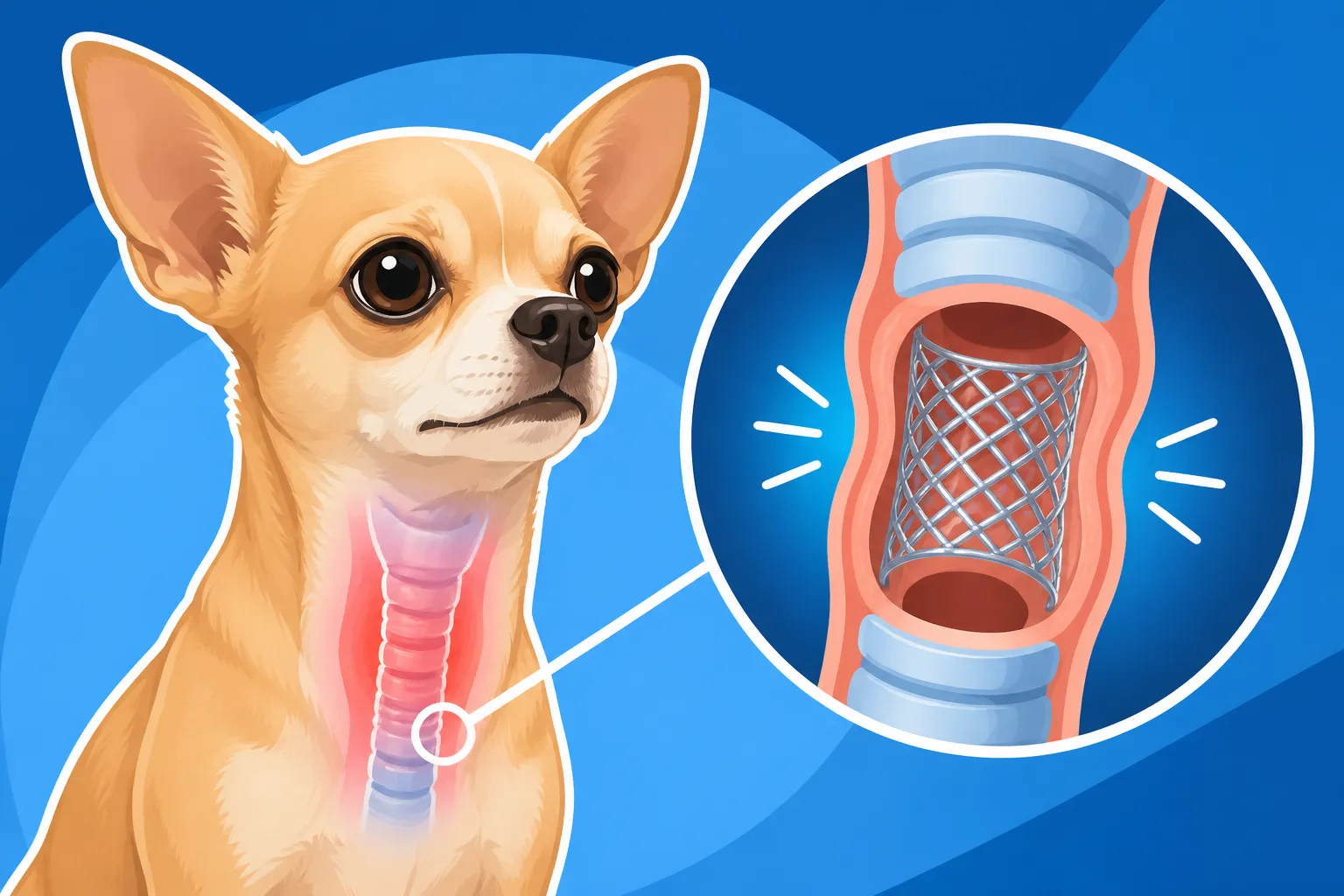
Imagine your Chihuahua's windpipe as a series of tiny, firm C-shaped rings that keep the airway open. In dogs with tracheal collapse, these rings lose their rigidity and begin to flatten, often most severely at the point where the trachea enters the chest. When your Chihuahua inhales, the pressure can cause the soft, dorsal membrane of the trachea to sag into the airway, obstructing airflow. On exhale, the opposite can happen, with the intrathoracic trachea collapsing. This results in the characteristic dry, harsh, and often honking cough you hear, which can be triggered by excitement, exercise, drinking water, or even pulling on a collar.
Chihuahuas are inherently predisposed to this condition due to their genetics and the delicate structure of their respiratory systems. It’s not something you caused; it’s often an inherited structural weakness. Over time, as the condition progresses, the constant irritation and inflammation within the airway can lead to secondary problems, making the cough more frequent and severe. We often see this worsen with age, turning a mild, occasional cough into a debilitating daily struggle that leaves both you and your Chihuahua exhausted and anxious.
The constant irritation in the airways from coughing can also lead to chronic bronchitis, making the situation even more complex. It's a vicious cycle: the trachea collapses, they cough, the coughing irritates the trachea, which can lead to more collapse and more coughing. This is why addressing the primary issue, if possible, is so important for their long-term comfort and health. Understanding these mechanics helps us appreciate why simply treating the cough itself is often just a band-aid solution.
When Medical Management Isn't Enough
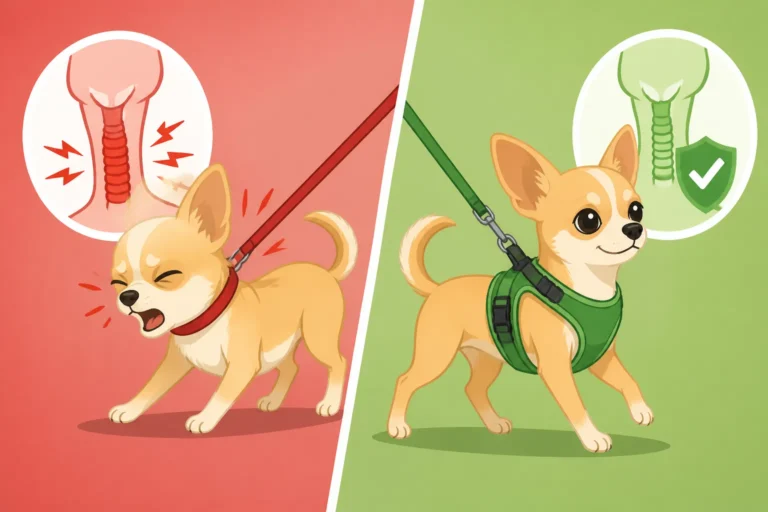
Initially, many veterinarians will suggest a range of conservative treatments for Collapsing Trachea in a Chihuahua and Its Triggers. These can include medications like cough suppressants, bronchodilators, and anti-inflammatories, alongside lifestyle adjustments such as weight management, avoiding irritants like smoke, and switching from a collar to a harness. While these interventions can offer significant relief for dogs with mild to moderate collapse, they are often palliative, meaning they manage the symptoms rather than fixing the underlying structural problem. For many Chihuahuas, these methods become less effective over time.
You might find yourself constantly adjusting your Chihuahua's routine, cancelling walks on humid days, and having to pick them up every time they get too excited to prevent a coughing fit. Despite your best efforts and a carefully managed medication regimen, their breathing difficulties can continue to worsen, leading to increased episodes of distress and a noticeable decline in their overall quality of life. This is the point where the frustration really sets in, as you desperately want your beloved companion to feel comfortable again, but the current treatments just aren't cutting it.
When your Chihuahua reaches a point where medical management is no longer providing adequate comfort, or if they experience frequent respiratory crises, your vet might start discussing surgical options. The decision to consider stent surgery isn't taken lightly; it usually means that the collapsing trachea is significantly impacting their ability to breathe and enjoy life, despite your diligent efforts with Chihuahua Cough Medication and Long-Term Care. It's a sign that the structural issue has become too severe for drugs alone to overcome.
The Stent Surgery Procedure for Chihuahuas
Tracheal stent surgery is a highly specialized procedure designed to provide internal support to the collapsing windpipe, essentially holding it open so air can pass freely. It's a big decision, and understanding each step can help alleviate some of the natural anxieties you're probably feeling about putting your tiny friend through such an intricate operation.
Candidate Selection and Pre-Surgical Assessment
Before any talk of surgery, your Chihuahua will undergo a thorough diagnostic workup to determine if they are a suitable candidate for a tracheal stent. This isn't a procedure for every collapsing trachea case. Vets typically want to rule out other respiratory issues and assess the severity and location of the collapse. This usually involves chest X-rays, often taken during both inhalation and exhalation, to visualize the degree of collapse. However, X-rays don't always tell the whole story, so a fluoroscopy or bronchoscopy is often performed.
Fluoroscopy is like a live-action X-ray, allowing the vet to watch the trachea in real-time as your Chihuahua breathes, clearly identifying which sections are collapsing and how severely. This dynamic view is crucial for surgical planning. A bronchoscopy involves inserting a tiny camera into the airway, offering a direct visual inspection of the tracheal lining and the collapsed sections. These advanced diagnostics help the veterinary specialist grade the severity of the collapse and map out the exact dimensions needed for the stent. This meticulous planning is vital because the stent must fit perfectly within your Chihuahua's delicate windpipe.
Beyond imaging, a comprehensive physical exam, blood tests, and sometimes a cardiac workup are necessary to ensure your Chihuahua is healthy enough to withstand anesthesia and surgery. Due to the inherent Anesthesia Risk During a Chihuahua Dental or any other procedure on such a small dog, every precaution is taken. The veterinary team needs a complete picture of your Chihuahua's overall health, especially given that many Chihuahuas with severe tracheal collapse may also have other concurrent health issues like heart disease, which could complicate the procedure.
What Happens During the Stent Placement
Once your Chihuahua is deemed a good candidate, the actual stent placement is a minimally invasive procedure. Your dog will be under general anesthesia, and the specialist will use fluoroscopy to guide the placement of a self-expanding nitinol stent. This is a tiny, flexible mesh tube made from a special alloy, designed to expand and hold the trachea open from the inside. The stent is delivered via a catheter through the mouth, down the trachea, and positioned precisely at the collapsed segment.
The key to success lies in the accurate measurement and placement of the stent. Too short, and it won't cover the entire collapsed area; too long, and it could irritate healthy parts of the trachea or even reach into the bronchi. The specialist carefully observes the stent's expansion under fluoroscopy to ensure it's fully open and correctly situated. This process typically takes less time than traditional open-chest surgery, reducing the overall anesthetic time for your tiny Chihuahua, which is always a plus given their small size and sensitivity.
After placement, the specialist will again check the airway visually with the bronchoscope and confirm good airflow. It’s a remarkable piece of engineering that transforms a compromised airway into a stable, open passage. The goal is to provide immediate relief and allow your Chihuahua to breathe much more easily, something you'll notice almost right away once they've recovered from the anesthesia. The procedure itself is a marvel of modern veterinary medicine, offering a tangible solution to a previously intractable problem.
Potential Risks and Complications
While tracheal stent surgery can be life-changing, it's not without its risks, and it's important for owners to be fully aware of these before making a decision. One of the most common complications is irritation to the tracheal lining, which can lead to continued coughing, at least initially. In some cases, scar tissue can form around the stent, potentially narrowing the airway again over time, requiring further intervention. Stent migration, though rare with proper sizing, can occur, meaning the stent shifts from its intended position.
Another serious, albeit uncommon, complication is stent fracture. Over years of constant movement as your Chihuahua breathes, the metal stent can fatigue and break, necessitating removal and replacement. Additionally, because the stent is a foreign object, there's always a risk of infection or inflammation. Some dogs might develop granuloma formation, which are inflammatory growths around the stent that can impede airflow. These possibilities highlight the importance of careful post-operative monitoring and a strong relationship with your veterinary specialist.
Furthermore, while the stent provides structural support, it doesn't cure the underlying weakness of the tracheal cartilage. The collapse might progress to adjacent areas of the trachea not covered by the initial stent, or the bronchi (the tubes leading into the lungs) might also start to collapse, a condition known as bronchial collapse. In such scenarios, your Chihuahua may need additional stents or ongoing medical management for those new issues. It's crucial to understand that stent surgery is a management tool, not a complete eradication of the disease, and long-term vigilance will still be required.
Post-Operative Care and Long-Term Outlook
Bringing your Chihuahua home after stent surgery is a huge step, and the recovery period is just as important as the surgery itself. Careful post-operative care is essential to ensure the best possible outcome and to minimize complications.
Immediate Recovery and Hospital Stay
Immediately following the stent placement, your Chihuahua will likely spend a few days in the veterinary hospital for close monitoring. The veterinary team will be watching them for any signs of discomfort, infection, or breathing difficulties. Pain management will be a priority, ensuring your little one is as comfortable as possible. They will also be given medications to reduce inflammation and suppress any post-surgical coughing, which is common as the trachea adjusts to the presence of the stent.
During this initial hospital stay, the veterinary staff will also introduce a new feeding regimen and ensure your Chihuahua is eating and drinking normally. It’s a delicate balance, making sure they get enough nutrition without irritating their healing trachea. This period is crucial for allowing the stent to fully integrate and for any immediate swelling to subside. It's a stressful time for owners, waiting for that call, but rest assured, your Chihuahua is in expert hands receiving specialized care.
When they do come home, you might notice some changes in their behavior or a lingering cough, but usually, their breathing is noticeably improved. Your vet will provide detailed instructions for continued care at home, including medication schedules, activity restrictions, and signs to watch out for. This discharge information is paramount, so make sure you understand every aspect and don't hesitate to ask questions. Remember, this is a major surgery for a tiny dog, and a smooth transition home is vital.
Home Care and Lifestyle Adjustments
Once your Chihuahua is back home, the real work of recovery and long-term management begins. You'll need to administer a strict medication schedule, which often includes antibiotics, anti-inflammatory drugs, and cough suppressants for several weeks. Keeping your Chihuahua calm and limiting their activity will be paramount to prevent any undue stress on the stent. This means no vigorous play, no jumping off furniture, and generally keeping them on a short leash (literally, if necessary, using a harness) for several weeks. You may even need to use ramps for a Ramps and Steps for a Chihuahua Sofa to prevent them from jumping.
Your vet will likely recommend a soft food diet for a while to minimize any irritation during swallowing. Continuing with a harness instead of a collar is absolutely essential to avoid any pressure on the delicate tracheal area where the stent is located; this is especially important when you consider Why a Harness Matters for a Chihuahua Windpipe. You’ll also need to monitor their breathing closely, looking for any return of severe coughing, labored breathing, or unusual sounds. Consistent follow-up appointments with your specialist will be scheduled to assess the stent's position and your Chihuahua's overall recovery.
Lifestyle changes also extend to managing their environment. Keeping your home free of irritants like smoke, strong aerosols, or excessive dust is crucial. Maintaining a healthy weight is also vital, as obesity can exacerbate respiratory issues. This ongoing commitment to careful management will significantly contribute to the success of the stent and your Chihuahua's long-term comfort. It truly becomes a team effort between you, your vet, and your dedicated care.
Long-Term Prognosis and Quality of Life
For many Chihuahuas, tracheal stent surgery dramatically improves their quality of life. The immediate relief from constant struggle to breathe can be profound, allowing them to enjoy walks, play, and interact with their families without fear of a severe coughing fit. While the stent doesn't "cure" the underlying condition, it effectively manages the most debilitating symptom. Dogs that were once constantly breathless and distressed can often resume a much more active and comfortable life.
However, it's important to have realistic expectations. Stented Chihuahuas will still require lifelong medical management, including regular veterinary check-ups and potentially ongoing medications to manage any residual inflammation or secondary issues. The stent is a permanent fixture, and while it provides critical support, it doesn't prevent the progression of other age-related respiratory problems or new areas of collapse adjacent to the stent. The goal is a significant improvement in comfort and breathing, not necessarily a return to the respiratory health of a young puppy.
Studies show that many dogs experience substantial improvements in clinical signs and enjoy a better quality of life for several years post-stenting. The average lifespan after stenting can vary widely depending on the dog's age, overall health, and the presence of other conditions. However, for a Chihuahua suffering from severe tracheal collapse, the procedure can offer a genuine second chance at a more comfortable and joyful existence, allowing them to truly live out their Chihuahua Lifespan and Why the Breed Reaches Sixteen years with more ease.
Financial Considerations and Insurance
Considering specialized surgery for your Chihuahua brings with it significant financial implications. It's a serious investment in their health and well-being, and understanding the costs involved, along with how pet insurance can help, is a crucial part of the decision-making process.
The Cost of Tracheal Stent Surgery
The cost of tracheal stent surgery for a Chihuahua can be substantial, often ranging from $3,000 to $6,000, and in some complex cases, even higher. This figure isn't just for the stent itself; it encompasses a whole host of services including the initial specialist consultations, extensive pre-surgical diagnostics like fluoroscopy and bronchoscopy, the anesthesia, the stent, the surgical procedure, hospital stays, and post-operative medications. These specialized procedures, requiring highly skilled veterinary surgeons and advanced equipment, naturally come with a higher price tag.
The actual price can fluctuate based on your geographic location, the specific veterinary specialty hospital you choose, and the individual needs of your Chihuahua. For instance, a small town vet might refer you to a major metropolitan animal hospital where overheads are higher. You might also face additional costs if complications arise or if your Chihuahua needs a longer hospital stay. It's always best to get a detailed estimate from your veterinary specialist before committing to the procedure, so there are no surprises down the line.
Here's a breakdown of potential costs:
| Service | Estimated Cost Range (USD) | Notes |
|---|---|---|
| Specialist Consultation | $150 – $350 | Initial visit to a board-certified internal medicine specialist |
| Pre-surgical Diagnostics | $800 – $2,000 | Includes fluoroscopy, bronchoscopy, blood work, chest X-rays |
| Anesthesia & Monitoring | $500 – $1,000 | For a small dog, often requires dedicated monitoring |
| Stent & Placement Procedure | $2,000 – $4,000 | Cost of the stent itself and the specialist's fee |
| Hospital Stay (2-3 days) | $600 – $1,500 | Post-operative care, monitoring, medication |
| Post-operative Medications | $100 – $300 | Antibiotics, anti-inflammatories, cough suppressants |
| Total Estimated Range | $4,150 – $9,150+ | This is an estimate; actual costs may vary |
These costs represent a significant investment, but for many owners, the improved quality of life for their beloved Chihuahua makes it worthwhile. It's one of those "emergency bills" that can truly stretch a budget, underscoring the value of being prepared for The Emergency Bills That Reach Chihuahua Owners.
Navigating Pet Insurance for Specialized Procedures
This is where pet insurance can truly be a lifesaver. Many owners realize too late that specialized procedures like tracheal stent surgery would have been covered, or at least significantly reimbursed, if they had enrolled their Chihuahua in a good policy early on. When dealing with complex health issues like collapsing trachea, having Tracheal Collapse Coverage on a Chihuahua Policy can turn a potentially devastating financial burden into a manageable one.
Companies like Healthy Paws are known for their comprehensive coverage, often covering accidents, illnesses, surgeries, and specialized treatments. With a policy that covers a high percentage of veterinary bills (e.g., 80-90%) after your deductible, a substantial portion of the stent surgery cost could be reimbursed. However, it's crucial to understand that pet insurance generally does not cover pre-existing conditions. This means if your Chihuahua was diagnosed with a collapsing trachea before you enrolled in a policy, the surgery would likely not be covered. This highlights the importance of enrolling your Chihuahua in pet insurance when they are young and healthy.
It's always a good idea to contact your insurance provider (or research different providers like Healthy Paws) well in advance to understand your specific policy's coverage, deductibles, and reimbursement percentages for specialized surgeries. They can walk you through what to expect and what documentation you’ll need from your vet. While no one wants their pet to face such a serious health challenge, knowing you have financial support in place can make the difficult decision to pursue advanced treatment a little less daunting.
Disclaimer
Please note that the information provided in this guide is for informational purposes only and does not constitute professional veterinary advice. Always consult with a qualified veterinarian or veterinary specialist regarding your Chihuahua's specific health condition and treatment options. Medical decisions should only be made in consultation with a professional who has examined your pet.