Hypoglycemia in an Adult Chihuahua
It's incredibly frightening when your adult Chihuahua, who has always been a robust little companion, suddenly seems weak, disoriented, or even collapses. While low blood sugar, or hypoglycemia, is often talked about in the context of tiny puppies, it can absolutely strike an adult Chihuahua, often signaling a more serious underlying issue that needs immediate attention. This guide will walk you through understanding why adult Chihuahuas can experience hypoglycemia, how to spot the signs, what to do in an emergency, and the important steps to take with your veterinarian to protect your beloved dog.
Understanding Hypoglycemia in Adult Chihuahuas
Hypoglycemia, quite simply, is when your dog's blood glucose levels drop too low. Glucose is the primary source of energy for the body's cells, especially the brain and muscles, so a lack of it can lead to a cascade of concerning symptoms. For adult Chihuahuas, while not as common as in their much younger counterparts, it’s a serious condition that owners need to be aware of.
Why Adult Chihuahuas Are Still Susceptible
Even though adult Chihuahuas have developed more stable metabolic systems than puppies, their small size still makes them somewhat prone to blood sugar fluctuations. Their tiny bodies have less fat and muscle mass to store glycogen, which is the body's reserve form of glucose. This means they can deplete their energy reserves faster than larger breeds, especially if they miss meals, experience prolonged stress, or have an increased metabolic demand due to illness or extreme physical exertion. It's a delicate balance, and their small stature means they have a smaller margin for error when it comes to maintaining those crucial energy levels.
Distinguishing Adult from Puppy Hypoglycemia
The key difference between hypoglycemia in an adult Chihuahua and a puppy is often the underlying cause. In puppies, especially those under three or four months old, hypoglycemia is frequently due to insufficient feeding, stress from a new environment, or an inability to regulate their blood sugar due to their immature systems. This is why discussions around Chihuahua Hypoglycemia and the Puppy Emergency often focus on frequent small meals and keeping them warm.
For an adult, however, hypoglycemia is rarely just about missing a meal unless that meal skipping is prolonged, or the dog is already unwell. Instead, it's often a red flag for a more significant health issue. This makes adult hypoglycemia particularly worrying, as it's a symptom rather than the primary problem itself. It demands a thorough investigation from your veterinarian to uncover what's truly happening.
Identifying the Subtle Signs of Low Blood Sugar
Catching hypoglycemia early in an adult Chihuahua can be challenging because the initial signs can be subtle and might be mistaken for general tiredness or a mood change. However, as blood sugar drops further, the symptoms become much more pronounced and alarming.
Early Warning Signs to Watch For
Initially, your Chihuahua might just seem a little "off." They might be unusually quiet or lethargic, perhaps less enthusiastic about their morning walk or playtime. You might notice them trembling or shivering, even if they aren't cold. This trembling is a classic sign, as their body tries to generate heat and energy. They could also appear disoriented, staring blankly or bumping into things that are usually familiar. Some owners report their Chihuahuas becoming unusually clingy or withdrawn.
Consider a typical scenario: your normally spunky Chihuahua, Mr. Peanut, usually greets you at the door with a flurry of barks and excited wiggles. But one evening, he barely lifts his head from his bed, and when you coax him up, he walks with a slight wobble, his tail tucked. He might seem restless but unable to settle, or perhaps you notice his gums look paler than usual. These are all subtle hints that his body isn't quite right and his energy levels might be plummeting.
Advanced Symptoms and Emergency Situations
If the blood sugar continues to drop, the symptoms will escalate rapidly, becoming genuinely frightening for any pet parent. You might see:
- Severe weakness or collapse: Your Chihuahua might suddenly lose the ability to stand or walk.
- Loss of coordination: Stumbling, falling, or an exaggerated, drunken gait.
- Seizures: This is one of the most alarming signs, as the brain is severely deprived of glucose. A Chihuahua Seizure Caused by Low Blood Sugar can look like tremors, paddling limbs, foaming at the mouth, and loss of consciousness. It’s vital to understand that while terrifying, a seizure due to low blood sugar can often be reversed quickly with glucose.
- Coma: In severe, untreated cases, your Chihuahua could become unresponsive.
It's crucial not to delay if you see these severe signs. Every minute counts when the brain is being starved of glucose. Your immediate action can make a life-saving difference.
Differentiation from Other Health Concerns
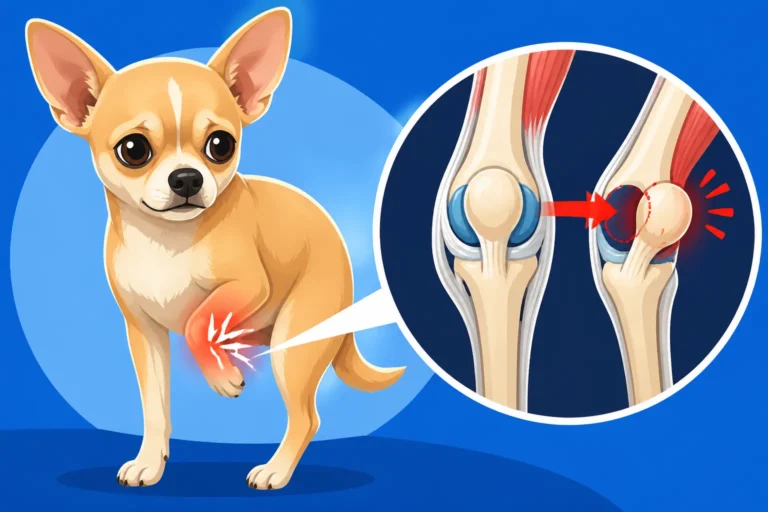
It's important to remember that some of these symptoms, particularly trembling or lethargy, can also be indicative of other health issues, such as anxiety, pain, or even heart problems like Chihuahua Heart Disease as the Breed Ages. For instance, a Chihuahua with Patellar Luxation, the Chihuahua's Commonest Joint Problem might show reluctance to move, but wouldn't typically have the disorientation or seizures associated with severe hypoglycemia. If your Chihuahua is experiencing tremors or a seizure, it's particularly important to differentiate hypoglycemia from Chihuahua Epilepsy and Seizure Onset, as the emergency treatment differs significantly. Always contact your vet if you're unsure, but if you suspect low blood sugar, the immediate action steps are critical.
Emergency Response and Long-Term Management
When you suspect your adult Chihuahua is experiencing hypoglycemia, prompt action is key. Knowing what to do in those first critical moments can prevent a life-threatening crisis.
Immediate First Aid at Home
If your Chihuahua is showing signs of low blood sugar – especially weakness, disorientation, or even a seizure – your first step is to get sugar into them, safely.
-
Rub Glucose Source on Gums: The quickest way to get sugar into their bloodstream at home is by rubbing a readily absorbable glucose source onto their gums. You can use:
- Karo Syrup (light corn syrup): This is a common household item that works wonderfully.
- Maple Syrup: Another good option if Karo isn't available.
- Honey: Also effective.
- Glucose Gel: Many pet stores and online retailers sell glucose gels specifically for diabetic or hypoglycemic pets. It's smart to keep some on hand, especially if your Chihuahua has had episodes before.
Carefully lift their lip and rub a small amount (about a quarter to half a teaspoon for a typical adult Chihuahua, depending on their size) onto their gums. They don't need to swallow it; it will be absorbed through the mucous membranes. Avoid putting anything in their mouth if they are actively seizing, as they could bite you or aspirate. Wait until the seizure passes or until they are somewhat responsive before attempting this.
-
Keep Them Warm: Hypoglycemia can often be exacerbated by cold. Wrap your Chihuahua in a warm blanket or towel. A heating pad on a low setting, placed under half of their bed, can also help, ensuring they can move off it if they get too warm.
-
Contact Your Veterinarian Immediately: Even if your Chihuahua seems to perk up after the sugar, this is not a standalone solution. Adult hypoglycemia is a symptom, and you need to get to the vet to find out the underlying cause. Call your vet clinic on your way, explaining the situation so they can prepare for your arrival. Be ready to provide details like when the symptoms started, what you gave them, and how they responded.
| Symptom Severity | Immediate Action | Next Step |
|---|---|---|
| Mild (lethargy, quiet) | Offer a small, palatable meal. | Observe closely. Call vet if no improvement or symptoms worsen. |
| Moderate (trembling, wobbly) | Rub Karo syrup/honey on gums (1/4 tsp). | Call vet immediately for advice and potential visit. |
| Severe (collapse, seizure) | Rub Karo syrup/honey on gums (1/2 tsp) if safe. | Emergency vet visit crucial, call en route. Do not delay. |
Veterinary Intervention and Diagnostic Steps
Once at the vet, they will take a blood sample to confirm the low blood sugar and then start a comprehensive diagnostic workup. This could include:
- Blood Tests: Beyond just blood glucose, they'll check organ function (liver, kidneys), electrolyte levels, and possibly a complete blood count to look for infections or other abnormalities. Bloodwork on a Chihuahua Past Fourteen is often more extensive.
- Urinalysis: To check kidney function, presence of infection, or other metabolic markers.
- Imaging: X-rays or ultrasound of the abdomen might be performed to look for tumors (especially pancreatic insulinomas, which are rare but serious causes of hypoglycemia), or other organ abnormalities.
- Further Specialized Tests: Depending on initial findings, your vet might recommend more advanced tests, such as an MRI if a brain issue is suspected, or specific hormone tests.
Don't be surprised if the vet recommends staying on an IV drip with dextrose for a while to stabilize their blood sugar and hydrate them. This is a common and effective initial treatment. Having pet insurance, like a comprehensive plan from Healthy Paws, can be incredibly reassuring during these times, as unexpected diagnostic tests and emergency treatments can really add up.
Underlying Causes and Veterinary Diagnosis
As mentioned, hypoglycemia in an adult Chihuahua is rarely a random occurrence. It's often a sign that something else is going on in their little body. Identifying and treating the root cause is paramount to preventing future episodes.
Common Medical Conditions Linked to Hypoglycemia
Several medical conditions can lead to critically low blood sugar in an adult Chihuahua. It's like a puzzle for your vet to solve, putting all the pieces together.
- Insulinoma: This is a rare but serious tumor of the pancreas that overproduces insulin, leading to a constant draw-down of blood glucose. These tumors are often tiny but can be aggressive. This is one of the more dangerous causes.
- Liver Disease: The liver plays a huge role in glucose metabolism, storing and releasing glycogen as needed. If the liver is diseased or damaged, it can't perform this function effectively, leading to hypoglycemia. Conditions like liver shunts (portosystemic shunts) can also be a cause.
- Severe Sepsis/Infection: A severe, widespread infection can cause the body to use up glucose at an accelerated rate, overwhelming its ability to produce or store it. This can happen with serious conditions like pancreatitis or internal infections.
- Adrenal Gland Disorders (Addison's Disease): While less common, Addison's disease (hypoadrenocorticism) can lead to low blood sugar, along with other symptoms like lethargy, vomiting, and diarrhea. The adrenal glands produce hormones vital for metabolism and stress response.
- Kidney Disease: Advanced kidney disease can affect glucose metabolism indirectly, although it's not a primary cause. Kidney Disease in a Long-Lived Chihuahua can often lead to a general decline in health, making the dog more vulnerable to other issues.
- Extreme Exercise or Undernutrition: While less common for adult Chihuahuas unless severely neglected or lost, prolonged, strenuous exercise without adequate caloric intake can cause hypoglycemia. Also, if a Chihuahua is suffering from severe dental pain due to Chihuahua Dental Disease in a Crowded Small Jaw, they might stop eating sufficiently, leading to low blood sugar.
- Certain Medications: Some medications, particularly those used for diabetes in other animals, or certain antibiotics, can inadvertently cause a drop in blood sugar. Always discuss all medications your Chihuahua is on with your vet.
The Role of Diet and Feeding Schedule
While adult Chihuahuas are less prone to simple "hunger hypoglycemia" than puppies, their feeding schedule and diet still play a critical role in preventing low blood sugar. Feeding a Chihuahua on Two Hundred Calories a Day requires precision.
- Regular Meals: Ensure your Chihuahua eats regular, balanced meals. Skipping meals, especially for an already delicate system, can be problematic. Most adult Chihuahuas do well with two to three small meals a day. How Many Meals a Day a Chihuahua Needs really depends on their individual metabolism and health status.
- Quality Diet: Feed a high-quality, nutritionally complete dog food. Your vet may recommend a specific prescription diet if an underlying condition like liver disease is diagnosed. Sometimes, if a Chihuahua has a sensitive stomach, Pancreatitis in a Chihuahua After Rich Food can lead to appetite loss and a subsequent drop in blood sugar.
- Monitoring Appetite: Pay close attention to any changes in your Chihuahua's appetite. If they suddenly become finicky or refuse meals, it’s worth investigating with your vet, especially if paired with other subtle symptoms.
- Avoid Prolonged Fasting: For Chihuahuas undergoing certain procedures, veterinarians will always carefully manage their fasting times, often giving a small meal just hours before anesthesia, due to the risk of hypoglycemia. If your dog needs to fast for any reason, discuss the specifics and risks with your vet beforehand.
Preventative Measures and Ongoing Care
Once the underlying cause of hypoglycemia is identified and addressed, preventative measures become part of your routine.
- Follow Veterinary Recommendations: This is the most important step. If medication or a specific diet is prescribed, adhere to it strictly.
- Regular Vet Check-ups: Regular health checks, including bloodwork, are vital for ongoing monitoring, especially for senior Chihuahuas. This can help catch potential issues before they become emergencies. Senior Chihuahua Care Past the Age of Twelve emphasizes proactive health management.
- Emergency Kit: Always keep a glucose source (Karo syrup, honey, or glucose gel) readily available at home and even when traveling. You never know when you might need to use it.
- Educate Others: Make sure anyone who cares for your Chihuahua (pet sitter, family members) knows about their condition, the signs of hypoglycemia, and how to administer emergency sugar.
- Consider Pet Insurance: For conditions that require ongoing management or repeated diagnostic tests, pet insurance can be a real lifesaver. Companies like Healthy Paws offer coverage that can help offset the costs of long-term care for chronic conditions, allowing you to focus on your Chihuahua's health without added financial stress.
By understanding the unique vulnerabilities of your adult Chihuahua and being vigilant for signs of hypoglycemia, you can act quickly in an emergency and work with your vet to ensure your precious companion leads a long, healthy, and happy life.
Disclaimer
The information provided in this guide is for educational purposes only and should not be considered a substitute for professional veterinary advice. Always consult with a qualified veterinarian for any health concerns or before making any decisions related to your Chihuahua's medical care.