Whether a Chihuahua Knee Needs Surgery at All
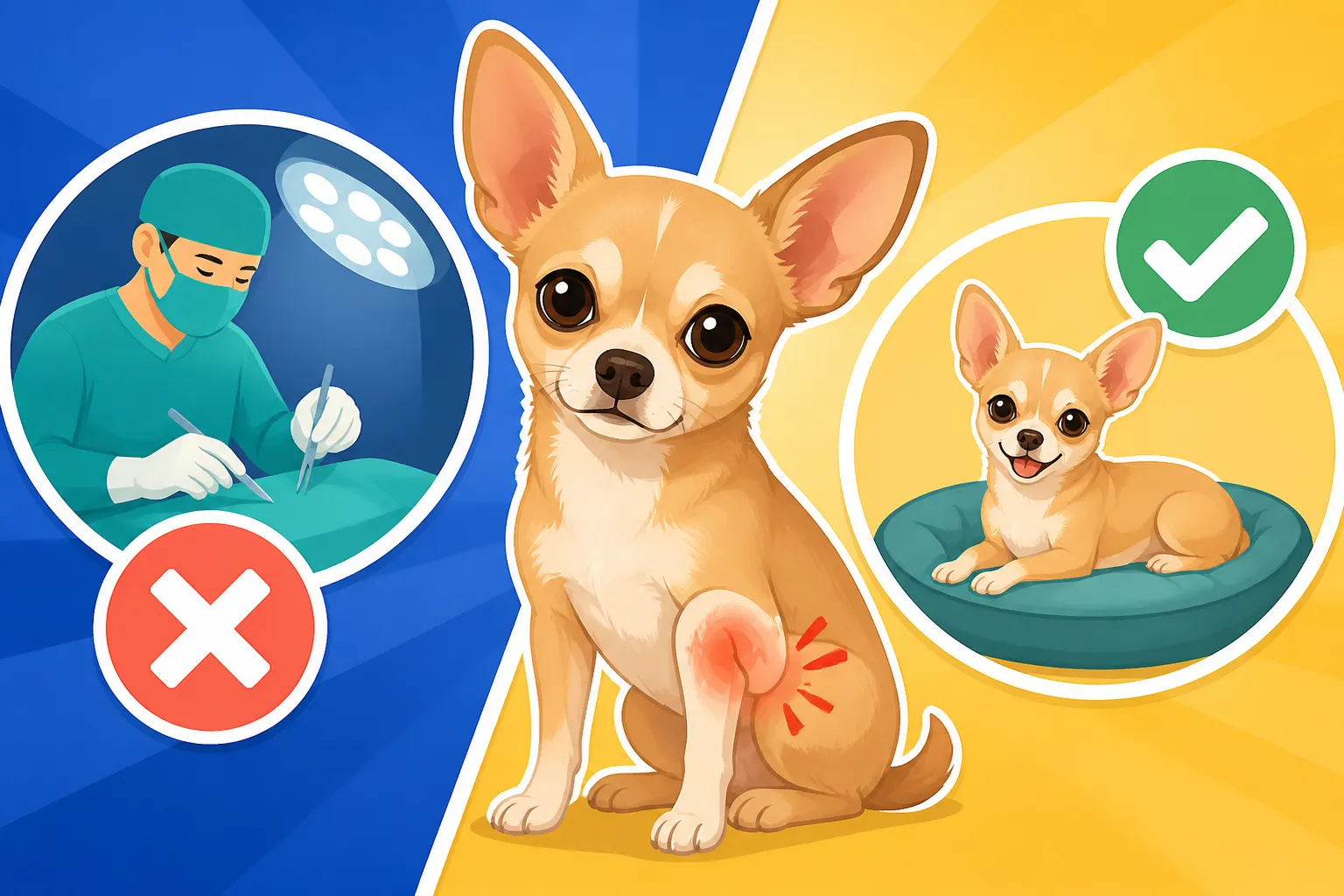
It’s a heart-stopping moment for any Chihuahua parent: you see your little one take a hop, skip, or maybe even yelp in pain, favoring a back leg for a few steps before acting like nothing happened. This often signals patellar luxation, a condition where the kneecap (patella) slips out of its groove. The immediate panic is usually "Does my Chihuahua need surgery?" This guide is here to walk you through the nuances of this common issue, helping you understand when conservative management might be enough, and when surgery genuinely becomes the best path forward for your beloved tiny companion.
Understanding Patellar Luxation in Chihuahuas
Patellar luxation is incredibly common in Chihuahuas, so if you're dealing with this, you are definitely not alone. It’s one of the most frequently discussed health concerns in our tiny friends. Imagine trying to explain to your vet what's happening; it can be tough because Chihuahuas are so adept at hiding pain, often just shaking it off. But that tell-tale skipping gait is hard to miss once you know what to look for.
The Mechanics of a Slipping Kneecap
At its simplest, patellar luxation means the kneecap isn't staying where it belongs. In a healthy knee, the patella sits snugly in a groove at the end of the femur (thigh bone), gliding up and down smoothly as the leg bends and straightens. It’s held in place by ligaments and muscles. When a Chihuahua has luxating patella, this groove is often too shallow, or the alignment of the leg bones (femur, tibia, and patella) is off. This causes the kneecap to pop out of place, either to the inside (medial luxation, which is most common in Chihuahuas and other small breeds) or, less frequently, to the outside (lateral luxation).
When the kneecap slips, it can be painful, causing your dog to momentarily hold their leg up, skip a beat, or even cry out. This sudden jolt of pain comes from the disruption of the joint and the stretching of surrounding tissues. Over time, if the kneecap repeatedly pops in and out, it can cause wear and tear on the cartilage, leading to inflammation, pain, and eventually, the dreaded arthritis that we all try to avoid for our senior pups. It’s not just a momentary inconvenience; it’s a mechanical problem that can progressively worsen without proper management.
Grading Patellar Luxation and What Each Grade Means
Vets classify patellar luxation into four grades, with Grade I being the mildest and Grade IV the most severe. This grading system is crucial because it helps determine the best course of action and whether surgery is truly on the table. Knowing these grades can help you understand the severity of your Chihuahua's condition. You might find yourself delving deeper into topics like The Four Grades of a Slipping Chihuahua Kneecap as you learn more.
Grade I: This is the mildest form. The kneecap can be manually luxated (pushed out of place by your vet) but immediately pops back into its proper groove on its own. Your Chihuahua might rarely show symptoms, perhaps just an occasional skip that you barely notice. There's often no pain or lameness at this stage. Many Chihuahuas live their entire lives with Grade I luxation without ever needing surgery or experiencing significant issues.
Grade II: At this stage, the kneecap slips out of its groove more frequently. It might luxate when your Chihuahua bends its knee, or when they put pressure on it, and it usually stays out for a moment before returning on its own or with a little manipulation (like your dog shaking their leg). You'll probably see that characteristic skipping step or temporary lameness more often. Your dog might show discomfort or reluctance to use the leg fully after an episode. This is often the crossroads where owners start to seriously consider intervention.
Grade III: This is a more severe form where the kneecap is luxated most of the time. While it can still be manually put back into its groove by your vet, it immediately slips out again once released. Dogs with Grade III luxation often have a persistent limp or a crouched, bow-legged stance. They'll experience more consistent pain and reduced mobility, and the cartilage and bones in the joint will show more significant wear and tear. At this point, the question of A Chihuahua Kneecap That Never Goes Back starts to become a real concern, and surgery is almost always recommended.
Grade IV: This is the most severe grade. The kneecap is permanently luxated and cannot be manually returned to its normal position. The bones of the leg are usually deformed, and the groove where the kneecap should sit is often completely absent or very shallow. Dogs with Grade IV luxation suffer from significant lameness and pain, often struggling to extend their leg or walk normally. Their quality of life is severely impacted, and surgery is almost always a necessity to try and restore some function, though the prognosis can be more guarded than with lower grades.
When Conservative Management is the Right Choice
It's a huge relief to know that not every luxating patella diagnosis immediately means surgery. For many Chihuahuas, especially those with lower-grade luxation, a conservative approach can be incredibly effective at managing symptoms and maintaining a good quality of life. This usually involves a combination of environmental adjustments, physical therapies, and sometimes medication or supplements.
Lifestyle Adjustments and Environmental Aids
If your vet suggests conservative management, a big part of that will be making your home safer and more comfortable for your Chihuahua's joints. These little changes can make a massive difference in preventing the kneecap from slipping and reducing strain.
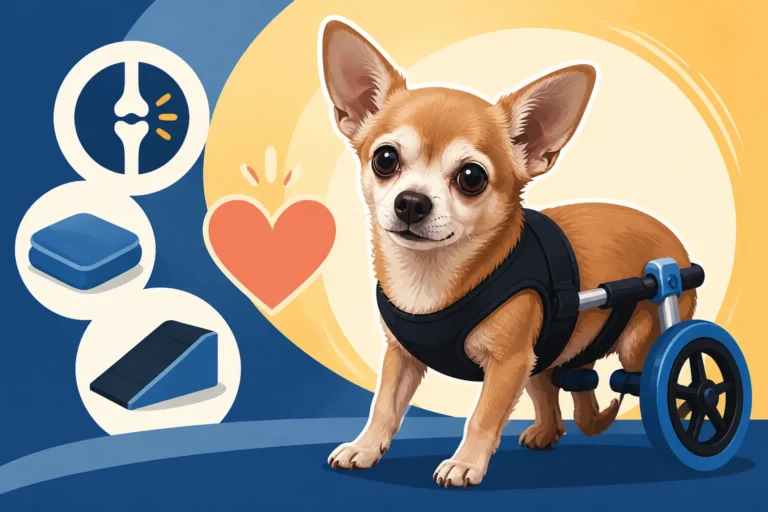
Think about your home environment. Chihuahuas love to jump on and off furniture, but these repeated impacts can put undue stress on their knees, exacerbating patellar luxation. Consider putting Ramps and Steps for a Chihuahua Sofa or bed. This simple addition can save countless jumps and jolts, protecting those delicate joints. Similarly, preventing them from running wild on slippery floors like tile or hardwood is crucial. Area rugs or non-slip mats can provide much-needed traction, reducing the risk of slips and falls that can cause the kneecap to luxate.
Even simple things like how you pick up and handle your Chihuahua can play a role. Avoiding sudden twisting movements or allowing them to jump out of your arms can prevent an unnecessary slip. Gentle handling and being mindful of their physical limitations are key. It’s all about creating a low-impact, secure environment for them to thrive in.
The Role of Weight Management and Physical Therapy
One of the most impactful things you can do for a Chihuahua with patellar luxation, regardless of the grade, is to ensure they maintain a healthy weight. Just an extra pound on a tiny Chihuahua can put disproportionate stress on their small joints, making luxation more frequent and painful. If your Chihuahua is on the heavier side, discussing a safe weight loss plan with your vet is paramount. This ties into topics like Chihuahua Obesity on a Six Pound Frame, which highlights just how critical healthy weight is for this breed.
Beyond weight, physical therapy can be a game-changer. Just like humans, dogs can benefit from targeted exercises to strengthen the muscles surrounding the knee joint, providing better support for the patella. A certified canine rehabilitation therapist can develop a customized plan that might include:
- Gentle range of motion exercises: To maintain flexibility.
- Strengthening exercises: Like controlled walks on varied surfaces, balance exercises, or even underwater treadmill therapy, which reduces impact.
- Massage: To alleviate muscle tension and improve circulation.
These therapies aren't just about pain relief; they're about building a stronger, more stable foundation for the knee. It's a proactive approach that empowers your Chihuahua to live more comfortably and potentially delay or even avoid surgery.
Medications and Supplements for Joint Health
When it comes to managing pain and inflammation associated with patellar luxation, your vet might recommend certain medications and supplements. These aren't cures, but they can significantly improve your Chihuahua's comfort and mobility.
Non-steroidal anti-inflammatory drugs (NSAIDs) are often prescribed during flare-ups of pain or inflammation. Brands like Rimadyl, Metacam, or Galliprant are common choices, but your vet will determine the most appropriate and safest option for your tiny dog, often at very precise, small doses. It’s vital to follow their instructions carefully, as even small overdoses can be dangerous for Chihuahuas due to their size.
Beyond acute pain relief, long-term joint support supplements can be very beneficial. Glucosamine and chondroitin, often found in supplements like Dasuquin or Cosequin, help support cartilage health and joint lubrication. Omega-3 fatty acids, like those found in fish oil, have natural anti-inflammatory properties that can help reduce joint pain. These supplements take time to show effects, often several weeks, but they can contribute significantly to long-term joint health. Your vet might also discuss newer therapies, such as Librela or Adequan injections, which can offer excellent pain management and joint support. The goal is always to keep your Chihuahua comfortable and active, without the need for constant pain medication.
Recognizing When Surgery Becomes Necessary
While conservative management is a fantastic first line of defense, there comes a point for many Chihuahuas where surgery is not just an option, but a real necessity. Deciding on surgery is a big, emotional step, but understanding the signs that indicate its need can help you make an informed decision for your little one.
Persistent Pain and Degenerative Changes
One of the clearest indicators that surgery might be needed is persistent, unmanaged pain. If your Chihuahua is consistently limping, crying out, showing reluctance to move, or becoming irritable and withdrawn despite conservative efforts, it’s a red flag. Pain directly impacts their quality of life, and it’s our responsibility to alleviate it. You might notice them favoring the leg more often, refusing to bear weight, or even developing muscle atrophy in the affected limb from disuse.
Beyond the visible signs of pain, your vet will be looking for degenerative changes within the joint. Repeated luxation causes the cartilage to wear down, leading to arthritis. X-rays can reveal these changes over time, showing bone spurs, joint inflammation, or a significantly deepened or worn patellar groove. The more severe these changes, especially if they’re progressing quickly, the stronger the argument for surgical intervention. Surgery aims to correct the underlying mechanical problem before irreversible damage makes long-term management even harder. This is particularly true for Grades III and IV luxation where the kneecap is frequently or permanently displaced, as the constant abnormal movement grinds away at the joint.
The Impact on Quality of Life and Mobility
Ultimately, the decision often boils down to your Chihuahua's quality of life. Are they able to enjoy walks? Can they play with toys? Do they happily greet you at the door, or are they struggling to get around? If the luxating patella is severely impacting their ability to live a normal, happy life, then surgery needs to be seriously considered.
Imagine your once-energetic Chihuahua now hesitates before any movement, avoids stairs, or simply lies down more often. This isn't just a minor inconvenience; it's a profound shift in their well-being. Dogs thrive on movement and interaction. If their mobility is significantly compromised, they can become anxious, depressed, or even aggressive due to pain and frustration. You might find yourself researching The Skipping Gait That Signals a Chihuahua Knee and realizing it’s becoming more frequent and severe. Surgery, in these cases, isn’t just about fixing a joint; it's about giving your Chihuahua back their joy and freedom of movement. It's about restoring their ability to play, explore, and simply be a dog without constant discomfort.
Types of Surgical Interventions
If surgery is recommended, your vet will explain the specific procedures that are most appropriate for your Chihuahua's unique situation. The goal of all these surgeries is to stabilize the kneecap within its groove.
Here are the most common surgical techniques:
- Trochlear Sulcoplasty: This is a fundamental part of most patellar luxation surgeries. The surgeon deepens the trochlear groove (the groove in the femur where the kneecap sits) so the patella can track correctly. This can be done by removing a wedge or block of bone and re-seating it deeper, or by using a burr to reshape the groove.
- Tibial Tuberosity Transposition (TTT): The tibial tuberosity is the bony prominence on the tibia (shin bone) where the patellar ligament attaches. If the ligament pulls the kneecap out of alignment, the surgeon carefully cuts this bone, moves it to a more appropriate position, and then re-attaches it with pins. This changes the angle of pull on the kneecap, helping it stay centered.
- Lateral Imbrication/Medial Release: This involves tightening the joint capsule on the side opposite the luxation (lateral imbrication for medial luxation) and sometimes releasing the tight tissues on the side of the luxation (medial release). This helps keep the kneecap centered.
- Anti-Rotational Sutures: In some cases, a strong suture material might be used to stabilize the patella by anchoring it to a healthy bone, further preventing it from slipping.
Often, a combination of these techniques is used to achieve the best outcome. Your veterinary surgeon, who might be an orthopedic specialist, will determine the precise approach based on the specific anatomical abnormalities contributing to your Chihuahua's luxation.
Weighing the Risks, Benefits, and Costs
The decision for surgery isn't just medical; it's deeply personal and financial. It’s crucial to have a clear understanding of what lies ahead, from potential complications to the financial implications, so you can make the best choice for your furry family member.
Potential Complications and Recovery Process
No surgery is without risk, and patellar luxation repair is no exception. While serious complications are rare, they can include infection, anesthetic complications (especially for small dogs like Chihuahuas), implant failure (if pins or wires are used), or re-luxation of the patella. Sometimes, the surgery needs to be repeated, or a different procedure tried if the first isn't fully successful. Your vet will discuss these risks with you thoroughly before the procedure.
The recovery process, while challenging, is absolutely critical for a successful outcome. It’s not a quick fix; it’s a commitment. Immediately after surgery, your Chihuahua will need strict rest and pain management. This typically means limited activity, cage rest, and preventing them from jumping or running for several weeks. Leash walks will be short and controlled.
As they heal, physical therapy and controlled exercise will slowly be introduced. This phase can last several months, and compliance with your vet's instructions is paramount. This might involve Recovery After Chihuahua Kneecap Surgery specific exercises at home, or regular visits to a rehabilitation specialist. The good news is that for most Chihuahuas, with proper surgical technique and diligent post-operative care, the outcome is excellent, leading to greatly improved function and reduced pain.
Financial Considerations and Pet Insurance
Let's be real: surgery is expensive. The cost of patellar luxation repair can vary widely depending on your location, the veterinary clinic, the specific surgical techniques needed, and the severity of the luxation. Generally, you can expect costs to range from several hundred to several thousand dollars per knee. This includes the initial consultation, pre-operative bloodwork, anesthesia, the surgery itself, post-operative medications, and follow-up visits. For bilateral luxation (both knees affected), the cost can double.
This is where pet insurance can be a literal lifesaver. Companies like Healthy Paws, for example, offer comprehensive policies that can cover a significant portion of surgical costs for conditions like patellar luxation, provided the condition isn't pre-existing. It’s incredibly important to enroll in pet insurance before any signs of luxation appear. If your Chihuahua has already been diagnosed, it will likely be considered a pre-existing condition and may not be covered, making it crucial to understand topics like Patellar Luxation as a Pre-Existing Chihuahua Condition when considering insurance. Many owners regret not getting insurance earlier when facing these large, unexpected bills. Having a plan like Healthy Paws in place can truly ease the financial burden during an already stressful time.
The Long-Term Outlook with and Without Surgery
The long-term outlook for a Chihuahua with patellar luxation depends heavily on the grade of luxation, whether surgery was performed, and the diligence of post-operative care and ongoing management.
Without surgery (conservative management): For Grade I and some Grade II cases, many Chihuahuas live comfortable lives with proper weight management, joint supplements, environmental modifications, and occasional pain relief. However, there is always a risk of the condition worsening over time, potentially leading to increased pain, arthritis, and eventual need for surgery. The goal here is to manage symptoms and prevent progression for as long as possible.
With surgery: For Chihuahuas undergoing successful surgery for Grade II, III, or IV luxation, the prognosis is generally very good. Most dogs experience a significant reduction in pain and a marked improvement in mobility. While surgery often corrects the mechanical problem, it doesn't necessarily prevent the onset of arthritis entirely, especially if there was already damage to the joint. However, it can significantly slow its progression and manage its severity. Many Chihuahuas go on to live full, active lives after recovery. Lifelong joint support supplements and maintaining a healthy weight will still be important to support their rehabilitated knee and manage potential Chihuahua Arthritis in the Teenage Years.
Ultimately, the decision to pursue surgery is a complex one, involving careful consideration of your Chihuahua's individual condition, your veterinarian's recommendations, your financial situation, and your commitment to the recovery process. The most important thing is to ensure your Chihuahua lives as pain-free and happily as possible, whatever path you choose.
Disclaimer
The information provided in this article is for general informational purposes only and is not intended as a substitute for professional veterinary advice. Always consult with a qualified veterinarian regarding any health concerns or before making any decisions about your Chihuahua's medical care.