Whether a Smaller Chihuahua Lives Longer
It’s a natural assumption, isn't it? We see these incredibly tiny Chihuahuas, almost impossibly small, and a thought often crosses our minds: surely something so delicate must live longer, protected from the wear and tear that affects larger, heavier dogs. But the truth about a Chihuahua's size and its lifespan is far more nuanced, and often, the exact opposite of what we might expect when it comes to those truly miniature pups. This guide will delve into the reality behind Chihuahua size, debunk common myths, and explore what truly helps these wonderful little dogs live their fullest, longest lives.
Unpacking the Myth: Does a Smaller Chihuahua Truly Live Longer?
The idea that smaller dogs inherently live longer than larger breeds is generally true across the canine kingdom. A Great Dane, for instance, has a significantly shorter average lifespan than a Beagle. Chihuahuas, as one of the smallest breeds, famously enjoy one of the longest lifespans, often reaching Chihuahua Lifespan and Why the Breed Reaches Sixteen. It's not uncommon for them to live 12 to 20 years, a fantastic run that brings immense joy to their families. However, there's a critical distinction to be made: "smaller" in the context of the breed's healthy standard, versus "smaller" to an extreme degree, often pushed by the "teacup" trend.
The Standard Chihuahua Size and Lifespan
The official breed standard for Chihuahuas, as recognized by organizations like the American Kennel Club (AKC), is actually quite broad, typically ranging from 2 to 6 pounds. Most healthy Chihuahuas fall comfortably within this weight range and thrive. These are the dogs we expect to see sailing past their tenth birthday and often into their mid-to-late teens, leading active, happy lives. Their small size, combined with good genetics and proper care, contributes significantly to their longevity. They experience less strain on their joints, have a relatively lower incidence of certain cancers compared to giant breeds, and generally benefit from their compact, efficient physiology. When we talk about Why Chihuahuas Live Twelve to Twenty Years, we're typically referring to these well-proportioned, standard-sized Chihuahuas.
The Allure and Reality of "Teacup" Chihuahuas
The term "teacup Chihuahua" itself isn't recognized by any major breed registry. It's purely a marketing term used to describe Chihuahuas that are significantly undersized, often weighing less than 4 pounds, and sometimes even less than 2 pounds. The allure of these tiny pups is undeniable – they are incredibly cute, can fit into handbags, and feel almost like living accessories. People might also falsely assume that if a regular Chihuahua lives long, an even smaller one must live even longer. Unfortunately, the reality is often quite different. These ultra-small Chihuahuas often come with a host of serious health problems directly related to their diminutive size, issues that can actually shorten their lives significantly. This is why you should always be wary of breeders pushing the "teacup" label, as it often signals a focus on extreme smallness over health and proper breeding practices. To truly understand this, it's worth learning whether teacup Chihuahua is not a real size.
Why Extreme Smallness Isn't a Longevity Advantage
While small breeds tend to live longer, there’s a sweet spot. When a Chihuahua is bred to be excessively small, it pushes beyond the healthy physiological limits of the breed. These extremely tiny dogs are often runts of the litter or result from breeding two very small dogs together specifically to produce miniature offspring, sometimes inadvertently concentrating genetic weaknesses. The body systems of these minuscule Chihuahuas are simply not designed to function optimally at such an extreme scale. Their organs are smaller, their bones more delicate, and their metabolic rates can be dangerously unstable. This fragility means they are much more susceptible to a range of health crises that can reduce their expected lifespan dramatically, countering any general longevity advantage that being a small dog typically confers.
Health Risks That Come with Being Too Small
When a Chihuahua is significantly smaller than the healthy breed standard, they face a unique set of challenges that can make their lives much more precarious. These aren't just minor inconveniences; they can be life-threatening conditions that require intensive, ongoing care, and often lead to heartbreakingly short lives.
Hypoglycemia: A Constant Threat for Tiny Pups
One of the most immediate and dangerous risks for very small Chihuahuas, especially puppies, is hypoglycemia, or dangerously low blood sugar. Their tiny bodies have very little glycogen stored in their livers, which is the body's emergency energy reserve. This means they can't go long without food. A skipped meal, a sudden burst of activity, stress, or even being slightly chilled can quickly deplete their blood sugar levels, leading to weakness, disorientation, trembling, and even seizures and coma. This is a terrifying situation for any owner, and understanding Chihuahua Hypoglycemia and the Puppy Emergency is crucial. While adult Chihuahuas can also experience hypoglycemia, it's far more prevalent and severe in the smallest puppies, often requiring owners to carry Emergency Sugar for a Collapsing Chihuahua Puppy and maintain a strict feeding schedule to prevent crises.
Fragile Bones and Vulnerability to Injury
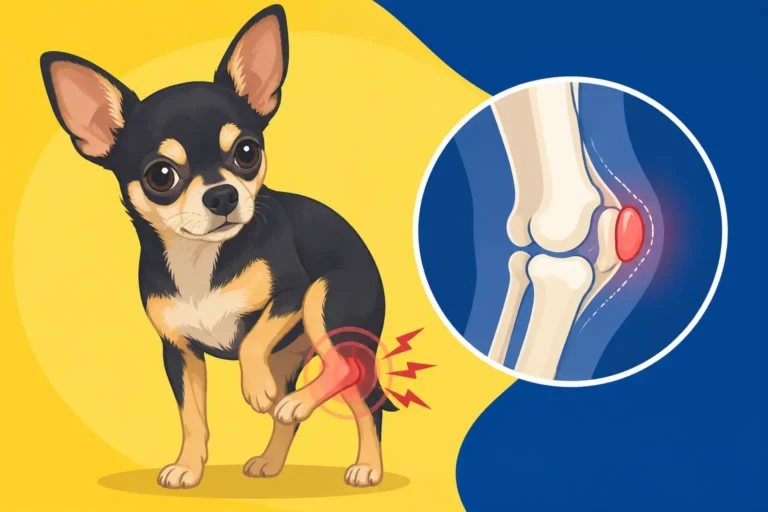
Imagine a bone structure so delicate that a simple jump off a sofa could lead to a serious fracture. This is the reality for many excessively small Chihuahuas. Their bones are often thinner and less dense than those of a standard-sized Chihuahua, making them incredibly fragile. A minor fall, an accidental step, or even rough play with another pet (even a slightly larger Chihuahua) can cause significant injury. These injuries often involve the long bones of the legs or even the skull. While all Chihuahuas can be prone to certain orthopedic issues like patellar luxation, the smallest ones have an even higher risk of severe breaks that can be difficult to repair surgically and can lead to chronic pain or mobility issues, profoundly impacting their quality of life.
Anesthesia and Surgical Complications at Miniature Sizes
Routine veterinary procedures, like spaying or neutering, or even a necessary dental cleaning, carry increased risks for extremely small Chihuahuas. Their tiny bodies are much more sensitive to anesthetic drugs, making dosage calculation a delicate balancing act. They are also much more prone to hypothermia during surgery due to their minimal body fat and large surface area to volume ratio, making it difficult to regulate their body temperature. Recovering from anesthesia can also be more challenging. While veterinarians are highly skilled at managing anesthesia in toy breeds, the smaller the dog, the higher the baseline risk. This is a serious consideration, especially when you think about conditions like Chihuahua Dental Disease in a Crowded Small Jaw which often requires regular anesthetized cleanings. If you're considering a procedure, understanding the Anesthesia Risk During a Chihuahua Dental is vital.
Compromised Organ Development and Function
In some cases, Chihuahuas bred for extreme smallness may also suffer from underdeveloped or compromised internal organs. This can manifest in various ways, from heart defects to liver shunts or kidney problems. These conditions might not be immediately apparent in a puppy but can lead to chronic illness and premature death. For instance, some tiny Chihuahuas may be predisposed to conditions like Hydrocephalus in an Apple-Head Chihuahua, a condition where cerebrospinal fluid builds up in the brain, often affecting puppies with extremely domed skulls. Such underlying health issues, often a consequence of poor breeding practices focused on size above all else, severely diminish a Chihuahua's chances of a long and healthy life.
Below is a table summarizing the typical differences in health profiles between standard-sized and excessively small ("teacup") Chihuahuas:
| Feature | Standard Chihuahua (2-6 lbs) | Excessively Small/Teacup Chihuahua (<4 lbs) |
|---|---|---|
| Typical Lifespan | 12-20 years (often 15+) | Significantly reduced, often 5-10 years or less |
| Hypoglycemia Risk | Low in healthy adults, higher in young puppies | High, constant risk, especially in puppies and during stress |
| Bone Fragility | Moderate, some orthopedic issues (e.g., patellar luxation) | Very high risk of fractures from minor trauma |
| Anesthesia Risk | Managed with care, standard toy breed protocols | Elevated risk due to size, temperature regulation issues, drug sensitivity |
| Organ Development | Generally healthy, normal organ function | Higher incidence of underdeveloped or compromised organs (heart, liver, kidneys) |
| Overall Robustness | Relatively robust for a small dog, active | Very fragile, requires extreme caution and careful handling |
| Veterinary Needs | Regular preventive care, dental cleanings, check-ups | Intensive, frequent veterinary care, emergency preparedness |
What Actually Influences a Chihuahua's Lifespan
So, if extreme smallness isn't the key to a longer life, what factors do play the most significant role in helping a Chihuahua reach its full genetic potential for longevity? It boils down to a combination of responsible choices made by breeders and dedicated care provided by owners throughout the dog's life. This is What Actually Shortens a Chihuahua's Life but also what extends it.
Responsible Breeding Practices and Genetic Health
The foundation of a long-lived Chihuahua starts with a responsible breeder. Good breeders prioritize health, temperament, and adherence to the breed standard, rather than chasing extreme size or "rare" colors. They conduct thorough health screenings on their breeding dogs for common Chihuahua ailments, such as patellar luxation, heart conditions, and certain eye diseases. They understand genetics and make informed decisions to produce healthy puppies. When you look for a Chihuahua, inquire about The Health Tests a Chihuahua Breeder Should Run. A puppy from health-tested parents, who are themselves of good size and sound temperament, is far more likely to inherit robust health and a stronger constitution, setting them up for a longer, healthier existence. This genetic lottery, guided by ethical breeding, is perhaps the single most important factor.
Consistent Veterinary Care and Preventive Measures
Once you bring your Chihuahua home, consistent, proactive veterinary care becomes paramount. This means regular check-ups, appropriate vaccinations, and parasite prevention. Given their predisposition to certain issues, early detection is key. Regular dental care, for instance, is not just about fresh breath; Chihuahua Dental Disease in a Crowded Small Jaw is incredibly common and, if left untreated, can lead to serious systemic health problems. Your vet can monitor for signs of Chihuahua Heart Disease as the Breed Ages, screen for kidney or liver issues, and address any concerns as they arise. Investing in preventative care and having a trusted veterinarian who understands toy breeds can literally add years to your Chihuahua's life. Many owners opt for pet insurance, like a policy from Healthy Paws, to help manage the costs of unexpected illnesses or injuries, ensuring they can always provide the best care without financial strain.
Nutrition, Exercise, and Weight Management
Just like with humans, a balanced diet and appropriate exercise are vital for a Chihuahua's longevity. Chihuahuas require a high-quality, nutritionally complete dog food, portioned carefully to their tiny caloric needs. Obesity in a Chihuahua, even an extra half-pound, puts immense strain on their joints, heart, and other organs, increasing the risk of diseases like diabetes and exacerbating conditions like patellar luxation. Regular, moderate exercise, like short walks or indoor play, helps maintain a healthy weight, builds muscle, and keeps their minds stimulated. However, it's equally important to prevent over-exercising or strenuous activity that could lead to injury, especially if they have existing orthopedic vulnerabilities. A well-managed diet and activity level, tailored to their size and age, contribute significantly to their overall health and lifespan, carrying them well into their Senior Chihuahua Care Past the Age of Twelve.
Environmental Safety and Stress Reduction
A safe home environment and a low-stress lifestyle also play a crucial role in a Chihuahua's longevity. Because of their small size, Chihuahuas are more vulnerable to accidental injury from falls off furniture, being stepped on, or rough play with larger pets or children. Creating a safe space for them, providing ramps or steps for furniture access, and supervising interactions are essential. Minimizing stress through consistent routines, positive reinforcement training, and a calm household atmosphere can prevent stress-related health issues and behavioral problems. A secure, predictable environment where they feel loved and safe allows them to thrive physically and emotionally, contributing to a longer, happier life. Even small considerations, like using a harness instead of a collar to protect their delicate trachea, can make a difference over many years.
Ultimately, while the Chihuahua breed as a whole is known for its impressive longevity, it's not simply about being small. It's about being healthy and well-cared for. Extreme smallness, often seen in "teacup" varieties, generally introduces more health risks than benefits, potentially cutting a Chihuahua's life short. Focus on a well-bred, healthy-sized Chihuahua and provide them with excellent lifelong care, and you'll likely enjoy many wonderful years with your tiny companion.
Disclaimer
Please remember that the information provided in this guide is for educational purposes only and should not be considered a substitute for professional veterinary advice. Always consult with a qualified veterinarian for any health concerns or before making any decisions about your Chihuahua's care, diet, or treatment plan. Individual dogs may have unique needs and conditions that require personalized attention from a veterinary professional.