Chihuahua Arthritis in the Teenage Years
Watching your beloved Chihuahua start to slow down can be incredibly tough, especially when you see them struggling with stiffness after a nap or hesitation before jumping onto the sofa they once conquered with ease. It's a heartbreaking reality for many owners of long-lived breeds, as the aches and pains of old age, particularly arthritis, become a daily challenge. This comprehensive guide is here to walk you through understanding, recognizing, and compassionately managing arthritis in your cherished teenage Chihuahua, ensuring their golden years are as comfortable and joyful as possible.
Understanding Arthritis in Senior Chihuahuas
Arthritis, or osteoarthritis, is a degenerative joint disease that affects millions of dogs, and Chihuahuas, despite their small size, are certainly not immune. As our tiny companions age, the protective cartilage cushioning their joints begins to wear down, leading to inflammation, pain, and reduced mobility. It's a progressive condition, meaning it often gets worse over time, which is why early understanding and intervention are absolutely key to maintaining your Chihuahua's quality of life.
The Reality of Aging Joints
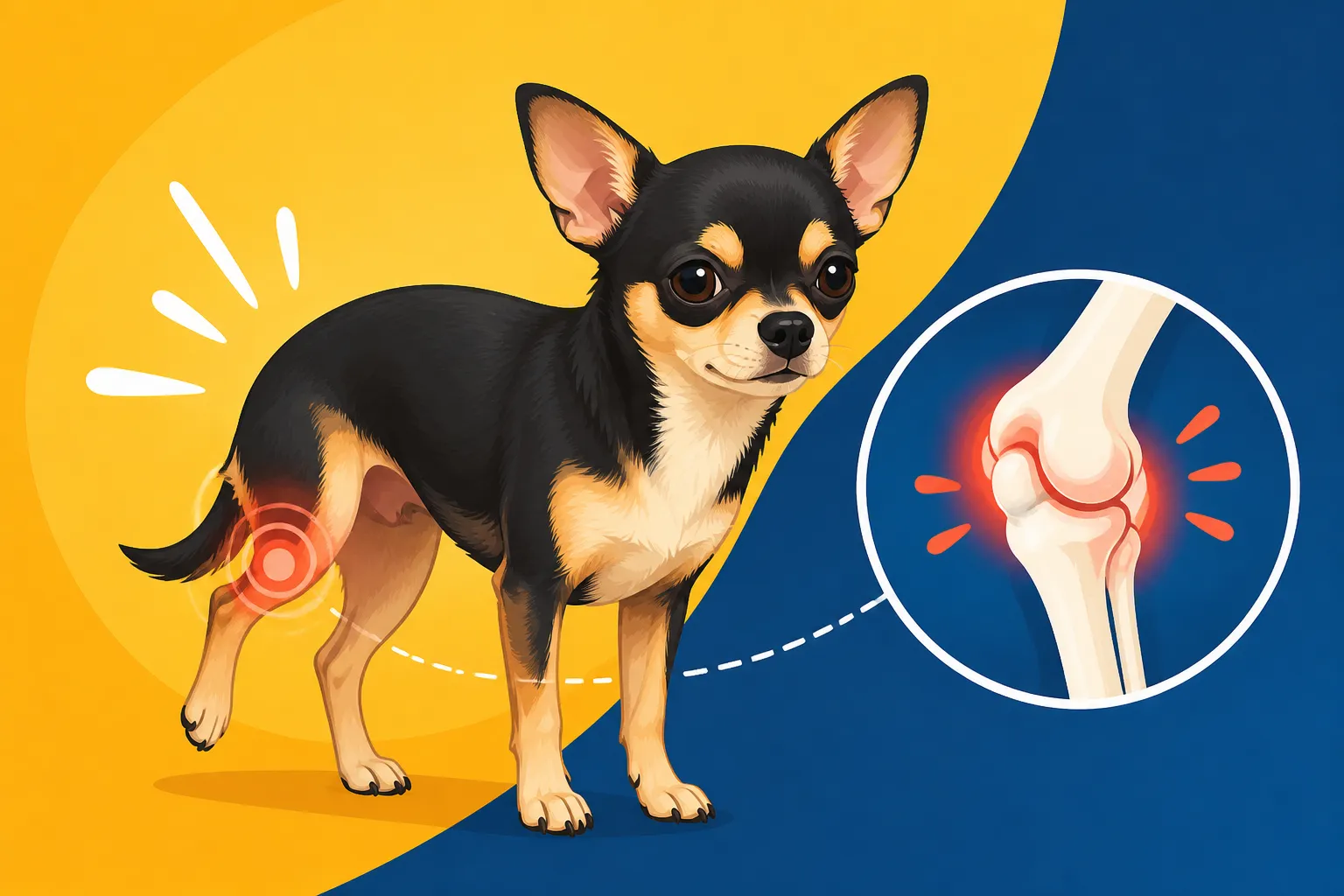
Just like in humans, a Chihuahua's joints experience significant wear and tear over a lifetime of running, jumping, and playing. The cartilage acts as a natural shock absorber, allowing bones to glide smoothly against each other. When this cartilage erodes, bones start to rub, causing friction, pain, and the development of bone spurs (osteophytes) in an attempt to stabilize the joint. This process can happen in any joint, but it's most commonly seen in the hips, knees, elbows, and spine of senior dogs. For a Chihuahua, whose entire body is under constant strain simply due to their energetic nature in a tiny package, these changes can be particularly debilitating.
It's a misconception that small dogs don't suffer from significant joint issues because they weigh less. While their weight might reduce some types of stress, their delicate bone structure and high activity levels, often involving lots of small, quick movements, can still lead to substantial joint degradation. Imagine the tiny forces at play every time your little one bounds off a couch or performs a frantic zoomie. Over a decade or more, those repetitive motions take a toll, resulting in the discomfort associated with aging joints.
The progression of arthritis isn't always linear. Some days your Chihuahua might seem fine, while others they might be noticeably stiff and sore. This fluctuation can make it difficult for owners to pinpoint when the "normal" slowing down of old age crosses over into actual arthritic pain. It's important to remember that pain is a significant factor in their discomfort, and attributing all slowing to just "being old" can inadvertently lead to prolonged suffering.
How Arthritis Manifests in a Tiny Body
Because Chihuahuas are so small, their arthritis symptoms might not be as dramatic or obvious as those in a larger dog. You might not see a pronounced limp initially, but rather a more subtle reluctance to perform certain actions. Perhaps they hesitate before attempting stairs, or they seem a little slower getting up from a deep sleep. Their small stature can also make it harder to visually identify swollen joints or muscle atrophy, as these changes might be hidden beneath their fur or simply less apparent on such a compact frame.
A key challenge is that Chihuahuas are masters of hiding pain, a common survival instinct in the animal kingdom. They might not cry out or overtly limp until the pain becomes quite severe. Instead, you might notice changes in their posture, a shift in how they carry their weight, or an increased desire to be picked up rather than walk. The way they interact with their environment changes; they might choose to nap in a spot that requires less movement to access or avoid playing games they once loved.
Understanding how common conditions like Patellar Luxation, the Chihuahua's Commonest Joint Problem can predispose them to arthritis is also crucial. A kneecap that has been slipping in and out of place for years creates abnormal wear in the joint, inevitably leading to arthritic changes. Similarly, any previous injury, even something seemingly minor, can set the stage for arthritis later in life. It's not just about the typical "old dog" arthritis, but often the culmination of a lifetime of tiny stresses on their delicate skeletal system.
Common Triggers and Predispositions
Several factors can increase a Chihuahua's likelihood of developing arthritis, or worsen existing conditions. Genetics play a significant role, with certain lines being more prone to joint issues. Early injuries, even those that seemed to heal well at the time, can disrupt normal joint mechanics and accelerate cartilage breakdown years later. Overweight or obese Chihuahuas are also at a much higher risk, as extra pounds put immense pressure on their already tiny joints, exacerbating wear and tear. Even a single extra pound on a six-pound Chihuahua is like a human carrying a significant amount of excess weight relative to their frame.
Environmental factors can also contribute. Living in a home with slippery floors, where a Chihuahua might constantly struggle for traction or experience small slips, can stress joints over time. Similarly, allowing them to repeatedly jump off high furniture without a ramp or steps can cause microtraumas that add up to significant joint damage. While Chihuahuas love to be on elevated surfaces, providing safe access is essential for their long-term joint health.
Furthermore, other health conditions can indirectly impact joint health. For instance, poor muscle mass due to inactivity can reduce support around the joints, making them more vulnerable. Nutritional deficiencies, though less common with quality dog food, could also play a subtle role. It's a complex interplay of genetics, lifestyle, and past events that ultimately determines the severity and onset of arthritis in your senior Chihuahua. Understanding these triggers allows for more targeted prevention and management strategies.
Recognizing the Subtle Signs of Joint Pain
Detecting arthritis in a Chihuahua often requires keen observation and an understanding of their normal behaviors. Because they're small and can be stoic, the signs might be easily missed or misinterpreted as general "senioritis." It's not always a dramatic limp; sometimes, it's a subtle shift in their daily routine or personality that signals discomfort.
Behavioral Changes to Watch For
One of the first indicators that your Chihuahua might be experiencing joint pain is a change in their typical behavior. They might become more withdrawn, less enthusiastic about playtime, or even a little grumpy when approached or touched, especially if you accidentally bump a sore joint. A Chihuahua who once greeted you with energetic jumps might now offer a more subdued welcome or choose to stay in their bed. This isn't necessarily a change in personality, but often a symptom of pain-induced irritability or an attempt to protect themselves from further discomfort.
You might also notice changes in their sleeping patterns. An arthritic Chihuahua may struggle to get comfortable, frequently shifting positions, or finding it difficult to settle down. They might also sleep more than usual, as resting offers relief from constant aches. Similarly, a Chihuahua that always loved to burrow under blankets might continue to do so, but the effort required to get into their preferred cozy spot might increase, or they might seem more stiff upon emerging. Observing these subtle shifts in their daily routine can provide crucial clues.
Another common behavioral sign is a reluctance to engage in activities they once enjoyed. This could mean skipping their usual zoomies, avoiding stairs or high furniture, or even showing disinterest in their favorite toys if playing requires too much movement. If your Chihuahua, who previously loved a long stroll, now prefers shorter walks or stops frequently, it's a strong indicator that their joints are bothering them. Remember, these are often signs that your little one is trying to tell you something hurts.
Physical Indicators Beyond Limping
While limping is a classic sign of joint pain, it’s not always the first or most obvious one in a small dog. Look for more subtle physical changes. Stiffness, especially after periods of rest or in the morning, is a hallmark of arthritis. Your Chihuahua might stretch more slowly, walk with a tentative gait, or seem to "warm up" after a few minutes of gentle movement. You might also observe a decrease in their range of motion; for example, they might struggle to fully extend a leg when stretching or grooming themselves.
Muscle atrophy, particularly in the hindquarters, is another common physical indicator. If one leg or both hind legs look thinner or less muscular than they used to, it suggests that your Chihuahua has been favoring other limbs and not using those muscles as much due to pain. You can gently feel their muscles to notice any significant difference in size or firmness. While it might be challenging on a tiny Chihuahua, comparing one side to the other or observing changes over time can be helpful.
Other physical signs include excessive licking or chewing at a particular joint, which is their way of self-soothing or trying to alleviate discomfort. You might also notice changes in their posture, such as a hunched back or a tendency to stand with their weight shifted to one side. Their tail carriage might also be lower than usual, reflecting their discomfort. A simple way to check for localized pain is to gently palpate their joints; if they flinch, pull away, or show signs of discomfort, it's a strong indication something is amiss. This is where regular handling from a young age helps, as a Chihuahua used to being touched will be more tolerant of examinations when they're older.
Differentiating Arthritis from Other Ailments
It's important to remember that not all signs of slowing down or pain are due to arthritis. Other senior dog ailments can mimic arthritic symptoms, making an accurate diagnosis from your veterinarian essential. For example, Chihuahua Back and Neck Pain from disc issues can cause reluctance to move, yelping, or changes in gait, similar to joint pain. Additionally, cognitive decline, seen in conditions like Cognitive Decline in a Fifteen Year Old Chihuahua, can also lead to disorientation or a decrease in activity that might be mistaken for physical discomfort.
Sometimes, seemingly unrelated issues can indirectly affect a Chihuahua's mobility. For instance, heart conditions like Mitral Valve Disease in an Older Chihuahua can lead to coughing or weakness that reduces their desire to move around. Even dental pain, often severe in Chihuahuas due to Chihuahua Dental Disease in a Crowded Small Jaw, can cause general malaise and a reluctance to engage. This is why a thorough veterinary examination is critical rather than self-diagnosing your dog.
If your Chihuahua is suddenly showing severe lameness, crying out in acute pain, or displaying neurological symptoms like wobbliness or loss of coordination, it could be something more urgent than typical arthritis, such as a disc rupture or a sudden injury. While arthritis pain can fluctuate, acute, sudden severe pain always warrants immediate veterinary attention. Your vet will be able to perform diagnostic tests to rule out other conditions and pinpoint the exact cause of your Chihuahua's discomfort.
Veterinary Diagnosis and Early Intervention
When you suspect your senior Chihuahua might be struggling with arthritis, the very first step should always be a visit to your veterinarian. Self-diagnosing and trying to treat your dog at home can lead to missed opportunities for effective pain management and could even mask other serious health issues. A professional diagnosis is crucial for tailoring the right care plan for your tiny companion.
The Importance of Regular Senior Check-ups
For Chihuahuas entering their teenage years (typically around 8-10 years old, as they're a long-lived breed), regular veterinary check-ups become even more critical. These annual, or even biannual, visits allow your vet to monitor their overall health, including subtle changes that might indicate the onset of conditions like arthritis. Early detection is key to managing arthritis effectively, as treatments are often most impactful before the disease has severely progressed. During these visits, your vet will perform a comprehensive physical exam, including a thorough orthopedic assessment, checking each joint for pain, swelling, and range of motion.
These check-ups are also an opportunity to discuss any changes you’ve noticed in your Chihuahua’s behavior or activity levels. Don’t dismiss anything as "just old age" – share every observation, no matter how minor it seems. Your vet relies on your insights as the primary caregiver to get a full picture of your dog's health. It’s also a good time to consider preventative measures or baseline bloodwork, especially if you're thinking about pet insurance like Healthy Paws, as pre-existing conditions are often not covered. Regular preventative care helps establish a record of health before issues arise.
Beyond physical exams, senior check-ups often include routine bloodwork and urinalysis. These tests can help identify underlying conditions that might contribute to joint pain, such as kidney disease or thyroid issues, or ensure that your Chihuahua is healthy enough to start certain medications for arthritis. Catching these problems early can significantly impact their longevity and comfort, allowing for adjustments to diet or medication before serious symptoms appear.
Diagnostic Tools and Procedures
Once arthritis is suspected, your veterinarian will likely recommend diagnostic imaging, with X-rays being the most common tool. While X-rays don't show cartilage directly, they can reveal changes in bone structure around the joints, such as narrowing of the joint space, bone spurs, and increased bone density (sclerosis), which are indicative of osteoarthritis. For a tiny Chihuahua, precise positioning during X-rays is vital to get clear images of their small joints.
In some cases, especially if the X-rays are inconclusive or if there's concern about soft tissue damage, your vet might suggest more advanced imaging techniques like MRI or CT scans. These can provide a more detailed view of the cartilage, ligaments, and other soft tissues surrounding the joint. However, these procedures are more expensive and usually require anesthesia, which always carries some risk, particularly for a toy-sized dog. Your vet will weigh the benefits against the risks and costs before recommending such an option.
Beyond imaging, your vet might perform a joint fluid analysis in rare cases, though this is less common for typical osteoarthritis. This involves collecting a small sample of fluid from the affected joint to look for inflammatory cells or infection. This is typically reserved for cases where there's suspicion of an immune-mediated joint disease or an infection. For most senior Chihuahuas with suspected arthritis, a physical exam combined with X-rays provides sufficient information for a diagnosis and treatment plan.
Discussing Treatment Options with Your Vet
Once arthritis is confirmed, your vet will work with you to develop a multi-modal treatment plan. This approach combines various therapies to manage pain, reduce inflammation, and improve joint function. There's no single "cure" for arthritis, so the goal is always to slow its progression and maximize your Chihuahua's comfort. This plan will be tailored to your dog's specific needs, the severity of their arthritis, and any other concurrent health conditions.
Treatment options range from medication to lifestyle changes, and often a combination of both. Your vet might discuss non-steroidal anti-inflammatory drugs (NSAIDs) for pain and inflammation, or joint supplements that help support cartilage health. They will also talk about the importance of weight management, proper nutrition, and creating a joint-friendly home environment. This is also a good time to ask about physical therapy or other supportive treatments that can make a big difference for your dog's mobility.
Don't hesitate to ask questions and voice any concerns you have about the treatment plan. Discuss the potential side effects of medications, the timeline for seeing improvement, and what you can realistically expect. It’s a partnership between you and your vet to ensure your Chihuahua receives the best possible care throughout their golden years. Remember, consistency in following the plan is crucial for success.
Managing Arthritis at Home: Comfort and Care
A significant part of managing your Chihuahua's arthritis happens right in your own home. By making thoughtful adjustments to their environment and daily routine, you can significantly improve their comfort, reduce pain, and help them maintain a good quality of life. These strategies are often just as vital as any medication in supporting your tiny senior.
Creating a Joint-Friendly Environment
One of the most impactful things you can do for an arthritic Chihuahua is to modify their living space to minimize strain on their joints. Start by covering slippery floors, like hardwood or tile, with rugs or carpet runners to provide better traction. This helps prevent slips and falls that can exacerbate joint pain. Your little one might not even realize they're constantly tense on slick surfaces, so removing that stressor can bring immense relief.
Provide easy access to their favorite resting spots. If your Chihuahua loves to cuddle on the sofa or sleep in your bed, invest in dog ramps or sturdy steps. This eliminates the need for painful jumping up and down, protecting their knees and spine. You can find specifically designed Ramps and Steps for a Chihuahua Sofa that are gentle on their small frames. Cozy, orthopedic dog beds are also a must. Look for beds with memory foam that conform to their body, providing excellent support for aching joints. Place these beds in quiet, warm areas away from drafts, as cold can worsen joint stiffness.
Consider raised food and water bowls. While some Chihuahuas might prefer to eat at floor level, for those with neck or back pain, not having to stoop can make mealtime much more comfortable. A slight elevation can reduce strain on their cervical spine and front leg joints. Always ensure these bowls are stable and don't tip easily, making access simple for your small, potentially unsteady friend.
Dietary Adjustments and Supplements
Nutrition plays a crucial role in managing arthritis, especially when it comes to weight. Maintaining a healthy weight is paramount for an arthritic Chihuahua, as even an extra half-pound can put significant stress on their delicate joints. Work with your vet to determine the ideal weight for your individual dog and implement a feeding plan to achieve or maintain it. This might involve carefully measuring their food or choosing a prescription diet formulated for weight management and joint health. Remember, What One Extra Pound Does to a Chihuahua is substantial, so strict portion control is essential.
Joint supplements can be a beneficial addition to their diet. Common ingredients include glucosamine, chondroitin, and omega-3 fatty acids (like fish oil). Glucosamine and chondroitin are believed to help support cartilage health and may reduce inflammation, while omega-3s are natural anti-inflammatories. However, not all supplements are created equal, and dosage for a tiny Chihuahua is crucial. Always consult your vet before adding any supplements to your dog's regimen, as they can recommend reputable brands and appropriate dosages.
There are also specific prescription diets formulated for joint health, which often contain higher levels of omega-3s and other beneficial compounds. These diets can be a convenient way to provide targeted nutritional support without having to administer multiple pills or liquids. Discuss with your vet whether such a diet would be appropriate for your Chihuahua, considering their overall health and any other dietary needs they may have.
Gentle Exercise and Physical Therapy
While it might seem counterintuitive, gentle, regular exercise is vital for an arthritic Chihuahua. Inactivity can lead to muscle weakness, weight gain, and increased joint stiffness. The key is moderation and consistency. Short, frequent walks on soft surfaces, like grass, are far better than one long, strenuous outing. Aim for two to three 10-15 minute walks a day, observing your Chihuahua for any signs of discomfort and adjusting the length as needed. Avoid high-impact activities, jumping, or running on hard surfaces.
Formal physical therapy, or rehabilitation, can be incredibly beneficial for Chihuahuas with arthritis. A certified canine rehabilitation therapist can develop a customized exercise program that includes activities like underwater treadmill therapy (which reduces weight-bearing stress on joints), therapeutic exercises to build muscle strength around the joints, and massage. Even simple exercises you can do at home, such as gentle range-of-motion movements and passive stretches, can improve flexibility and reduce stiffness.
Always ensure that any exercise or therapy is gentle and non-painful. If your Chihuahua shows signs of discomfort, stop and consult your vet or physical therapist. The goal is to keep them moving and strong without causing further inflammation or pain. Consistency is key, and integrating these gentle activities into their daily routine can significantly enhance their mobility and overall well-being. Regular, low-impact Exercise for a Chihuahua With a Bad Knee is a good example of how to keep them active safely.
Medical and Alternative Treatment Approaches
Beyond home care, your veterinarian has a range of medical and alternative treatments available to manage your Chihuahua's arthritis pain and inflammation. Often, a combination of these approaches yields the best results, creating a multi-faceted plan to keep your senior comfortable.
Pain Management Medications
The cornerstone of medical management for canine arthritis is often non-steroidal anti-inflammatory drugs (NSAIDs). These medications work by reducing pain and inflammation in the joints, significantly improving a Chihuahua's comfort and mobility. Common NSAIDs prescribed for dogs include carprofen (Rimadyl), meloxicam (Metacam), firocoxib (Previcox), and grapiprant (Galliprant). Your vet will choose the most appropriate NSAID based on your Chihuahua's specific needs, liver and kidney function, and any other medications they might be taking.
It's crucial to follow your vet's dosing instructions precisely. Never give human NSAIDs to your dog, as they can be highly toxic. Regular monitoring, including blood tests, is often recommended, especially when starting NSAIDs or on long-term therapy, to check for potential side effects on the liver or kidneys. Your vet might also prescribe other pain relievers, such as gabapentin, tramadol, or amantadine, which work differently from NSAIDs and can be used in combination to provide more comprehensive pain relief, especially for chronic or severe pain.
In some cases, especially when NSAIDs are not sufficient or well-tolerated, corticosteroid injections may be considered, though these are typically reserved for specific situations due to potential side effects with long-term use. The goal of medication is not just to mask pain, but to allow your Chihuahua to move more comfortably, thus preventing further muscle atrophy and improving their overall quality of life.
Advanced Therapies and Surgery Considerations
For Chihuahuas with severe arthritis or specific underlying joint conditions that are contributing significantly to their pain, more advanced therapies or even surgical interventions might be considered. Joint injections, such as hyaluronic acid or platelet-rich plasma (PRP) therapy, can be administered directly into the affected joint to reduce inflammation, provide lubrication, and promote healing. Stem cell therapy is another emerging option that involves injecting a dog's own stem cells into damaged joints to potentially repair cartilage and reduce inflammation, though it's still considered a specialized and costly treatment.
For specific conditions that lead to severe, debilitating arthritis, surgery might be an option. For example, if a severe case of The Four Grades of a Slipping Chihuahua Kneecap has caused irreparable damage and extreme pain, surgical correction of the patella might be considered, even in an older dog, if their overall health permits. Similarly, if there's severe damage from Chihuahua Cruciate Tears After Years of Slipping, surgery could stabilize the joint. However, surgery in senior Chihuahuas always comes with increased risks, particularly due to anesthesia.
Decisions about advanced therapies or surgery should always be made in close consultation with a veterinary orthopedic specialist. They will thoroughly evaluate your Chihuahua's condition, discuss the potential benefits and risks, and provide a realistic prognosis. Factors like your dog's age, overall health, and quality of life will be carefully weighed before recommending such intensive interventions.
Complementary and Holistic Options
Many owners explore complementary and holistic therapies to support their arthritic Chihuahuas, often in conjunction with conventional medical treatments. Acupuncture, performed by a certified veterinary acupuncturist, involves inserting thin needles into specific points on the body to stimulate nerve function, reduce pain, and promote healing. Many dogs tolerate acupuncture well and can show significant improvement in comfort and mobility.
Chiropractic care, or veterinary spinal manipulative therapy, focuses on correcting misalignments in the spine and other joints to improve nervous system function and reduce musculoskeletal pain. Again, this should only be performed by a licensed veterinary chiropractor. Additionally, therapeutic massage can help relieve muscle tension, improve circulation, and increase flexibility around arthritic joints. Learning a few simple massage techniques from a professional can be a wonderful way to bond with your Chihuahua while providing comfort.
Other alternative therapies include herbal remedies, such as turmeric or devil's claw, which have anti-inflammatory properties. However, it’s crucial to use these only under the guidance of a holistic veterinarian, as natural remedies can still interact with other medications or have side effects, especially in a tiny dog. Always prioritize safety and discuss any complementary therapies with your primary veterinarian to ensure they are appropriate and won't interfere with your Chihuahua's overall health plan.
Proactive Steps for Long-Term Joint Health
While arthritis is often an inevitable part of aging for many Chihuahuas, there are numerous proactive steps you can take throughout their life, and especially as they reach their senior years, to support their joint health and potentially slow the progression of the disease. It's about a holistic approach to their well-being.
Preventing Further Progression
Once arthritis is diagnosed, the focus shifts to preventing its further progression and minimizing discomfort. This involves a consistent application of the multi-modal treatment plan established with your vet. Adhering strictly to medication schedules, administering supplements regularly, and maintaining environmental modifications are all crucial. Skipping doses or neglecting ramps can quickly undermine progress and lead to a return of pain and stiffness.
Regular, gentle exercise, as discussed earlier, plays a vital role. Keeping muscles strong around the joints provides better support and stability, reducing the stress on the damaged cartilage. However, it's a fine balance – over-exercising can exacerbate inflammation. Pay close attention to your Chihuahua's cues; if they seem more tired or stiff the day after an activity, you've likely pushed them too hard. Consistency in routine helps to keep their joints moving without undue strain.
Routine vet check-ups are also essential for monitoring the progression of arthritis and making necessary adjustments to the treatment plan. What works well for a few months might need tweaking as the disease progresses or as your Chihuahua's body changes. Your vet can assess their current mobility, pain levels, and any new symptoms, ensuring their care remains optimized for their evolving needs. This ongoing dialogue ensures your little one gets the best care for their long life.
The Role of Weight Management
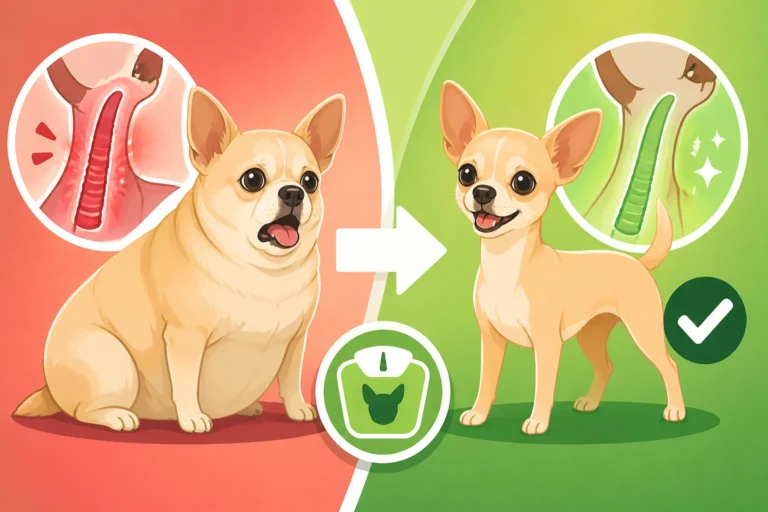
We simply cannot overstate the importance of weight management for Chihuahuas with arthritis, or for preventing it in the first place. Even a slight amount of excess weight puts tremendous strain on their tiny joints, accelerating cartilage breakdown and increasing pain. Think of it this way: for a five-pound Chihuahua, gaining just one pound is a 20% increase in body weight! That's equivalent to a 150-pound human gaining 30 pounds. This extra burden directly impacts the knees, hips, and spine.
Working with your veterinarian to establish and maintain an ideal body condition score is one of the most effective ways to manage arthritis. This might involve precise portion control, selecting a lower-calorie or joint-supportive diet, and ensuring all treats are factored into their daily calorie allowance. Remember, even tiny pieces of cheese or a few extra kibbles can quickly add up for a dog that only needs around Daily Calories for a Three to Seven Pound Chihuahua. Consider using a kitchen scale to accurately measure their food; a measuring cup can be notoriously inaccurate for small portions.
Weight loss, even just a few ounces, can make a dramatic difference in a Chihuahua's comfort and mobility. Owners often report seeing their dogs become more energetic and playful once they shed excess weight. It's a challenging but rewarding effort that directly impacts their quality of life, reducing the mechanical stress on their aching joints and potentially reducing their need for pain medication. This is also where good pet insurance, like Healthy Paws, can help cover the cost of prescription diets and supplements if your vet deems them medically necessary.
Maintaining Overall Wellness for a Teenage Chihuahua
Managing arthritis is part of a broader commitment to ensuring the overall wellness of your senior Chihuahua. This includes addressing other common senior ailments that can impact their comfort and mobility. Regular dental care is critical, as severe dental pain can make any dog withdrawn and reluctant to move. Considering Anesthesia Risk During a Chihuahua Dental with your vet is important, but the benefits of pain relief usually outweigh the risks. Similarly, monitoring for conditions like Chihuahua Heart Disease as the Breed Ages or Chihuahua Kidney Disease in a Long-Lived Chihuahua is essential, as these can indirectly affect their ability to manage arthritis pain or tolerate medications.
Providing mental stimulation is just as important as physical care. Even if your Chihuahua can't run and jump like they used to, puzzle toys, gentle training sessions, and interactive games can keep their minds sharp and engaged. This helps prevent boredom and can reduce anxiety, which can sometimes amplify the perception of pain. Keeping them mentally active contributes significantly to their overall happiness and zest for life.
Finally, ensuring they have a safe, predictable, and loving environment is paramount. Stress can exacerbate any chronic condition. A consistent routine, plenty of affection, and patience as they navigate their changing abilities will provide them with the emotional security they need. Your teenage Chihuahua may not be able to bound through the house like a puppy, but with dedicated care, they can still enjoy many happy, comfortable years by your side. Providing Mobility Help for a Fifteen Year Old Chihuahua is a testament to the enduring bond you share.
Disclaimer
This article is intended for informational purposes only and does not constitute professional veterinary advice. Always consult with a qualified veterinarian for any health concerns or before making any decisions about your Chihuahua's medical care or treatment plan.