Chihuahua and Toy Poodle Grooming Compared
Deciding between a Chihuahua and a Toy Poodle often comes down to many factors: personality, size, energy levels, and, for many prospective owners, the practical reality of daily care. One of the biggest considerations that can truly impact your lifestyle is grooming. Many folks wonder if one breed is inherently "easier" to maintain than the other, or what the actual day-to-day work looks like. This guide will walk you through the distinct grooming needs of both Chihuahuas and Toy Poodles, helping you understand the commitment involved so you can choose the right furry companion for your home and schedule.
Understanding Chihuahua Grooming Needs
Chihuahuas might be tiny, but their grooming needs vary significantly based on their coat type. It’s not just a quick brush-and-go for every Chi, and understanding these differences is key to keeping your little companion looking (and feeling) their best. Whether you have a sleek smooth coat or a fluffy long coat, there’s a routine involved, and neglecting it can lead to bigger problems down the line.
Smooth Coat Chihuahua Care
The smooth coat Chihuahua, often affectionately called a "short hair," generally requires less intensive daily grooming compared to its long-coated counterpart or a Toy Poodle. Their fur is short, lies close to the body, and tends to shed moderately throughout the year, with a bit more during seasonal changes. You might think, "Great, minimal effort!" And while it's true that you won't be battling mats, there's still a routine to follow.
For a smooth coat, a quick once-over with a rubber curry brush or a soft bristled brush a few times a week is usually sufficient. This helps to remove loose hair, stimulate the skin, and distribute natural oils, keeping their coat shiny. Many owners simply wipe their smooth coat Chihuahuas down with a damp cloth daily to remove dust and dander, especially if they’ve been exploring outdoors. Bathing typically only needs to happen every few weeks, or when they get noticeably dirty. Remember, Chihuahuas can get cold easily, so ensuring a warm bath and a quick, thorough towel dry, perhaps with a gentle hairdryer on a low setting, is crucial to prevent chills. Bathing a Chihuahua Without Letting It Chill is something every owner should master. Beyond the coat, regular nail trims are non-negotiable for all Chihuahuas; those tiny nails can grow surprisingly fast and become uncomfortable or even painful if left too long. Don't forget their ears and teeth too! Those big, open Chihuahua ears can gather dust, so a gentle wipe with a vet-approved ear cleaner a few times a month is a good idea. And daily tooth brushing? Absolutely vital for this breed. Chihuahua Dental Brushing as a Daily Job is one of the most important things you can do for their long-term health.
Long Coat Chihuahua Grooming
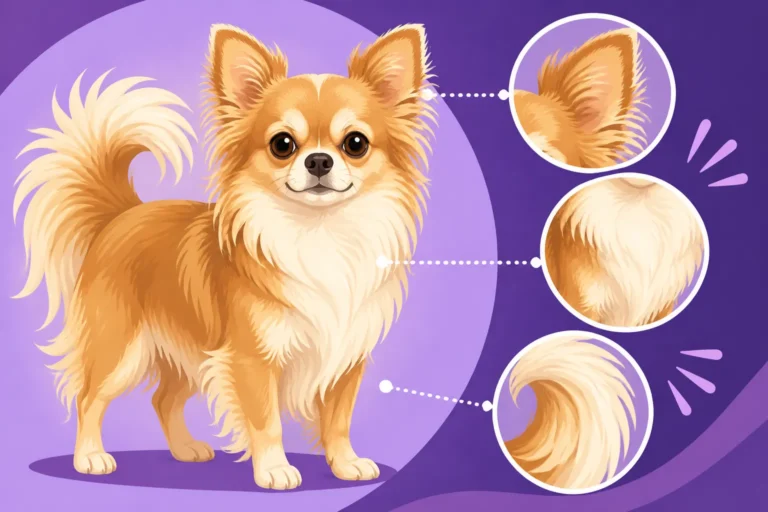
Ah, the flowing locks of a long coat Chihuahua! They are undeniably beautiful, with their feathered ears, tail, and sometimes a gorgeous ruff around their neck. However, that beauty comes with a commitment to more consistent grooming. Unlike the smooth coat, the long coat definitely requires daily attention to prevent tangles and mats from forming, especially in areas where friction occurs, like behind the ears, under the legs, and around the tail.
Brushing is your daily ritual with a long coat. A pin brush and a metal comb are your best friends here. You’ll want to gently work through their fur, paying close attention to those feathered areas. Mats can be surprisingly stubborn and painful for your little one if they get too tight, so prevention is key. Imagine trying to pull a tight knot out of your own hair – that's how it feels to your Chihuahua. When it comes to bathing, it's similar to the smooth coat in frequency, but drying takes a bit more effort. You'll need to ensure their long fur is completely dry to prevent skin issues and matting, again being very mindful of their body temperature. This is where a pet-specific hairdryer can be incredibly useful. Some long-haired Chihuahuas might even benefit from a slight trim around their sanitary areas to keep things clean. For a deeper dive into their specific coat care, check out Long Coat Chihuahua Grooming and Brushing a Long Coat Chihuahua Weekly. While a long coat Chihuahua typically doesn't need professional clipping in the same way a Poodle does, a professional groomer can offer advice, provide de-shedding treatments, or even give a tidy-up trim if you prefer. Knowing What a Long Coat Chihuahua Groom Costs might influence your decision to tackle it yourself!
The World of Toy Poodle Grooming
Toy Poodles are renowned for their elegant, curly coats. It's what gives them their distinctive look, from the classic show clip to a more practical pet trim. But this beautiful coat comes with a very specific and ongoing set of grooming demands that are quite different from those of a Chihuahua. If you're considering a Toy Poodle, you need to be prepared for this commitment, as neglecting their coat can lead to severe matting, skin problems, and discomfort for your dog.
The Unique Poodle Coat and Its Demands
The Poodle coat is truly unique. It’s dense, curly, and non-shedding, which is a big plus for allergy sufferers. However, "non-shedding" doesn't mean "no grooming." Quite the opposite! Instead of falling out, shed hairs get trapped within the surrounding curls. If these trapped hairs aren't brushed out regularly, they quickly tangle and form mats. These mats can pull on the skin, causing pain and irritation. In severe cases, mats can restrict movement, hide skin infections, or even impede circulation.
Because their coat grows continuously, like human hair, Toy Poodles require regular clipping. This is where much of their grooming time and expense comes in. Without regular trimming, their fur will simply keep growing longer and longer, becoming unmanageable. This continuous growth also means that daily brushing isn't just a suggestion; it's a necessity. You'll need to brush right down to the skin to ensure you're getting all the trapped hairs out and preventing mats from forming deep within the coat. It's a full-body workout for both you and your Poodle!
Professional Grooming vs. At-Home Care
For many Toy Poodle owners, professional grooming is a regular part of their budget. These appointments typically happen every 4-8 weeks, depending on how quickly your dog's coat grows and your preferred style. A professional groomer has the specialized tools and expertise to properly wash, dry, clip, and style a Poodle's coat. They can also handle tricky tasks like ear cleaning, nail trims, and sanitary clips efficiently and safely. The cost for these regular professional sessions can add up, so it's a significant financial consideration.
However, some dedicated owners choose to learn how to groom their Toy Poodle at home. This can be a rewarding experience and save a considerable amount of money over the dog's lifespan. If you go this route, you'll need to invest in quality equipment: clippers, a variety of blades, scissors, brushes, combs, and a good pet dryer. Learning proper techniques is crucial to avoid injury to your dog and to achieve a satisfactory result. Online tutorials, grooming classes, or even working with a professional groomer who offers coaching can be invaluable resources. Even if you rely on a professional, daily brushing and between-grooming maintenance (like nail trims and face clean-ups) will still fall to you.
Specific Poodle Grooming Tasks
Beyond the general clipping and brushing, Toy Poodles have a few specific grooming needs due to their coat type and facial structure.
One common task is ear care. Poodles have hair that grows inside their ear canals, which can trap moisture and lead to ear infections. Some owners and groomers opt to pluck this hair, while others prefer to keep it trimmed or simply ensure thorough drying after baths. Regular cleaning with a vet-approved ear solution is essential regardless of your plucking preference.
Tear staining is another frequent concern, especially with lighter-colored Poodles. The hair around their eyes can become discolored by tears. Daily wiping of the area with a damp cloth or a specialized tear stain remover can help minimize this. You can find many of these products, along with grooming tools, on sites like Chewy.
Finally, regular sanitary trims and paw trims are vital. The hair around their private areas needs to be kept short for hygiene, preventing feces from clinging to the fur. Similarly, the hair between their paw pads can grow long, making it difficult for them to grip and potentially leading to discomfort or slipping. Keeping this hair trimmed helps maintain traction and prevents debris from getting matted in their paws. All these small, consistent tasks contribute to a happy, healthy, and well-maintained Toy Poodle.
Head-to-Head: Chihuahua vs. Toy Poodle Grooming Routines
When you lay out the grooming needs of a Chihuahua and a Toy Poodle side by side, the differences become quite apparent. It's not just about brushing; it’s about the whole spectrum of care, from time commitment to the tools you’ll need and the potential costs involved. Let’s break down these aspects to give you a clearer picture.
Time Commitment and Frequency
The daily time commitment is arguably the biggest differentiator. A smooth coat Chihuahua might need a 5-minute brush and wipe down a few times a week. Even a long coat Chihuahua, while requiring daily brushing, might only need 10-15 minutes of thorough work to prevent mats, unless they've been particularly adventurous outdoors. Their coats aren't constantly growing, so outside of shedding seasons, the work is mostly preventative. Smooth Coat and Long Coat Chihuahua Grooming gives a good overview of both.
A Toy Poodle, on the other hand, demands a more rigorous daily routine. Daily brushing, often for 15-30 minutes, is non-negotiable to prevent mats from forming. Their curly coat will mat quickly if neglected, sometimes in just a day or two, especially in high-friction areas. Beyond daily brushing, a Toy Poodle will need bathing every 2-4 weeks, followed by thorough drying and often a complete blow-out to straighten the curls for easier clipping. Then there's the professional clip every 4-8 weeks, which can take a few hours at the groomer or a significant chunk of your day if you do it yourself. This isn't just about looking neat; it's fundamental to their comfort and skin health.
Essential Tools and Supplies
Your grooming toolkit will look quite different depending on which breed you choose.
For a Chihuahua, your basic kit will be relatively simple and inexpensive:
- Brush: A soft bristled brush or rubber curry for smooth coats; a pin brush and a slicker brush for long coats.
- Comb: A metal comb, particularly useful for long coats to check for mats.
- Nail Clippers: Small, sharp clippers or a dremel. Chihuahua Nail Trimming at Toy Size is a good read.
- Toothbrush and Pet Toothpaste: Essential for daily dental care.
- Shampoo: A gentle dog-specific shampoo.
- Ear Cleaner: Vet-approved solution.
- Wipes: For daily face and body clean-ups.
You can often find great deals on these items at pet supply retailers like Chewy, which makes stocking up quite convenient.
For a Toy Poodle, the list expands significantly, especially if you plan to groom at home:
- Brushes and Combs: A slicker brush, a pin brush, and a variety of metal combs (including a greyhound comb).
- Clippers: Professional-grade clippers with various blades (e.g., #10, #30 for sanitary, and longer blades for body length).
- Scissors: Straight, curved, and thinning shears for finishing touches.
- Pet Dryer: A high-velocity forced air dryer is crucial for thoroughly drying the curly coat and stretching it for clipping.
- Shampoo and Conditioner: Often a de-matting or moisturizing formula.
- Nail Clippers/Dremel: Same as for a Chihuahua.
- Ear Cleaner and Powder: Especially if you pluck ear hair.
- Toothbrush and Pet Toothpaste: Just as vital for Poodles.
- Grooming Table with Arm: Highly recommended for safe and ergonomic grooming.
Costs Associated with Grooming
The financial aspect of grooming can be a real eye-opener for new pet owners.
Chihuahua grooming costs are generally lower. If you do most of the work yourself, your primary expenses will be regular supplies like shampoo, toothpaste, brushes, and nail clippers. These are relatively inexpensive and last a long time. If you opt for occasional professional bathing or nail trims, those are usually moderately priced services. The biggest potential grooming-related expense for Chihuahuas tends to be dental care, which requires professional veterinary intervention.
Toy Poodle grooming is where costs can really escalate. If you consistently use a professional groomer, you're looking at significant recurring expenses. These services can range quite a bit based on your location, the groomer's experience, and the specific clip you request. You could easily spend a considerable sum per year just on professional grooming. If you decide to go the DIY route, the initial investment in good quality clippers, a dryer, scissors, and a grooming table can be substantial upfront, but it pays for itself over time. You’ll still have ongoing costs for blades, sharpening, shampoo, and other consumables.
| Aspect | Smooth Coat Chihuahua | Long Coat Chihuahua | Toy Poodle |
|---|---|---|---|
| Coat Type | Short, smooth, close-lying | Long, feathered, soft | Dense, curly, continuously growing |
| Shedding | Moderate, seasonal boosts | Moderate, seasonal boosts | Non-shedding (hair trapped in curls) |
| Brushing Frequency | 2-3 times a week (5 min) | Daily (10-15 min) | Daily (15-30 min), down to the skin |
| Bathing Frequency | Every few weeks, or as needed | Every few weeks, or as needed | Every 2-4 weeks |
| Professional Trims | Rarely needed, perhaps sanitary | Rarely needed, perhaps sanitary | Required every 4-8 weeks |
| Matting Risk | Very low | Moderate (behind ears, legs) | High (if not brushed daily) |
| Core Tools | Rubber curry/soft brush, nail clippers, toothbrush | Pin brush, metal comb, nail clippers, toothbrush | Slicker brush, various combs, clippers, shears, dryer |
| DIY Cost | Low (basic supplies) | Low-Moderate (basic supplies) | Moderate-High (initial equipment investment) |
| Pro Cost | Low (occasional bath/nails) | Low-Moderate (occasional bath/nails/trim) | High (regular, recurring appointments) |
As you can see, the Poodle demands a much more significant investment of either time or money for their coat care.
Choosing Your Companion: Grooming and Lifestyle Match
Ultimately, the choice between a Chihuahua and a Toy Poodle, from a grooming perspective, boils down to how much time, effort, and budget you are willing to dedicate. Both breeds are delightful companions, but their grooming needs are at opposite ends of the spectrum for small dogs. It's about being realistic about what you can genuinely commit to.
Assessing Your Time and Budget
Before bringing either a Chihuahua or a Toy Poodle into your life, take a hard, honest look at your daily schedule. Do you have 15-30 minutes every single day, without fail, to dedicate to brushing a Poodle? Are you prepared for the regular expense of professional grooming appointments, or the significant upfront cost and learning curve of grooming a Poodle yourself? If your lifestyle is extremely busy, packed with work or travel, a Toy Poodle's grooming needs might become a source of stress and neglect, which is unfair to the dog.
For many, a smooth coat Chihuahua offers a low-maintenance option that fits easily into a hectic schedule. Their minimal brushing requirements mean more time for cuddles and walks. Even a long coat Chihuahua, while needing daily attention, typically won't demand the sheer volume of work a Poodle's coat does. If budget is a primary concern, the long-term costs associated with a Toy Poodle's professional grooming could become a significant burden. Remember, it's not a one-time fee; it's a recurring expense for the entire lifespan of your dog, which can be 12-15 years or more. A Chihuahua's typical grooming costs are much more manageable, usually just involving the purchase of supplies from a reliable vendor like Chewy and maybe an occasional professional nail trim.
Dealing with Grooming Challenges
Every dog will present some grooming challenges, but they manifest differently for these two breeds.
For Chihuahuas, the main challenge often isn't the coat itself, but rather their small size and sensitivity. Keeping them warm during and after baths is crucial, as they have so little body fat. Why a Chihuahua Shivers Indoors is something every owner comes to understand. Their prominent eyes can also be prone to tear staining, especially in lighter colors, which requires consistent gentle wiping. Dental disease is rampant in Chihuahuas due to their crowded tiny jaws, so getting them used to daily toothbrushing from a young age is paramount and can be a consistent battle for some owners.
With Toy Poodles, the challenge is almost entirely centered around their coat's tendency to mat. If you miss a few days of brushing, you'll likely face tangles that are difficult and painful to remove. Many owners find their Poodle develops "matted areas" in spots like under the collar, behind the ears, or in their armpits. Over time, trying to brush out severe mats can become a negative experience for both dog and owner, leading to a dog who dreads grooming. Patience, positive reinforcement, and consistency are absolutely vital for Poodle grooming. It's a job that never truly ends, but when done well, results in a beautiful, comfortable, and happy dog.
In conclusion, both Chihuahuas and Toy Poodles make wonderful companions, but their grooming requirements are distinctly different. A Chihuahua, especially a smooth coat, offers a more low-maintenance grooming routine, while a Toy Poodle demands a consistent and significant commitment of time, effort, or money due to their continuously growing, curly coat. Consider your lifestyle honestly, and you'll be able to choose the breed that perfectly fits your capacity for care.
Disclaimer
This article is for general informational purposes only and does not constitute professional advice. Laws, prices and regulations vary by location and change over time. Consult a qualified professional for guidance on your specific situation.