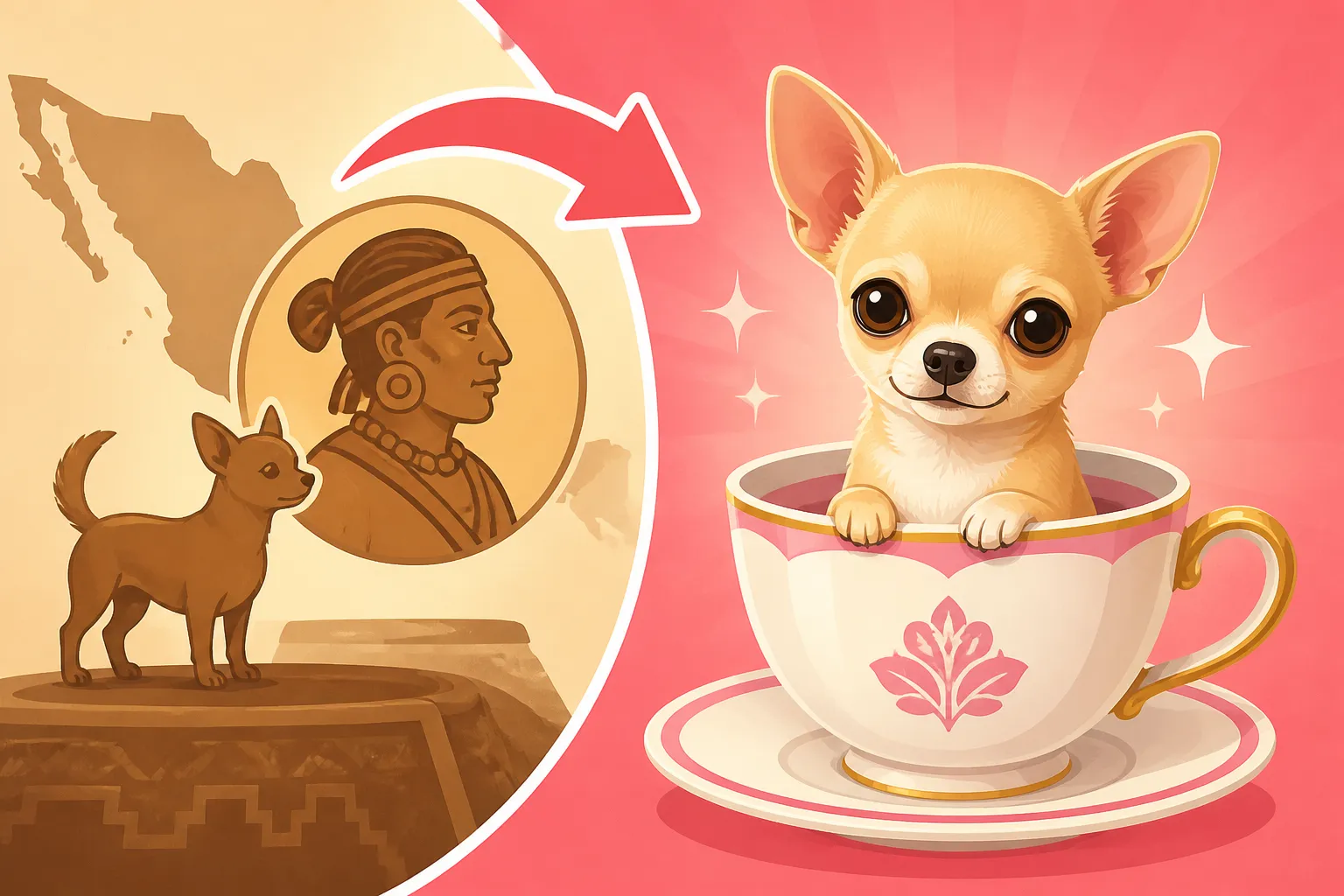
Where the Word Teacup Actually Came From
It's completely understandable how the term "teacup Chihuahua" captures the imagination. Who wouldn't be charmed by the idea of a tiny, perfect pup that could fit in a teacup? But the truth is, this appealing phrase has actually created a lot of confusion and, unfortunately, led to some significant problems for these already small and delicate dogs. This guide will take a deep dive into where the "teacup" label originated, why it's not an official breed designation, and why understanding the realities behind it is crucial for any Chihuahua owner or enthusiast.
The Unofficial Birth of the "Teacup" Label
The term "teacup Chihuahua" didn't spring from any kennel club or official breed standard. Instead, it emerged as a marketing tool, predominantly used by breeders and sellers looking to capitalize on the desire for exceptionally small dogs. In a world where tiny often equates to cute, and unique sometimes equates to valuable, labeling a Chihuahua as "teacup" allowed for higher prices and a perception of exclusivity.
Appealing to the Desire for Extreme Smallness
Think about it: the Chihuahua is already known for being the smallest dog breed in the world. So, when someone wants "even smaller" or "the absolute tiniest," breeders recognized a niche. The term "teacup" evokes an image of ultimate miniature size, something that can literally fit into a teacup or a handbag with ease. This visual is powerful and draws in buyers who are captivated by the novelty and perceived cuteness of such a diminutive companion.
Often, these pups were advertised with claims like "the smallest of the litter" or "exceptionally tiny," even if they were simply runts or puppies with underlying health issues that stunted their growth. The emotional appeal of a dog so small it seems almost doll-like proved irresistible to many, driving the demand for what the market began to call "teacups." You'd see photos of puppies next to coffee mugs or small household objects, carefully staged to emphasize their minuscule stature, and this visual branding became deeply embedded in the public's mind, creating a whole new category of Chihuahua that doesn't officially exist.
Where Marketing Met Misinformation
While the intent behind the term might have been purely commercial, it quickly became a source of misinformation. Many buyers genuinely believed "teacup" was a distinct size category or even a separate breed altogether, much like a "miniature poodle" is a recognized size variety of poodle. However, this is simply not true. There is no "teacup" standard, no official registration for dogs under a certain weight to be called "teacups." It's an adjective, not a breed descriptor.
This lack of official recognition means there are no regulations governing the breeding practices of "teacup" Chihuahuas. Anyone can call their tiny Chihuahua a "teacup," regardless of its lineage, health, or genetic background. This ambiguity left a wide-open door for less scrupulous breeders to prioritize extreme smallness over health and temperament, often leading to dogs with significant health vulnerabilities. Understanding this fundamental difference between a marketing term and an official designation is the first step in making informed decisions about bringing a Chihuahua into your home.
The Problems with the "Teacup" Designation
While charming on the surface, the "teacup" label often masks a darker reality. The relentless pursuit of extreme smallness can have serious consequences for the health and well-being of these already tiny dogs. It's a key reason why official registries and ethical breeders steer clear of the term.
Exacerbated Health Risks in Undersized Chihuahuas
Chihuahuas, by their very nature, are prone to certain health issues simply because of their small size. When you intentionally breed for even smaller, these issues become significantly more prevalent and severe. Imagine a normal-sized Chihuahua's delicate systems, then shrink them down further. The stress on their tiny bodies is immense.
For instance, these extremely small Chihuahuas are much more susceptible to Chihuahua Hypoglycemia and the Puppy Emergency. Their miniature bodies struggle to regulate blood sugar, leading to dangerous drops that can cause seizures and even death, especially in puppies. Many "teacup" puppies come home barely able to maintain their sugar levels, requiring constant monitoring and frequent feeding. Another common issue is The Chihuahua Molera and What a Soft Spot Means, which is an open fontanel on the skull. While common in Chihuahuas, in "teacups" this soft spot can be unusually large and remain open throughout their lives, making them extremely vulnerable to head injuries. Patellar Luxation, the Chihuahua's Commonest Joint Problem is also rampant, as their tiny bones and joints are less robust and more prone to slipping out of place, often requiring expensive surgeries.
Fueling Irresponsible Breeding Practices
The demand created by the "teacup" trend unfortunately encourages irresponsible breeding. How Breeders Produce Undersized Chihuahuas often involves breeding runts of litters, or dogs that are undersized due to genetic defects, rather than selecting for healthy, robust individuals that fit the breed standard. This perpetuates health problems across generations. Breeders focused on achieving "teacup" size might also breed females who are too small to safely carry a litter, leading to complications and often requiring C-sections, which puts both mother and puppies at risk.
You'll often see these "teacup" puppies advertised online or in pet stores, sometimes at exorbitant prices, with little to no mention of health clearances or proper genetic testing. This is a stark contrast to ethical breeders who prioritize the long-term health and stability of the breed, often providing extensive health guarantees and transparent information about their breeding pairs. Chihuahua Puppy Prices From a Backyard Breeder are often attractive because they cut corners on health testing and proper care, but the long-term veterinary bills for a "teacup" can quickly overshadow any initial savings. Ultimately, the quest for a "teacup" often contributes to a cycle of poor health and unethical practices within the breeding community.
The Chihuahua Breed Standard: Size and Health
In stark contrast to the unregulated "teacup" market, official kennel clubs and responsible breeders adhere to a strict breed standard. This standard exists to ensure the health, temperament, and recognizable characteristics of the Chihuahua, establishing guidelines that prioritize the well-being of the dog over fleeting trends.
The Six Pound Limit and Why it Matters
The official breed standard, as recognized by organizations like the American Kennel Club (AKC), is very clear: Chihuahuas should not weigh more than six pounds. This isn't just an arbitrary number; it's a carefully considered guideline based on what is generally considered healthy and sustainable for the breed's delicate frame. You can read more about The Six Pound Limit in the Chihuahua Standard to understand its full implications.
This weight limit allows for a range of sizes within the breed, but it sets an upper boundary to maintain the breed's compact nature. Crucially, it also implicitly discourages the breeding of dogs that are significantly under this weight for health reasons. A Chihuahua that matures at two or three pounds, often marketed as a "teacup," is typically much more fragile and susceptible to health issues than one that matures at five or six pounds. Responsible breeders aim for the sweet spot within this six-pound limit, focusing on robust health, good conformation, and stable temperament rather than striving for the absolute smallest possible puppy.
| Feature | Official Chihuahua (Per Breed Standard) | "Teacup" Chihuahua (Unofficial Marketing Term) |
|---|---|---|
| Official Recognition | Yes, by major kennel clubs (AKC, FCI, etc.) | No, purely a marketing term |
| Weight Guideline | Not over 6 pounds | Often implies under 4 pounds (sometimes 2-3) |
| Breeding Focus | Health, temperament, conformation | Extreme smallness |
| Health Risks | Prone to specific small breed issues | Exacerbated health risks, especially fragility |
| Skull/Molera | Acceptable to have small molera | Often has larger, persistent molera |
| Hypoglycemia Risk | Higher in puppies | Significantly higher, lifelong risk |
| Lifespan Expectation | 12-20 years with good care | Potentially shorter due to health complications |
What the AKC Standard Actually Asks For
Beyond weight, the AKC standard for Chihuahuas describes a whole host of characteristics that define the breed. It talks about the distinctive apple-dome skull, the large, luminous eyes, the erect ears, and the well-arched tail carried over the back. It also emphasizes a "terrier-like" temperament – alert, courageous, and lively. Nowhere in this detailed description will you find a mention of "teacup." What the AKC standard asks for is a comprehensive guide to the physical and temperamental ideals of the breed.
The focus is on a well-balanced, sound dog that embodies the breed's unique qualities. When you consider the importance placed on structural soundness, a dog bred solely for extreme smallness often falls short. Their bones can be too fine, their muscles underdeveloped, and their internal organs disproportionately small, leading to a host of problems. This is why Why No Registry Recognizes a Teacup Chihuahua is a critical piece of information for anyone considering this breed. Reputable registries want to promote healthy, viable animals, and promoting an unofficial, often unhealthy, size variant goes against their core mission.
Prioritizing Health Over the "Teacup" Label
For those captivated by the tiny charm of a Chihuahua, it's vital to look beyond the alluring "teacup" label and prioritize what truly matters: the health and well-being of your future companion. A healthy Chihuahua, regardless of its exact size within the standard, will bring you many more years of joy.
Finding a Healthy Chihuahua, Not Just a Small One
Instead of searching specifically for a "teacup," focus your efforts on finding a healthy Chihuahua from a responsible source. This means seeking out breeders who are transparent, ask you questions about your lifestyle, and freely share information about their dogs. They should be able to provide clear The Patella and Cardiac Papers on a Chihuahua Litter, showing that the parent dogs have been screened for common hereditary conditions. They should also provide veterinary records for the puppy and be willing to answer all your questions about health, diet, and socialization.
Don't be afraid to ask about the parents' sizes, health histories, and temperaments. A good breeder prioritizes these factors over simply producing the smallest possible puppy. They understand that a slightly larger, robust Chihuahua is far more likely to thrive than an extremely tiny, fragile one. Sites like Chewy offer resources where you can research different dog foods appropriate for small breeds, but the foundation of health starts with responsible breeding.
Supporting Ethical Breeders and Rescues
When you choose a breeder, ensure they are actively involved in showing their dogs or participating in breed-specific health programs. They will be passionate about preserving the integrity of the Chihuahua breed and will not use marketing gimmicks like "teacup." They will often have waiting lists, which is a good sign, as it indicates they breed for quality, not quantity. The Health Tests a Chihuahua Breeder Should Run should be a non-negotiable expectation.
Alternatively, consider Adopting a Chihuahua From a Shelter or a breed-specific rescue. Many Chihuahuas, including some truly tiny ones, end up in shelters through no fault of their own. These organizations often provide extensive medical care, including spaying/neutering and necessary vaccinations, and can offer a clearer picture of an older dog's personality and potential health needs. You might even find a perfectly healthy, small Chihuahua whose previous owners simply couldn't keep them, and you'll be giving a deserving dog a second chance at a loving home. Remember, regardless of the size, providing a warm bed (easily found on Chewy!), proper nutrition, and regular vet care are paramount for these little dogs.
Long-Term Care for a Tiny Companion
Owning a tiny dog means understanding their unique needs. Whether your Chihuahua is at the upper end of the six-pound standard or a bit smaller but still healthy, their small size dictates certain care considerations. They chill easily, so Keeping a Chihuahua Warm Through Winter with sweaters, blankets, and a cozy environment is crucial. Their tiny mouths are prone to dental issues, making Brushing a Chihuahua's Teeth Every Single Day a non-negotiable part of their routine.
Even something as simple as feeding requires careful attention. Feeding a Chihuahua on Two Hundred Calories a Day means precise measurements, as even a slight overfeeding can lead to obesity, which puts undue stress on their joints and organs. Always make sure to have tiny toys that are safe for their small mouths and durable enough for their sharp little teeth, like those you can find on Chewy. By focusing on responsible care and appreciating the Chihuahua for the wonderful breed it is, you can ensure a long, healthy, and happy life for your pint-sized companion, without needing an unofficial label to define their worth.
Disclaimer
This article is for general informational purposes only and does not constitute professional advice. Laws, prices and regulations vary by location and change over time. Consult a qualified professional for guidance on your specific situation.