Leaving a Chihuahua While Everyone Is at Work
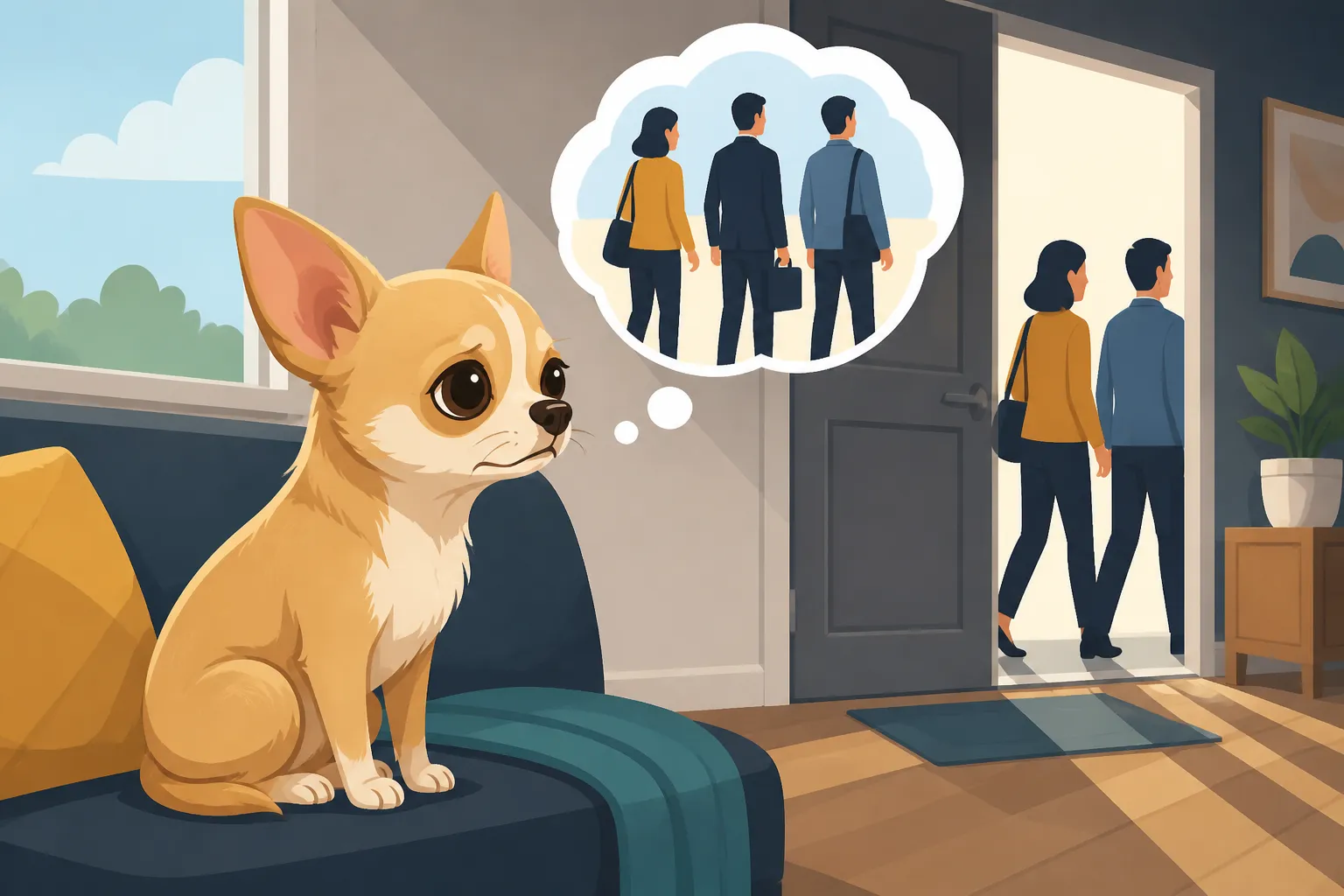
It’s a common worry, isn't it? That knot in your stomach when you shut the door in the morning, leaving your tiny Chihuahua home alone while you head off to work. You picture those big, expressive eyes watching you go, and you wonder: are they okay? Are they bored? Are they sad? Or worse, are they holding it in for hours, just waiting for your return? This guide is here to tackle that very real dilemma, offering practical, empathetic strategies to ensure your little companion thrives, even when you can't be by their side every minute of the day.
Understanding Your Chihuahua's Unique Needs for Alone Time
Before we dive into solutions, let's really understand what's at play when you leave a Chihuahua by themselves. They aren't just small dogs; they have specific physiological and emotional needs that can make extended alone time a genuine challenge. A big part of making alone time successful is recognizing these nuances.
The Tiny Bladder Reality
Let's be blunt: Chihuahuas have tiny bladders. It’s not a myth, it’s biology. A four-pound adult Chihuahua simply doesn't have the same bladder capacity as a 60-pound Labrador. This is often the biggest stressor for owners who work full-time. Puppies, especially, need incredibly frequent potty breaks, often every 2-3 hours during their waking hours, and even adult Chihuahuas struggle to hold it for much longer than 4-6 hours comfortably. Imagine how uncomfortable you would be holding it for eight, nine, or even ten hours. It's not just discomfort; prolonged holding can contribute to urinary tract issues down the line. We dive into more detail about this in How Long a Chihuahua Can Hold Its Bladder, but the takeaway here is that their physical size dictates a very real limit.
Social Creatures and Attachment
Chihuahuas are renowned for their intense loyalty and deep bonds with their humans. They often pick a favorite person and become their shadow, a charming trait that makes them wonderful companions but can also make separation difficult. This strong attachment, while endearing, means they can be particularly prone to developing separation anxiety if not properly prepared for alone time. It's not just "clinginess" or "spoiling;" for many Chihuahuas, being alone can genuinely trigger feelings of distress and panic. Understanding The Chihuahua Separation Signs Owners Miss is crucial for addressing this before it escalates. They thrive on companionship, and a full workday without human interaction can feel incredibly long and isolating for them.
Energy Levels and Mental Stimulation
While Chihuahuas might seem like perpetual lapdogs, they still have energy to burn and bright minds that need stimulation. A bored Chihuahua is often a destructive or anxious Chihuahua. If they're left alone for long periods without adequate physical exercise or mental engagement, that pent-up energy and intellect can manifest in undesirable behaviors. This isn't about running miles, but about consistent, engaging activity. Think about it: if all their waking hours when you're home are spent lounging, and then they're left alone all day, their overall stimulation levels are likely too low.
Practical Strategies for Managing Extended Alone Time
Okay, so we know the challenges. Now, let’s talk about how we can proactively address them to create a more comfortable and manageable environment for your Chihuahua when you're away at work.
Potty Solutions for Longer Days
Given their small bladders, expecting your Chihuahua to "hold it" for an entire workday is simply unfair and unhealthy. This is where creative potty solutions come into play.
- Puppy Pads and Indoor Grass Patches: These are lifesavers for many Chihuahua owners. Setting up a designated indoor potty area can alleviate the pressure of holding it. Puppy pads, or even a more natural-feeling indoor grass patch, provide an acceptable and accessible place for your dog to relieve themselves. The key is to introduce these early and consistently so your Chihuahua understands it's an option. Place it in a low-traffic area, away from their food and bed. You can find a wide variety of high-quality pads and grass systems on sites like Chewy, making it easy to replenish supplies. For more on this, check out Puppy Pads Against Outdoor Only for a Chihuahua.
- Professional Dog Walkers: For many, a mid-day dog walker is the gold standard. This breaks up the long day, allowing your Chihuahua to go outside for a proper potty break, stretch their legs, and get some social interaction, even if it's just with the walker. This can be particularly beneficial for Chihuahuas who are reluctant to use indoor solutions or those with more advanced house-training. Interview several walkers, ensure they have experience with tiny breeds, and get references.
- Doggy Daycare (Part-Time): Some Chihuahuas thrive in a small doggy daycare environment. This offers supervision, play, and regular potty breaks. However, it's crucial to find a daycare that specializes in or has a separate area for small breeds to ensure your Chihuahua's safety and comfort. A good facility will have staff trained to handle the unique needs of toy dogs. While it can be an added expense, the peace of mind and the enrichment it provides can be invaluable.
Enrichment to Combat Boredom and Anxiety
Keeping your Chihuahua's mind engaged and their environment comforting while you're away is paramount.
- Interactive Toys and Puzzle Feeders: Don't just leave a bowl of kibble. Puzzle feeders make mealtime a stimulating activity, requiring your Chihuahua to work for their food. This can keep them busy for a good portion of the morning. Look for toys that dispense treats slowly or require manipulation to get to a reward. Brands often have excellent options specifically designed for small breeds. A quick browse on Chewy will show you countless options, from snuffle mats to treat-dispensing balls.
- Calming Sounds: Leaving on a radio tuned to classical music or a talk show, or even a specialized calming dog music playlist, can provide background noise that masks startling outdoor sounds and creates a more peaceful atmosphere.
- Scent Enrichment: Hiding a few small, low-calorie treats around their safe space can turn their alone time into a fun 'hunt' and engage their powerful sense of smell.
- Windows with a View (Safely): If your Chihuahua can safely observe the outside world from a window, it can provide mental stimulation. Just ensure the window is secure and they cannot access anything that could cause harm or anxiety (e.g., a constant stream of barking dogs passing by).
- Webcams: A pet camera with two-way audio can provide immense peace of mind. You can check in on your Chihuahua, talk to them, and even dispense treats from some models. This allows you to monitor for signs of distress or simply enjoy watching them nap.
Crate Training vs. Dog-Proofing a Room
Where your Chihuahua spends their alone time is just as important as what they do. It needs to be a safe, secure, and comfortable space.
- Crate Training for Shorter Periods: A properly crate-trained Chihuahua sees their crate as a den, a safe haven. For a few hours, a crate can be an excellent way to keep them secure and prevent destructive behaviors. Ensure the crate is appropriately sized – just big enough to stand up, turn around, and lie down comfortably. It should be cozy with soft bedding. However, a crate is generally not suitable for an entire 8+ hour workday due to bladder limits and the need for more freedom of movement. For tips on setting up this secure space, refer to Chihuahua Crate Size and Setup.
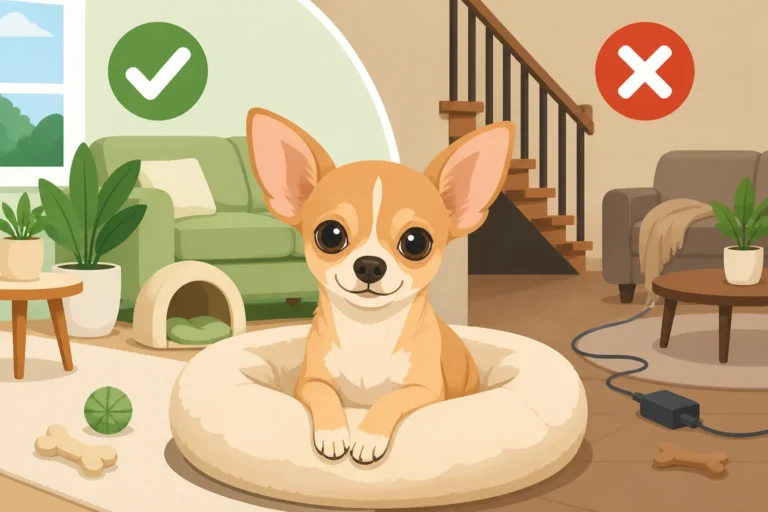
- Dog-Proofing a Dedicated Room: For longer periods, a dog-proofed room offers more space to move around, access to potty solutions, and different enrichment stations. This could be a kitchen, laundry room, or even a large bathroom. Remove anything that could be chewed, swallowed, or is valuable. Ensure no toxic plants are accessible, electrical cords are covered, and escape routes are blocked. This allows them to stretch, play with toys, and use their indoor potty without confinement.
The Importance of a Pre- and Post-Work Routine
The moments just before you leave and immediately after you return are critical for setting your Chihuahua up for success and rebuilding your connection.
Maximize Morning Engagement
Think of your mornings as a "boot camp" for alone time. The more physical and mental energy you can help your Chihuahua expend before you leave, the more likely they are to settle down and relax while you're gone.
- Long Walk or Play Session: Before you even think about your first cup of coffee, take your Chihuahua for a good, brisk walk. Even a twenty-minute stroll around the block or a vigorous indoor fetch session can make a huge difference. This isn't just for potty, it's about burning off steam. You'll find more insights on this in Chihuahua Exercise Needs Every Day.
- Morning Training or Puzzle Time: Engage their brain! A short 5-10 minute training session (practicing basic commands or a new trick) or offering a challenging puzzle feeder will tire them out mentally.
- Quiet Departure: Make your departure calm and undramatic. Avoid long goodbyes or excessive fuss, as this can heighten their anxiety. A simple, quiet exit reinforces that your leaving is not a big, scary event.
Calming Homecoming
Your return is often the highlight of your Chihuahua's day, but how you handle it can influence their state of mind.
- Avoid Over-Excitement: While it's tempting to immediately scoop them up and shower them with affection, try to keep your initial homecoming calm. Acknowledge them quietly, put your things down, and then, once they've settled a bit, engage in a happy, but not frantic, greeting. This helps prevent them from associating your return with intense, over-the-top excitement, which can inadvertently make your departures feel even more dramatic.
- Immediate Potty Break: The first thing after a calm greeting should always be a potty break. Even if they used an indoor solution, taking them outside immediately reinforces appropriate potty habits and gives them a chance to stretch their legs in fresh air.
- Dedicated Quality Time: Once the initial excitement has worn off and they’ve had their potty break, dedicate some real, focused quality time. This isn't just about presence, it's about engagement – a focused play session, cuddles on the sofa, or a quiet grooming session.
Evening Connection and Training
Your evenings are your opportunity to reconnect and reinforce good behavior.
- Active Play and Training: Continue with play and short training sessions in the evening. This helps solidify your bond and ensures they're getting enough mental and physical stimulation throughout the day.
- Cuddle Time: Chihuahuas are known for being snugglers. Provide plenty of lap time and cuddles. This physical contact is deeply reassuring for them and helps counteract any loneliness they might have felt during the day.
- Consistent Routines: Dogs thrive on routine. Stick to consistent feeding times, potty breaks, and bedtime rituals. Predictability helps reduce anxiety and builds a sense of security.
When Professional Help and Alternatives are Needed
Sometimes, even with the best intentions and strategies, your Chihuahua might need more support than you can provide on your own. Recognizing these moments is a sign of a responsible and caring owner.
Dog Walkers and Daycare
If you consistently work long hours (8+ hours), a daily dog walker is almost a necessity for a Chihuahua. As discussed, their small bladders simply can't hold it for that long, and they need that mid-day break. A dog walker also provides mental stimulation and a chance to stretch their legs. When choosing a walker or daycare, always ask for references, ensure they are insured and bonded, and, critically, observe how they interact with small dogs. Daycares That Will Take a Chihuahua is a helpful resource for considering these options.
| Solution | Pros | Cons | Ideal Use Case |
|---|---|---|---|
| Indoor Potty Area | Always available; good for puppies/small bladders; weather-independent | Requires regular cleaning; not all dogs adapt; can confuse outdoor training | Owners gone for 4-6 hours; bad weather days; elderly Chihuahuas |
| Mid-Day Dog Walker | Proper outdoor potty; exercise; human interaction; breaks up the day | Cost; requires trust in caregiver; availability in your area | Owners gone for 6-10 hours; Chihuahuas needing outdoor relief |
| Doggy Daycare (Small Dog) | Constant supervision; socialization; regular potty breaks; ample exercise | Cost; potential for stress/overstimulation; requires careful selection | Owners gone 8+ hours; highly social Chihuahuas; needing structure |
| Pet Sitter (Drop-in) | Personalized attention; in-home comfort; feeding/medication | Cost can be higher than a walker; less active engagement than daycare | Chihuahuas with specific needs; less social dogs; multi-pet homes |
Addressing Separation Anxiety
If your Chihuahua exhibits clear signs of distress when left alone—excessive barking, destructive chewing, inappropriate urination or defecation (even with indoor options), or frantic pacing—it might be more than just mild loneliness; it could be separation anxiety. This is a serious condition that requires a specific approach.
- Recognizing the Signs: Pay attention to their body language. Are they trembling before you leave? Are you getting complaints from neighbors about incessant barking? Is there damage around exit points? These are not "bad behaviors" but symptoms of genuine anxiety.
- Seeking Professional Help: Don't hesitate to consult your veterinarian or a certified professional dog trainer/behaviorist experienced with small breeds. They can help you diagnose the issue and develop a tailored plan, which might include counter-conditioning, desensitization exercises, or even medication in severe cases. You can read more about what to look for in Chihuahua Separation Anxiety and Time Alone and Finding a Trainer Who Takes a Chihuahua Seriously.
Considering a Second Chihuahua
For some Chihuahuas, the company of another canine can significantly ease loneliness and boredom. However, this is not a guaranteed solution and requires careful consideration.
- Pros: A companion can provide emotional support, play, and interaction during your absence. They can keep each other entertained, reducing reliance solely on human presence. This is particularly effective if the first Chihuahua shows signs of stress when completely alone.
- Cons: You now have two dogs, with double the responsibility and potential costs. There’s no guarantee they will bond or even get along. Introducing a second dog requires patience and careful management to ensure a harmonious household. It's crucial to consider if Whether a Companion Chihuahua Settles the Panic is truly right for your individual dog, as some Chihuahuas prefer being an only child.
Leaving your Chihuahua home while you're at work is a reality for many of us. But with thoughtful planning, consistent routines, and a deep understanding of their unique needs, you can create an environment where your tiny friend feels secure, stimulated, and loved, even when you're not physically there.
Disclaimer
This article is for general informational purposes only and does not constitute professional advice. Laws, prices and regulations vary by location and change over time. Consult a qualified professional for guidance on your specific situation.