Whether Two Chihuahuas Do Better Than One
Many Chihuahua owners find themselves enchanted by their tiny companions and start to wonder: "Would my little one be happier with a friend? Maybe a second Chihuahua would be perfect company, especially when I'm at work." It’s a completely understandable thought, often born from a deep love for these pint-sized pups, but the reality of bringing a second Chi into your home is a bit more nuanced than simply doubling the cuteness. This guide will walk you through the heartfelt reasons owners consider a second Chihuahua, the practical changes it brings, and how to set everyone up for success if you decide to expand your tiny pack.
The Lure of a Second Chihuahua: Why Owners Consider It
It's easy to fall head over heels for a Chihuahua. Their big personalities, their undeniable charm, and their snuggly nature often leave us wanting more. Many of us have been there, watching our single Chihuahua and wondering if a playmate would truly complete their world.
Addressing Separation Anxiety and Loneliness
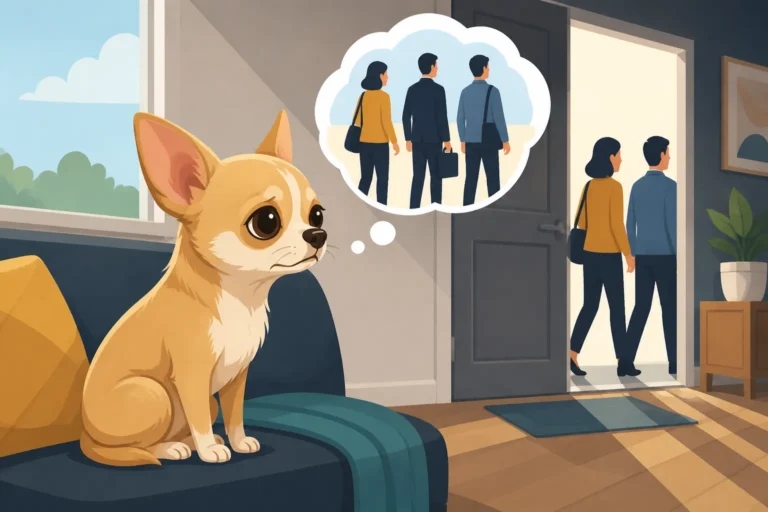
One of the most common reasons owners contemplate a second Chihuahua is the hope of easing their current dog's separation anxiety or general loneliness. You might imagine that having another furry friend around will keep them entertained and comforted when you're not there, preventing those heartbreaking cries or destructive behaviors. Perhaps you've seen your Chihuahua pace by the door after you leave, or heard complaints from neighbors about incessant barking, leading you to believe a companion is the answer.
It's a beautiful thought, and sometimes, a compatible second dog can indeed provide comfort. Chihuahuas are known for forming incredibly strong bonds, not just with their human families, but also with other dogs. They often thrive on companionship, and another small dog can fill a void. However, it’s also crucial to understand that a second dog isn't a guaranteed cure for separation anxiety. Sometimes, you might end up with two dogs experiencing separation anxiety, or the new dog might pick up anxious behaviors from the first. It's really about treating the root cause of the anxiety first, which often involves dedicated training and management strategies, rather than simply hoping a new face will magically fix things. For a deeper dive into dealing with anxious behaviors, you might find Chihuahua Separation Anxiety and Time Alone helpful.
Providing a Playmate and Companion
Beyond addressing anxiety, many owners simply want their Chihuahua to have a playmate. We see videos of dogs romping together and dream of our own little ones doing the same. If you have a busy schedule, or perhaps your current Chi is a bundle of energy, the idea of them entertaining each other during the day is incredibly appealing. Watching two Chihuahuas tumble and chase each other, perfectly matched in size and play style, can be incredibly heartwarming.
Chihuahuas often adore playing with dogs their own size. The world can be a big, overwhelming place for a six-pound dog, and having a similarly tiny friend can build confidence and provide appropriate play. They can wrestle without fear of injury, share toys, and even just nap together in a comforting pile. This kind of companionship can enrich a Chihuahua's life immensely, providing mental and physical stimulation that a human, no matter how devoted, sometimes struggles to replicate. It's about giving them that unique canine bond, something they truly understand. You can learn more about appropriate play in Chihuahua Play With Dogs Its Own Size.
"Chihuahua Math": When One Just Isn't Enough
Let's be honest, Chihuahuas have a way of burrowing into our hearts that makes it incredibly easy to want more. It’s often referred to as "Chihuahua math" – once you have one, the idea of two (or three, or four!) doesn't seem so far-fetched. Their small size makes them seem manageable, and their unique quirks are simply irresistible. You might find yourself scrolling through adoption sites or breeder listings, just "looking," and then suddenly a second tiny face has captured your heart.
This isn't just about a desire for more pets; it's often about the sheer joy and personality these dogs bring. They become integral family members, and the thought of expanding that joy by adding another similar spirit can be incredibly compelling. Some owners find that Chihuahuas truly thrive in a "pack" environment, even if it's just a pack of two, providing a sense of security and belonging that mirrors their ancestral instincts. It's a testament to the breed's captivating nature that so many owners find themselves contemplating adding another.
The Realities of a Two-Chihuahua Household: What Changes
While the idea of a second Chihuahua is often fueled by good intentions and adorable visions, it's crucial to ground those dreams in reality. Adding another dog, even a tiny one, significantly changes the dynamics of your home, your schedule, and your wallet.
Doubling Down on Costs and Care
This might seem obvious, but it's often underestimated how much everything truly doubles when you add a second dog. Food, treats, toys, and grooming supplies become a regular dual purchase. Suddenly, that bag of premium kibble from Chewy that lasted a month is gone in two weeks. More significantly, veterinary care becomes a double expense. Instead of one annual check-up, you have two. Instead of one set of vaccinations, you have two. And let's not even get started on dental care. Chihuahuas are notoriously prone to dental disease, and annual dental cleanings under anesthesia can be one of the biggest recurring costs. When you have two Chihuahuas, that annual dental bill becomes a twice-a-year expense for the household, or perhaps two separate expenses in the same month.
It's not just the routine stuff either. Emergency vet visits, medications for chronic conditions, or specialized diets will all hit your budget twice as hard. Think about grooming if you have a long-coat Chihuahua; that's twice the brushing, twice the bathing, and potentially twice the professional grooming fees. Even small things, like dog beds or carriers, often need to be purchased in pairs to avoid conflict. If you're currently stretching your budget with one, carefully review The Monthly Cost of Keeping a Chihuahua and Chihuahua Dental Bills as the Biggest Recurring Cost to ensure you can comfortably accommodate two.
Managing Personalities and Pack Dynamics
This is where things can get truly interesting, and sometimes, challenging. While we hope our existing Chihuahua will welcome a new friend with open paws, dogs have individual personalities and established routines. Not all Chihuahuas are instant best friends. You might introduce a new pup only to find your current Chi becomes jealous, anxious, or even territorial. This can manifest as resource guarding – protecting toys, food bowls, beds, or even you from the new addition.
One dog might try to dominate the other, or conversely, a shy new dog might retreat, becoming even more withdrawn. It's not uncommon to see subtle shifts in behavior: a previously well-behaved dog might start marking inside if the new dog does, or a quiet dog might become more vocal if the new one is a barker. Establishing harmony takes time, patience, and often, careful management. Slow, supervised introductions on neutral territory are essential, and you'll need to be vigilant about reading their body language to prevent conflicts. Understanding Chihuahua Resource Guarding and Snapping can help you recognize and address these behaviors early.
Training Challenges with Two Tiny Pupils
Just like with costs, training doubles, and in some ways, becomes more complex. You’ll need to dedicate individual time to each Chihuahua to reinforce good manners and obedience. If you rely on group classes, you’ll either pay for two spots or alternate which dog attends. A new puppy will need to go through house training, basic obedience, and socialization, all while your older dog might be adjusting to having a new housemate.
One common challenge is the "copycat" effect. If your older Chihuahua has a habit you've tolerated – maybe jumping on guests or barking at the mailman – a new, impressionable puppy is likely to pick up on it. Likewise, if the new dog struggles with house training, your existing dog might regress. You'll need to be extra consistent with your routines, like designated potty breaks, and ensure you're cleaning up accidents thoroughly. Having two tiny bladders to manage can be a real test of patience, especially when house training initially. Check out House Training a Chihuahua With a Tiny Bladder and A Chihuahua Marking on Furniture for tips on managing these issues. It means you might need double the puppy pads, which you can easily stock up on from a place like Chewy.
Strategies for Successful Multi-Chihuahua Living
If, after careful consideration, you decide that your home (and heart) has room for two Chihuahuas, there are definitely ways to make it a success. It requires foresight, patience, and a commitment to understanding each dog's unique needs.
Careful Selection and Introduction
This step is absolutely critical. Don't just pick the cutest face; consider temperament, age, and energy levels. If your current Chihuahua is mellow and prefers quiet cuddles, bringing home a boisterous puppy might be a mismatch. Similarly, if your existing dog is shy or fearful, a confident, outgoing companion might actually help, but a pushy one could make things worse. Look for a dog that complements your current Chi's personality. If adopting, talk extensively with the rescue or shelter about the potential new dog's history and behavior around other small dogs. Many rescues, including those that list on Chewy's adoption portal, provide thorough background checks.
The introduction itself should be slow and deliberate. Start with meeting on neutral ground, perhaps a park, allowing them to sniff and observe each other without the pressure of sharing territory. Keep initial interactions short and positive, using high-value treats to create good associations. Supervise all interactions closely, especially around food, toys, and sleeping areas. Don't rush it; some dogs take weeks or even months to truly integrate. For those considering adoption, Whether a Rescue Chihuahua Is the Better Choice offers valuable insights into finding the right match.
Setting Boundaries and Individual Attention
Even when they become the best of friends, each Chihuahua needs to feel secure and have their own space. This means separate food bowls (fed at the same time, but a safe distance apart to prevent guarding), separate beds or safe resting spots, and their own set of toys. This isn't about fostering division, but about preventing conflict and ensuring each dog feels they have enough resources. It also means you, as their human, need to provide individual attention to both.
Dedicate "one-on-one" time with each dog every day. This could be a short training session, a special cuddle on the couch, or a brief walk alone. This reinforces your bond with each Chihuahua and ensures neither feels overlooked or replaced by the other. It's easy for one dog to become "the favorite" unintentionally, so consciously make an effort to spread the love and interaction evenly. Ensuring each dog knows they are equally cherished helps build confidence and reduces potential jealousy, especially in a breed known for its strong attachment to its person. Having an ample supply of separate beds and bowls from Chewy can help create these distinct spaces.
Maintaining a Predictable Routine
Dogs thrive on routine, and two Chihuahuas are no exception. A predictable schedule helps reduce anxiety, prevents accidents, and establishes a sense of order in the household. Consistent feeding times (perhaps three small meals a day to help prevent Chihuahua Hypoglycemia and the Puppy Emergency), regular potty breaks, and a set exercise schedule help both dogs know what to expect.
If your Chihuahuas are accustomed to a routine, they are less likely to compete for resources or become anxious when things change. For example, knowing exactly when dinner is coming can reduce food-related tension. A structured day, including dedicated playtime and quiet time, helps manage their energy levels and ensures they're both getting their needs met. Consistency is key to a harmonious multi-Chihuahua home, especially when it comes to things like feeding. For more on meal timing, refer to Three Small Meals a Day for a Chihuahua, and for exercise ideas, check out Chihuahua Exercise Needs Every Day.
When One Chihuahua Might Truly Be Better
While the thought of two Chihuahuas is undeniably appealing, it's also perfectly acceptable, and sometimes even preferable, to stick with one. There are valid reasons why a single-Chihuahua household might be the best environment for both you and your beloved tiny companion.
If Your Current Chihuahua is Reactive or Stressed
If your existing Chihuahua already struggles with behavioral issues such as fear-based reactivity, aggression towards other dogs, or significant anxiety, bringing a second dog into the mix is unlikely to solve these problems and could, in fact, make them worse. A new dog might become a target for aggression, or might absorb and amplify the existing dog's anxieties. Instead of having one dog with issues, you could end up with two.
It's vital to be honest about your current Chihuahua's comfort level around other dogs. Do they genuinely enjoy canine company, or do they only tolerate it begrudgingly? A dog that lunges, barks excessively, or trembles around other dogs is probably signaling that they prefer to be an "only child." In such cases, the best thing you can do for your current Chihuahua is to continue working on their existing behavioral challenges with a qualified trainer, ensuring they feel safe and secure in their environment, rather than adding a stressor. For understanding more about reactivity, Fear-Based Reactivity in a Chihuahua provides helpful context.
Resource Limitations and Overwhelm
Let's face it, not everyone has the time, space, or financial capacity to comfortably manage two Chihuahuas. It's okay to acknowledge your limits. Living in a small apartment? Two Chihuahuas might feel cramped, even if they're tiny. Working long hours? Two dogs might mean double the guilt and double the potential for separation-related issues. And as discussed, the financial commitment is significant. If you're already feeling stretched thin with one, or if budgeting for their needs is a constant challenge, adding another will only magnify those pressures.
It’s an act of responsible pet ownership to understand what you can realistically provide. If adding a second Chihuahua means compromising on the quality of care for either dog – less one-on-one time, cutting corners on vet visits, or skimping on proper nutrition – then it's a disservice to both. Prioritizing the well-being and happiness of your single Chihuahua within your current resources is a much more loving and sustainable choice. Reflect on Budgeting for a Chihuahua That Lives Sixteen Years to ensure your long-term financial plan can truly handle two.
Prioritizing Quality Over Quantity
Ultimately, the goal is to have a happy, healthy, and well-adjusted Chihuahua. One single Chihuahua who receives ample attention, consistent training, proper nutrition, and regular veterinary care will always be better off than two dogs who are stressed, neglected, or constantly competing for resources and affection. The deep bond you can form with a single Chihuahua is incredibly special and should not be undervalued.
Sometimes, keeping just one Chihuahua allows you to pour all your love, energy, and resources into that one relationship, resulting in a dog who is exceptionally well-socialized, confident, and devoted. There’s no need to feel pressured to get a second dog if your current situation and lifestyle are perfect for one. A single, cherished Chihuahua can lead an incredibly rich and fulfilling life, and your dedication to them is what truly matters most.
Here's a quick overview of factors to consider:
| Factor | One Chihuahua | Two Chihuahuas |
|---|---|---|
| Costs | Manageable, single set of expenses | Doubles (food, vet, supplies, insurance) |
| Time | Dedicated attention, easier to manage schedule | Shared attention, more complex schedule |
| Space | Suits any size home | Needs more defined personal spaces |
| Social Needs | Relies heavily on human interaction | Can fulfill some social needs with each other |
| Training | Focused, individualized approach | Requires separate, consistent sessions |
| Behavior | Easier to manage specific issues | Potential for new dynamics, rivalries, anxiety |
| Travel | Easier to find pet-friendly options | Logistics become more complex |
| Bonding | Intense, singular human-dog bond | Bond with human, plus sibling bond |
Disclaimer
This article is for general informational purposes only and does not constitute professional advice. Laws, prices and regulations vary by location and change over time. Consult a qualified professional for guidance on your specific situation.