Blue Chihuahuas and the Coat Problem That Follows
The stunning, often unique appearance of a blue Chihuahua can be incredibly captivating, drawing many prospective owners to these gorgeous pups. However, sometimes that beautiful diluted coat comes with a hidden challenge: a specific skin and coat condition known as Color Dilution Alopecia. This guide will delve deep into what makes a Chihuahua "blue," the genetic link to this coat problem, and how you can best care for a blue Chihuahua throughout their long, happy life.
The Genetics Behind a "Blue" Chihuahua's Distinctive Coat
When you see a blue Chihuahua, it's easy to be mesmerized by their unique color. It's not a true navy blue, of course, but rather a spectrum of dilute grey, often with hints of silver or slate. This striking appearance is the result of a specific genetic quirk, and understanding it is key to understanding the potential health considerations that might follow.
Understanding Color Dilution
The "blue" color in Chihuahuas, and indeed in many other dog breeds, is due to a recessive gene, often referred to as the "dilute" gene or "d/d" allele. This gene essentially dilutes the black pigment (eumelanin) in a dog's coat, turning what would normally be black hair into a grayish-blue shade. If a Chihuahua carries the genes for a black and tan coat, the black areas become blue, and the tan points might be a faded tan or cream. Similarly, if the dog would have been a solid black, it becomes a solid blue. Both parents must carry at least one copy of this recessive dilute gene for their puppies to potentially express the blue color. It's a fascinating bit of genetics that transforms the standard color palette into something quite ethereal.
Imagine a tiny black Chihuahua; now picture taking that black color and essentially "watering it down" or fading it, much like an old pair of black jeans that have been washed too many times. That's essentially what the dilute gene does. It doesn't add a new color, but rather modifies an existing one. This means that a blue Chihuahua is, genetically speaking, a black Chihuahua with a dilution factor. This genetic signature is what gives them their distinctive, often coveted, appearance. It’s also important to remember that this dilution can affect the nose, paw pads, and eye rims too, turning them from black to a similar slate grey.
The Allure and Misconception of "Rare" Colors
The distinctiveness of a blue coat often leads to it being marketed as "rare" by some breeders. While blue Chihuahuas are certainly less common than their black, fawn, or chocolate counterparts, the term "rare" can sometimes be used to inflate prices and create a sense of exclusivity. This marketing can inadvertently push demand for a trait that, as we'll explore, carries specific health considerations. Many people fall in love with the look, understandably so, but it's crucial to look beyond the aesthetics and understand the complete picture of what owning such a dog might entail. It's not just about the color; it's about the entire genetic package.
Unfortunately, this focus on "rare" colors can sometimes lead to irresponsible breeding practices where appearance is prioritized over health. While a reputable breeder will carefully screen their breeding stock and educate prospective owners about potential issues, those less scrupulous might simply aim to produce a visually appealing puppy for a higher price. It's always a good idea to approach claims of "rare" colors with a critical eye and focus on the health clearances and temperament of the parents. We've certainly discussed the potential pitfalls with Blue and Merle Chihuahua Pricing Warnings in the past, and it's a subject worth revisiting for anyone considering a uniquely colored Chihuahua.
Unpacking Color Dilution Alopecia (CDA) in Blue Chihuahuas
The beautiful dilute blue coat, while visually stunning, can unfortunately be linked to a specific dermatological condition called Color Dilution Alopecia (CDA). This isn't just a cosmetic issue; it's a genetic disorder that impacts the health of the dog's skin and hair follicles, making it a critical consideration for any blue Chihuahua owner.
What is Color Dilution Alopecia?
Color Dilution Alopecia is a hereditary skin condition primarily affecting dogs with dilute coat colors, such as blue (diluted black) or fawn/lilac (diluted chocolate). It's directly tied to the way the dilute gene affects the structure of the hair follicles and the distribution of pigment within the hair shaft. In simple terms, the pigment clumps unevenly within the hair, weakening the shaft and making it prone to breakage and loss. This isn't just a temporary shedding phase; it's a lifelong condition that requires ongoing management. The hair loss is typically non-inflammatory, meaning it doesn't usually cause redness or swelling on its own, but the compromised skin can certainly become inflamed if secondary infections set in.
It’s important to understand that not all blue Chihuahuas will develop CDA, but they are genetically predisposed to it. It’s a bit like certain human conditions where a genetic marker increases risk, but doesn’t guarantee onset. However, for those who do develop it, the impact can range from mild cosmetic thinning to significant hair loss and recurrent skin problems. The skin itself can also become thinner and more fragile in affected areas, losing some of its natural barrier protection against environmental irritants and pathogens. This makes managing the condition a constant effort, focusing on supportive care to keep your pup comfortable and healthy.
Signs and Symptoms of CDA
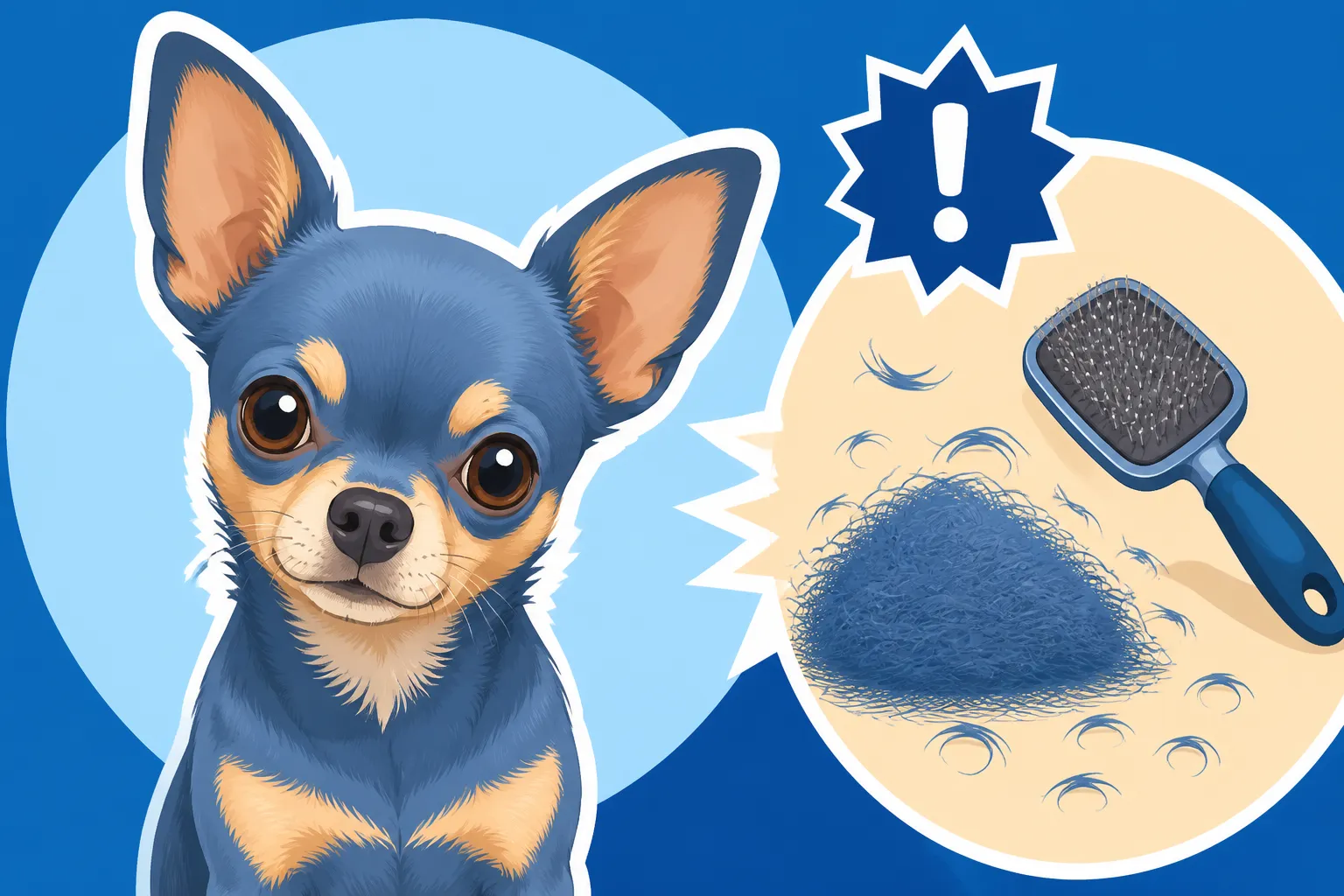
Recognizing the signs of CDA early can help you manage the condition more effectively. The most common symptom is patchy or diffuse hair loss, particularly in areas with the diluted blue pigment. This hair loss often starts around puppyhood or early adulthood, typically between six months and two years of age. You might notice the coat looking thinner, duller, or more brittle, even if full bald patches haven't yet appeared. The individual hairs themselves might feel coarser or more fragile to the touch.
Beyond hair loss, the skin in affected areas can become dry, flaky, and scaly. It might appear rough or thickened over time. Because the skin barrier is compromised, dogs with CDA are also more susceptible to secondary bacterial infections (pyoderma) or yeast infections. These infections can manifest as redness, itching, pustules, or a greasy feel to the skin. If you notice your blue Chihuahua developing bald spots, a poor coat texture, or itchy, flaky skin, it’s crucial to consult your veterinarian. These symptoms can sometimes mimic other skin conditions, including various Chihuahua Skin Allergies and Bald Patches, so a proper diagnosis is essential. Early intervention can make a world of difference in your dog's comfort and long-term health.
Diagnosis and Progression
Diagnosing Color Dilution Alopecia typically involves a thorough physical examination by your veterinarian, coupled with a detailed history of the dog's symptoms and genetic background. Your vet will look for the characteristic hair loss pattern and skin changes in the diluted areas. To confirm the diagnosis and rule out other potential causes of hair loss, they might recommend a skin biopsy. This involves taking a small sample of skin under local anesthesia, which is then sent to a veterinary dermatopathologist. Under the microscope, a pathologist can identify the unique clumping of melanin within the hair shafts and hair follicles, which is the hallmark of CDA.
Once diagnosed, it's important to understand that CDA is a progressive and lifelong condition. There is no cure, meaning the hair loss and skin issues will likely persist and may worsen over time. However, with consistent and appropriate management, the symptoms can be controlled, and your Chihuahua can maintain a good quality of life. The progression varies greatly from dog to dog; some might only experience mild thinning, while others could develop extensive baldness and chronic skin infections. This variability highlights the need for individualized care plans and a close working relationship with your vet.
Caring for a Blue Chihuahua with Coat Problems
Living with a blue Chihuahua prone to CDA means a little extra vigilance and a dedicated routine to keep their delicate skin and coat as healthy as possible. While there's no cure for the genetic component, you can certainly mitigate the symptoms and prevent secondary issues.
Managing Skin and Coat Health
The cornerstone of caring for a blue Chihuahua with CDA is meticulous skin and coat management. Regular bathing with specialized shampoos and conditioners is often recommended. Look for products designed for sensitive skin, those with moisturizing properties (like oatmeal or aloe vera), or medicated shampoos if secondary infections are present. Your vet can guide you on the best products for your dog’s specific needs. After bathing, it's crucial to dry your Chihuahua thoroughly but gently, avoiding harsh rubbing that could further damage fragile hair. Many Chihuahua owners find excellent options for sensitive skin care products through retailers like Chewy, which often carries a wide range of veterinary-recommended brands.
Dietary supplements can also play a significant role. Omega-3 fatty acids, such as those derived from fish oil, are fantastic for skin and coat health. They can help reduce inflammation, improve skin barrier function, and add shine to the coat. Always consult your vet for the correct dosage for your tiny Chihuahua, as too much of a good thing can be detrimental. Gentle, regular brushing, perhaps with a soft-bristle brush, can help distribute natural skin oils and remove loose hair without causing further breakage. Avoid brushes with stiff bristles that can pull or snap already fragile hair. We've discussed general Chihuahua Skin Allergies and Hair Loss before, and many of the supportive care strategies overlap with CDA management.
Preventing Secondary Infections
Because CDA compromises the skin's natural defenses, blue Chihuahuas are highly susceptible to secondary bacterial and yeast infections. Preventing these infections is paramount to their comfort and overall health. This means prompt attention to any signs of irritation, redness, or excessive itching. Regular veterinary check-ups are important, as your vet can spot subtle changes you might miss and recommend preventive measures or early treatments. If an infection does occur, it's vital to follow your vet's instructions for antibiotics or antifungals completely, even if the symptoms seem to clear up quickly. Stopping treatment early can lead to resistant infections.
Keeping your Chihuahua's skin clean and dry is also critical. Dampness creates a perfect breeding ground for bacteria and yeast. After baths, ensure they are completely dry, and if they get wet during outdoor excursions, towel them off thoroughly. Some owners find that a regular wipe-down of skin folds or affected areas with a vet-approved antiseptic wipe can help keep bacterial counts down, especially if their Chihuahua is prone to skin infections in those spots. While perhaps not directly related to CDA, conditions like Chihuahua Ear Infections and Big Open Ears also highlight how important it is to maintain external hygiene to prevent common canine ailments.
Environmental Considerations
A Chihuahua with CDA has very delicate skin and a compromised coat, making them more vulnerable to environmental factors. Protection from harsh sun and cold weather is non-negotiable. Direct sun exposure can lead to sunburn on bald patches and exacerbate skin issues. If your blue Chihuahua spends time outdoors, especially during peak sunlight hours, consider dog-safe sunscreen on exposed skin or lightweight UV-protective clothing. Chewy offers a wide selection of dog apparel that can help protect your pup from the elements.
In colder climates, the thinner coat associated with CDA provides less insulation, making blue Chihuahuas particularly susceptible to the cold. Investing in good quality sweaters and coats is not just a fashion statement for these pups; it's a necessity. We've often talked about Chihuahua Clothing and Cold Weather Gear as crucial for the breed in general, but it becomes even more vital for those with CDA. Make sure the clothing fits well, doesn't chafe delicate skin, and is washed regularly to prevent skin irritation. Additionally, ensuring your home environment is comfortably warm, especially during colder months, will contribute significantly to your blue Chihuahua's well-being. Keeping an eye on Sun Exposure on a Thin Chihuahua Coat is also a year-round concern, even indoors near sunny windows.
Ethical Breeding and Responsible Ownership
The decision to bring any dog into your home is a big one, but when it comes to a blue Chihuahua with a genetic predisposition like CDA, it requires an even deeper level of commitment and understanding. Responsible breeding practices and informed ownership are crucial for the well-being of these unique dogs.
The Importance of Health Testing and Transparency
For anyone considering a blue Chihuahua, seeking a truly ethical and responsible breeder is paramount. A reputable breeder will prioritize the health and temperament of their dogs above all else, including coat color. This means they will conduct comprehensive health testing on their breeding stock, not just for patellar luxation and heart conditions, but also genetic screening for conditions that might be linked to specific coat colors. They should be completely transparent about any potential health risks associated with a blue coat, openly discussing CDA and its implications. They won't use terms like "rare" to hike prices without also educating prospective owners about the responsibilities that come with such a dog.
An ethical breeder will provide clear documentation of health clearances for both parent dogs, including any genetic testing for dilution and its associated risks. They will also be a valuable resource for information and support throughout your dog's life. Be wary of any breeder who avoids discussing potential health problems, emphasizes only the aesthetic appeal of a "rare" color, or refuses to provide health certifications. Just as a good breeder should discuss the significance of Whether a Chihuahua Breeder Screens for Hydrocephalus, they should be equally open about the risks of conditions like CDA in specific color lines. Your questions are important, and their answers should be thorough and honest.
Considerations Before Bringing Home a Blue Chihuahua
Before falling head over heels for a blue Chihuahua puppy, take a moment to consider the long-term commitment. While incredibly endearing, a blue Chihuahua might require more dedicated care and potentially higher veterinary costs over their lifetime, especially if CDA develops into a more severe form with recurrent infections. Are you prepared for potentially frequent vet visits, specialized grooming products, and a vigilant eye on their skin and coat health for 12 to 20 years? This isn't meant to deter, but rather to ensure you're fully equipped to provide the best possible life for your furry companion.
Understanding these potential challenges upfront allows you to budget accordingly and prepare for the unique needs of your dog. We've often discussed the importance of Budgeting for a Chihuahua That Lives Sixteen Years and touched on What Chihuahua Owners Underestimate Most – and for blue Chihuahuas, managing potential CDA can definitely fall into that category of underestimated costs and time commitments. However, with informed care, a blue Chihuahua can lead a full and happy life, bringing immense joy and companionship to a prepared family.
| Feature | Standard Color Chihuahua (e.g., Fawn, Black) | Blue Chihuahua (Dilute Black) |
|---|---|---|
| Coat Color Basis | Standard eumelanin (black) or phaeomelanin (red/yellow) pigment distribution. | Dilute gene (d/d) affects eumelanin, resulting in grayish-blue. |
| CDA Predisposition | Generally low risk, unless other underlying skin conditions are present. | Higher genetic predisposition to Color Dilution Alopecia (CDA). |
| Typical Coat Issues | General shedding, occasional dryness/allergies, coat type specific issues. | Patchy hair loss, brittle hair, dull coat, dry/flaky skin, increased infection risk due to CDA. |
| Skin Sensitivity | Standard skin sensitivity, prone to general allergies. | Potentially more sensitive, compromised skin barrier due to CDA, higher risk of secondary infections. |
| Environmental Needs | Protection from cold and sun, especially for thin coats. | Critical protection from cold (less insulation) and sun (exposed skin burn risk). |
| Management Focus | Routine grooming, balanced diet. | Meticulous skin/coat care, specialized products, dietary supplements, vigilant infection monitoring. |
Disclaimer
This article is for general informational purposes only and does not constitute professional advice. Laws, prices and regulations vary by location and change over time. Consult a qualified professional for guidance on your specific situation.