The Flat Skull of a Deer Head Chihuahua
Oh, the beloved Chihuahua! So many people fall in love with their tiny stature and huge personalities, only to discover there’s a whole world of nuance when it comes to their physical traits. If you've ever found yourself admiring a Chihuahua with a slightly longer face, perhaps a less pronounced forehead, you've stumbled upon the delightful Deer Head type. This guide is all about unraveling the mysteries of the Deer Head Chihuahua's distinctive flat skull, helping you understand its unique characteristics, how it differs from the more widely recognized Apple Head, and what it all means for your cherished companion.
Understanding the Deer Head Chihuahua's Distinctive Skull Shape
When we talk about a Deer Head Chihuahua, the most immediate and defining characteristic is, of course, their skull shape. It’s a feature that really sets them apart visually, giving them an appearance that some describe as more "traditional dog-like" compared to their domed-head cousins. This isn't just about aesthetics; it also influences how they're perceived and often, their overall size.
What Defines a Deer Head Skull
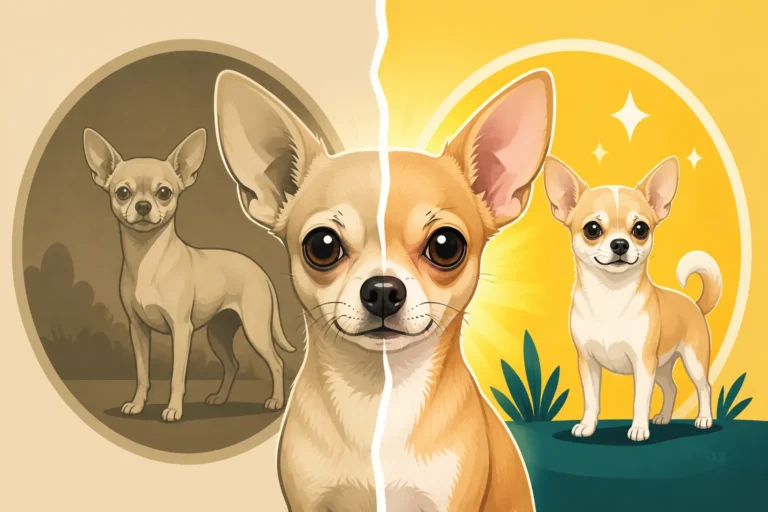
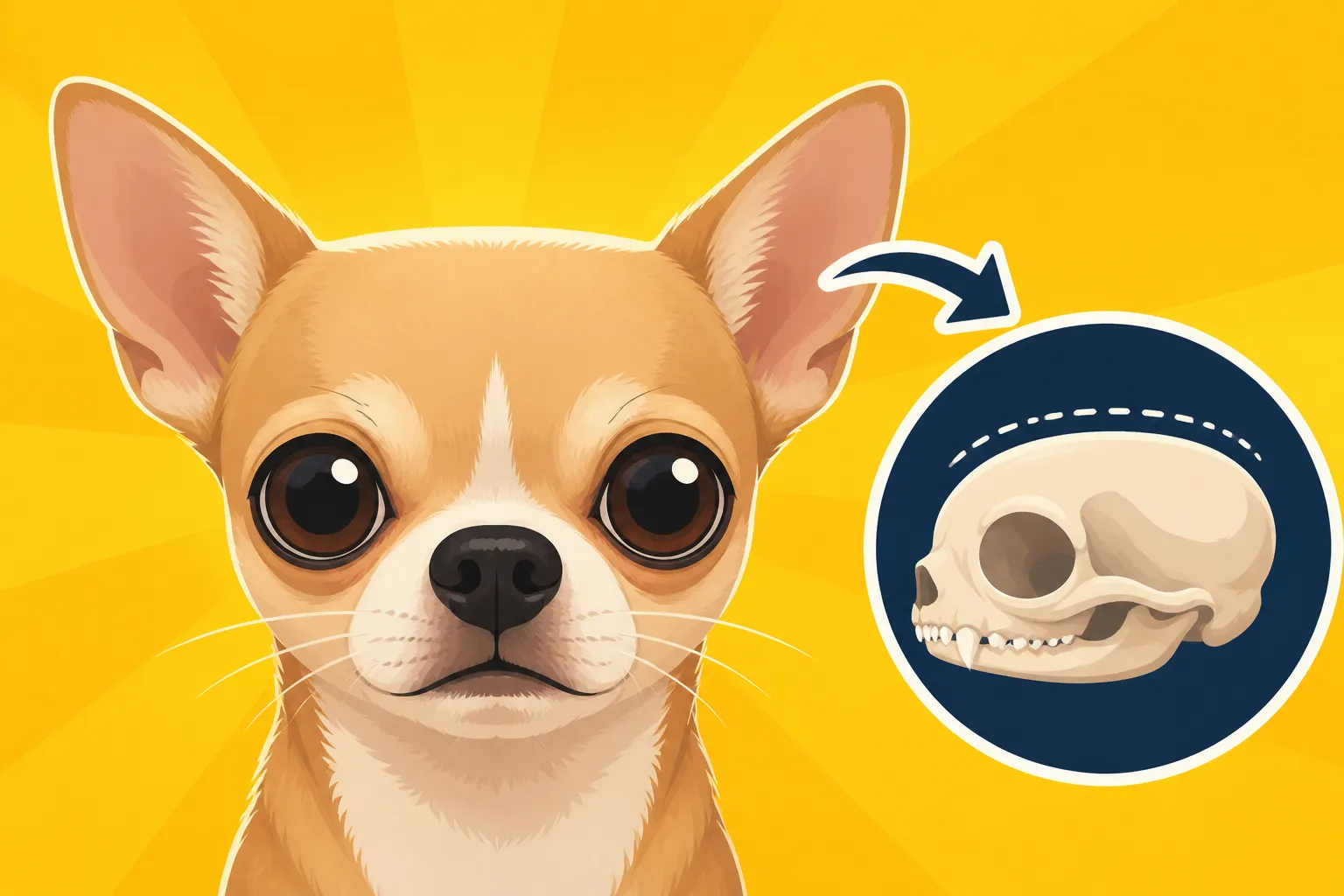
A Deer Head Chihuahua typically possesses a skull that is flatter on top, without the prominent, rounded dome that is the hallmark of the Apple Head. Imagine a gentle slope from the back of their head down to their muzzle, rather than an abrupt curve. Their muzzle is often longer and more tapered, resembling, as the name suggests, the elegant face of a young deer. This gives them a more elongated facial profile, moving away from the "smushed" or "pushed-in" look some smaller breeds exhibit. The "stop," which is the indentation where the muzzle meets the forehead, is far less defined in a Deer Head, creating a smoother transition. Their eyes tend to be set a bit wider apart and are often less bulging than those of an Apple Head, contributing to that softer, more natural expression. It’s a less exaggerated look, and for many owners, it’s precisely this charming, proportionate appearance that draws them in.
Think about the classic cartoon dog, with a clearly defined snout and a graceful curve from forehead to nose—that’s closer to the Deer Head silhouette. This distinct profile isn't just a random occurrence; it's a genetic variation within the Chihuahua breed itself. These dogs are purebred Chihuahuas through and through, carrying the same DNA as any other Chihuahua, just expressing a different set of physical traits. Their ears, while still large and erect when alert, might also seem to sit a little differently on their head due to the flatter skull structure, sometimes appearing less "bat-like" than an Apple Head's. This less extreme cranial development can also influence perceptions about their general robustness, though it's important to remember that all Chihuahuas, regardless of head type, are small and require gentle handling.
Common Misconceptions About Deer Heads
One of the biggest frustrations for owners of Deer Head Chihuahuas is encountering the misconception that their dog isn't a "real" Chihuahua. You might hear comments like, "Oh, that's a mix, isn't it?" or "That doesn't look like a purebred Chihuahua." This couldn't be further from the truth. Deer Head Chihuahuas are absolutely purebred. They simply do not conform to the specific physical standards set by kennel clubs for show dogs, which overwhelmingly favor the Apple Head variety. This has led to a lot of confusion and unfortunately, sometimes makes owners feel their beloved pet is somehow lesser.
Another common misunderstanding is that Deer Head Chihuahuas are inherently healthier or unhealthier than Apple Heads. While the extreme dome of an Apple Head can, in some rare cases, be associated with conditions like hydrocephalus or a persistent molera (soft spot on the skull), Deer Heads are not immune to general Chihuahua health issues. They are still prone to conditions like Chihuahua Dental Disease in a Crowded Small Jaw due to their small mouths, or Patellar Luxation, the Chihuahua's Commonest Joint Problem, which is prevalent across the breed. It's crucial not to generalize health based solely on head shape but rather to understand the breed's overall health predispositions. Every Chihuahua, regardless of its head shape, deserves preventative care and attention to their unique health needs.
Deer Head vs. Apple Head: Key Differences in Skull and Features
The distinction between a Deer Head and an Apple Head Chihuahua is one of the most talked-about topics in Chihuahua circles. While both are undeniably Chihuahuas, their differing skull structures create vastly different overall appearances, leading to clear preferences in the show ring and among individual owners. Understanding these differences is key to appreciating the diversity within the breed.
Skull and Facial Structure Comparison
Let's really zoom in on what sets these two types apart. The Apple Head Chihuahua is characterized by a very rounded, dome-shaped skull, much like a ripe apple. This roundness is often accompanied by a pronounced "stop"—the angle where the forehead meets the muzzle—which creates almost a 90-degree angle. Their muzzles are typically shorter and more pointed. Because of this cranial structure, Apple Head Chihuahuas often have larger, more prominent, and expressive eyes that can sometimes appear slightly bulging. Their ears tend to be set a bit lower and flare out, giving them that famous "bat-ear" look. The overall impression is one of a perpetually puppy-like, baby-faced dog.
In stark contrast, the Deer Head, as we've discussed, has a flatter, more elongated skull. Their muzzles are longer and taper gently, leading to a much less defined or "sloping" stop. The eyes of a Deer Head Chihuahua are usually smaller, set more to the side, and less prominent, contributing to a more mature and refined facial structure. Their ears are still large but often appear to sit higher on the head. If you were to draw a line from their forehead to the tip of their nose, it would be a much straighter, less angular path than on an Apple Head. This difference isn't just cosmetic; it's fundamental to their entire look. For a deeper dive into the specific features favored by the breed standard, you might want to read The Rounded Skull of an Apple Head Chihuahua.
To visualize these distinctions more clearly, here’s a handy comparison table:
| Feature | Apple Head Chihuahua | Deer Head Chihuahua |
|---|---|---|
| Skull Shape | Highly rounded, domed, "apple-like" | Flatter on top, less rounded, more elongated |
| Stop | Distinct, abrupt, almost 90-degree angle | Gentle, sloping, less pronounced |
| Muzzle | Shorter, often more pointed | Longer, more tapered, "deer-like" |
| Eyes | Larger, rounder, often more prominent or bulging | Smaller, almond-shaped, set further apart, less bulging |
| Ear Set | Often lower, can appear to flare more | Tends to be higher set, more upright |
| Overall Look | "Baby-faced," compact, often more delicate | More "dog-like," refined, graceful, sometimes more robust |
How These Differences Impact Appearance and Perception
The aesthetic impact of these skull variations is considerable. The Apple Head's exaggerated features are often what people immediately picture when they think of a Chihuahua, thanks in part to their prevalence in media and the show ring. Their large, round eyes and domed head can evoke a sense of cuteness and fragility that many find irresistible. This "puppy-face" appeal has certainly cemented their image in popular culture.
However, the Deer Head offers a different kind of charm. Their longer muzzles and flatter skulls give them a more classic canine appearance, often perceived as more elegant and less "toy-like." Many owners appreciate the less extreme features, feeling that their Deer Head Chihuahuas look more like miniature versions of larger, traditional dog breeds. This look also sometimes leads people to assume they are a Chihuahua mix, particularly with breeds like Miniature Pinschers or terriers, even if they are purebred. It's a common struggle for Deer Head owners to explain that no, their dog isn't a mix, it's just a different type of Chihuahua. Ultimately, both head types embody the spirit of the Chihuahua, bringing endless joy and companionship to their families.
The Breed Standard and Why the Deer Head Isn't Recognized
The world of dog breeds often operates under strict guidelines set by kennel clubs. These guidelines, known as breed standards, describe the ideal physical characteristics and temperament of a breed. For Chihuahuas, this standard has a very clear preference, which directly impacts the recognition of the Deer Head variety in competitive events.
The AKC Breed Standard's Preference for the Apple Head
The American Kennel Club (AKC) breed standard for the Chihuahua is quite specific about head shape. It states that the skull should be "apple dome," with or without a molera (a soft spot on the skull, which is an open fontanelle). The eyes are described as "full, round, but not protruding," and the muzzle should be "moderately short." This emphasis on the "apple dome" and a shorter muzzle directly describes the Apple Head type and, by exclusion, marginalizes the Deer Head in terms of conformation showing. The breed standard essentially codified a particular look as the ideal representation of the Chihuahua. This isn't to say that Deer Head Chihuahuas are somehow "incorrect" as dogs, but simply that their physical traits deviate from the specific aesthetic criteria established for the show ring.
The historical reasons for this preference are complex, often tied to evolving tastes and specific breeders' visions. Over time, certain features become iconic for a breed, and for the Chihuahua, the distinctive Apple Head became that defining characteristic. While many people cherish the Deer Head for its less extreme appearance and often robust look, the show world's focus remains on that unmistakable rounded skull and pronounced stop. This has led to a situation where potential show dogs are almost exclusively Apple Heads, making it rare to see a Deer Head in a competitive conformation event, though they can still excel in other dog sports. For more information on the breed's criteria, checking out The Chihuahua From Techichi to American Lapdog gives you a broader perspective on how the breed has evolved.
Implications for Showing and Registration
So, what does this mean if you have a Deer Head Chihuahua? It's important to understand that while they are purebred Chihuahuas, Deer Heads typically cannot compete successfully in AKC conformation events, where dogs are judged against the breed standard. A judge looking for an "apple dome" will pass over a dog with a flatter skull, regardless of how otherwise beautiful or well-tempered the dog might be. This can be a source of disappointment for owners who might have dreamt of their Chihuahua gracing the show ring.
However, this doesn't mean Deer Head Chihuahuas are unrecognized or can't be registered. A purebred Deer Head Chihuahua can still be registered with the AKC or other kennel clubs, provided their lineage is verifiable. Registration simply confirms their pedigree, not their suitability for conformation showing. They are still recognized as Chihuahuas, capable of participating in performance events like obedience, agility, or rally, where their structure might not be a disqualifying factor. If you're wondering about the nuances of their registration status, Whether a Deer Head Chihuahua Can Be Registered provides more detailed information. It’s a common misconception that if a dog isn't "show quality," it's not truly purebred, but this is simply not the case for Deer Heads. They are cherished companions, just not candidates for Best in Show.
Living with a Deer Head Chihuahua: Health and Temperament Considerations
Beyond the physical appearance, what's it really like to share your life with a Deer Head Chihuahua? While their skull shape is a defining characteristic, it's just one piece of the puzzle. Understanding their general health tendencies and temperament, which are largely consistent across the breed, is crucial for any owner.
General Health Profile of Deer Heads
Often, owners and even some casual observers believe that Deer Head Chihuahuas are inherently healthier than Apple Heads due to their less exaggerated features. The argument is that a less extreme skull might reduce the risk of certain skull-related issues, such as a large, persistent molera or hydrocephalus. While there's some anecdotal support for this, it's not a hard and fast rule, and all Chihuahuas, regardless of head type, are prone to a specific set of health concerns related to their toy size.
Deer Heads are just as susceptible to the common Chihuahua ailments as their Apple Head counterparts. For example, Chihuahua Heart Disease as the Breed Ages, particularly mitral valve disease, is a significant concern for the breed as a whole. Dental problems are almost universal among Chihuahuas, as their small jaws are often too crowded for all their teeth, leading to tartar buildup and gum disease. Even if their skull is less domed, their mouth structure remains tiny. Orthopedic issues like patellar luxation (slipping kneecaps) are also very common. So, while you might worry slightly less about a persistent molera with a Deer Head, you should still be vigilant about regular vet check-ups, excellent dental hygiene, and maintaining a healthy weight to protect their joints.
It’s important to remember that responsible breeding practices, proper nutrition, and regular veterinary care play a far greater role in a Chihuahua's long-term health than the shape of their skull. A Deer Head from a reputable breeder who performs health screenings is likely to be much healthier than an Apple Head from a backyard breeder focused only on tiny size. Always discuss potential health concerns with your veterinarian and be prepared for the typical needs of a small dog, which can include things like keeping them warm (they have little body fat) and being mindful of their delicate bones.
Temperament and Size: Beyond the Skull Shape
When it comes to temperament, a Deer Head Chihuahua is still very much a Chihuahua! Their personality is less influenced by their head shape and more by their individual genetics, early socialization, and consistent training. They are typically known for being fiercely loyal, intelligent, and often quite spirited. Many Chihuahuas develop a strong bond with one primary person, becoming their shadow and protector. This strong bond can sometimes manifest as a tendency to be wary of strangers or other animals if not properly socialized from a young age.
Deer Head Chihuahuas often fall on the slightly larger side of the Chihuahua weight spectrum, sometimes weighing closer to the upper end of the AKC standard's unofficial six-pound limit, and sometimes even a bit over it. You might find a Deer Head that is seven, eight, or even ten pounds, still very much a Chihuahua but with a bit more substance. To understand more about this, check out Why Deer Heads Often Weigh More. This slightly larger size doesn't make them less of a Chihuahua; it simply means they might feel a tiny bit sturdier than a two-pound Apple Head. Regardless of size or head shape, every Chihuahua benefits immensely from consistent Training a Chihuahua Exactly Like a Big Dog, early and positive socialization experiences, and clear boundaries. Don't let their size fool you; they thrive on learning and having a "job," even if that job is just being the best family companion.
When it comes to gear, their slightly longer muzzle might make certain harness styles fit a bit better, and their overall size could mean they're less fragile than the very smallest Chihuahuas. Whether you're looking for a new harness that fits their particular chest and neck, or cozy blankets for them to burrow into, Chihuahua Beds, Carriers and Small Gear are essential for their comfort and safety. You can find a fantastic selection of suitable items on sites like Chewy, ensuring your Deer Head has everything they need to be safe and comfortable, no matter their head shape. Ultimately, a Deer Head Chihuahua offers all the wonderful traits and quirks of the breed, wrapped up in a slightly different, equally charming package.
Disclaimer
This article is for general informational purposes only and does not constitute professional advice. Laws, prices and regulations vary by location and change over time. Consult a qualified professional for guidance on your specific situation.