What Chihuahua Owners Underestimate Most
Bringing a Chihuahua into your life is an absolute joy, isn't it? These tiny bundles of personality steal our hearts with their big eyes and even bigger attitudes. But let's be real, a lot of folks go into Chihuahua ownership thinking it's going to be a walk in the park because, well, they're so small! The truth is, these little dynamos come with a unique set of needs and challenges that many new — and even experienced — owners tend to seriously underestimate. This guide is here to shed light on those often-overlooked aspects, helping you prepare for a truly fulfilling, long-term relationship with your pint-sized companion.
The Hidden Financial Commitments Beyond the Puppy Price
It’s easy to look at a Chihuahua and think their small size means small bills. Less food, smaller toys, right? While it's true they don't eat as much as a Great Dane, the reality of owning a Chihuahua, especially regarding their health, can be a significant financial undertaking. The initial cost of the puppy itself might be steep, but that's often just the tip of the iceberg when you consider their entire lifespan, which can be surprisingly long. Many Chihuahuas live well past the age of twelve, often reaching into their late teens, meaning a longer commitment to their care.
The Unseen Costs of Dental Health
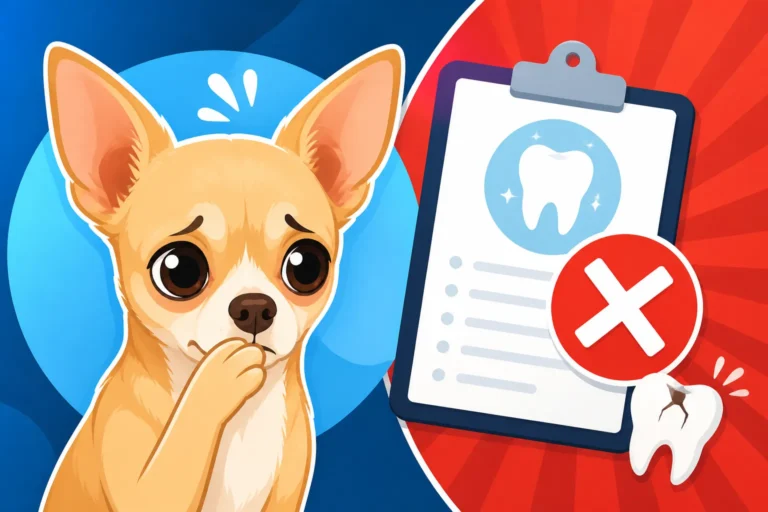
One of the biggest financial surprises for Chihuahua owners is almost always dental care. You might expect yearly check-ups and vaccines, but the specialized needs of their tiny mouths are often overlooked. Chihuahuas are notoriously prone to dental disease, often starting at a very young age. Their small jaws mean their teeth are crowded, making them a magnet for plaque and tartar buildup. We're talking about needing professional cleanings, sometimes annually, and often extractions, which can easily run into hundreds, if not thousands, of dollars per procedure. This isn't just about bad breath; untreated dental disease can lead to serious health issues like heart, kidney, and liver problems.
Many owners might try to manage with dental chews or water additives, but nothing replaces a proper veterinary dental. It requires anesthesia, pre-anesthetic bloodwork, and often dental X-rays to assess the damage below the gum line. It’s a specialized procedure that demands a skilled veterinary team, and the cost reflects that expertise. Budgeting for these recurring dental bills is crucial, and it’s something many people just don't foresee when they first bring home that adorable, tiny pup.
Unexpected Emergency Bills and Chronic Conditions
Another area where costs can quickly escalate is emergency care and the management of chronic conditions. Because of their delicate size, Chihuahuas can be more susceptible to certain injuries, like a broken leg from a fall off the sofa or an accidental step. Beyond trauma, the breed is predisposed to several genetic or common health issues that can require ongoing veterinary intervention. We're talking about conditions like patellar luxation, where their kneecaps can slip out of place, or a collapsing trachea, which causes a distinctive honking cough and breathing difficulties.
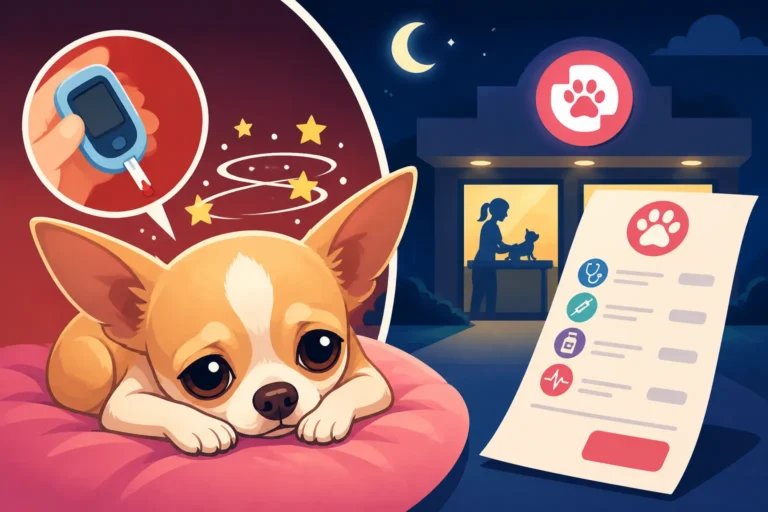
These conditions might require expensive diagnostics, specialized medications, or even surgery. For instance, a surgery for patellar luxation can be quite costly, especially if both knees are affected. Then there's the risk of hypoglycemia, particularly in puppies, which can quickly become a life-threatening emergency requiring immediate veterinary attention. Investing in pet insurance, perhaps through a provider like Healthy Paws, early in your Chihuahua’s life can be a game-changer, helping to offset these potentially staggering bills. Without it, these emergency situations can drain your savings in a heartbeat.
Behavioral Misconceptions and Training Overrides
The idea that small dogs don't need much training is one of the most damaging misconceptions out there. People often excuse behaviors in a Chihuahua they would never tolerate in a Labrador, like incessant barking or nipping at strangers. This leads to what's often mislabeled as "Small Dog Syndrome," which isn't a genetic trait but rather a collection of behaviors allowed by owners due to the dog's size. Chihuahuas are intelligent, capable dogs who thrive on structure and consistency, just like any other breed.
The Reality of House Training a Tiny Bladder
House training a Chihuahua can be far more challenging than many anticipate. Their tiny bladders mean they simply cannot hold it for as long as a larger dog. This isn't them being stubborn; it's a physiological reality. A young Chihuahua puppy might need to go out every hour or two, and even adult Chihuahuas often need more frequent potty breaks than their larger counterparts. This can be especially difficult for owners who work long hours or live in apartments without easy outdoor access.
Many owners resort to puppy pads or indoor potty systems, which can be a lifesaver in some situations, but can also inadvertently prolong outdoor training if not managed carefully. Consistent, positive reinforcement, a strict schedule, and immediate rewards are crucial. You might find yourself needing to take your Chihuahua out even when it's raining or cold, which they famously dislike. The commitment to diligent house training is often underestimated, leading to frustration for both dog and owner.
Addressing Fear Reactivity and Building Confidence
Despite their bold personalities in a familiar setting, many Chihuahuas struggle with fear reactivity, often manifesting as barking, lunging, or even nipping when faced with new people, places, or other dogs. This isn't aggression; it's often a defense mechanism from feeling overwhelmed and vulnerable in a big world. Because they're so small, the world can seem like a much scarier place, full of large, looming figures and unpredictable movements.
Instead of dismissing these behaviors as just "being a Chihuahua," it’s vital to understand that they stem from genuine fear. Ignoring or punishing these reactions only makes the fear worse. Proper socialization, careful exposure to new experiences, and positive reinforcement training are key. Teaching a Chihuahua that the world isn't so scary takes patience and consistent effort. It means advocating for your dog, perhaps politely asking strangers not to rush up and pet them, and ensuring their interactions are always positive and within their comfort zone.
Unique Health Vulnerabilities and Daily Care Needs
Chihuahuas aren't just scaled-down versions of larger dogs; they have distinct physiological characteristics that require specialized care. Their small stature and delicate systems make them uniquely vulnerable to certain health issues and environmental factors. Many new owners are caught off guard by the precision required in their daily management.
Managing Hypoglycemia and Temperature Sensitivity
One of the most critical health concerns, particularly for Chihuahua puppies, is hypoglycemia, or dangerously low blood sugar. Because of their small body mass and fast metabolism, puppies can quickly deplete their glucose reserves, especially if they skip a meal, get stressed, or become chilled. Signs can range from lethargy and weakness to full-blown seizures and coma, making it a true emergency. Even adult Chihuahuas can experience hypoglycemia if they're ill or go too long without food, though it's less common.
Beyond blood sugar, Chihuahuas are notoriously sensitive to cold. They have very little body fat to insulate them, and their short coats (especially smooth coats) offer minimal protection. Many owners underestimate just how bundled up their Chihuahua needs to be, even indoors, particularly if the house is kept cool. They truly need sweaters, coats, and warm bedding to maintain their body temperature, especially in colder climates or during winter months. This isn't just a fashion statement; it's a health imperative to prevent hypothermia and illness.
Exercise, Safety, and Dietary Precision
While Chihuahuas don't need miles of running, they do require consistent, safe exercise and mental stimulation. Many owners assume they can just carry their Chihuahua everywhere, but this prevents them from developing proper leash manners and confidence on their own four paws. Short, regular walks, indoor play, and puzzle toys are essential to their physical and mental well-being. However, their small size also means they are vulnerable to injury from falls, rough play with larger dogs, or even being accidentally stepped on. Safety becomes a paramount concern, requiring constant vigilance and a Chihuahua-proof home environment.
When it comes to feeding, precision is key. A Chihuahua's daily caloric needs are surprisingly small, often only around 200-300 calories for an adult. Overfeeding, even by a small amount, can quickly lead to obesity, which exacerbates other health issues like patellar luxation and heart disease. Measuring their food precisely, perhaps using a small kitchen scale, is far more accurate than relying on measuring cups, which can be inaccurate for tiny portions. Some owners find brands like Ollie or Chewy helpful for perfectly portioned, high-quality food options tailored to small breeds, ensuring they get the right nutrition without excess calories.
Here's a quick look at some common underestimated aspects of Chihuahua ownership:
| Aspect | Common Underestimation | Reality for Chihuahuas |
|---|---|---|
| Cost | "Small dog, small bills." | Significant recurring dental costs, potential emergency care, and chronic condition management. Pet insurance is highly recommended. |
| Training | "They're too small to really train." | Requires consistent, positive training like any other dog; prone to fear reactivity and difficult house training. |
| Health Risks | "Just a typical dog." | Prone to hypoglycemia, patellar luxation, collapsing trachea, and dental disease due to unique physiology. |
| Temperature | "They'll be fine indoors." | Extremely sensitive to cold due to low body fat; requires sweaters, warm bedding, and climate control. |
| Exercise & Safety | "Can be carried everywhere." | Needs regular, safe exercise and mental stimulation; highly vulnerable to injury due to small size. |
| Dietary Needs | "A little extra food won't hurt." | Very low caloric needs; requires precise food measurement to prevent obesity and manage blood sugar. |
The Commitment to Lifelong Learning and Adaptation
Owning a Chihuahua isn't just about providing food and shelter; it's about committing to a journey of continuous learning and adaptation. Their long lifespan means you'll be navigating everything from puppyhood zoomies to the challenges of senior care, each phase bringing its own set of underestimated demands. Your lifestyle will inevitably shift to accommodate their unique personality and requirements.
Adjusting Your Home for a Small Dog's Safety
Many owners don't realize how much they need to adjust their home environment to ensure their Chihuahua's safety. Common household items can become hazards. For instance, a Chihuahua can easily slip through gaps in fences or under furniture. Stairs and high furniture like sofas and beds, which are minor obstacles for larger dogs, pose a significant injury risk for Chihuahuas, potentially leading to falls that cause fractures or exacerbate existing conditions like Patellar Luxation, the Chihuahua's Commonest Joint Problem. Ramps or steps can be invaluable additions to help them navigate your home safely, protecting their tiny joints.
Furthermore, keeping track of small objects that could be choking hazards, securing toxic plants, and ensuring electrical cords are out of reach are even more critical when you have a curious, pint-sized explorer. Their small size also means they are more susceptible to being accidentally stepped on or squeezed, so everyone in the household, especially children, needs to be educated on how to interact with them gently and safely.
The Long-Term Emotional and Time Investment
Perhaps the most underestimated aspect of Chihuahua ownership is the profound emotional and time investment required over their potentially Chihuahua Lifespan and Why the Breed Reaches Sixteen or even longer. These dogs often form incredibly strong bonds with their primary caregivers, leading to potential separation anxiety if not managed proactively from a young age. They thrive on companionship and can become quite attached, making long periods of solitude difficult for them.
Consistent daily interaction, training sessions, and playtime are non-negotiable for a well-adjusted Chihuahua. This isn't a dog you can leave alone for ten hours a day without consequences. The commitment extends to their senior years, where you might face additional challenges like Senior Chihuahua Care Past the Age of Twelve, including managing arthritis, vision or hearing loss, or cognitive decline. Embracing this long-term commitment means adjusting your routines, travel plans, and even social life to ensure your tiny companion is happy, healthy, and feels secure for their entire, wonderfully long life.
The Nuances of Training and Socialization
The notion that a Chihuahua is simply a handbag accessory that doesn't need proper training and socialization is a disservice to the breed and a recipe for behavioral issues. These intelligent little dogs are just as capable of learning complex commands and routines as any large breed, and they desperately need appropriate social exposure to grow into well-adjusted companions. Ignoring these needs only reinforces the negative stereotypes often associated with Chihuahuas.
Beyond "Small Dog Syndrome": Real Training for Real Dogs
Many owners, perhaps well-meaning, treat their Chihuahuas differently due to their size, often excusing undesirable behaviors. A Chihuahua that growls or nips at strangers might be dismissed as "just being a Chihuahua," when in reality, it's a cry for help rooted in fear or a lack of proper boundaries. This can lead to a dog that is anxious, reactive, and potentially dangerous, not because of its breed, but because of its upbringing. True training involves teaching them commands, manners, and impulse control, exactly like you would a big dog. Starting with positive reinforcement from day one, using tiny, high-value treats and short, fun sessions, can build a strong foundation. Ignoring the phrase "Small Dog Syndrome and Why It Is Not Genetic" is crucial for building a confident companion.
It's about teaching them to walk politely on a leash with a proper harness (which protects their delicate windpipes from conditions like Collapsing Trachea and the Chihuahua Honking Cough), to come when called, and to settle calmly. This structured approach not only makes them better companions but also builds their confidence, helping them navigate a world that often feels intimidating. Remember, every Chihuahua deserves the respect of proper training, enabling them to be the best version of themselves.
Socialization That Doesn't Overwhelm
Socializing a Chihuahua is a delicate balance. On one hand, they need exposure to a variety of sights, sounds, people, and other dogs to prevent them from becoming fearful or reactive. On the other hand, their tiny size means they can easily be overwhelmed or even injured in boisterous environments, especially around larger, less careful dogs. The common advice to "just let them work it out" with bigger dogs can be incredibly dangerous for a Chihuahua.
Instead, focused, controlled, and positive socialization experiences are paramount. This means introducing them slowly to calm, gentle dogs of similar size, allowing them to interact on their own terms, and always having an escape route. It means positive encounters with gentle strangers, rewarding them for calm behavior, and allowing them to approach when they feel safe. Puppy classes specifically designed for small breeds can be incredibly beneficial, offering a safe space for socialization. Understanding Chihuahua Fear Reactivity, the Breed's Real Problem helps owners take a proactive, gentle approach to help their little ones feel secure and confident in the world.
Disclaimer
Please note that the information provided in this article is for general informational purposes only and does not constitute veterinary advice. Always consult with a qualified veterinarian for any health concerns or before making any decisions about your Chihuahua's medical care or diet. Individual needs may vary.