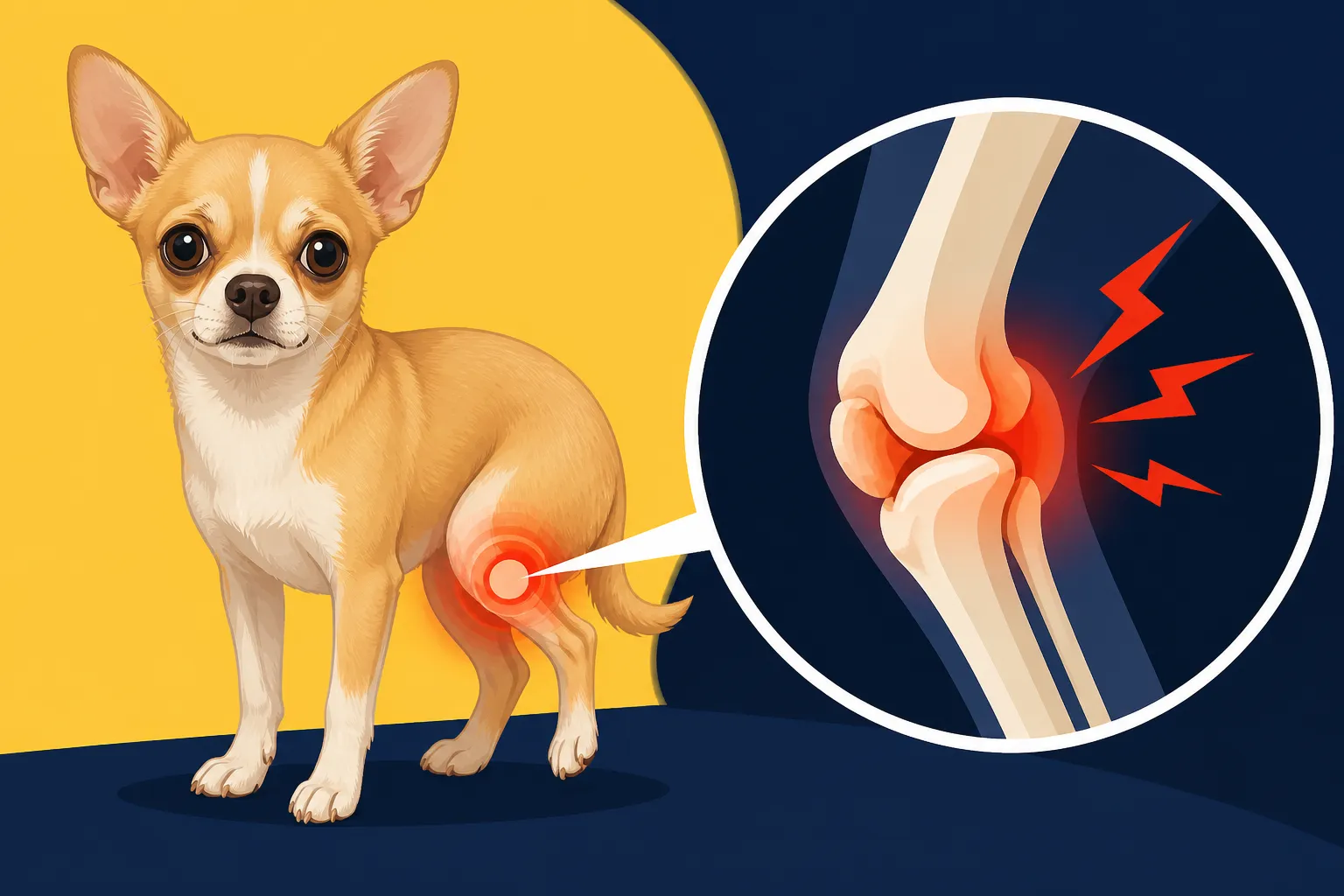
The Point a Chihuahua Knee Stops Correcting Itself
It's heartbreaking to watch your tiny Chihuahua struggle with a limp or a strange skipping step, especially when you know their little knees can sometimes pop out of place. Many of us hope these issues will just resolve themselves, and while minor slips can correct, there often comes a point where a Chihuahua's kneecap needs more than just a little time to sort itself out. This guide will walk you through understanding when a Chihuahua's knee might stop correcting itself, what that means for your beloved companion, and the steps you can take.
Understanding Patellar Luxation in Chihuahuas
Patellar luxation, often simply called a "slipped kneecap," is one of the most common orthopedic conditions we see in Chihuahuas. It's not just a minor inconvenience; it can cause significant discomfort and lead to more serious issues if left unaddressed. It’s a condition that truly highlights the unique challenges of a tiny dog’s anatomy.
What is Patellar Luxation?
At its simplest, patellar luxation occurs when the patella, or kneecap, moves out of its normal groove on the end of the femur (thigh bone). Instead of gliding smoothly up and down, it slips either to the inside (medial luxation) or, less commonly, to the outside (lateral luxation) of the leg. For Chihuahuas, medial luxation is overwhelmingly more frequent. Think of it like a train coming off its tracks; the knee joint simply isn't working as it should.
This condition is often congenital, meaning Chihuahuas are born with anatomical abnormalities that predispose them to it. These can include a shallow femoral groove, weak surrounding ligaments, or a misalignment of the tibia (shin bone). Over time, repeated luxation can wear away cartilage, stretch ligaments, and even deform the bones themselves. It's crucial to understand that while it might seem like a sudden event when your dog skips, the underlying structural issue has likely been there all along. For a deeper dive into the mechanics, you might find more information in our article on How a Chihuahua Kneecap Slips Out of Place.
The Different Grades of Patellar Luxation
Vets classify patellar luxation into four grades, from I to IV, based on severity. These grades are essential for understanding prognosis and treatment options, and they're usually determined during a physical examination where the vet manually manipulates the kneecap.
- Grade I: This is the mildest form. The kneecap can be manually luxated (pushed out of place) but will spontaneously return to its normal position. Your Chihuahua might only occasionally skip a step or hold up a leg for a few strides, seemingly shaking it out before walking normally again. Owners often describe The Skipping Gait That Signals a Chihuahua Knee.
- Grade II: The kneecap spontaneously luxates (slips out on its own) and remains luxated for a longer period, but can either spontaneously reduce (pop back in) or be manually reduced by the vet. Dogs with Grade II luxation often have a more noticeable skipping or intermittent lameness. They might cry out occasionally if it catches.
- Grade III: The kneecap is luxated most of the time but can still be manually reduced, though it will reluxate immediately once the manual pressure is released. Dogs with Grade III luxation typically have a persistent limp or a crouched stance, as the leg is often held in a partially flexed position. This is where mobility starts to be seriously impacted.
- Grade IV: This is the most severe form. The kneecap is permanently luxated and cannot be manually reduced at all. The underlying bone deformities are usually significant, leading to severe lameness and often a permanent crouched gait. This grade often results in significant discomfort and severely compromised quality of life without intervention.
Understanding The Four Grades of a Slipping Chihuahua Kneecap is fundamental to grasping the progression of this condition.
When a Chihuahua's Knee Can Correct Itself
It’s natural to hope for the best, especially when you see your tiny friend with a temporary limp. In some milder cases, a Chihuahua's kneecap can indeed correct itself, either spontaneously or with careful management. This offers a glimmer of hope for many owners.
Grade I Luxation and Its Spontaneous Resolution
For Chihuahuas diagnosed with Grade I patellar luxation, there's often good news: spontaneous resolution is quite common. In these instances, the kneecap might slip out of its groove briefly, perhaps when your Chihuahua makes a sudden turn or jumps off a low piece of furniture, but it will quickly pop back into place on its own. Owners might notice a brief skip or hop, a momentary lift of the leg, and then their dog is back to normal as if nothing happened.
The key here is that the anatomical abnormalities are minimal. The femoral groove might be slightly shallow, or the ligaments a tiny bit lax, but the overall structure of the knee is largely intact. Maintaining a healthy weight, providing regular, moderate exercise to build strong thigh muscles (which help stabilize the kneecap), and avoiding high-impact activities like repeated jumping can all help to support the knee's natural ability to correct itself. It's often reassuring to know that Grade One Patellar Luxation That Corrects Itself is a real possibility.
Factors Influencing Natural Correction
While Grade I luxation often resolves, several factors can influence the likelihood of any natural correction or the prevention of progression to higher grades.
Age is a significant factor. Puppies sometimes present with very mild luxation that improves as their muscles develop and strengthen around the knee joint. However, if the underlying anatomical issue is more pronounced, even in a young puppy, relying solely on age for correction isn't advisable. The severity of the initial luxation plays the biggest role; a Grade II or higher is far less likely to self-correct than a Grade I. Muscle tone is also critical; a Chihuahua with strong, lean leg muscles will have better natural stability than one that is sedentary or overweight. Regular, controlled exercise, like short walks or indoor play on non-slip surfaces, can help build and maintain this muscle mass. However, uncontrolled exercise, like jumping on and off high furniture repeatedly, can exacerbate the problem. Ensuring your Chihuahua doesn't carry extra weight is paramount, as even half a pound on a five-pound dog is a significant burden on delicate joints.
The Critical Point: When Correction Stops
Unfortunately, for many Chihuahuas with patellar luxation, there comes a point where the knee simply cannot correct itself anymore. This isn't just about an occasional slip; it indicates a progression in the condition where the damage to the joint has become too significant for spontaneous reduction.
Why Grades II-IV Rarely Self-Correct
Once a Chihuahua's patellar luxation progresses to Grade II or higher, the chances of spontaneous correction diminish significantly and practically disappear beyond Grade II. With Grade II, while the kneecap might still pop back into place on its own sometimes, the slips become more frequent and last longer. The constant rubbing of the kneecap on the edges of the trochlear groove starts to wear away the cartilage, creating more space for it to slip out and less resistance for it to return.
By Grade III, the kneecap is often out of place most of the time. The groove itself is usually quite shallow or even flattened, and the surrounding soft tissues (ligaments and joint capsule) become stretched and lax, losing their ability to hold the kneecap securely. At this stage, the mechanical advantage is entirely lost; there's nothing structurally encouraging the kneecap to stay in place. This is the stage where owners often realize they are dealing with A Chihuahua Kneecap That Never Goes Back without intervention. The discomfort for your dog also intensifies, as the abnormal alignment puts stress on other parts of the knee, potentially leading to early-onset arthritis.
Progressive Damage and Its Impact on Stability
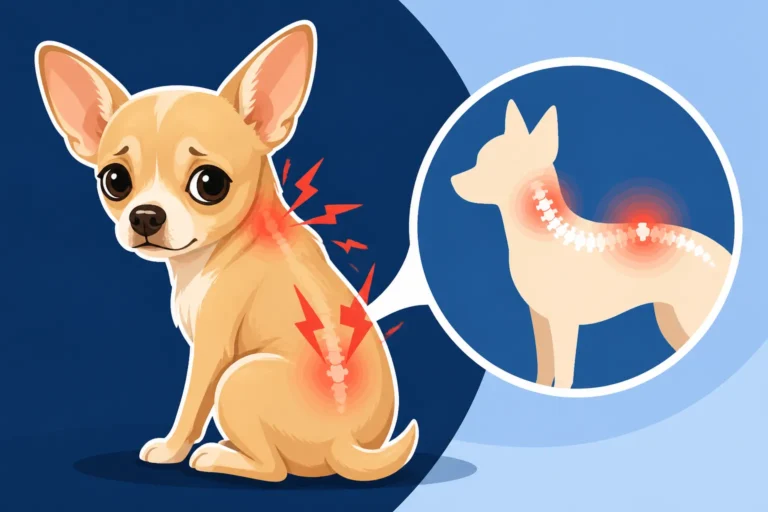
The impact of progressive luxation extends far beyond just a slipping kneecap. Each time the patella slides out of its groove, it causes microscopic and macroscopic damage to the articular cartilage, which is the smooth, protective tissue covering the ends of the bones in the joint. This wear and tear eventually leads to inflammation and the development of osteoarthritis, a painful and irreversible degenerative joint disease.
Furthermore, the continuous abnormal alignment can cause the bones themselves to remodel and deform. The trochlear groove, instead of being a deep, V-shaped channel, can become shallow or completely flat. The femur and tibia might also twist, exacerbating the problem and making it even harder for the kneecap to ever stay in its correct position. In Grade IV cases, these deformities are so severe that the leg itself might appear bowed, and the dog walks with a permanent crouch, unable to fully extend the knee. This level of damage severely compromises the long-term stability and function of the entire limb, impacting everything from their ability to walk comfortably to their overall quality of life. Owners of senior Chihuahuas might also see other issues, such as Chihuahua Arthritis in the Teenage Years, often as a direct result of untreated luxation.
Recognizing the Signs of a Non-Correcting Knee
When your Chihuahua's knee is no longer correcting itself, the signs become more consistent and concerning. It's not just an occasional hop; it’s a persistent problem that impacts their daily life. Paying close attention to these indicators is vital for early intervention.
Persistent Symptoms and Worsening Gait
The most obvious signs of a non-correcting kneecap are persistent and worsening symptoms. Instead of a fleeting skip, you'll notice your Chihuahua holding up their leg for longer periods, often refusing to put weight on it. This lameness might become more frequent, appearing with almost every walk or play session, rather than just occasionally. They might be reluctant to run, jump, or even climb stairs or ramps that they once navigated with ease.
You might observe them shaking their leg vigorously in an attempt to "pop" the kneecap back into place, or they might even stop mid-stride, frozen in an awkward position until the kneecap reduces (if it can). In more severe cases, like Grade III or IV, the limb may appear bowed, and the dog will walk with a permanent crouch, unable to extend the leg fully. This significantly alters their gait, making them look stiff or awkward. If you notice these persistent issues, it's a clear signal that the self-correction phase is likely over and professional help is needed.
Behavioral Changes Signaling Discomfort
Beyond the physical lameness, a non-correcting patellar luxation can manifest in subtle, yet significant, behavioral changes. Your usually playful Chihuahua might become less active, refusing to engage in games they once loved. They might prefer to lie down more, avoiding situations that require movement or jumping. You might notice them favoring one side, shifting their weight to reduce pressure on the affected limb.
Pain can also lead to irritability or a reluctance to be handled, especially around the affected leg. A Chihuahua who was once happy to be picked up might now yelp or snap if you inadvertently touch their sore knee. They might even begin to guard certain areas, like their bed or a favorite lap spot, from other pets or people. Any unexplained aggression or withdrawal could be a strong indicator of chronic pain from their knee. It's crucial not to dismiss these behavioral shifts as merely "getting older" or "being grumpy"; they are often a clear cry for help from a dog experiencing ongoing discomfort.
Treatment Paths for Non-Correcting Patellar Luxation
Once a Chihuahua's knee has reached the point where it no longer corrects itself, it’s time to seriously consider intervention. While surgery is often the definitive answer for higher grades, there are also non-surgical strategies that can offer support and comfort.
Non-Surgical Management Strategies
For Chihuahuas with Grade I or some Grade II luxations that are not causing severe pain or lameness, or for those where surgery isn't an option due to age or other health concerns, non-surgical management can be beneficial. The primary goals are to reduce pain, minimize inflammation, and support joint health.
- Weight Management: This is paramount. Even a small amount of excess weight puts tremendous strain on delicate Chihuahua joints. Working with your vet to achieve and maintain an ideal body condition is critical. This might involve carefully measuring food portions and ensuring their diet is balanced.
- Controlled Exercise: While activity is important for building muscle, it must be controlled. Short, frequent walks on a leash on even surfaces are better than uncontrolled running and jumping. Avoiding high-impact activities like repetitive stair climbing or jumping off furniture is essential. Using ramps or steps to access furniture can make a huge difference in protecting their knees, as discussed in Ramps and Steps for a Chihuahua Sofa.
- Joint Supplements: Many vets recommend joint supplements containing glucosamine, chondroitin, and MSM. These ingredients are believed to help support cartilage health and reduce inflammation. Omega-3 fatty acids, often found in fish oil, also have anti-inflammatory properties that can be beneficial. There are many options available, and a specific vet-recommended supplement regimen like those from Nutramax Laboratories (makers of Cosequin and Dasuquin) can be quite helpful. You can learn more about specific options in Joint Supplements for a Chihuahua With Bad Knees.
- Anti-inflammatory Medications: For periods of increased pain or inflammation, your vet might prescribe NSAIDs (non-steroidal anti-inflammatory drugs) to improve comfort and mobility. These are typically used short-term or on an as-needed basis, as long-term use can have side effects.
Surgical Interventions for Lasting Stability
When non-surgical methods fail to provide adequate comfort, or if the luxation is Grade II (with persistent lameness), Grade III, or Grade IV, surgery is often the most effective and often the only way to achieve lasting stability and improve your Chihuahua's quality of life. The goal of surgery is to realign the kneecap and deepen its groove so it can track properly.
Several surgical techniques may be used, often in combination:
- Trochlear Wedge Resection or Block Recession: This involves deepening the trochlear groove (the femoral groove where the kneecap sits) so the patella has a secure channel to glide in. A wedge or block of bone is removed from the groove and then replaced at a deeper level.
- Tibial Tuberosity Transposition: This procedure involves cutting the bone attachment of the patellar ligament (the tibial tuberosity) and repositioning it to correct the alignment, then reattaching it with pins. This changes the pull of the quadriceps muscle group and the patellar ligament, ensuring the kneecap is pulled straight.
- Fascial Release/Capsular Overlap: Sometimes, the soft tissues on one side of the knee are too tight, pulling the kneecap out of alignment, while the tissues on the other side are stretched and loose. Surgical release of the tight tissues and tightening of the loose ones (capsular overlap) can help balance the forces acting on the kneecap.
The decision of Whether a Chihuahua Knee Needs Surgery at All is a serious one, considering the Chihuahua Kneecap Surgery Costs which can range from $1,500 to $4,000 per knee. Many owners find that pet insurance, such as a policy from Healthy Paws, can be incredibly helpful in mitigating these significant expenses, especially if they enrolled their Chihuahua before symptoms appeared. The recovery period typically involves strict rest, pain medication, and sometimes physical therapy, as detailed in Recovery After Chihuahua Kneecap Surgery.
Long-Term Care and Prevention of Further Damage
Whether your Chihuahua undergoes surgery or is managed non-surgically, long-term care is crucial. This isn't a one-time fix; it's an ongoing commitment to support their joint health and prevent further complications, especially given their predisposition to conditions like Patellar Luxation, the Chihuahua's Commonest Joint Problem.
Home Modifications and Lifestyle Adjustments
Making adjustments around your home can significantly reduce the strain on your Chihuahua's knees and improve their overall comfort. The goal is to minimize high-impact activities and create an environment that supports their mobility.
- Ramps and Steps: This is perhaps the most important modification. Chihuahuas love to be on furniture with their people, but repeatedly jumping on and off sofas, chairs, and beds can put immense stress on their knees, even if they're surgically repaired. Providing small ramps or steps allows them to safely access their favorite elevated spots without jumping. This simple change is key to Keeping a Chihuahua Off Furniture to Protect Knees.
- Non-Slip Surfaces: Hardwood, tile, and laminate floors can be slippery and make it difficult for Chihuahuas to gain traction, leading to slips and falls that can cause luxation or re-injury. Lay down rugs, runners, or carpet tiles in high-traffic areas to provide better grip.
- Safe Play: Encourage gentle play sessions on soft surfaces. Avoid games that involve excessive twisting, jumping, or sudden stops. Interactive toys that encourage mental stimulation rather than strenuous physical activity can be a great alternative.
- Temperature Control: Keep your Chihuahua warm, especially in colder months. Cold can exacerbate joint stiffness and discomfort. Cozy beds, sweaters, and a comfortable indoor temperature can make a difference.
These adjustments are not just for recovery but for a lifetime of joint protection for your small companion.
Ongoing Monitoring and Supportive Therapies
Even after successful surgery or with diligent non-surgical management, your Chihuahua will benefit from ongoing monitoring and supportive therapies to maintain joint health and address any emerging issues.
- Regular Vet Check-ups: Schedule regular check-ups with your veterinarian. They can monitor your Chihuahua’s gait, assess joint health, and recommend any necessary adjustments to their care plan. Early detection of any new issues, like the onset of arthritis in other joints, is critical.
- Physical Therapy/Rehabilitation: For Chihuahuas recovering from surgery or those with chronic luxation, a veterinary physical therapist can be invaluable. They can design tailored exercise programs to strengthen specific muscle groups, improve range of motion, and reduce pain. Techniques might include therapeutic exercises, hydrotherapy (swimming or underwater treadmill), and massage.
- Pain Management: As Chihuahuas age, arthritis can become a significant concern, especially in knees that have experienced luxation. Work with your vet to develop a long-term pain management strategy. This might include periodic use of NSAIDs, other pain medications, or complementary therapies like acupuncture. Again, pet insurance providers like Healthy Paws can cover ongoing pain management prescriptions and rehabilitation costs if the condition isn't pre-existing, which is a huge relief for many owners.
- Joint Supplements: Continue with high-quality joint supplements as recommended by your vet. These provide ongoing nutritional support for cartilage and may help slow the progression of degenerative joint disease.
- Weight Maintenance: Reiterate this point – lifelong weight control is paramount. Even a slight increase in weight can put renewed strain on the knees and other joints, potentially leading to further problems.
By proactively managing your Chihuahua's knee health through these consistent efforts, you can help ensure they live a comfortable, active life for many years to come, minimizing the impact of patellar luxation.
Disclaimer
The information provided in this guide is for general educational purposes only and should not be considered a substitute for professional veterinary advice. Always consult with a qualified veterinarian regarding your Chihuahua's specific health concerns, diagnosis, and treatment options.