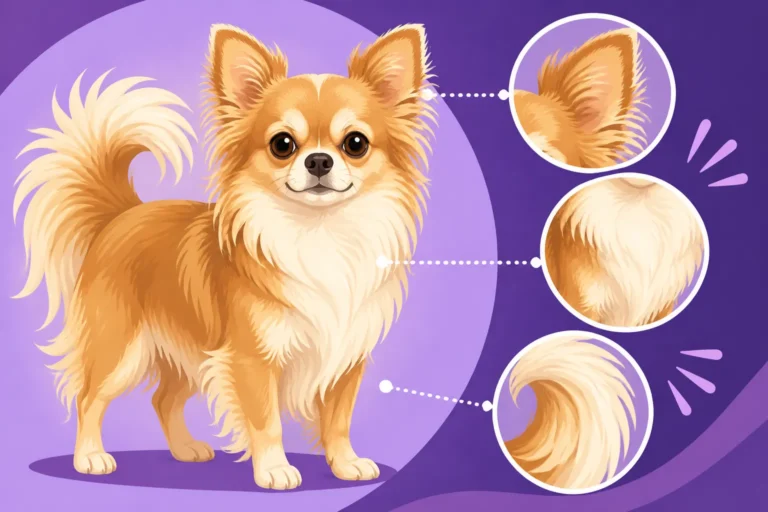
The Chihuahua That Opened the AKC Stud Book
Many Chihuahua owners might know a little about their dog's Mexican heritage, but the journey from ancient companions to recognized purebred can feel a bit fuzzy, especially when it comes to how they became part of the mainstream dog world. It's easy to overlook the critical steps that solidified the Chihuahua's place in history, leading to official recognition and the detailed standards we know today. This guide will take you back to the very beginning of the Chihuahua's journey into the American Kennel Club, focusing on the specific dog that first cracked open the stud book and what that pivotal moment meant for the breed we cherish.
The Ancient Roots of a Modern Breed
Before any Chihuahua could open a stud book, there was a long, rich history woven into the fabric of Mesoamerican culture. These tiny dogs weren't just pets; they held significant spiritual and cultural roles for the civilizations that preceded modern Mexico. Understanding this deep lineage helps us appreciate the journey of the breed and how it eventually captured the hearts of people far beyond its native lands. It wasn't a quick leap from the deserts of Mexico to the show rings of America; it was a slow, fascinating evolution.
Tracing the Techichi Lineage
The ancestors of the modern Chihuahua are widely believed to be the Techichi, small companion dogs kept by the Toltecs and later the Aztecs. Imagine tiny, silent guardians, often depicted in ancient carvings and pottery. These weren't the Chihuahuas we know today with their prominent eyes and apple heads; they were sturdier, perhaps a bit larger, but definitely small. These dogs played a role in religious ceremonies and were sometimes buried with their owners, believed to guide souls through the underworld. It's quite a profound history for such a little creature, wouldn't you agree? These carvings offer a fascinating glimpse into a past where dogs held a sacred place, a far cry from simply being household pets. To truly delve into their ancient past, you might enjoy exploring The Chihuahua Ancestor Carved in 300 BC.
The exact timeline and genetic links remain subjects of archaeological and genetic study, but the consistent presence of small dogs in these ancient cultures points strongly to a continuous lineage. These indigenous dogs were often characterized by their quiet nature and their adaptability to human companionship, traits that, in some ways, still resonate in the breed today. They were survivors, adapting to different societal roles and environments, which speaks volumes about their resilience. Their prevalence in these ancient societies suggests a deep bond with humans, a bond that has clearly stood the test of time, even through dramatic cultural shifts.
From Indigenous Companion to Border Discovery
Centuries after the fall of the Aztec empire, these small dogs, often found living in remote villages, began to draw the attention of American travelers and merchants venturing into Mexico. The specific region of Chihuahua, a large state in northern Mexico bordering the United States, became a focal point. Locals would sell these small, distinctive dogs to tourists, often claiming they were found in the ruins of ancient palaces or monasteries. This era marked their re-emergence into the wider world, a transition from hidden cultural treasures to curious commodities. The stories of their discovery often added to their mystique, making them even more desirable to those who encountered them.
As the 19th century progressed, more and more of these small dogs made their way across the border into the United States. They were often sold in border towns, sometimes for surprisingly high prices, given their novelty. These early "Mexican dogs" or "Arizona dogs" as they were sometimes called, captivated people with their diminutive size and lively personalities. It was a time of burgeoning interest in purebred dogs, and these unique imports quickly found an audience eager to define and categorize them. This informal trade laid the groundwork for the breed's eventual formal recognition, creating a buzz long before any official registry got involved. How Americans Found Chihuahuas in the 1800s provides a richer picture of this fascinating period.
Midget: The Chihuahua Who Made History
The journey to formal recognition by the American Kennel Club (AKC) was a crucial step in cementing the Chihuahua's place in the dog world. This wasn't just about an organization saying "yes, this is a breed"; it was about establishing standards, preserving lineage, and providing a framework for ethical breeding. And at the heart of this historical moment was a tiny dog named Midget, who literally opened the door for all Chihuahuas to follow.
The Significance of Midget's Registration
In 1904, the American Kennel Club officially recognized the Chihuahua breed, and the very first Chihuahua to be registered in the AKC Stud Book was a dog named Midget. This wasn't just a random act; it was the culmination of years of advocacy, importation, and growing interest in the breed. Midget's registration signified that Chihuahuas met the criteria for a distinct breed, with a recognized lineage and characteristics that could be consistently reproduced. It was a formal acknowledgment that this delightful little dog was here to stay and deserved a place among the established purebreds.
For breeders and enthusiasts, Midget's registration was monumental. It meant they could now officially record their dogs, track pedigrees, and work towards improving the breed according to a set standard. Without this initial step, the breed's future in America might have remained fragmented, a collection of charming but undefined small dogs. The act of Midget, a tiny Chihuahua, being the first, symbolically opened the floodgates for countless others, granting them legitimacy and a pathway to recognition. This early recognition laid the foundation for the breed's development into the popular companion dog we know today.
The Early Days of the AKC Stud Book
When Midget was registered, the AKC's operations were certainly different from the streamlined processes we see now, where online forms and databases make everything feel instantaneous. In the early 1900s, it was a much more manual, rigorous process. The stud book itself was a physical record, a testament to the dedication of those pioneering fanciers who believed in the Chihuahua's future. AKC Recognition of the Chihuahua in 1904 truly highlights the effort involved in this significant milestone.
The process involved proving the dog's origin, verifying its characteristics, and often relying on the sworn statements of breeders and owners. Imagine the meticulous record-keeping, the letters exchanged, the patience required to gather all the necessary documentation for a breed that was still somewhat new to many parts of the country. It was a time when breeders, often working in relative isolation, relied on their own networks to find suitable mates and maintain lines. The concept of easily browsing breed information or finding supplies like specialized small-breed food on platforms like Chewy was decades away; every step required personal effort and dedication. This foundational work ensured that the breed's initial standards were taken seriously and formed the basis for its ongoing development.
Shaping the Breed Standard and Public Perception
Once the Chihuahua gained official AKC recognition through dogs like Midget, the next crucial step was to clearly define what an ideal Chihuahua should be. This meant establishing a breed standard – a detailed blueprint that outlined everything from head shape to tail carriage, setting the stage for how Chihuahuas would be bred, shown, and perceived for generations to come.
Defining the Ideal Chihuahua
With official recognition came the urgent need for a clear, concise breed standard. This document outlined the desired physical characteristics and temperament of the Chihuahua. For instance, it specified the "apple dome" skull and the large, luminous eyes that are so characteristic of the breed. It also touched on temperament, often describing them as "terrier-like in nature, alert, and swift in movement," capturing their lively spirit. This standard served as a guide for judges in the show ring and, more importantly, for breeders aiming to produce Chihuahuas that embodied the breed's best qualities. Without such a standard, the breed's appearance and traits could have become incredibly disparate, leading to confusion and inconsistency.
The standard also addressed practical aspects, such as size. The maximum weight limit, usually around six pounds, became a hallmark of the breed. This emphasis on small stature wasn't just for aesthetics; it also influenced care practices and created unique health considerations that breeders and owners needed to be aware of. Understanding The Six Pound Limit in the Chihuahua Standard is crucial for anyone involved with the breed, as it directly impacts breeding goals and show potential. These early definitions, shaped by those who loved and championed the breed, ensured a cohesive vision for the Chihuahua's future.
Early Breed Popularity and Challenges
Following AKC recognition, the Chihuahua's popularity began to steadily climb. Their tiny size made them ideal companions for city dwellers and those seeking a portable pet. They appeared in early silent films and became associated with elegance and charm. However, this rise in popularity also brought challenges. The demand for these small dogs sometimes outpaced ethical breeding practices, leading to concerns about health and temperament in some lines. Owners in these early days had to be diligent, often without the vast resources or breed-specific products, like the wide range of tiny training treats or harnesses available on Chewy, that modern owners take for granted.
Owners in the early 20th century faced a different landscape when it came to pet care. Access to specialized veterinary care for toy breeds was less common, and understanding specific breed health issues, like Chihuahua Dental Disease in a Crowded Small Jaw, would have been primarily passed down through experience rather than readily available information. Ensuring appropriate nutrition for such a small dog would also have been a learning curve without today's carefully formulated small-breed foods. Despite these hurdles, the breed's inherent charm and adaptability ensured its continued growth in popularity, solidifying its place in American homes.
Below is a table highlighting some key differences between the perception and care of Chihuahuas before and after their official AKC recognition:
| Aspect | Before AKC Recognition (Pre-1904) | After AKC Recognition (Post-1904) |
|---|---|---|
| Status | Indigenous companion, border curiosity, "Mexican dog" | Recognized purebred dog, defined breed |
| Documentation | Primarily anecdotal, informal trade records | Official pedigrees, stud book entries, registered breeders |
| Breed Standard | Vague, varied based on individual dogs, regional differences | Formal, written standard for physical traits and temperament |
| Breeding Goals | Continuation of lines, sometimes based on size/novelty | Conformance to standard, health considerations, documented lineage |
| Veterinary Care | General care, limited breed-specific knowledge | Growing understanding of toy breed specific health issues |
| Public Perception | Exotic, novelty, sometimes seen as fragile | Legitimized, popular companion, show dog, understood traits |
| Availability | Limited to border regions or specific importers | Wider distribution, national breeder networks |
The Enduring Legacy of Early Recognition
The act of Midget opening the AKC Stud Book wasn't just a historical footnote; it was a foundational moment that profoundly shaped the Chihuahua breed for over a century. It set in motion a chain of events that led to the breed's worldwide recognition, its presence in countless homes, and the dedicated efforts to maintain its health and unique characteristics.
How Formal Recognition Impacted Breeding
Formal recognition brought structure to Chihuahua breeding. Instead of informal pairings, breeders now had a standard to aim for, encouraging selective breeding for desired traits. This led to a more consistent type of Chihuahua, with a predictable appearance and temperament, which is vital for any breed's long-term health and public acceptance. It also fostered a community of dedicated breeders who collaborated, shared knowledge, and worked to improve the breed. These dedicated individuals, often members of breed clubs, focused on producing healthy, well-socialized puppies. Today, resources like Chewy offer not just products but also a wealth of information that can help new owners understand Chihuahua Puppy Prices From $800 to $3,500 and what those prices reflect in terms of responsible breeding.
The existence of a stud book meant that reputable breeders could trace bloodlines, helping them avoid hereditary health issues and preserve desirable characteristics. This emphasis on careful lineage tracking continues to this day, with health clearances and genetic testing becoming increasingly important. While it didn't eliminate all challenges, formal recognition provided the tools and framework for a more responsible approach to breeding, ensuring the Chihuahua's future as a beloved companion. It allowed for the development of the breed we recognize today, with its specific characteristics and often fiercely loyal temperament, as detailed in Chihuahua Temperament and What the Standard Asks For.
Connecting Modern Chihuahuas to Their Past
Every Chihuahua we see today, whether a pampered lapdog or a spirited show competitor, carries a piece of Midget's legacy. The standards established over a century ago continue to influence breeding decisions, ensuring that the essence of the breed remains intact. Owners benefit from the decades of work that went into defining and preserving the Chihuahua, from the health information available to the predictable traits that make them such unique companions. Understanding this history also helps us appreciate the fragility of such a small breed and the importance of responsible ownership.
The commitment of early breeders and enthusiasts, who painstakingly documented pedigrees and championed the breed's unique qualities, is why we have Chihuahuas as we know them. From their ancient roots as revered companions to their journey across borders and into the pages of the AKC stud book, the story of the Chihuahua is one of resilience, charm, and enduring appeal. It's a reminder that even the smallest dog can leave an indelible paw print on history, a testament to the powerful bond between humans and their canine friends. For those interested in how these standards have evolved, How the Chihuahua Standard Has Shifted offers further insight.
Disclaimer
This article is for general informational purposes only and does not constitute professional advice. Laws, prices and regulations vary by location and change over time. Consult a qualified professional for guidance on your specific situation.