Chihuahuas Living With Bigger Dogs
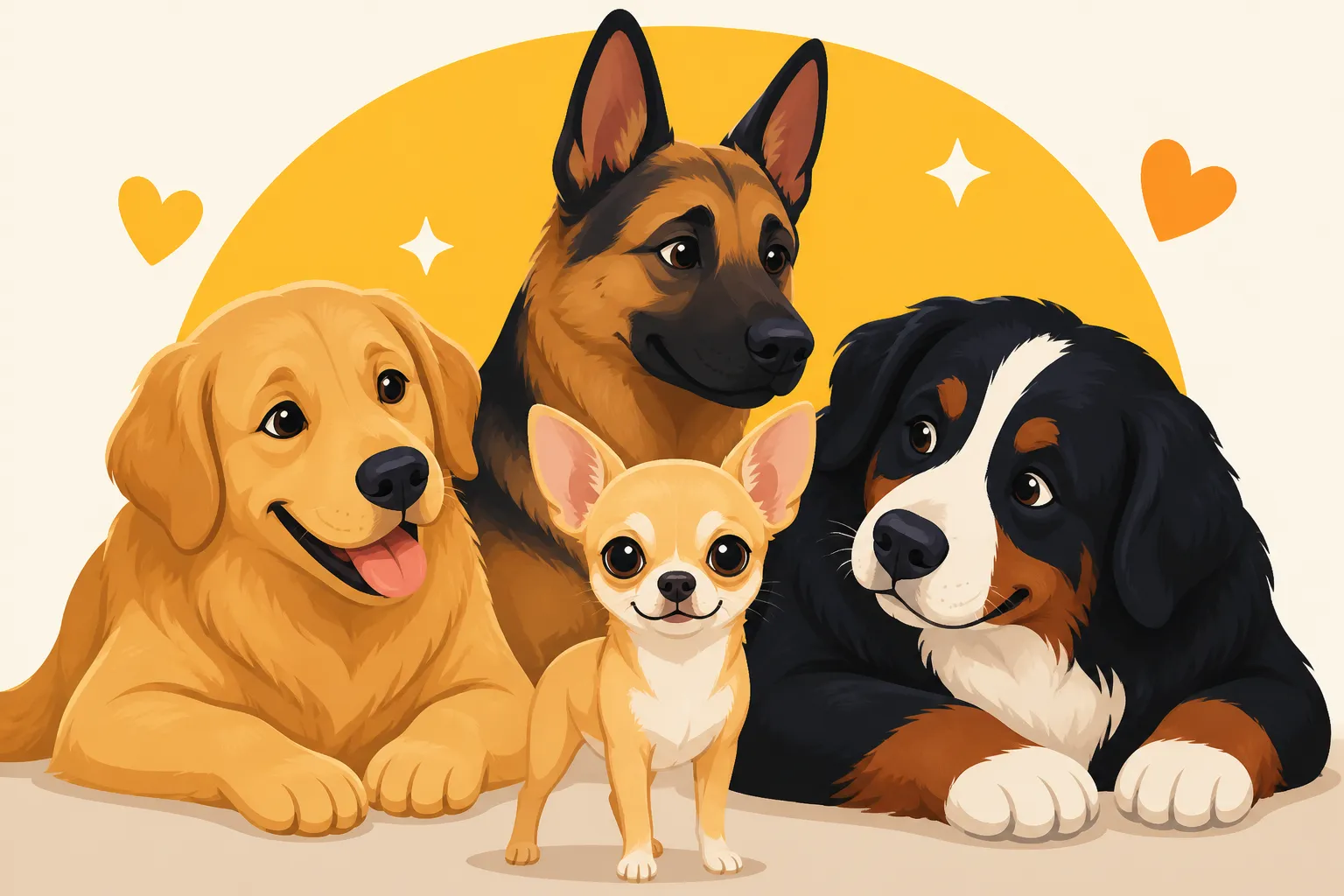
Bringing a tiny Chihuahua into a home that already has larger dogs, or vice-versa, can feel like navigating a minefield. You adore both ends of the canine size spectrum, but the sheer difference can spark worries about safety, fair treatment, and whether everyone will truly get along. This guide is here to walk you through the practical considerations, proactive steps, and training insights needed to create a safe, happy, and harmonious multi-dog household where Chihuahuas and bigger dogs thrive together.
Understanding the Size Disparity: More Than Just Aesthetics
It's easy to look at a Chihuahua beside a Labrador and just see "big" and "small," but the implications of that size difference go far beyond visual appeal. It fundamentally changes how they perceive the world, interact, and how we, as their human companions, need to manage their environment. Ignoring this disparity is not just naive; it can be genuinely dangerous for your little one.
The Physical Vulnerabilities of a Chihuahua
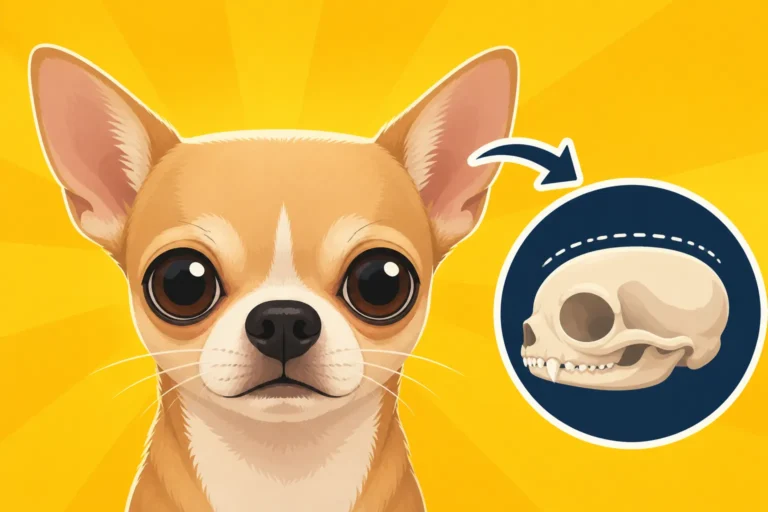
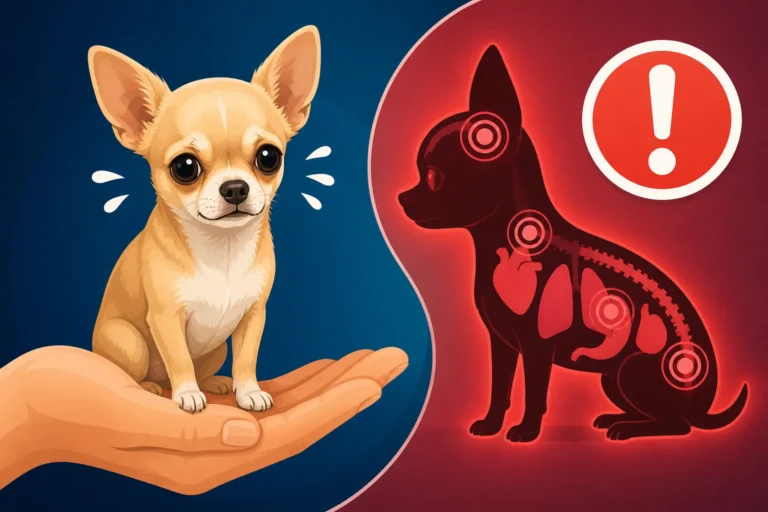
Let's be brutally honest: a Chihuahua is incredibly delicate, especially compared to a larger, more robust dog. Their bones are tiny, their skulls can have a soft spot (molera) that may never fully close, and their windpipes are notoriously fragile. Even a well-meaning bump or an accidental paw placement from a dog ten times their weight can result in a serious, life-threatening injury. We're talking about potential fractures, internal damage, or even a collapsed trachea – a terrifying reality for many Chihuahua owners. Collapsing Trachea and the Chihuahua Honking Cough is a serious concern for a breed so small, and any unexpected pressure can exacerbate it.
Beyond the obvious impact injuries, there's also the sheer force of a larger dog's movements. A playful gallop indoors, a sudden leap off the couch, or even just turning quickly can send a Chihuahua tumbling. This isn't about blaming the larger dog; it's about acknowledging the inherent physical mismatch. Their small size also makes them more susceptible to temperature changes, so ensuring their safe spaces are warm and draft-free is crucial, especially if they are retreating from boisterous play. Why a Chihuahua Shivers Indoors can often be due to cold, but also stress in a busy home.
How a Size Difference Impacts Play and Interaction
When you have a toy breed and a giant breed, their natural play styles rarely align. A big dog's idea of fun might involve body slams, chasing, or boisterous wrestling – actions that could easily crush or severely injure a Chihuahua. Imagine a Border Collie's joyful herding instinct directed at a Chihuahua; what's fun for one could be terrifying and dangerous for the other.
This isn't to say they can't play, but it means how they play must be heavily moderated and supervised by you. Unchecked, the larger dog might not even realize the harm it's causing, mistaking the Chihuahua's yelp for part of the game. For the Chihuahua, constant overwhelming play from a larger dog can lead to chronic stress, fear, and even reactivity, where they feel they must defensively snap or bark to protect themselves. This can sometimes lead to what many people mistakenly label as "small dog syndrome," but it's often a learned behavior from feeling vulnerable. Why Small Dog Syndrome Means for a Chihuahua is rarely genetic and often stems from their environment.
Setting Up for Success: Creating a Harmonious Multi-Dog Home
Creating a safe and happy environment for dogs of wildly different sizes requires intentional planning and consistent management. You can't just hope for the best; you need to actively engineer success and safety. It's about proactive measures that build trust and prevent potential accidents before they happen.
Gradual Introductions and Supervised Interactions
If you're introducing a new dog to an existing household, especially one with a significant size difference, gradual and controlled introductions are paramount. Don't just throw them together and expect them to figure it out. Start with parallel walks on neutral territory, allowing them to sniff the same environment without direct, overwhelming contact. Then, move to sight and smell through baby gates or crates, slowly increasing exposure.
Every interaction, particularly in the early days, must be supervised. This isn't just about watching for aggression; it's about observing body language, managing excitement levels, and ensuring that play remains appropriate for both dogs. If the larger dog gets too boisterous, or the Chihuahua shows signs of stress, step in immediately. Short, positive interactions are far better than long, stressful ones. Learning to Introduce a Chihuahua to Bigger Dogs Safely is a skill every multi-dog owner needs.
Creating Safe Spaces and Boundaries for Your Chihuahua
Your Chihuahua needs a sanctuary, a place where they can retreat and be completely safe from the larger dogs, even when you're not actively supervising. This might be a cozy crate in a quiet corner, a dog bed tucked under an end table, or a raised dog bed that larger dogs can't easily access. Consider setting up "Chihuahua-only" zones using baby gates that have a small pet door, or by placing gates strategically where your larger dog can't fit underneath or jump over.
These safe spaces are crucial not just for physical safety but for mental well-being. Knowing they have an escape route or a quiet den helps reduce stress and build confidence. Chihuahua Crate Size and Setup should be chosen carefully to ensure they have enough room but still feel secure. Stock these areas with their favorite toys, a comfortable blanket, and fresh water. Think of it as their private apartment where they can relax without worrying about being stepped on or startled.
Management Strategies to Prevent Accidents
Preventing accidents in a multi-dog home with vastly different sizes comes down to smart management. This means using physical barriers like baby gates to separate them when you can't actively supervise. For instance, if you're cooking dinner, have the Chihuahua in their safe zone or on the other side of a gate with a puzzle toy, while the larger dogs are in another room. When you leave the house, they should always be separated – either crated individually or kept in different rooms with secure gates.
Another key strategy is leash control, even inside the house, during training or when guests are over. A leash on the larger dog can give you immediate control if they get too excited around the Chihuahua. Always consider a sturdy, well-fitting harness for your Chihuahua, rather than just a collar, as it protects their delicate neck and trachea during walks or if they need to be gently guided. Chewy, for example, offers a great selection of harnesses specifically designed for tiny breeds, focusing on comfort and safety around the neck and throat area. Harnesses That Spare a Chihuahua Windpipe are essential.
| Situation | Chihuahua Management | Larger Dog Management |
|---|---|---|
| Unsupervised time | Crates, gated safe zones | Crates, separate rooms, gated areas |
| Initial introductions | Leashed, held, or in a secure carrier | Leashed, calm, and rewarded for neutrality |
| Playtime | Highly supervised, short bursts, "break" cues | Taught gentle play, "leave it" for Chihuahua |
| Mealtimes | Separate rooms, crates | Separate rooms, crates |
| High excitement (visitors) | Secure in safe zone | Leashed, managed calmly away from Chihuahua |
Training and Socialization: Bridging the Size Gap
Training is not optional in a multi-dog household, especially when dealing with a Chihuahua and larger dogs. It's the language that allows them to coexist peacefully and understand boundaries, not just from you, but from each other.
Teaching Impulse Control to Larger Dogs
The most critical training for larger dogs in this scenario is impulse control. They need to learn to be gentle, to respect personal space, and to understand that the little dog is not a toy. Commands like "leave it," "stay," "off," and "gentle" become invaluable. Practice these commands frequently, rewarding calm behavior and gentle interactions around the Chihuahua.
It's about teaching your bigger dog to dial down their energy when the Chihuahua is present. For instance, if your larger dog tends to charge through doorways, train them to sit and wait, allowing the Chihuahua to pass first. Use high-value treats to reinforce this calm behavior. A robust "place" command is also incredibly helpful, allowing you to send your larger dog to a specific spot to relax when things get too boisterous.
Building Confidence in Your Chihuahua Around Big Dogs
While safety management is key, you also want your Chihuahua to feel confident, not constantly fearful. This means positive reinforcement for calm interactions. Reward your Chihuahua with tiny, high-value treats when they are relaxed in the presence of the larger dog. Avoid coddling or constantly picking them up, as this can inadvertently teach them that the bigger dogs are something to be feared. Instead, let them choose to interact or retreat, always ensuring their safe space is accessible.
Structured obedience training, just like you would for a big dog, is vital. Teaching your Chihuahua commands like "come," "sit," and "stay" builds their confidence and gives them a sense of control. This also allows you to quickly recall them if a situation becomes uncomfortable. The Commands Every Chihuahua Should Know are just as important for a toy breed as for any other dog. This proactive training empowers them rather than making them feel perpetually vulnerable.
The Importance of Structured Play
Free-for-all play between a tiny Chihuahua and a large dog is rarely a good idea. Instead, focus on structured, supervised play sessions. This might involve you actively mediating with toys, keeping a long line on the larger dog, or engaging them in separate but parallel play. For instance, you could play fetch with the larger dog on one side of a room while the Chihuahua happily chews on a favorite toy in their safe zone or a separate pen.
When direct interaction is allowed, use puzzle toys or gentle sniffing games that encourage calm, non-physical engagement. Focus on games that don't involve a lot of roughhousing or high-speed chasing. For example, a game of "find the treat" where treats are hidden for both dogs can be a great way for them to coexist peacefully, focusing on a shared, calm activity. If you're looking for appropriate toys for both sizes, online retailers like Chewy provide vast options, from durable chew toys for larger breeds to tiny, soft puzzle toys perfect for Chihuahuas. Remember, Chihuahua Play With Dogs Its Own Size is often safer and more natural for them, so consider playdates with other toy breeds too.
Daily Life Considerations: Food, Fun, and Vet Visits
Integrating dogs of different sizes into your daily routine requires attention to detail, from their bowls to their beds and everything in between. Overlooking these seemingly small aspects can lead to big problems.
Separate Feeding and Toy Management
Feeding time can be a high-stress event in any multi-dog household, but especially with a significant size difference. The larger dog might accidentally gobble up the Chihuahua's food, or worse, see it as a resource to guard. To avoid this, always feed your dogs in separate, secure locations. This could mean different rooms, crates, or behind closed doors. Make sure the Chihuahua's food is placed where the larger dog cannot reach it, perhaps on a raised surface or in their private den. This also ensures your Chihuahua gets the right amount of their specific small-breed food, which is often crucial for their tiny digestive systems and energy needs.
Toy management is equally important. High-value chews or favorite toys can easily become a source of conflict. Ensure each dog has their own set of toys, and be present during chew time. If a larger dog has a bone, make sure the Chihuahua has their own, equally appealing chew, and ideally, they are enjoying them in separate areas. Supervise or put away toys when you leave them alone. Chihuahua Food and Toy Guarding can quickly develop if they constantly feel their resources are threatened by a larger companion.
Exercise and Play Tailored for Both Sizes
While both dogs need exercise, their requirements and safe forms of activity will differ greatly. A long, strenuous hike that delights a Husky could exhaust and potentially injure a Chihuahua. You'll likely need to provide separate exercise outlets. The larger dog might enjoy a vigorous run or a longer walk, while your Chihuahua might be perfectly happy with a brisk 20-minute walk, followed by some indoor fetch or puzzle toy engagement. Chihuahua Exercise Needs Every Day are manageable, but different.
When they do exercise together, it needs to be carefully managed. A fenced yard can be a great space, but you must constantly supervise to prevent over-excitement from the larger dog. Games like "follow the leader" where you guide both dogs calmly on leashes can work, or engaging them in parallel activities where they are physically separated but enjoying the same environment. Focus on mental stimulation for both dogs when they are together, such as scent games or basic obedience drills, which are less likely to lead to accidental roughhousing.
Veterinary Care and Injury Prevention
Regular veterinary check-ups are always important, but with dogs of vastly different sizes, injury prevention becomes a critical component of their care. Be incredibly vigilant for any signs of lameness, limping, or discomfort in your Chihuahua, as even minor injuries can escalate quickly. Keep emergency vet contact information handy. If you notice a change in your Chihuahua's gait, a sudden reluctance to jump, or any unusual yelp, it could indicate an injury from an accidental interaction. The Skipping Gait That Signals a Chihuahua Knee is often a sign of patellar luxation, which can be exacerbated by trauma or rough play.
Consider enrolling your Chihuahua in pet insurance early, before any incidents occur, as coverage for accidental injuries can be invaluable. Discuss any specific concerns with your vet, particularly regarding their bone health or any pre-existing conditions that could make them more vulnerable. Ensure their nails are kept trimmed (Chewy also stocks excellent small-breed nail clippers!) to prevent snagging or discomfort that could affect their balance and potentially lead to falls during interactions.
Overcoming Common Challenges and Misconceptions
Despite your best efforts, challenges can arise. It's important to understand the underlying issues and know how to address them rather than simply getting frustrated.
Addressing Fear and Resource Guarding
If your Chihuahua exhibits fear-based behaviors like constant trembling, hiding, or aggressive snapping at the larger dogs, it's a clear signal that they feel unsafe. This isn't "being a brat"; it's a survival mechanism. You need to reassess your management strategies to increase their sense of security. This might mean more separation, more supervision, and building their confidence through positive experiences only. Avoid forcing interactions. Instead, set up situations where the Chihuahua can calmly observe the larger dog from a safe distance, rewarding their relaxed behavior.
Resource guarding, where a dog becomes possessive over food, toys, or even a person, can happen in any multi-dog home. With a size disparity, it's particularly dangerous. If your larger dog is guarding resources from the Chihuahua, immediate intervention and training are needed. Teach "trade" for toys and ensure separate feeding areas are strictly enforced. If your Chihuahua is guarding you, try to minimize situations where they feel the need to, such as allowing the larger dog to approach you calmly while the Chihuahua is also present, and rewarding both for peaceful coexistence. Professional help from a certified dog trainer specializing in multi-dog households might be beneficial for persistent guarding issues.
Recognizing Stress Signals in Both Dogs
Learning to read your dogs' body language is perhaps the most crucial skill for a multi-dog owner. This goes beyond obvious growling or snapping. Look for subtle signs of stress:
- Chihuahua: Lip licking, yawning (when not tired), averted gaze, tucked tail, flattened ears, trembling, trying to hide or get away, rapid panting, or freezing. A "whale eye" where the whites of their eyes are visible can indicate extreme discomfort. Reading a Chihuahua's Whale Eye is a key skill for preventing escalation.
- Larger Dog: Stiff body, hard stare, lip licking, yawning, excessive sniffing of the ground, turning head away, or a sudden cessation of movement.
If you see these signals, it's your cue to intervene and de-escalate the situation before it becomes a problem. Separate the dogs, give them a break, and reassess what caused the stress. Understanding these signals allows you to prevent conflicts and ensure that interactions remain positive and safe for both your tiny companion and their larger friends.
Disclaimer
This article is for general informational purposes only and does not constitute professional advice. Laws, prices and regulations vary by location and change over time. Consult a qualified professional for guidance on your specific situation.