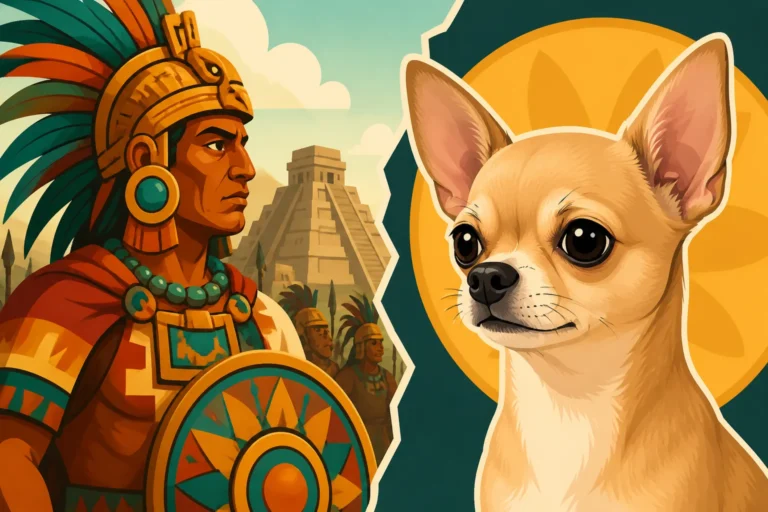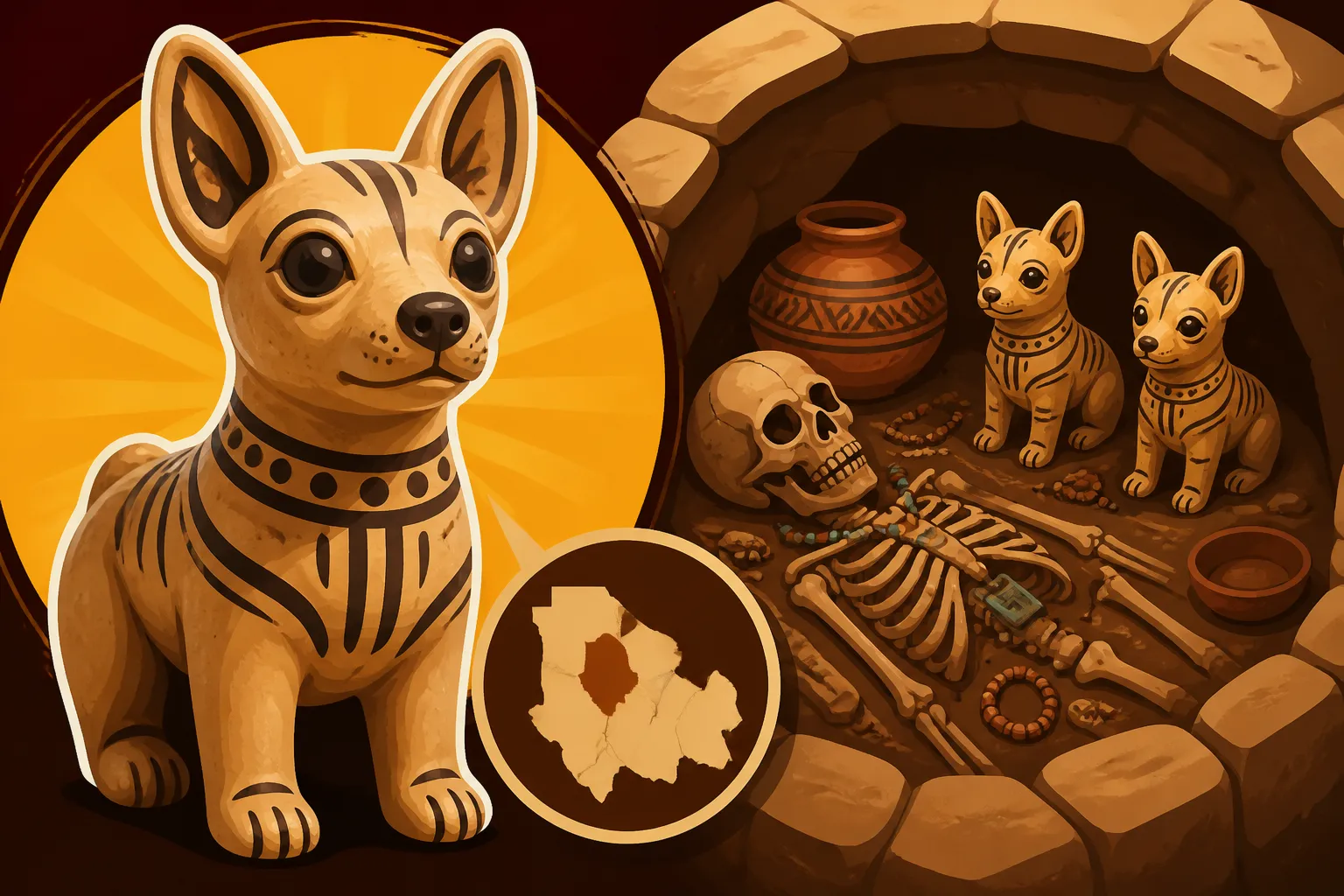
Techichi Figures Found in Mexican Tombs
It's absolutely fascinating to think that our tiny Chihuahuas, with their big personalities and even bigger ears, have roots stretching back thousands of years. But for many Chihuahua lovers, the exact origins can feel a bit shrouded in mystery, leading to questions about their ancient past. This guide is going to take a deep dive into the archaeological evidence that connects our modern Chihuahuas to the ancient Techichi dogs of Mexico, exploring what these discoveries mean for the breed's incredible history.
Unearthing the Past: The Discovery of Techichi Figures
When we talk about the ancient history of the Chihuahua, we're really talking about the Techichi. This ancestor is often referenced in breed histories, but it's the physical evidence, unearthed from centuries-old sites, that truly brings their story to life. Archaeologists have, over many years, excavated various artifacts that depict small dogs, providing tangible links to the distant past. These findings aren't just random curiosities; they are deliberate carvings and effigies left behind by advanced civilizations, each one a whisper from history.
Where the Figures Were Found
The most compelling evidence for the Techichi comes from archaeological sites across what is now Mexico, particularly in regions once inhabited by the Toltec and Aztec civilizations. Imagine archeologists carefully brushing away layers of earth, not knowing what treasures lay beneath, only to uncover detailed sculptures of small dogs. These discoveries often occur within ceremonial sites, temples, and, most notably, tombs. The presence of these dog figures in burial sites suggests a profound spiritual or symbolic importance. They weren't just discarded everyday objects; they were placed with intent, sometimes accompanying the deceased, perhaps to guide them in the afterlife. Techichi Figures Found in Mexican Tombs is not just a poetic idea, but a factual account of their discovery. It tells us that these animals were held in high regard, deemed worthy of resting alongside their human companions, a tradition that speaks volumes about their perceived value in those ancient societies.
These ancient sites, often dating back over a thousand years, reveal that these dogs were part of the very fabric of daily and spiritual life. From large urban centers like Teotihuacan, which predates the Toltecs, to later Aztec settlements, the imagery of small dogs is consistent enough to form a clear picture. It's not just one isolated finding, but a pattern across different eras and cultures in the region, which strengthens the argument for a native, enduring small dog type.
Description of the Figures
So, what do these ancient Techichi figures actually look like? They vary in size and material, but a common thread runs through them. Many are small, squat statues, often made of clay, stone, or pottery. They depict dogs with round heads, large eyes, and often prominent ears – traits that immediately strike a modern Chihuahua owner as familiar. While they might not be identical to the sleek Chihuahuas we know today, the general conformation is unmistakably that of a small, compact canine. Some figures show dogs with slightly more robust bodies than the delicate frame of a contemporary Chihuahua, suggesting a slightly heavier build. How the Techichi Differed From Today's Chihuahua is a nuanced topic because while similarities exist, evolution and selective breeding over centuries have undoubtedly refined the breed we recognize.
The artistic style of these figures can range from remarkably detailed and lifelike to more stylized and abstract representations. Some are simple effigies, while others are ornate, suggesting they were not merely decorative but held significant cultural or religious meaning. These depictions offer a window into how these ancient people viewed their small dogs: as companions, spiritual guides, or perhaps even sacred animals. The craftsmanship involved often points to the figures being items of value, not just casual carvings. The presence of these carefully crafted figures is a strong testament to the long and rich history of small dogs in Mexico.
Decoding Ancient Culture: What the Figures Tell Us About the Techichi
The existence of these Techichi figures isn't just about identifying a physical ancestor; it's about understanding the deep cultural significance these small dogs held for the people who created them. These aren't just dog statues; they're historical documents carved in clay and stone, offering clues to ancient beliefs and practices. They highlight a relationship between humans and dogs that goes far beyond simple companionship, touching on spiritual beliefs, social status, and even the cycle of life and death.
The Role of Dogs in Ancient Societies
In many ancient Mesoamerican cultures, dogs played a multifaceted and crucial role. They weren't merely pets; they were seen as companions, protectors, and spiritual guides. The placement of Techichi figures in tombs, for example, strongly suggests a belief that these dogs would accompany their human companions into the afterlife, guiding them through the underworld or serving as loyal escorts. This belief underscores a profound spiritual connection. Imagine feeling such a deep bond with your dog that you wanted them by your side even after death! What the Toltecs Believed About Their Dogs goes further into this spiritual connection, often revealing stories and myths about dogs as sacred beings or even deities.
Beyond the spiritual realm, dogs were also practical members of the household. They might have been used for hunting small game, for warmth, or even as a food source during times of scarcity, though their sacred status often meant they were reserved for special occasions or rituals. The small size of the Techichi might have made them particularly suitable for living within human settlements, thriving on scraps and providing alarm warnings. This blend of practical utility and spiritual importance elevated their status far above that of mere animals. It paints a picture of a society where dogs were integrated into every aspect of life, from the mundane to the sacred.
Similarities to the Modern Chihuahua
Looking at the ancient Techichi figures, many Chihuahua enthusiasts are struck by the undeniable resemblances to our modern dogs. While not exact replicas, the fundamental characteristics are often present: a compact body, a relatively short muzzle, and those distinctly large, erect ears and expressive eyes. The "apple head" skull, a hallmark of many Chihuahuas today, also seems to be depicted in some of the ancient carvings, suggesting this cranial feature is not a modern development but an ancient trait. The Chihuahua From Techichi to American Lapdog traces this incredible journey through time, demonstrating how those ancient features persisted.
However, it's also important to note the differences. The Techichi, as depicted, often appears a bit sturdier, perhaps less refined in their build than the delicate, fine-boned Chihuahuas we cherish. The focus in ancient times was likely on utility and cultural significance, rather than the specific aesthetic standards of modern dog shows. Nevertheless, the continuous line of small, companionable dogs in the region is evident. These figures provide a visual bridge across millennia, allowing us to see echoes of our own beloved companions in the artwork of civilizations long past. When you cradle your tiny friend, consider that their ancestors were revered in a similar fashion by people who lived centuries ago.
Bridging the Centuries: From Ancient Techichi to Modern Chihuahua
One of the most compelling aspects of the Chihuahua's history is the immense span of time between the ancient Techichi figures and the emergence of the modern breed we know today. It's a journey filled with gaps and theories, a true historical puzzle that modern science and careful historical analysis are continually trying to solve. The question isn't just if they're related, but how that lineage was maintained through centuries of societal upheaval and change.
The "Missing Link" Debate
Despite the clear archaeological evidence of small dogs in ancient Mexico, there’s a significant historical gap between the decline of the Aztec Empire and the re-emergence of dogs recognizably similar to Chihuahuas in the 19th century. This period, spanning several hundred years after the Spanish conquest, saw massive changes in the region, and detailed records of dog breeding or existence are scarce. This has led to what's often called the "missing link" debate: how did the Techichi survive and eventually evolve into the modern Chihuahua? Some theories suggest they retreated to remote villages, living wild or with indigenous populations, hidden from colonial record-keeping. They might have interbred with European small dogs introduced by the Spanish, or perhaps maintained a pure lineage in isolated pockets.
It's a testament to their resilience, or perhaps the deep cultural value placed upon them, that they weren't entirely lost to history. Without detailed records, we rely on inferences and circumstantial evidence. Imagine a small, intelligent dog, resourceful enough to survive through centuries of change, adapting to new environments and circumstances. This period of quiet endurance is a fascinating part of their story, even if much of it remains unwritten. The fact that they re-emerged so distinctly speaks volumes about their inherent traits and the environment that fostered their survival.
Genetic Connections and Modern Research
In recent decades, scientific advancements, particularly in canine genetics, have begun to shed more light on the Chihuahua's ancestry, helping to fill some of those historical gaps. DNA studies comparing modern dog breeds have provided compelling evidence linking Chihuahuas to ancient dog lineages in the Americas. These studies often suggest a close genetic relationship between Chihuahuas and ancient dog remains found in Mexico, supporting the idea of a continuous lineage originating from the Techichi. This modern scientific approach complements the archaeological findings, creating a more robust picture of the breed's origins. For instance, some research has indicated that Chihuahuas carry unique genetic markers that are distinct from European dog breeds, reinforcing their indigenous American roots. DNA Studies on Chihuahua Origins delves deeper into these fascinating scientific findings, showing how geneticists are working to unravel the mysteries of our furry friends' past.
While DNA doesn't tell us everything about behavior or appearance from ancient times, it provides an invaluable tool for tracing ancestry and confirming long-held theories about the Techichi. These studies help to confirm that the small dogs depicted in ancient Mexican art aren't just a distant, unrelated species, but are indeed the direct ancestors of the Chihuahuas we share our homes with today. It's truly incredible how science can bridge the gap between ancient carvings and the tiny, warm body curled up next to you on the sofa, perhaps with a favorite chew toy ordered from Chewy.
The Lasting Legacy: Chihuahua's Enduring Connection to Mexican Heritage
The Techichi figures found in Mexican tombs aren't just relics of a bygone era; they represent a powerful, continuous link between the ancient world and our modern Chihuahuas. This heritage isn't just academic; it imbues the breed with a depth and richness that goes beyond their small size and spirited personality. Understanding this connection allows us to appreciate them not just as pets, but as living pieces of history, carrying the legacy of ancient civilizations in their very DNA.
Cultural Significance Beyond the Tombs
The cultural impact of the Techichi wasn't limited to burial rituals. Throughout ancient Mesoamerican societies, small dogs like the Techichi were often woven into folklore, myths, and daily life in various ways. They were seen as protectors, companions, and sometimes even had roles in religious ceremonies. This extensive cultural presence is why archaeologists find their images not only in tombs but also on pottery, frescoes, and as small decorative objects in homes. This widespread representation speaks to a society that deeply valued and integrated these animals into their worldview. Even The Chihuahua Ancestor Carved in 300 BC shows how early and deeply rooted this connection was.
This deep-seated reverence for small dogs can still be subtly felt in Mexico today, where Chihuahuas are often seen as national treasures. Their image is iconic, and their presence is ubiquitous, from bustling city streets to quiet homes. This cultural thread, unbroken by centuries, highlights how certain animals can become intrinsically linked to a nation's identity and heritage. It's a far cry from just being a trendy pet; it's about a dog that has endured and thrived, carrying its history with pride.
Preserving History in the Breed
For Chihuahua owners and enthusiasts today, understanding the Techichi connection isn't just a neat historical fact; it's a way to deepen our appreciation and responsibility towards the breed. It reminds us that our Chihuahuas are not simply fashion accessories but are descendants of resilient, culturally significant dogs. This knowledge encourages us to honor their lineage by providing them with the best possible care, understanding their unique needs, and advocating for their well-being. From ensuring they have proper nutrition – perhaps with carefully selected food from Chewy that honors their small, efficient digestive systems – to providing appropriate exercise, their care becomes a continuation of a historical tradition.
The "apple head" skull, often linked to the breed standard, also holds a historical resonance, echoing the distinctive head shape seen in many ancient Techichi figures. Even the breed's incredible longevity, allowing many Chihuahuas to reach Chihuahua Lifespan and Why the Breed Reaches Sixteen, could be a testament to the hardiness and selective pressures that allowed their ancestors to survive for millennia. By acknowledging and respecting this ancient heritage, we not only pay homage to the Techichi but also contribute to the ongoing health and preservation of the Chihuahua breed for future generations. It's about recognizing that in every bark, every snuggle, and every curious sniff, there's a whisper of ancient Mexico, a legacy spanning thousands of years, living right there in our homes.
Here's a quick look at the journey from ancient figures to modern companion:
| Feature | Ancient Techichi (from figures) | Modern Chihuahua | Historical Implication |
|---|---|---|---|
| Head Shape | Often round, "apple-like" | Distinct apple-head standard | Trait maintained, possibly emphasized through breeding |
| Body Build | More robust, sturdy | Delicate, compact frame | Refined through centuries, possibly selective breeding |
| Ears | Large, erect | Large, erect | Consistent, characteristic trait for small size |
| Eyes | Prominent, expressive | Large, expressive | Maintained, contributes to "alert" expression |
| Role | Spiritual guide, companion, food | Companion animal | Shift in primary role, companionship endures |
| Significance | Deep cultural & spiritual | Beloved pet, cultural icon | Enduring appeal and connection to Mexican heritage |
| Genetic Link | Presumed ancestor | Confirmed via DNA | Direct lineage established through scientific study |
Disclaimer
This article is for general informational purposes only and does not constitute professional advice. Laws, prices and regulations vary by location and change over time. Consult a qualified professional for guidance on your specific situation.