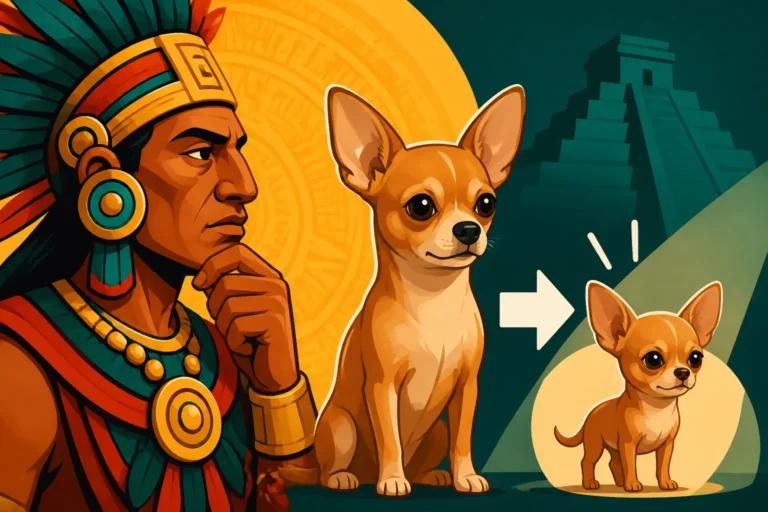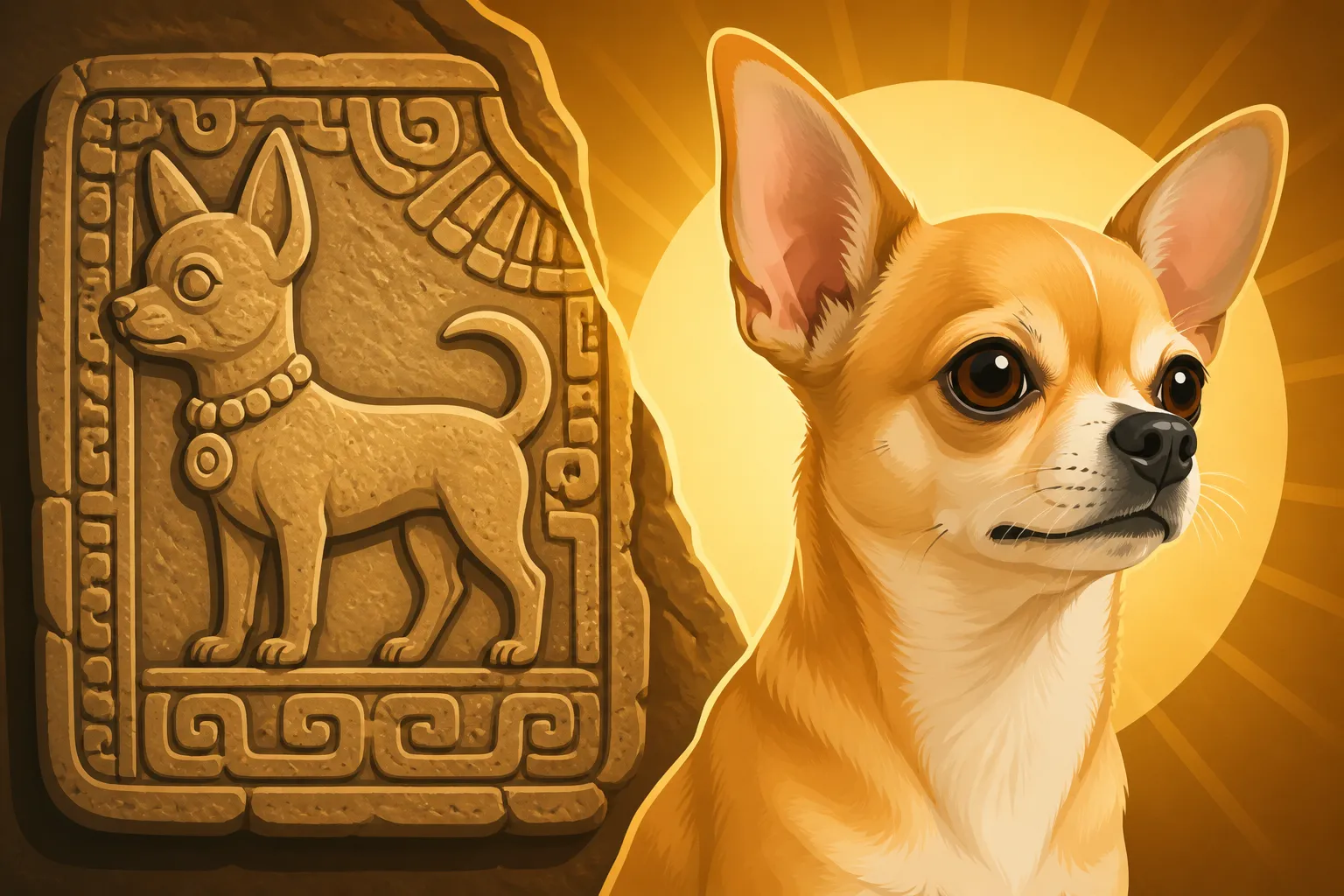
The Chihuahua Ancestor Carved in 300 BC
It's easy to look at a tiny Chihuahua today, perhaps curled up on a velvet cushion or sporting a designer sweater, and think of them as a purely modern phenomenon. But the truth is, this sassy little breed has a history stretching back far further than most people realize, rooted deeply in ancient Mesoamerican cultures. We're talking about a lineage so old, its earliest forms were being immortalized in stone carvings even before the birth of Christ. This guide will take you on a journey to uncover the fascinating, often mysterious, past of the Chihuahua, focusing on its ancient ancestor, the Techichi, and what those enduring carvings from 300 BC tell us about a breed that has truly stood the test of time.
Tracing the Chihuahua's Ancient Roots: The Techichi
When we talk about the earliest ancestors of the Chihuahua, we're really talking about the Techichi. This isn't just a vague legend; archaeologists and historians have found compelling evidence that points to a small, dog-like creature existing in Central and South America for centuries. These were not the Chihuahuas we know today, but rather their foundational lineage, the primordial canine stock from which our modern companions eventually emerged.
The Enigmatic Techichi: Early Evidence and Appearances
The most concrete evidence we have for the Techichi comes in the form of ancient artifacts. Imagine artisans, perhaps Toltec or Mayan, carefully shaping clay or carving stone, their subjects often reflecting the daily life and spiritual beliefs of their time. Among these depictions, small dogs consistently appear. These aren't just crude sketches; they're detailed representations that give us a glimpse into their physical form and apparent significance. Many of these figures date back as far as 300 BC, placing the Techichi firmly in an ancient context. How Old the Techichi Line Actually Is is a question that these findings constantly push further back in time.
These early representations often show a slightly stockier dog than today's slender Chihuahua, with less exaggerated features. The skulls might not have the pronounced "apple head" dome we often see, and their muzzles could be a bit longer. They appear to be sturdy, compact little dogs, perfectly suited to the warm climates of ancient Mexico. What's truly remarkable is the consistency of these depictions across different archaeological sites and time periods, suggesting that this small canine was a well-known and integrated part of ancient societies, not just an anomaly.
Separating Fact from Legend in Ancient Mesoamerica
Like many ancient cultures, the civilizations of Mesoamerica intertwined their daily lives with rich mythologies and spiritual beliefs. The Techichi often feature in these narratives, blurring the lines between historical fact and cultural legend. Some stories suggest they were guides for the dead, helping souls navigate the afterlife, while others speak of their use in various rituals. It's crucial, however, to differentiate between these spiritual interpretations and the tangible archaeological evidence.
While the legends add a beautiful layer to the Techichi's story, it's the physical carvings and remnants that provide the scientific basis for their existence. Researchers meticulously examine these artifacts, looking for common threads in their appearance, geographical distribution, and associated cultural contexts. By doing so, they can piece together a more accurate picture of the Techichi's role in society, moving beyond pure folklore to understand their biological reality. The discovery of Techichi Figures Found in Mexican Tombs further solidifies their presence and importance.
The Toltec Connection: More Than Just Companion Animals
As various civilizations rose and fell in Mesoamerica, the Techichi remained a consistent presence. The Toltec civilization, flourishing roughly between the 10th and 12th centuries AD, is particularly associated with these small dogs, building upon earlier traditions and further integrating them into their complex society.
Sacred Roles and Spiritual Significance
For the Toltec people, dogs, and specifically the Techichi, held significant spiritual meaning. They weren't merely pets; they were believed to possess unique connections to the divine and the underworld. In Toltec cosmology, the journey through the afterlife was perilous, and dogs were often seen as companions and protectors for human souls on this journey. This belief system led to the practice of burying Techichi alongside their human companions, a poignant testament to their revered status. What the Toltecs Believed About Their Dogs goes deeper into this fascinating aspect of their culture.
These spiritual duties meant the Techichi was treated with respect, perhaps even veneration. The carvings we find often show them in dignified poses, sometimes adorned or depicted in ways that suggest their sacred nature. It's a stark contrast to how some modern cultures might view small dogs, highlighting a profound difference in cultural perspective. This sacred connection ensured their care and propagation within the society.
Beyond the Spiritual: Practical Uses of the Techichi
While their spiritual significance is undeniable, it's important to remember that ancient societies were pragmatic. The Techichi likely served practical purposes beyond the ceremonial. Their small size would have made them efficient companions, easy to feed and house, especially in a time before the abundance of readily available pet food we see today on platforms like Chewy. They might have been kept for warmth, much like a tiny, living hot water bottle, or simply for companionship in a harsh world.
It's also theorized that they played a role in rodent control within settlements and agricultural areas. A small, agile dog with a keen sense of hearing and smell would have been invaluable in protecting food stores from pests. Their presence would have offered a sense of security, deterring smaller predators or alerting their human families to approaching dangers, however minor. What the Toltecs Kept the Chihuahua's Ancestor For explores these multi-faceted roles in greater detail.
Artistic Depictions: What the Carvings Reveal
The ancient carvings are our primary visual windows into the world of the Techichi. These artistic representations are not just decorative; they are historical records, offering invaluable clues about the physical characteristics and cultural standing of these ancient dogs.
Interpreting Ancient Art: Features and Form
When we examine the carvings from 300 BC, we see common themes. The dogs are almost always small, compact, and alert. Their ears are typically upright, much like many modern Chihuahuas, though perhaps a bit rounder at the tips. Their tails are often shown curled over their backs or held high, a trait still seen in the breed today. The overall impression is one of vivacity and intelligence. It's fascinating to consider how these ancient artists, using rudimentary tools, managed to capture the essence of these dogs with such precision.
These early depictions rarely show the extreme "apple head" or widely set eyes that became more prevalent in later Chihuahua breeding. Instead, the skulls appear more proportionate to their bodies, with distinct but not overly prominent foreheads. This suggests a more moderate head type than what became the hallmark of the purebred Chihuahua centuries later. These artistic records help us understand How the Techichi Differed From Today's Chihuahua in crucial ways, offering a baseline for evolutionary changes.
Uncovering the Techichi's Physical Traits from Stone
Beyond general appearance, the carvings offer clues about specific physical attributes. For example, the depiction of upright ears suggests a genetic predisposition for this trait long before selective breeding for modern show standards. The body shape, often portrayed as somewhat elongated but sturdy, indicates a dog built for function and resilience rather than fragile delicacy. It's a far cry from the modern "teacup" fascination, hinting at a more robust ancestor.
While the carvings don't provide details on coat length or color, they confirm the fundamental "small dog" typology. They show a breed that was consistently diminutive, a trait that has been carried through thousands of years to our present-day Chihuahuas. These physical details, frozen in stone, are critical for anthropologists and canine geneticists trying to reconstruct the evolutionary path of the breed.
The Aztec Influence: A Shifting Legacy
As the Toltec civilization waned, the Aztec empire rose to prominence, absorbing and adapting many cultural elements from its predecessors. The Techichi, resilient as ever, continued its journey through this new cultural landscape, though its role may have evolved.
Aztec Adaptations and the Techichi's Evolving Role
The Aztecs, like the Toltecs before them, held dogs in high regard, especially the Techichi. However, their empire was vast and complex, and the uses for these small canines might have expanded or shifted. While still revered spiritually and possibly used as guides for the dead, there is also evidence that the Techichi were kept in large numbers, sometimes even serving as a food source during times of scarcity. This dual role—both sacred and utilitarian—speaks to their pervasive presence in Aztec life. How the Aztecs Shrank the Chihuahua's Ancestor suggests a period of deliberate breeding, perhaps to achieve a smaller size for various purposes.
The Aztecs were known for their sophisticated agricultural and social structures, and small dogs like the Techichi would have fit seamlessly into their urban centers and family units. Their ability to thrive on minimal resources and adapt to different environments made them invaluable. They were undoubtedly close companions, sharing living spaces and daily routines with their human families, providing comfort and a sense of connection. The sheer volume of dog-related artifacts from this period underscores their importance.
The Spanish Arrival and Its Impact on Native Breeds
The arrival of the Spanish conquistadors in the 16th century marked a cataclysmic turning point for all indigenous cultures and their animals, including the Techichi. The Spanish brought their own dogs, diseases, and a worldview that often clashed violently with existing traditions. Many native breeds, not just the Techichi, faced severe threats to their existence. What the Spanish Conquest Did to the Chihuahua was a period of immense challenge and transformation.
Records suggest that the native dogs were sometimes viewed with suspicion by the conquistadors, or even actively eradicated. However, the Techichi's small size and endearing nature may have paradoxically contributed to its survival. Some might have been overlooked, others adopted by Spanish settlers, and still others retreated with indigenous populations to more remote areas, preserving their lineage. It's a testament to the hardiness of this ancient line that it persisted through such turbulent times, eventually re-emerging centuries later.
The Transition to Modern Chihuahuas: Bridging the Centuries
After the Spanish conquest, the Techichi largely faded from documented history for several centuries, becoming a creature of local folklore and isolated populations. It wasn't until the mid-19th century that these small dogs resurfaced, capturing the attention of American travelers and dog enthusiasts.
How the Ancient Lineage Survived and Transformed
Despite the historical gap, the genetic lineage of the Techichi clearly endured. It’s believed that isolated populations in rural Mexico, particularly around the state of Chihuahua (from which the modern breed takes its name), continued to breed these small dogs, largely unrecorded by external observers. These dogs likely continued to interbreed, maintaining their small stature and distinctive traits, even if their appearance drifted slightly from their ancient counterparts. How Americans Found Chihuahuas in the 1800s details this fascinating rediscovery.
The Techichi slowly transformed into the recognizable Chihuahua through a combination of natural selection in these isolated communities and, eventually, more deliberate breeding efforts as they gained popularity in the late 19th and early 20th centuries. The physical characteristics, such as the apple head and prominent eyes, were likely emphasized through selective breeding once the dogs caught the eye of breeders looking to refine the standard. Today, our Chihuahuas are a direct link to these ancient ancestors, a living piece of history running around our homes.
| Era/Culture | Key Characteristics of Small Dogs Depicted/Described | Primary Role/Significance | Artistic Medium |
|---|---|---|---|
| Ancient Mesoamerica (300 BC – AD 900) | Small, sturdy, upright ears, proportionate skull | Spiritual guides, companions, possibly practical uses | Stone carvings, pottery |
| Toltec (AD 900 – AD 1200) | Similar to earlier depictions, possibly refined | Highly sacred, guides for the dead, companions | Sculptures, ceramics |
| Aztec (AD 1300 – AD 1521) | Small, potentially bred for smaller size | Sacred, companions, ceremonial, sometimes food source | Codices, clay figures |
| Post-Conquest (16th-19th Century) | Undocumented, likely varied in appearance locally | Local companions, survival in isolated indigenous communities | Oral tradition, local art |
| Modern (19th Century onward) | Apple head, prominent eyes, diverse coat types | Companions, show dogs, beloved pets | Photography, live animals |
The Great Unknowns: Gaps in the Historical Record
While we have compelling archaeological and historical evidence, there are still significant gaps in our understanding of the Techichi's journey. The centuries between the fall of the Aztec empire and the re-emergence of the Chihuahua in the 1800s are largely a blank slate. We don't have detailed records of breeding practices, population sizes, or specific physical changes during this long period. The Chihuahua From Techichi to American Lapdog highlights this incredible journey but also acknowledges the missing pieces.
This lack of continuous documentation means that much of the transition from ancient Techichi to modern Chihuahua is based on educated conjecture, genetic studies, and comparative morphology. However, the enduring visual evidence from those 300 BC carvings provides an anchor, a solid starting point that reminds us of the incredibly long and rich heritage of the tiny, spirited dogs we cherish today. They are living artifacts, connecting us directly to civilizations long past. DNA Studies on Chihuahua Origins continue to shed light on these historical mysteries, helping us fill in the blanks.
Disclaimer
This article is for general informational purposes only and does not constitute professional advice. Laws, prices and regulations vary by location and change over time. Consult a qualified professional for guidance on your specific situation.