Feeding an Old Chihuahua That Has Lost Molars
It's incredibly frustrating and heartbreaking when your cherished senior Chihuahua starts to struggle with something as fundamental as eating, especially when tooth loss, specifically molars, makes chewing painful or impossible. This guide is here to walk you through practical, empathetic strategies to ensure your beloved elder continues to get the nutrition they need, even with significant dental challenges.
Understanding the Impact of Molar Loss on a Senior Chihuahua
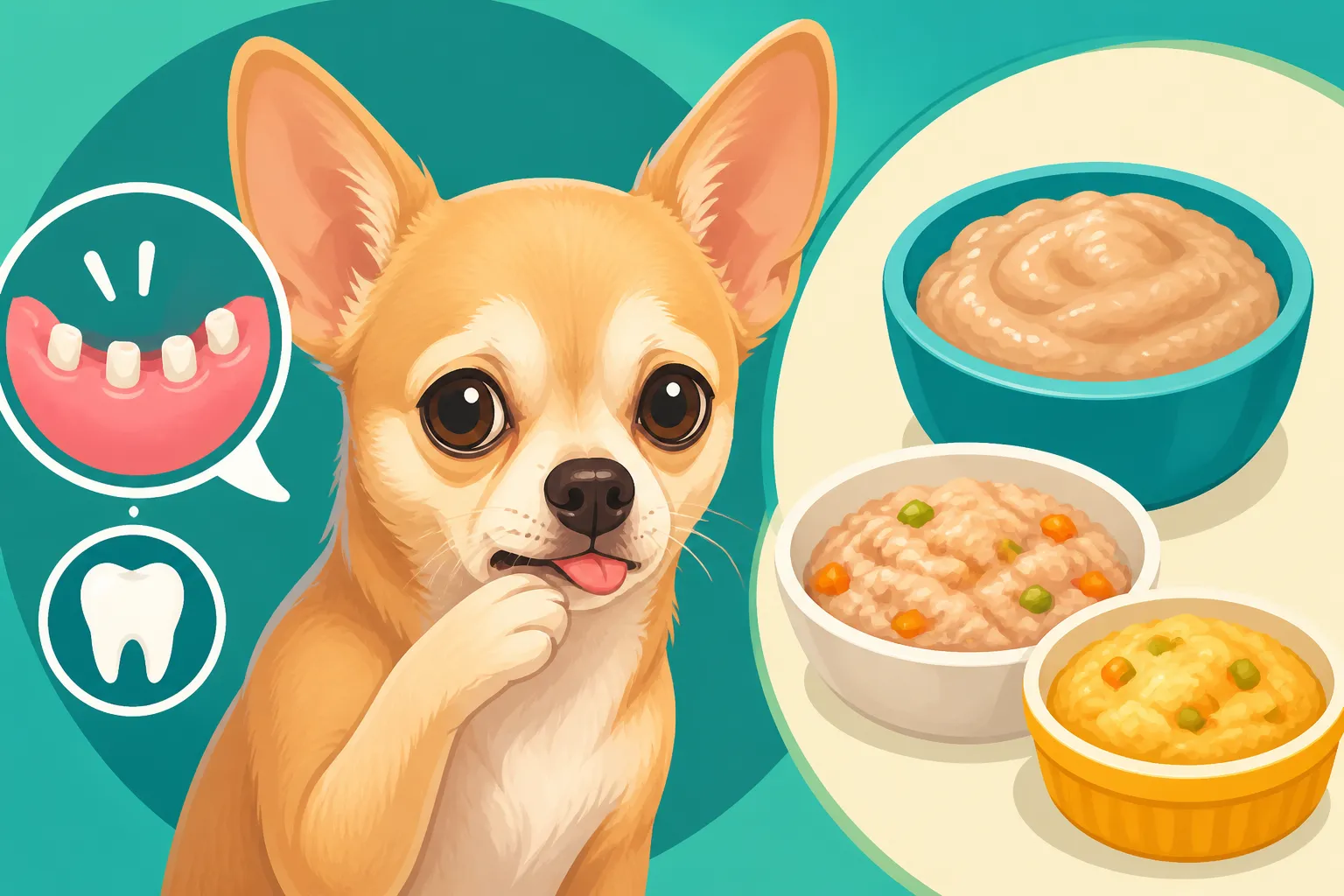
As our Chihuahuas age, dental problems become almost inevitable. Their tiny mouths, often prone to overcrowding, are a breeding ground for plaque and tartar, which can lead to severe gum disease and ultimately, tooth loss. Molars, those flat teeth at the back of the mouth, are crucial for grinding food, breaking down kibble, and making it digestible. When these important teeth are gone, it fundamentally changes how your senior Chihuahua can eat, often causing pain and reluctance to engage with food.
Imagine trying to chew a tough piece of steak without any back teeth – it’s not just difficult, it’s downright painful and pretty much impossible to do properly. Your Chihuahua feels something similar. They might try to gum their food, leading to exhaustion and inefficient eating, or simply refuse to try at all. This isn't just a matter of inconvenience; it can lead to malnutrition, weight loss, and a significant drop in their quality of life. Understanding this pain and frustration from their perspective is the first step to finding solutions that truly help them.
Furthermore, ignoring this issue can exacerbate other senior health problems. A lack of proper nutrition weakens their immune system, making them more susceptible to illness. It can also worsen conditions like Chihuahua Arthritis in the Teenage Years or Chihuahua Heart Disease as the Breed Ages, as their body struggles to maintain itself. This isn't just about soft food; it's about supporting their entire system through a challenging phase of life.
Adjusting Food Texture and Type for Comfort
The primary goal once molars are lost is to eliminate the need for significant chewing. This means shifting towards softer textures that your Chihuahua can easily lap up or swallow with minimal effort. Don't feel guilty about changing their diet; this is an act of kindness and necessity for their comfort and health.
Moving to Wet or Soaked Kibble
One of the easiest transitions is to simply soften their existing kibble. You can do this by adding warm water, low-sodium chicken or beef broth, or even goat milk (if they tolerate dairy) to their dry food. Let it sit for about 10-15 minutes until it's completely soft and mushy. You'll want to aim for a consistency that they can lap up without any discernible hard pieces. For Chihuahuas who have always eaten dry food, this can be a gradual process, but most seniors will quickly appreciate the relief. Remember that even if they are missing molars, they may still have their incisors or canines, which can make some soft kibble manageable.
Another excellent option is transitioning to a high-quality wet dog food. There are countless varieties available, from pate to stews, and many are specifically formulated for senior dogs or those with sensitive stomachs. Look for brands that offer complete and balanced nutrition. You can find a vast selection on sites like Chewy or at your local pet supply store. When choosing, pay attention to the protein source and ingredient list to ensure it meets your Chihuahua's specific dietary needs, especially if they have other health considerations such as Kidney Disease in a Long-Lived Chihuahua.
Exploring Fresh or Home-Cooked Options
For Chihuahuas with significant molar loss, even soft wet food might be a bit too textured. This is where fresh food or home-cooked meals really shine. Fresh food services, such as Ollie, deliver pre-portioned, human-grade meals that are typically very soft and easy to eat. These meals are often gently cooked and can be a fantastic way to ensure your Chihuahua gets palatable, nutrient-dense food without any chewing. They come in various recipes, so you can often find one that appeals to your picky eater.
If you prefer to cook at home, you can prepare meals by gently cooking lean proteins like chicken, turkey, or fish, and blending them with soft, cooked vegetables like sweet potatoes, peas, or carrots. Make sure everything is pureed to a smooth consistency, similar to baby food. It's crucial, however, that you consult with your veterinarian or a veterinary nutritionist if you plan on a long-term home-cooked diet. Balancing nutrients, especially calcium and phosphorus, for a small dog like a Chihuahua, can be tricky, and deficiencies can cause serious health problems down the line. A properly balanced homemade diet is key to avoiding issues that might contribute to further problems, like Chihuahua Dental Disease in a Crowded Small Jaw.
Pureeing and Blending for Ultimate Smoothness
When your Chihuahua has lost most or all of their molars, or if they are experiencing significant oral pain, pureeing their food might be the best route. You can take any wet food, soaked kibble, or home-cooked mixture and run it through a blender or food processor until it's absolutely smooth. This eliminates any lumps or chunks that could cause discomfort or frustration. Adding a little extra warm water or low-sodium broth can help achieve the desired consistency.
For those times when your senior Chihuahua might be having an "off" day and refusing to eat anything, a pureed diet can also be administered more easily. In extreme cases, or if they are recovering from a dental procedure like Chihuahua Tooth Extractions From $500 to $1,500, your vet might even recommend Syringe Feeding a Chihuahua That Will Not Eat for a short period to ensure they don't go without vital nutrients. Having a very smooth, palatable puree on hand makes this process less stressful for both of you.
Ensuring Adequate Nutrition and Supplementation
Just because food is soft doesn't mean it's automatically nutritious. When adjusting your senior Chihuahua's diet due to molar loss, it's critical to ensure they're still getting all the calories, protein, vitamins, and minerals they need to thrive. Senior dogs have unique nutritional requirements, and these can be even more pronounced when they're facing challenges like chewing difficulties.
Calorie Density and Portion Control
Senior Chihuahuas, even those who seem less active, still need a specific calorie intake to maintain their ideal body weight. If they're struggling to eat enough, they can quickly lose weight, which is particularly dangerous for a tiny breed. You might need to look for calorie-dense foods that offer more nutritional bang for their buck in smaller portions. This is where careful Weighing Chihuahua Food on a Kitchen Scale becomes essential, rather than relying on imprecise measuring cups.
Even with soft foods, it's easy for your Chihuahua to fill up on volume without getting enough calories if the food isn't nutrient-dense. Discuss with your vet whether increasing the fat content slightly (if appropriate for their health) or choosing foods specifically designed for high-calorie needs in a small volume might be beneficial. Regular weight checks at home and during vet visits are crucial to ensure your feeding strategy is working. If your Chihuahua is prone to being underweight, this is even more vital.
Incorporating Essential Supplements
Even with a well-chosen diet, senior Chihuahuas, especially those with dental issues, might benefit from certain supplements. Probiotics can help with digestion and nutrient absorption, which can be compromised if they're not chewing food thoroughly. Omega-3 fatty acids are excellent for skin and coat health, joint support, and cognitive function, all of which are important as they age. You can find many reputable brands of these supplements on Amazon or Chewy.
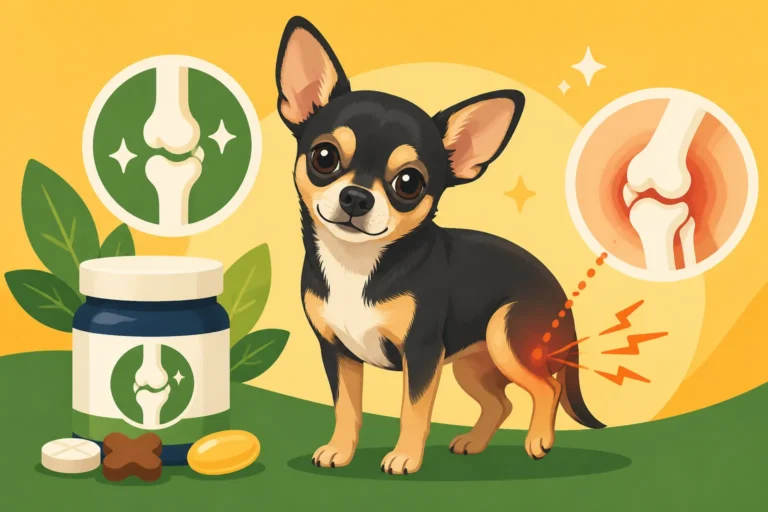
For joint health, especially if your Chihuahua already has conditions like Chihuahua Arthritis in the Teenage Years or a history of Patellar Luxation, the Chihuahua's Commonest Joint Problem, glucosamine and chondroitin supplements are often recommended. Again, always discuss any new supplements with your veterinarian before introducing them, as dosing for a tiny Chihuahua needs to be precise. Some senior Chihuahuas might also benefit from specific vitamin complexes to boost overall health, especially if their appetite is variable.
Regular Veterinary Check-ups and Adjustments
Perhaps the most critical aspect of feeding a senior Chihuahua with lost molars is maintaining a close relationship with your veterinarian. They can help you assess your dog's current nutritional status, recommend appropriate diets, and adjust feeding plans as needed. Regular check-ups, including blood work, can identify any underlying health issues that might impact their appetite or ability to absorb nutrients.
Your vet can also offer advice on specific prescription diets that might be beneficial, especially if your Chihuahua has concurrent issues like Mitral Valve Disease in an Older Chihuahua or kidney concerns. These diets are carefully formulated to support specific organ systems while also being palatable and easy to eat. Don't hesitate to schedule follow-up appointments if you notice changes in appetite, weight, or energy levels. This continuous monitoring is part of Senior Chihuahua Care Past the Age of Twelve.
Mealtime Strategies for Comfort and Success
Beyond what you feed them, how you feed your senior Chihuahua with missing molars can make a huge difference in their comfort and willingness to eat. Creating a calm, supportive mealtime environment can turn a stressful event into a pleasant routine for both of you.
Choosing the Right Bowl
The type of bowl you use can significantly impact your Chihuahua's ability to eat comfortably. Consider raised bowls, especially if they have neck or back pain. Elevated bowls can help reduce strain on their neck and joints, making it easier for them to reach their food without bending down too much. You can find many stylish and practical options on Amazon.
Shallow, wide bowls are also beneficial. They prevent your Chihuahua from having to bury their face too deeply, which can be uncomfortable if they have a flat face or respiratory issues. A non-slip base is also a good idea to prevent the bowl from sliding around as they eat, especially if they are a bit unsteady on their feet. Some Chihuahuas might even prefer to eat from a small plate, as it offers the easiest access to pureed food.
Small, Frequent Meals
Since chewing is no longer a factor, and to help maintain stable blood sugar levels (something Chihuahuas are prone to struggling with), offering several small meals throughout the day can be more beneficial than two larger ones. This mimics the feeding schedule often recommended for puppies to prevent Chihuahua Hypoglycemia and the Puppy Emergency and can be equally helpful for seniors with compromised eating habits.
Instead of two meals, try three or four smaller portions. This ensures they don't get overwhelmed by a large amount of food, and it keeps their metabolism ticking over. It also helps manage their appetite better, as some seniors can get quite finicky. This approach can be particularly helpful if you're dealing with An Old Chihuahua That Stops Eating Breakfast and needs a gentle start to the day.
Creating a Calm and Consistent Environment
Mealtime should be a stress-free experience. Feed your senior Chihuahua in a quiet, undisturbed location where they feel safe and relaxed. Avoid noisy areas, other pets, or young children disrupting their meal. Consistency in location and timing can also help establish a comforting routine.
Sometimes, an aging Chihuahua's senses might be dimming. If their eyesight or sense of smell isn't what it used to be, a slightly warmed meal can enhance the aroma and make it more appealing. Just be sure to test the temperature to prevent burning their mouth. Gentle encouragement and positive reinforcement can also go a long way in making mealtime enjoyable. Remember, this is a delicate time for them, and patience is truly a virtue. For very particular eaters, sometimes offering food by hand, a little at a time, can help. This builds trust and ensures they are getting those vital calories.
| Strategy | Benefit | Considerations |
|---|---|---|
| Softening Food | Easier to swallow, less pain | Use warm water/broth, ensure no hard pieces |
| Wet Food | High moisture, palatable, often senior-friendly | Check ingredients for complete nutrition |
| Fresh/Home-Cooked | Highly palatable, easy to puree | Consult vet for balanced nutrition |
| Pureeing | Eliminates all chewing, suitable for severe loss | Use blender, ensure smooth consistency |
| Calorie Density | Prevents weight loss from smaller intake | Consult vet, weigh food accurately |
| Supplements | Supports overall health, digestion, joints | Vet approval essential, dose carefully |
| Raised Bowls | Reduces neck strain, more comfortable | Ensure stability, appropriate height |
| Small, Frequent Meals | Stabilizes blood sugar, prevents overwhelm | Establishes routine, aids digestion |
| Calm Environment | Reduces stress, encourages eating | Quiet location, warm food, gentle encouragement |
Monitoring and Adapting
Every Chihuahua is an individual, and what works for one might not work for another. Continuously monitor your senior dog's eating habits, energy levels, and body condition. Are they finishing their meals? Are they gaining or losing weight? Do they seem enthusiastic about food, or are they still reluctant? Pay close attention to subtle cues, as a lack of appetite or difficulty eating can also be signs of other underlying issues that warrant a vet visit.
It's a process of trial and error, and you might need to adapt your approach over time. Their needs can change, especially as they enter the later stages of life. Being proactive, patient, and observant will ensure you can provide the best possible care for your long-lived companion, even when faced with the challenge of Feeding a Chihuahua With Few Teeth Left.
Disclaimer
This article is for general informational purposes only and does not constitute professional advice. Laws, prices and regulations vary by location and change over time. Consult a qualified professional for guidance on your specific situation.