The Month a Chihuahua Moves to Adult Food
It’s a funny thing, isn't it? You bring home this tiny, energetic fluffball of a Chihuahua puppy, and for months, your whole world revolves around keeping that little engine fueled, especially to ward off those scary sugar crashes. You're constantly wondering if they've eaten enough, if their kibble is right, and if you're doing everything you can to help them grow. But then, almost overnight it seems, they’re not so much a puppy anymore. They’re still small, of course, but that rapid growth spurt has eased, and suddenly you’re left scratching your head: when exactly do you switch from all that carefully chosen puppy food to an adult formula? This guide is going to walk you through exactly how to tell when your Chihuahua is ready for the big kid food, and how to make that transition smooth and stress-free for both of you.
Understanding the Growth Stages of Your Tiny Chihuahua
Chihuahuas might stay "puppy-sized" for most of their lives in comparison to a Great Dane, but their internal growth cycles are just as distinct as any other breed. Understanding these stages is key to knowing when to adjust their diet. It’s not just about their size on the outside, but what’s happening on the inside.
When "Puppyhood" Actually Ends for a Chihuahua
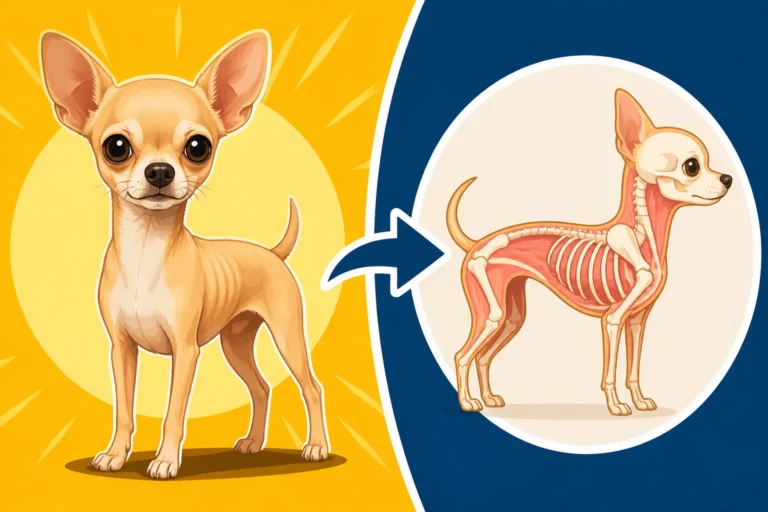
For most small breeds like Chihuahuas, physical puppyhood wraps up much faster than it does for their larger canine cousins. While a Labrador might still be considered a "puppy" for up to 18-24 months, a Chihuahua typically reaches its full adult size and skeletal maturity between 9 and 12 months of age. This is a crucial window because puppy food, by design, is packed with extra calories, fats, and proteins to support rapid growth and development. It’s essential for building strong bones, developing organs, and fueling their seemingly endless energy.
Think about those early weeks and months; you were probably on high alert for signs of Chihuahua Hypoglycemia and the Puppy Emergency, making sure your tiny companion had regular meals and snacks to maintain their blood sugar. Puppy food plays a huge role in preventing those terrifying episodes. As they get older, their metabolism stabilizes a bit, and they become more efficient at regulating their own glucose levels. That intense need for constant caloric intake starts to wane. Continuing to feed a high-octane puppy formula beyond this point can actually start to work against their long-term health, leading to excess weight rather than healthy development. Many owners mistakenly believe that because their Chihuahua is still so tiny, they need puppy food for longer, but it's their skeletal maturity, not their overall small stature, that dictates the switch.
Why Growth Plate Closure Matters for Food Choices
The term "growth plate closure" might sound very technical, but it simply refers to when the soft, cartilage areas at the ends of your Chihuahua's long bones harden into solid bone. This signifies that their bones have finished growing in length. For Chihuahuas, this typically happens around that 9-12 month mark. Once these growth plates have closed, your dog is considered skeletally mature. At this point, the primary purpose of their diet shifts from growth support to maintenance.
Feeding a diet too rich in calories and nutrients after growth plates have closed can put undue stress on their developing joints and lead to excessive weight gain. While Chihuahuas are generally prone to certain joint issues like patellar luxation, adding extra weight into the mix only compounds these problems. Puppy food is formulated to provide higher levels of calcium and phosphorus for bone development, but once those bones are fully formed, continued excessive intake of these minerals isn't necessarily beneficial and can even, in rare cases, contribute to other issues. Transitioning to an adult formula ensures they're getting a balanced diet appropriate for maintaining their health without overdoing it on growth-specific nutrients that are no longer needed. It’s about tailoring their nutrition to their life stage, just like we adjust our own diets as we age.
Signs Your Chihuahua is Ready for Adult Food
It’s easy to get caught up in the emotional aspect of your tiny companion always being your "baby." But recognizing the physical and behavioral cues that signal their readiness for adult food is a practical step toward ensuring their continued well-being. Your Chihuahua will give you clues, if you know what to look for.
Physical Indicators of Maturity
One of the most straightforward ways to tell if your Chihuahua is ready for adult food is by observing their physical development. By the time they hit that 9 to 12-month window, most Chihuahuas will have reached their full adult height and length, and their weight will have largely plateaued. You’re no longer seeing them sprout an inch here or add a half-pound there with the same rapid pace as they did in their first few months. Their overall body shape will look more mature, less gangly or overtly 'puppy-fat' round.
You should be able to feel their ribs easily when you gently run your hands along their sides, but not see them protruding. They should have a discernible waist when viewed from above and a tuck-up when viewed from the side. If they're still looking a bit too padded or chunky around the middle, it might be a sign that the higher caloric content of puppy food is starting to contribute to unhealthy weight gain. While puppy chubbiness can be cute, for a tiny breed like a Chihuahua, even an extra half-pound can put significant strain on their small frames and delicate joints. Pay close attention to these subtle changes in their physique; they are often the clearest signals that their growth phase is complete.
Behavioral Shifts and Energy Levels
Beyond the physical changes, you might also notice shifts in your Chihuahua's behavior and energy levels that indicate they're transitioning out of peak puppyhood. While Chihuahuas are known for their spirited personalities well into adulthood, that boundless, almost frantic puppy energy often begins to temper around 9-12 months. They might still have bursts of "zoomies" or playfulness, but you may observe fewer instances of constant, insatiable energy that characterized their younger months. Their play might become a bit more focused, rather than purely chaotic.
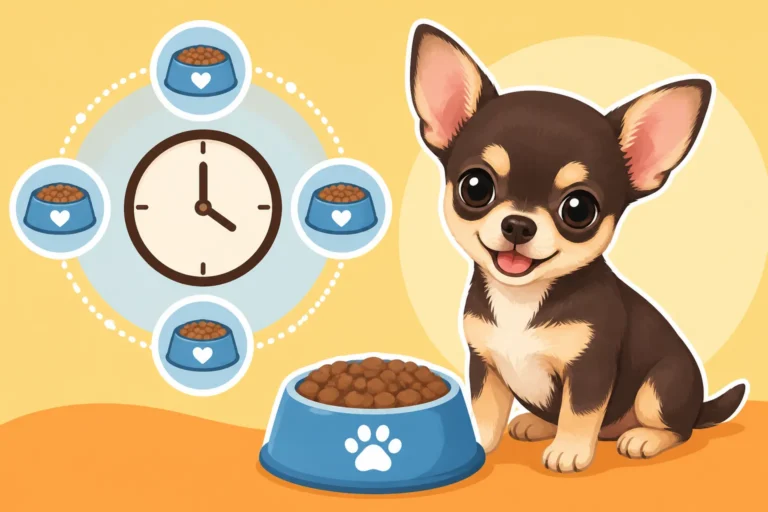
You might also notice a more consistent appetite and feeding rhythm. While very young puppies often need Feeding a Chihuahua Puppy Every Few Hours to keep their blood sugar stable, an older puppy or young adult Chihuahua typically settles into a more predictable meal schedule. They won’t seem quite as ravenous all the time, and their hunger cues will be more consistent. If you find your Chihuahua is consistently leaving some food in their bowl, or they seem less enthusiastic about their meals, it could be another subtle hint that their caloric needs are shifting. While individual personalities certainly play a role, a general decrease in that frantic puppy energy combined with more stable eating habits often means their body is ready for the nutritional profile of adult food. This also aligns with their maturing activity levels; while still needing regular activity, their exercise needs will likely shift from constant exploration to more structured playtime and walks, as covered in Chihuahua Exercise Needs Every Day.
The Gentle Transition to Adult Chihuahua Food
Switching your Chihuahua’s food isn't like flipping a switch. Their tiny digestive systems are sensitive, and a sudden change can lead to upset stomachs, diarrhea, or a refusal to eat. A gradual approach is always best to ensure a smooth transition.
A Gradual Process Over Several Days
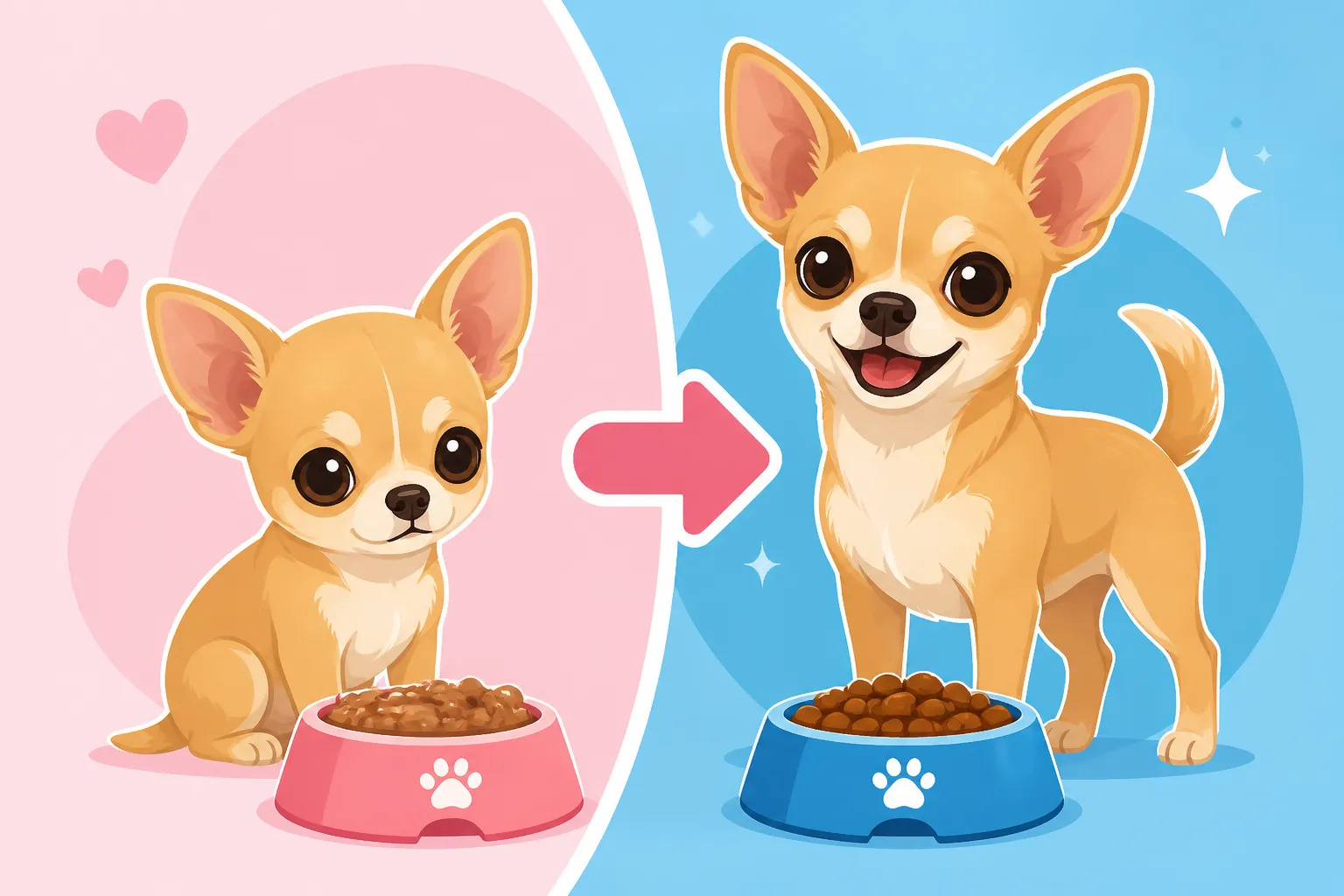
Imagine someone suddenly swapping out your favorite meal for something completely new without warning – you might not be too thrilled, and your stomach might protest! It's the same for your Chihuahua. A sudden switch from puppy to adult food can lead to digestive upset, including vomiting or diarrhea, which is absolutely no fun for anyone involved, especially when dealing with a tiny pup. The key is to introduce the new food slowly, gradually increasing the amount of adult food while decreasing the amount of puppy food over a period of about 7-10 days.
Here’s a general guideline, but feel free to adjust based on your Chihuahua's individual response:
- Days 1-2: Mix about 75% puppy food with 25% new adult food.
- Days 3-4: Go for a 50/50 split – half puppy food, half adult food.
- Days 5-6: Shift to 25% puppy food and 75% adult food.
- Days 7-10: Your Chihuahua should now be eating 100% adult food.
Throughout this process, keep a close eye on their appetite, stool consistency, and overall demeanor. If you notice any signs of upset, slow down the transition. You can extend each phase for an extra day or two until their system adjusts. Patience is truly a virtue here, and your Chihuahua’s gut health will thank you for it.
Choosing the Right Adult Food for a Small Breed
Selecting the right adult food for your Chihuahua means looking beyond just the "adult" label. Their small size and unique needs require specific considerations. First and foremost, consider the kibble size. A Chihuahua’s tiny mouth and jaw can struggle with larger kibbles, making eating uncomfortable or even difficult. Look for formulas specifically designed for small breeds, which will feature smaller, more manageable pieces. Many brands, like those found on Chewy or Amazon, offer excellent small-breed specific formulas.
Next, pay attention to the nutritional content. An adult maintenance formula should have appropriate protein and fat levels to support their energy needs without causing weight gain. For an adult Chihuahua, you're generally looking at around How Many Calories a Six Pound Chihuahua Needs – a number that might surprise you with how small it is! High-quality animal protein should be a primary ingredient. While some owners opt for wet food, especially for picky eaters or to help with hydration, remember that Wet Food and Chihuahua Dental Disease can be a concern if not paired with daily brushing, as soft foods don't provide the same abrasive action as kibble. If you're considering fresh food options, services like Ollie provide pre-portioned, human-grade meals that can be an excellent choice for Chihuahuas, ensuring they get precisely the right amount of calories and nutrients without you having to measure and cook yourself. Always read the ingredient list, prioritize real meat sources, and avoid excessive fillers. Consulting your veterinarian can also help you choose a food that meets your individual Chihuahua’s health profile, especially if they have any specific dietary sensitivities or existing health conditions.
Common Pitfalls and How to Avoid Them
Even with the best intentions, it's easy to fall into traps when it comes to feeding our Chihuahuas. Their irresistible charm and tiny stature can sometimes lead us to make choices that, while seemingly harmless, can have significant long-term health consequences.
The Dangers of Prolonged Puppy Food Feeding
It’s tempting, isn’t it? Your Chihuahua is still so small and cute, and that puppy food just seems to provide all the energy they need. You might even worry that adult food won’t be "rich" enough for them. However, continuing to feed puppy food for too long is one of the most common and detrimental mistakes Chihuahua owners make. As we've discussed, puppy food is calorie-dense and rich in nutrients to support rapid growth. Once your Chihuahua reaches skeletal maturity, typically by 9-12 months, those extra calories and nutrients are no longer needed for growth and will instead be stored as fat.
This quickly leads to Chihuahua Obesity on a Six Pound Frame, which is a far more serious issue for such a tiny dog than many realize. Even an extra half-pound on a five-pound Chihuahua is like a person carrying an extra 10-15 pounds. This added weight puts tremendous strain on their delicate joints, exacerbating conditions like patellar luxation, which is already prevalent in the breed. Obesity also increases the risk of other health issues, including diabetes, heart disease, and respiratory problems. It can shorten their lifespan and drastically reduce their quality of life. Owners often don't realize how quickly those few extra calories from puppy food can add up for a dog that only needs around Calculating a Chihuahua Ration at Forty Calories a Pound to begin with. It truly underscores the importance of being precise, even to the point of Weighing Chihuahua Food on a Kitchen Scale if you're serious about preventing weight gain. Transitioning to an adult maintenance formula when appropriate is a proactive step to ensure your Chihuahua stays lean, active, and healthy.
Switching Too Early or Abruptly
On the flip side, some owners might be eager to switch their Chihuahua to adult food too early, perhaps to simplify feeding or because they think their dog looks "big enough." This can be just as problematic as prolonging puppy food. Switching before your Chihuahua has reached full skeletal maturity could mean they miss out on crucial nutrients required for proper bone and organ development. While Chihuahuas mature quickly, there’s still a window where those growth-specific nutrients in puppy food are vital. If their growth plates haven't fully closed, an adult formula, which has lower levels of certain minerals and calories, might not provide adequate support for their final stages of development.
Furthermore, an abrupt switch at any age can be a shock to a Chihuahua’s sensitive digestive system. Imagine suddenly changing their entire diet without any warning. This can lead to digestive upset, including diarrhea, which can quickly become dangerous for a tiny dog due to dehydration risk. Symptoms like lethargy, loss of appetite, or persistent loose stools are red flags that the transition might have been too fast or too early. Always err on the side of caution. If you’re unsure, continue with the puppy formula for a little longer, perhaps until the 10 or 12-month mark, and then begin the gradual transition over 7-10 days. Observing your individual dog's energy, body condition, and stool is always more important than adhering to a rigid timeline. Your vet can also offer personalized advice based on your Chihuahua's specific growth curve and health.
The journey with a Chihuahua is a marathon, not a sprint, and proper nutrition is the foundation for a long, happy life together. Getting the timing right for switching to adult food, and then choosing a quality formula designed for small breeds, sets them up for success. It’s a testament to the meticulous care we give our tiny companions.
Disclaimer
This article is for general informational purposes only and does not constitute professional advice. Laws, prices and regulations vary by location and change over time. Consult a qualified professional for guidance on your specific situation.