Whether a Chihuahua Can Live Without a Yard
One of the biggest misconceptions I hear from aspiring Chihuahua owners is about their living situation. Many people either assume a tiny dog like a Chihuahua needs a sprawling backyard to be happy, or they swing to the opposite extreme, thinking a small dog can just be carried everywhere and never needs to touch the ground. Both of these ideas miss the mark, and it's frustrating how often they lead to misunderstandings about what these little dynamos actually require. The truth is, a Chihuahua can absolutely thrive in an apartment or a home without a traditional yard, but it takes intentional effort, consistency, and a deep understanding of their unique needs. This guide will walk you through how to provide a rich, fulfilling life for your Chihuahua, even if your home doesn't come with a patch of green.
Dispelling the Myth: Why Chihuahuas Don't Need a Yard
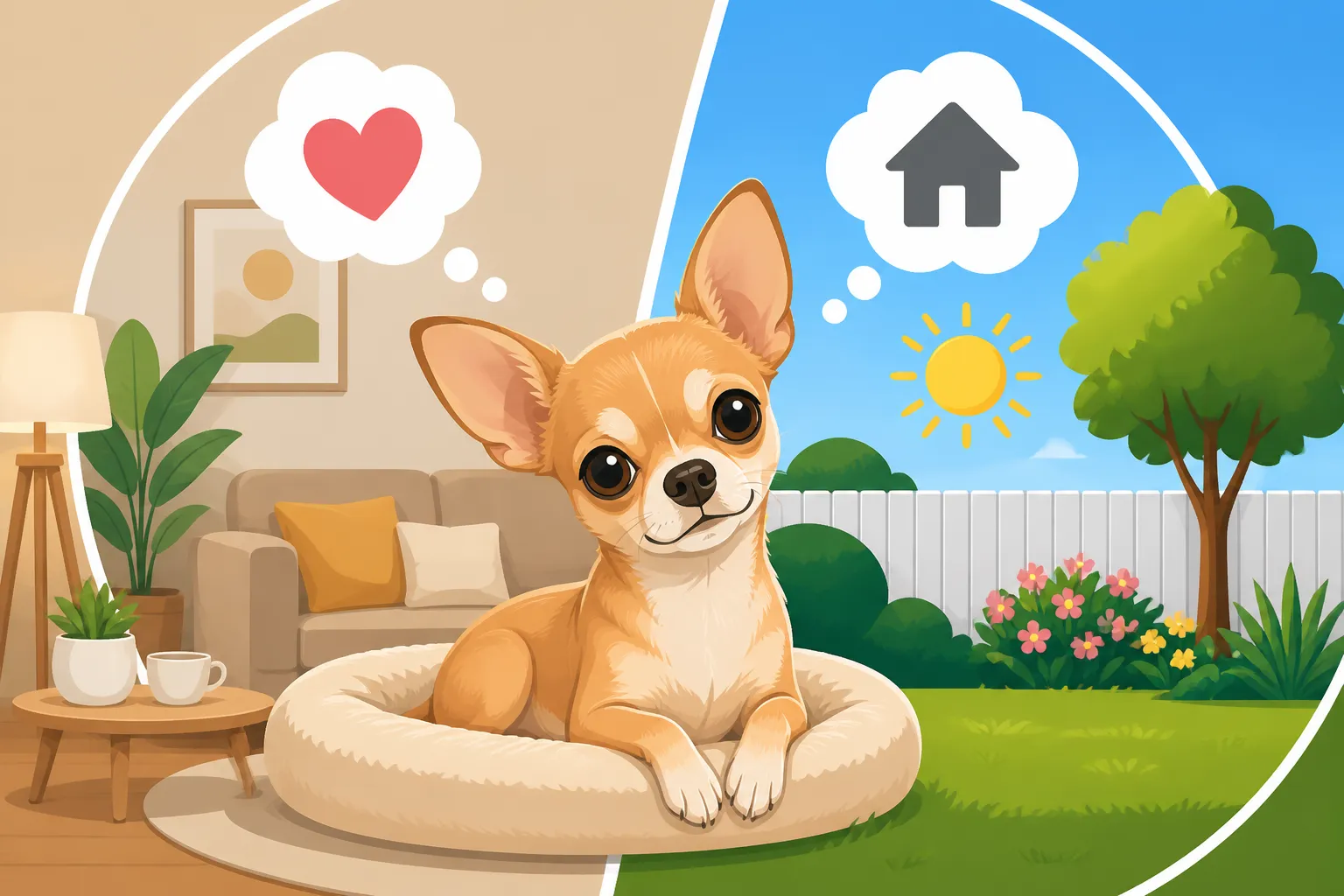
Let's be clear: a yard is a luxury, not a necessity, for a Chihuahua. In fact, for many toy breeds, an unsupervised yard can actually be a source of danger rather than a benefit. What they truly need is appropriate exercise, mental stimulation, and safe outdoor exposure, all of which can be provided without a private patch of grass.
Understanding Chihuahua Exercise Needs: They're Not Lazy!
It's easy to look at a Chihuahua, curled up like a perfect little croissant on your lap, and assume they're low-energy creatures content with endless naps. While they certainly excel at napping (and snuggling!), they are far from lazy. Chihuahuas are intelligent, active, and surprisingly athletic little dogs. They need daily physical activity to stay healthy, both mentally and physically. A quick run around a large yard might burn off some energy for a bigger dog, but for a Chihuahua, it's often not enough, nor is it always safe.
Think of it this way: a twenty-minute walk around the block is a significant journey for a dog whose legs are only a few inches long. It’s an adventure filled with new smells, sounds, and sights. Compare that to being let out into the same old yard every day. While some Chihuahuas might zoom around for a bit, many will simply do their business and stand by the door, waiting to come back in. The novelty of the yard wears off quickly, and the stimulation becomes minimal. What truly matters isn't the size of your outdoor space, but the quality and consistency of the exercise and mental engagement your dog receives. For more on this, you might find Chihuahua Exercise for a Dog That Fits in a Bag helpful.
The Dangers of an Unsupervised Yard for a Small Dog
While the idea of a dog happily playing in a fenced yard seems idyllic, for a Chihuahua, it comes with a unique set of risks. Their tiny size makes them vulnerable to predators such as hawks, owls, and even larger neighborhood cats or dogs that might wander into a yard. A fence that's perfectly adequate for a Labrador could be an open invitation for a determined hawk. Even if predators aren't an issue, Chihuahuas are masters of escape. A small gap in a fence, a loosened gate latch, or even a small hole dug under a perimeter can lead to them getting out and getting lost.
Furthermore, a yard doesn't protect them from extreme weather. In winter, a Chihuahua's thin coat and low body fat mean they get cold very quickly, risking hypothermia if left outside too long. In summer, hot pavement or prolonged sun exposure can lead to overheating. A responsible owner would never leave a Chihuahua unsupervised in a yard for extended periods anyway, which means the "convenience" of a yard is often overstated. The control and safety offered by leashed walks are often far superior for these little ones.
Why Small Size Doesn't Equal Small Needs
It's a common trap to think that because a Chihuahua is small, their needs are inherently smaller or simpler than a large dog's. This couldn't be further from the truth. In many ways, their needs are more specific and require more attention. For example, their bladders are tiny, meaning they need frequent potty breaks. Their delicate bones and joints are more prone to injury from jumps or falls. Their short coats and low body fat make them particularly sensitive to temperature fluctuations.
Neglecting their exercise, mental stimulation, or socialization just because they're small can lead to a host of behavioral problems. A bored Chihuahua is often a destructive Chihuahua, or a noisy one. A undersocialized Chihuahua can become fearfully reactive, barking and lunging at everything that moves. This is why a committed owner in an apartment who takes their Chihuahua on regular, structured outings and engages them indoors can provide a much better quality of life than an owner with a large yard who simply opens the back door and calls it a day. Remember, their personality is big, even if their body isn't!
Making Apartment Living Work: Exercise and Potty Solutions
Living in an apartment with a Chihuahua requires a proactive approach to their daily routines. It means intentional walks, creative indoor play, and smart potty solutions. But trust me, it’s completely doable and incredibly rewarding.
Daily Walks and Outdoor Adventures: More Than Just a Potty Break
Your daily walks are going to be your Chihuahua's primary connection to the outside world, so make them count! These aren't just quick trips to relieve themselves; they're opportunities for exploration, socialization, and vital mental stimulation. Aim for at least two to three walks a day, ideally twenty minutes each, depending on your dog's age, fitness level, and the weather. Even short, frequent outings add up. For instance, Walking a Chihuahua Twenty Minutes a Day provides excellent guidance on making these walks effective.
During these walks, allow your Chihuahua to sniff! Sniffing is incredibly enriching for dogs, as it allows them to process the world through their most powerful sense. Let them investigate lampposts, bushes, and interesting patches of grass. Vary your routes when possible to introduce new smells and sights. Always use a well-fitting harness rather than a collar to protect their delicate trachea. You can find excellent, comfortable harnesses designed for small breeds on sites like Chewy, ensuring a good fit that won't irritate their neck. A good harness is crucial to avoid issues like Why Collar Pressure Damages a Chihuahua Trachea.
These walks are also crucial for socialization. Exposing your Chihuahua to different people, sounds, and other dogs (from a safe distance, initially) helps them build confidence and prevents fear-based reactivity. A Chihuahua that is constantly carried or only sees the inside of its home might develop anxieties that manifest as excessive barking or nipping.
Indoor Exercise and Play: Keeping Minds and Bodies Active
When outdoor conditions aren't ideal (think scorching summer heat, freezing winter winds, or heavy rain), or simply to supplement outdoor activity, indoor exercise is essential. Chihuahuas might be small, but they can be surprisingly fast and agile indoors.
Here are some ideas:
- Fetch or Chase: A hallway or a clear living room space can become a mini-arena for a game of fetch with a soft toy. Many Chihuahuas adore chasing toys, and even short bursts of running can be great exercise.
- Tug-of-War: A gentle game of tug with a small, sturdy toy provides a good physical and mental workout. Just make sure to teach them a "drop it" cue to avoid resource guarding.
- Hide-and-Seek: Hide treats or their favorite toy and encourage them to find it. This engages their powerful sense of smell and their problem-solving skills.
- Puzzle Toys: These are fantastic for mental stimulation. Toys that require your Chihuahua to figure out how to get a treat will keep their minds engaged and prevent boredom. Brands like Kong and Nina Ottosson make excellent puzzle toys, many of which can be found on Amazon. Puzzle Toys Sized for a Chihuahua offers more specific recommendations.
- Indoor Agility: You can create a simple indoor agility course using household items – pillows to jump over, blankets to tunnel through, or even your legs to weave between. This is a fun way to burn energy and bond with your dog.
Remember, a tired dog is a good dog, and mental fatigue can be just as effective as physical fatigue for Chihuahuas.
Potty Training for Apartment Dwellers: Options Beyond the Grass
One of the biggest concerns for apartment dwellers is potty training. While outdoor potty breaks are ideal, there are effective indoor solutions that can make life much easier, especially for a tiny breed with a small bladder.
- Puppy Pads: These are a popular choice for Chihuahuas, especially for puppies or for adult dogs who might struggle with cold weather or long stretches alone. Place them in a consistent, easily accessible spot. The key is to be diligent with rewarding them for using the pad and cleaning up accidents immediately to avoid reinforcing the wrong spot. You can buy puppy pads in bulk from online retailers like Chewy. For a deeper dive, check out Puppy Pads Against Outdoor Only for a Chihuahua.
- Indoor Grass Patches: These are a step up from puppy pads and can offer a more natural feel. They come in synthetic or real grass options, often with a tray underneath for easy cleanup. This can be a great bridge for Chihuahuas who are reluctant to go outside in inclement weather but prefer the feel of grass under their paws.
- Litter Boxes: Believe it or not, some Chihuahuas can be trained to use a litter box, much like a cat! There are specific dog-friendly litters available. This can be a great solution for very small Chihuahuas or those who have significant mobility issues. Learn more about this in Litter Box Training a Chihuahua.
Regardless of the method you choose, consistency is paramount. Take your Chihuahua to their designated potty spot frequently – after waking up, after meals, after play, and before bed. Reward success enthusiastically. And always, always clean up accidents with an enzymatic cleaner to eliminate odors that might attract them back to the same spot.
Creating an Enriched Indoor Environment
Beyond exercise and potty breaks, the indoor environment itself plays a huge role in your Chihuahua's well-being. A small home can still be a vibrant, stimulating space with a little thought and planning.
Safe Spaces and Comfort Zones: Beds, Crates, and Hiding Spots
Chihuahuas are den animals by nature, and they often seek out cozy, secure spots to rest and feel safe. Providing these dedicated spaces is crucial, especially in an apartment where foot traffic might be constant.
- Crates: A crate isn't a punishment; it's a personal bedroom. Properly introduced, a crate can be a wonderful, safe haven for your Chihuahua. It's a place where they can retreat when they need quiet, feel overwhelmed, or just want to nap undisturbed. Choose a size that allows them to stand up, turn around, and lie down comfortably. Cover it with a blanket to make it den-like. Chihuahua Crate Size and Setup offers detailed advice.
- Comfortable Beds: Invest in a few soft, warm beds around your apartment. Chihuahuas love to burrow, so beds with high sides or a soft blanket they can tunnel into are often a big hit. Plush donut beds or cave beds are excellent choices.
- Hiding Spots: Chihuahuas often feel most secure when they can observe without being directly in the fray. A covered dog bed under a side table, a designated spot behind the sofa, or even a cozy corner can become their safe retreat. Giving them choices empowers them and reduces stress.
These safe spaces are particularly important for a breed that can sometimes be prone to anxiety or fearfulness. Knowing they have a quiet place to escape helps them regulate their emotions and feel more secure in their environment.
Mental Stimulation: Puzzle Toys and Training Games
Just like people, dogs need mental exercise to prevent boredom and stay sharp. For Chihuahuas, whose physical exercise might be limited by their size or weather, mental stimulation is even more critical.
- Puzzle Toys: As mentioned earlier, puzzle toys are fantastic. They come in various difficulty levels, so you can start easy and gradually introduce more challenging ones. This keeps your Chihuahua engaged, uses their brain, and makes meal times more exciting. Many popular pet brands offer suitable options you can find on Amazon or Chewy.
- Training Sessions: Even if your Chihuahua isn't destined for the show ring, short, positive reinforcement training sessions are a wonderful way to provide mental stimulation. Teach them new tricks – "sit," "stay," "paw," "spin," "fetch." These sessions don't need to be long; even 5-10 minutes a few times a day can make a big difference. It strengthens your bond and builds their confidence. Three Minute Training Sessions With a Chihuahua shares great tips for short, effective lessons.
- Scent Games: Hide treats around the house and encourage your Chihuahua to sniff them out. This engages their powerful sense of smell and is a low-impact activity that can tire them out mentally. Start easy, then make the hiding spots more challenging.
A Chihuahua that is mentally stimulated is less likely to engage in destructive behaviors like chewing furniture or excessive barking out of boredom.
Temperature Control and Comfort: Chihuahuas Get Cold!
Chihuahuas are notorious for shivering, and it's not always out of fear; often, they're just plain cold! Their small size, thin skin, and minimal body fat mean they lose heat rapidly. This is a critical consideration for apartment living, especially if you live in an older building or one with fluctuating temperatures.
- Warm Bedding: Provide plenty of warm blankets for them to burrow into. Heated dog beds can also be a wonderful luxury, particularly in colder climates or for older Chihuahuas.
- Sweaters and Coats: Invest in a wardrobe of sweaters and coats. They aren't just for fashion! A good fleece sweater indoors can help regulate their body temperature, and a waterproof, insulated coat is essential for outdoor walks in cold or wet weather. Many options are available from retailers like Chewy. Consider reading Why a Chihuahua Shivers Indoors for more insights on keeping them cozy.
- Thermostat Management: Try to keep your home at a comfortable temperature for your Chihuahua. While you might be fine at 68 degrees Fahrenheit, your little one might be shivering. Consider bumping the thermostat up a few degrees, especially during colder months.
Ensuring your Chihuahua is warm and comfortable contributes significantly to their overall health and happiness, preventing them from constantly expending energy trying to stay warm.
The Importance of Outdoor Exposure, Even Without a Yard
Just because you don't have a yard doesn't mean your Chihuahua should become a homebody. Regular exposure to the outside world is absolutely vital for their mental health, confidence, and overall well-being.
Socialization Beyond the Home: Exposure to Sights and Sounds
For Chihuahuas living in apartments, their interactions with the world are primarily during walks and outings. This makes intentional socialization incredibly important. They need to experience a variety of sights, sounds, smells, and people in a positive, controlled way.
- City Walks: Take your Chihuahua on walks in different areas – bustling city streets, quiet residential neighborhoods, dog-friendly parks (on leash, always!). The diverse sensory input helps them adapt and feel comfortable in various situations.
- Pet-Friendly Establishments: If your Chihuahua is comfortable, take them to pet-friendly cafes, stores, or outdoor markets. This offers excellent exposure to new environments and respectful human interaction. Always ensure their safety and comfort are the top priority.
- Controlled Dog Interactions: If your Chihuahua enjoys the company of other dogs, arrange playdates with trusted, calm, small-sized canine friends. Avoid dog parks, which can be overwhelming and dangerous for a small breed. Introducing a Chihuahua to Bigger Dogs Safely offers advice on managing these interactions.
The goal is to build a confident, well-adjusted dog, not one that is constantly fearful or reactive due to lack of exposure. This journey of socialization should start early, ideally within their critical The Chihuahua Socialization Window and Its Deadline.
Preventing "Small Dog Syndrome" Through Controlled Outings
"Small dog syndrome" is a behavioral issue, not a genetic one. It's often the result of owners treating small dogs differently than large dogs – carrying them constantly, not training them, or allowing them to get away with behaviors (like barking or growling at strangers) that wouldn't be tolerated in a larger breed.
Regular, structured outdoor outings are key to preventing this. When a Chihuahua is consistently on a leash, walking, and encountering the world on their own four paws, they build confidence and learn to navigate their environment. They learn that they don't need to be constantly protected or carried, and that they can rely on their owner's guidance. What Small Dog Syndrome Means for a Chihuahua delves deeper into this topic.
By allowing your Chihuahua to walk, explore, and interact (appropriately) with the world, you empower them to be a well-adjusted dog, rather than a tiny tyrant or a trembling ball of anxiety.
Safe Transportation and Gear for City Chihuahuas
When you're out and about with a Chihuahua and don't have a yard, safety and proper gear are paramount. Their small size makes them fragile and vulnerable.
- Harness, Not Collar: As mentioned, always use a harness. A flat collar can put undue pressure on their delicate trachea, leading to injury or exacerbating conditions like Collapsing Trachea and the Chihuahua Honking Cough. A well-fitting harness distributes pressure across their chest. Getting the right fit is crucial, so read up on Harness Fitting on a Chihuahua Chest.
- Leash Safety: A lightweight, five or six-foot leash is ideal. Never let your Chihuahua drag their leash, and always be aware of your surroundings. Remember, a Chihuahua should never be off leash outdoors due to the inherent dangers they face.
- Carriers and Bags: A sturdy, comfortable pet carrier or a specially designed dog bag is indispensable for apartment dwellers. It allows you to safely transport your Chihuahua on public transport, into stores, or simply when you want to give their little legs a rest during a long outing. It also serves as a safe space for them if you're in a crowded or overstimulating environment. Make sure any carrier is well-ventilated and allows your dog to stand and turn around comfortably.
- Paw Protection: In urban environments, hot pavement in summer, or salt and ice melt in winter, can be very harsh on tiny paws. Consider dog booties for protection, or at least use a paw balm to soothe and protect their pads.
Living without a yard simply means being a more engaged, thoughtful, and proactive Chihuahua parent. It's not about what they lack, but about how much you can provide. With the right care and attention, your apartment-dwelling Chihuahua can enjoy a life that is every bit as rich and fulfilling as any dog with acres to roam.
| Aspect of Care | Yard-Dwelling Chihuahua | Apartment-Dwelling Chihuahua |
|---|---|---|
| Primary Potty Spot | Free access to grass | Scheduled outdoor walks, indoor pads/grass |
| Main Exercise Source | Mix of yard play & walks | Daily structured walks, indoor games, puzzle toys |
| Outdoor Safety Risks | Predators, escapes, weather exposure | Hot pavement, leash hazards, crowded spaces |
| Socialization | Often less diverse exposure | Intentional exposure to diverse sights/sounds on walks |
| Mental Stimulation | May rely on owner interaction | Heavy reliance on puzzle toys, training, scent games |
| Warmth/Comfort | Can retreat indoors quickly | Requires sweaters, warm beds, careful thermostat control |
| Owner Involvement | Can be passive (open door) | Must be highly active and intentional |
This article is for general informational purposes only and does not constitute professional advice. Laws, prices and regulations vary by location and change over time. Consult a qualified professional for guidance on your specific situation.