Expressing a Chihuahua’s Glands at Home
Oh, the infamous "fishy smell" – if you've ever had a Chihuahua, chances are you've encountered it. It often comes along with that tell-tale scooting across your favorite rug, making you wonder what on earth is going on back there. This guide is all about demystifying your Chihuahua's anal glands, helping you understand why they sometimes need attention, and giving you a realistic, cautious look at when and how you might consider expressing them at home, or, more likely, when it's absolutely time to call in the professionals.
Decoding the Mystery: What Are Your Chihuahua's Anal Glands?
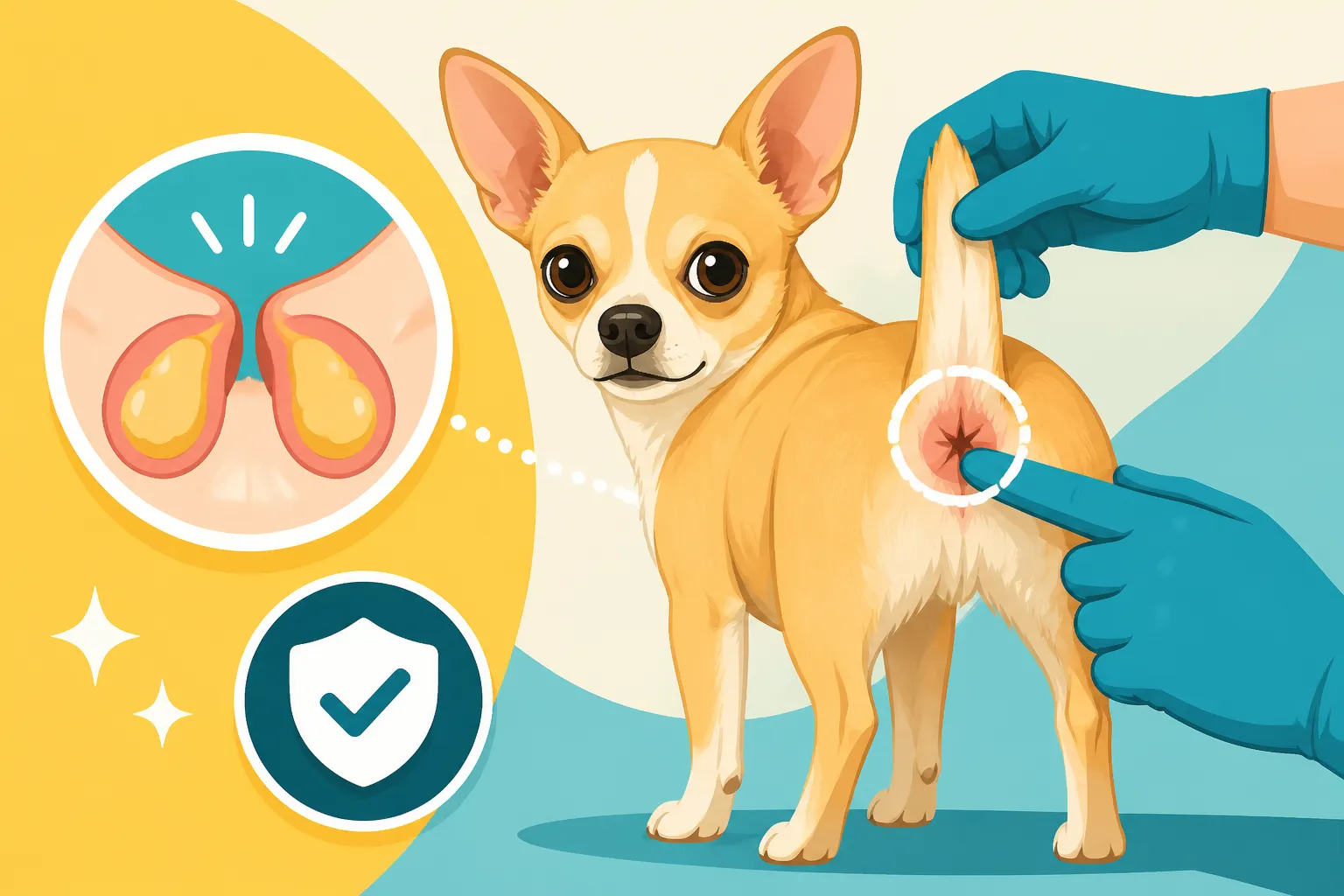
Let's start by getting to know these little anatomical wonders, because once you understand their purpose, the whole "fishy smell" situation makes a lot more sense. Your Chihuahua, just like other dogs, has two small scent glands located on either side of their anus, typically at the "4 o'clock" and "8 o'clock" positions. Think of them as tiny little scent factories, each with its own duct that opens into the anal canal.
What Are Anal Glands, Really?
These aren't just random sacs; they're essentially your dog's unique calling card. Each gland produces a strong-smelling, often oily, brownish, or yellowish fluid that's normally expressed in tiny amounts every time your Chihuahua poops. This fluid contains pheromones, which are chemical signals that dogs use to communicate with each other. It's how they leave a "hello, I was here" message for the next dog sniffing around. When dogs greet each other by sniffing rear ends, they're essentially reading these scent markers, getting information about the other dog's identity, sex, and even emotional state.
In a perfect world, these glands would naturally empty themselves with every firm bowel movement. The pressure of the passing stool helps to squeeze the sacs, releasing the fluid. The consistency of this fluid can vary quite a bit – sometimes it's thin and watery, almost like olive oil, and other times it's thicker, like a pasty toothpaste. Both are normal, as long as they're flowing freely. It's when this natural process gets interrupted that problems start to arise, leading to discomfort for your tiny companion and that unmistakable odor for you.
Why Chihuahuas Might Be Prone to Anal Gland Issues
While any dog can experience anal gland problems, Chihuahuas, being toy-sized, often seem to have more than their fair share. There are a few theories about why this might be the case. Firstly, their small size often means smaller, less firm stools compared to larger breeds. If the stool isn't consistently firm and bulky enough, it might not provide the necessary pressure to empty the glands effectively. Imagine trying to squeeze a tube of toothpaste with a feather – it's just not going to work.
Secondly, diet plays a huge role. Many commercial dog foods, especially those that are lower in fiber, can contribute to softer stools, exacerbating the problem. A consistent diet with appropriate fiber helps produce well-formed, firm stools that naturally do the job. Lastly, Chihuahuas can be more prone to stress, allergies, and even obesity, all of which can indirectly affect gland function. Stress can lead to digestive upset, allergies can cause inflammation around the anal area, and even What One Extra Pound Does to a Chihuahua can reduce the effectiveness of natural gland expression. Keeping your Chihuahua at a healthy body condition is really important for so many aspects of their well-being, including this.
Reading the Signs: Is It Time for Anal Gland Attention?
So, how do you know if your Chihuahua's anal glands are actually bothering them? The good news is, they're usually pretty clear about it, even if their methods are a bit… unrefined. It's crucial to recognize these signals because an unaddressed anal gland issue can escalate from simple discomfort to a painful infection or even rupture.
Classic Signs Your Chihuahua's Glands Need Attention
The most common sign, the one that probably sent you searching for answers, is the dreaded "scooting." This is when your Chihuahua drags its bottom across the carpet, grass, or any other surface, trying to relieve the pressure or itchiness back there. While scooting is a huge red flag for anal gland issues, it's not the only thing that can cause it. Worms, allergies, or even just a little fecal matter stuck in the fur can also make them scoot. So, if you see it, don't jump to conclusions, but definitely investigate further. You might want to refer to Chihuahua Anal Glands and Scooting for a deeper dive into this common behavior.
Beyond scooting, you might notice your Chihuahua:
- Excessive licking or chewing: They'll often focus intensely on their rear end, trying to get at the source of irritation.
- That distinct "fishy" or metallic odor: This is the smell of the fluid leaking out, and it's pretty hard to miss. It can permeate your house and even cling to your dog.
- Difficulty or pain during defecation: They might strain, cry out, or refuse to poop, because the pressure from full glands is making it painful.
- Sitting awkwardly: They might shift their weight, or try to sit with their tail tucked in a way that seems uncomfortable.
- Redness or swelling around the anus: This is a more advanced sign and usually indicates inflammation or infection.
- A sudden lack of enthusiasm: If your normally spunky Chihuahua seems lethargic or withdrawn, pain from impacted glands could be a factor.
It's really important to keep an eye on these signs. If you see them, it's your cue that something isn't right and your Chihuahua needs some help.
Differentiating Anal Gland Issues from Other Ailments
As mentioned, not all scooting is about anal glands. Before you decide to take action, it's wise to rule out other possibilities, especially since Chihuahuas are prone to various sensitivities.
| Symptom | Highly Suggestive of Anal Gland Issues | Could Also Be… |
|---|---|---|
| Scooting | Frequent, strong fishy odor, trying to relieve pressure | Worms (especially tapeworms), allergies, irritated skin, poor grooming |
| Excessive Licking | Focused on anus, combined with odor or straining | Fleas, skin allergies, urinary tract infection |
| Fishy Odor | Distinct, strong, metallic smell | Minor leakage after normal expression, skin fold infection (less common in Chihuahuas) |
| Pain/Straining | Crying out during defecation, tense posture | Constipation, anal fissure, prostate issues (in males) |
| Redness/Swelling | Area around anus inflamed, possibly a visible lump | Allergic reaction, infection, abscess (emergency!) |
If you're unsure, or if your Chihuahua is showing signs of significant pain, fever, or a visible lump that is hot to the touch, please don't hesitate to contact your vet immediately. It's always better to be safe, particularly with a tiny dog who can decline rapidly.
To Express or Not to Express: The Vet vs. Home Debate
This is often the big question, isn't it? When you've got a little dog dragging its rear end across your floor, your first instinct might be to "fix it." But with something as delicate and potentially problematic as anal glands, making the right decision about who performs the expression is paramount.
When to Call the Vet (and Why It's Often Best)
For most Chihuahua owners, especially if you've never done this before, the vet's office is absolutely the best place to start. Here's why:
- Proper Diagnosis: A vet can confirm that it's actually an anal gland issue and not something else entirely, like worms or an allergy. They can also check for infection or impaction, which requires veterinary intervention.
- Safety First: Improper expression can cause serious harm. You could irritate the glands, push the fluid back further, or even rupture an abscessed gland, leading to severe pain and a much bigger medical emergency. The vet has the training and experience to do it correctly and safely.
- Internal vs. External: There are two main methods of expression: external and internal. External is what you might attempt at home, but many Chihuahuas require internal expression where a gloved finger is inserted into the rectum to properly "milk" the glands. This absolutely needs to be done by a professional.
- Baseline Understanding: Even if you eventually learn to do it yourself, having a vet perform the first few expressions establishes a baseline. They can tell you what "normal" feels like for your dog, what the fluid should look like, and how frequently it might be needed. They can also discuss a care plan. When considering The Monthly Cost of Keeping a Chihuahua, regular vet check-ups are always a smart investment.
- Preventing Over-Expression: Some vets actually advise against routine expression unless truly necessary, arguing that it can sometimes make the glands more reliant on manual expression and potentially lead to other issues over time. They prefer to let the body do its job if it can.
Never hesitate to book a vet appointment if you suspect a problem. Chihuahua Vaccination and Anesthesia at Toy Size can sometimes relate, as any procedure, even a minor one, for a toy dog needs careful consideration, and your vet is the expert.
Preparing for Home Expression: Supplies and Setup
If, and only if, your vet has examined your Chihuahua, confirmed that home external expression is appropriate for your specific dog, and given you the green light and some initial guidance, then you can consider attempting it. Please understand that this isn't a DIY project to undertake lightly or without professional advice first.
If you proceed, gathering your supplies and creating a calm environment is key. You'll need:
- Disposable gloves: Absolutely essential for hygiene.
- Paper towels or old rags: You'll want plenty for cleanup.
- Lubricant: Petroleum jelly or a water-based lubricant can help, especially if the area is a bit dry or sensitive.
- Pet wipes or warm, soapy water: For thorough cleaning afterward. You can find good quality pet wipes, like those from Earth Rated, at online retailers such as Chewy or Amazon.
- A brave helper (optional but recommended): Someone to gently hold your Chihuahua still, keeping them calm and secure.
- A bathtub or an easily washable surface: This is not a clean job! A bathtub is ideal because it contains any mess and is easy to hose down afterward. If not, lay down several layers of old towels or newspapers.
Choose a time when you and your Chihuahua are both relaxed. Rushing or being stressed will only make the experience more difficult for both of you. Talk to your dog in a soothing voice, offer praise, and have some tiny, high-value treats ready for afterward.
A Cautious Guide to At-Home External Expression for Chihuahuas
Alright, with the proper vet consultation and supplies in hand, let's talk about the external expression method. Remember, this is only for glands that are full but not impacted or infected, and only if your vet has confirmed it's appropriate for your dog. If at any point your Chihuahua shows signs of severe pain, or you don't feel comfortable, stop immediately and call your vet.
The External Expression Method (What You Can Safely Try)
- Positioning Your Chihuahua: Place your Chihuahua in a bathtub or on your prepared surface. If you have a helper, have them gently hold your dog, facing away from you, with their head slightly elevated. This helps expose the rear. If you're alone, you might try holding your dog in one arm, against your body, with their rear facing out.
- Lift the Tail: Gently lift your Chihuahua's tail straight up and over their back. This helps you visualize the area and makes the glands more accessible.
- Locate the Glands: Put on your gloves. With your thumb and forefinger (or two fingers), gently feel the area around the anus at the 4 o'clock and 8 o'clock positions. You're looking for small, firm, pea-sized or grape-sized sacs just beneath the skin. They might feel like little marbles. Don't press too hard, as this can be sensitive.
- Gentle Squeeze: Once you've located a gland, place your gloved thumb on one side of it and your forefinger on the other. Gently, with very light pressure, squeeze inwards and slightly upwards, as if you're trying to push the fluid out towards the anal opening, not directly at it. Think of it like squeezing a tiny pimple. The goal is to apply pressure from behind the gland, pushing the fluid through its duct.
- What to Expect: If the gland is full and expressing correctly, you should see a small amount of fluid (often brownish or yellowish) come out of the anal opening. It might be watery or pasty. The smell will be distinct – that "fishy" odor we've talked about.
- Repeat for the Other Side: Once you've expressed one gland, gently move to the other side and repeat the process.
- Clean Up: Immediately clean the area thoroughly with pet wipes or warm, soapy water. Dispose of all soiled materials hygienically. Offer your Chihuahua a treat and plenty of praise.
Crucial Warnings:
- Never force it: If you're squeezing and nothing is coming out, or if your Chihuahua yelps in pain, stop immediately. Forcing it can cause severe injury. This usually means the glands are impacted or infected and need veterinary attention.
- No internal pressure: Do not insert your finger into the rectum for this external method. That is an internal expression and requires professional training.
- Don't overdo it: If you've managed to express some fluid, that's enough. You don't need to try and get every last drop. Excessive squeezing can cause irritation.
When External Expression Isn't Enough
Sometimes, despite your best, cautious efforts, external expression just won't cut it. This is typically when the glands are significantly impacted – meaning the fluid has become too thick or solidified, or the duct is blocked. In these cases, the fluid is often stuck, and external pressure simply isn't enough to release it.
This is precisely when your vet or a professional groomer (who is trained in internal expression) needs to step in. Internal expression involves inserting a lubricated, gloved finger into the rectum and "milking" the glands from the inside out. This technique allows for much more effective and targeted pressure, getting behind the impacted material and helping it release. Attempting this at home without proper training and anatomical knowledge is extremely risky and can lead to serious injury, infection, or rupture of the gland. Never, ever attempt internal expression on your Chihuahua yourself.
Aftercare and Prevention Strategies for Your Chihuahua
Once you've addressed the immediate issue, whether through home external expression or a vet visit, the focus shifts to aftercare and, more importantly, prevention. The goal is to reduce the frequency of future anal gland problems for your little one.
Post-Expression Care and What to Watch For
After expression, whether at home or by a vet, keep a close eye on your Chihuahua for the next few days.
- Cleanliness: Ensure the area remains clean. You might use some pet-safe wipes to gently clean around the anus daily for a couple of days.
- Monitor for Irritation: A little redness immediately after expression is normal due to the manipulation, but it should subside quickly. Watch for increased redness, swelling, tenderness, or persistent licking/chewing at the site. These could be signs of irritation or a developing infection.
- Pain Signals: If your Chihuahua seems more painful, continues to scoot excessively, cries out, or develops a fever, contact your vet immediately. These are serious symptoms that could indicate an infection or an abscess.
- Behavioral Changes: Any sudden changes in appetite, energy levels, or overall demeanor should warrant a call to your vet, especially after an intervention.
It's about being observant and knowing your dog's normal behavior. If something feels off, trust your gut.
Dietary and Lifestyle Changes to Help Prevent Future Issues
The best way to manage anal gland issues is to prevent them from becoming a recurring problem. Often, diet and lifestyle adjustments can make a significant difference.
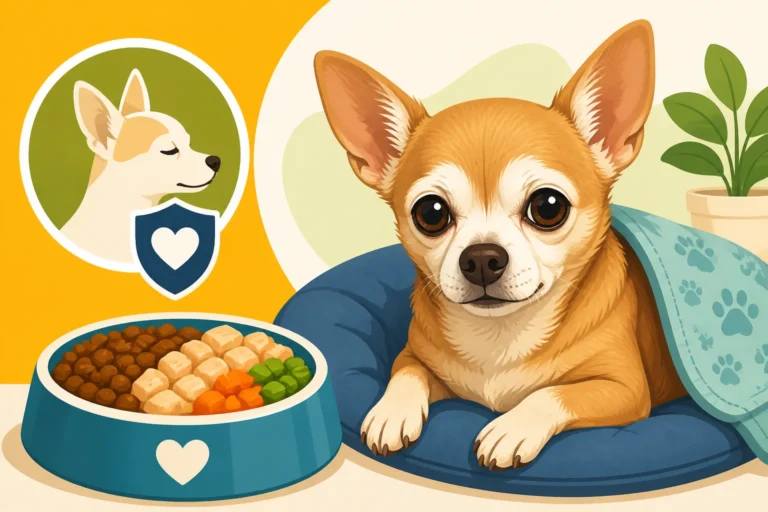
- Increase Dietary Fiber: This is often the number one recommendation. Fiber adds bulk to your Chihuahua's stool, making it firmer and more consistent, which in turn helps naturally express the glands during defecation.
- Natural Sources: Many vets recommend adding a small amount of plain, cooked pumpkin puree (not pie filling!) to your Chihuahua's food. A tiny dollop, like a half-teaspoon once or twice a day, can be incredibly effective. Other options include cooked green beans or carrots, finely chopped.
- High-Fiber Dog Foods: Look for high-quality dog foods that list fiber-rich ingredients. If you're exploring fresh food options, brands like Ollie often formulate their meals with good fiber content. You can also discuss specific fiber supplements with your vet, which can be found at pet supply stores like Chewy or general online retailers like Amazon. Remember to always introduce new foods slowly to avoid upsetting your Chihuahua's tiny tummy. Learn more about Feeding a Chihuahua on Two Hundred Calories a Day to ensure you're balancing calories and fiber.
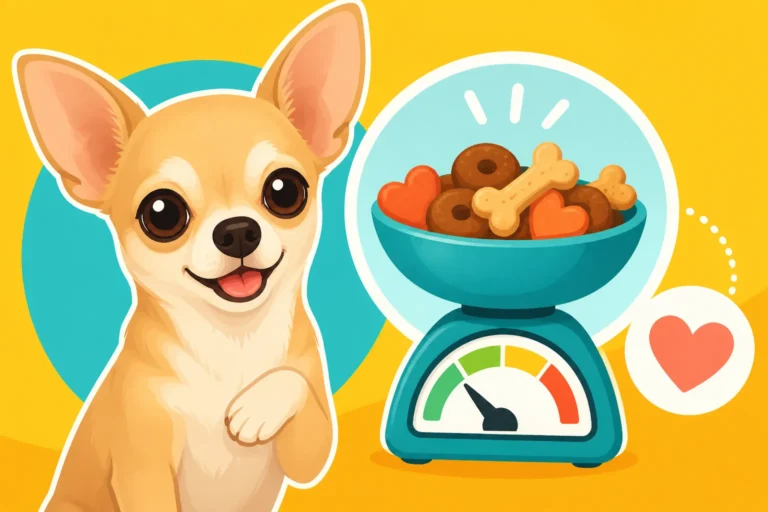
- Maintain a Healthy Weight: Obesity can make natural expression more difficult. A healthy body weight ensures that your Chihuahua's internal anatomy is in its optimal position to function correctly. Reviewing Chihuahua Obesity on a Six Pound Frame can give you more insights into managing your dog's weight.
- Regular Exercise: Consistent daily exercise promotes healthy digestion and regular bowel movements. Even for a small Chihuahua, a good 20-30 minute walk or energetic play session can make a difference. Chihuahua Exercise for a Dog That Fits in a Bag gives you some great ideas for keeping your little one active.
- Consistent Hydration: Ensure your Chihuahua always has access to fresh, clean water. Good hydration contributes to healthy stool consistency.
- Regular Vet Check-ups: Even with preventative measures, some Chihuahuas will still need occasional assistance. Regular vet visits allow your vet to check the glands as part of a routine exam and address any issues before they become severe. This is also a good opportunity to discuss Chihuahua Dental Disease in a Crowded Small Jaw, another common issue for the breed that benefits from regular professional care.
- Professional Grooming: If you use a professional groomer, they can often check and express glands as part of their service, or at least alert you if they feel full. Be sure they are trained and experienced with internal expression, if needed. For general hygiene and comfort, understand Smooth Coat and Long Coat Chihuahua Grooming to keep your dog comfortable in all aspects.
By being proactive with diet, exercise, and regular vet care, you can significantly reduce the chances of your Chihuahua experiencing uncomfortable anal gland issues, leading to a happier, healthier, and certainly less smelly home for everyone!
Disclaimer
This article is for general informational purposes only and does not constitute professional advice. Laws, prices and regulations vary by location and change over time. Consult a qualified professional for guidance on your specific situation.