Chihuahua Shedding and What to Expect
One of the common surprises new Chihuahua owners face is just how much these tiny dogs can shed. You might picture a small dog meaning minimal hair around the house, but the reality is that Chihuahuas, regardless of their coat type, absolutely shed. This guide will walk you through what to realistically expect when it comes to Chihuahua shedding, differentiating between normal hair loss and when it might signal a deeper issue, and offering practical strategies to keep your home tidier and your pup's coat healthy.
Understanding Chihuahua Coat Types and Their Shedding Patterns
It’s easy to think a tiny dog means a tiny amount of hair, but every dog, from a Great Dane to a Chihuahua, sheds. The difference often lies in the type of hair and how it sheds, which is heavily influenced by your Chihuahua’s coat type. Understanding this is the first step to managing the hair in your home and on your clothes.
Smooth Coat Chihuahua Shedding
Many people are drawn to smooth coat Chihuahuas (sometimes called "short-haired") believing they are low-shedding. While they don't produce the tumbleweeds of hair that a long-coated dog might, this is a common misconception. Smooth coats, though short, are incredibly dense, and those fine, bristly hairs shed continuously throughout the year. You won't necessarily see large clumps, but you will find individual hairs woven into carpets, embedded in furniture fabric, and sticking to your dark clothing like tiny needles.
The shedding from a smooth coat Chihuahua can be quite insidious because the hairs are so small and light. They can become airborne easily and settle everywhere. It's not a dramatic "coat blow" like some breeds, but rather a constant, low-level shedding that, over time, accumulates. You might notice it most when you wear dark pants or when sunlight catches the fine hairs floating through the air. This continuous shedding means that consistent grooming and cleaning routines are essential, even if the visible amount of hair seems less daunting than that of their long-coated cousins. For more on their specific grooming needs, check out Smooth Coat Chihuahua Grooming.
Long Coat Chihuahua Shedding
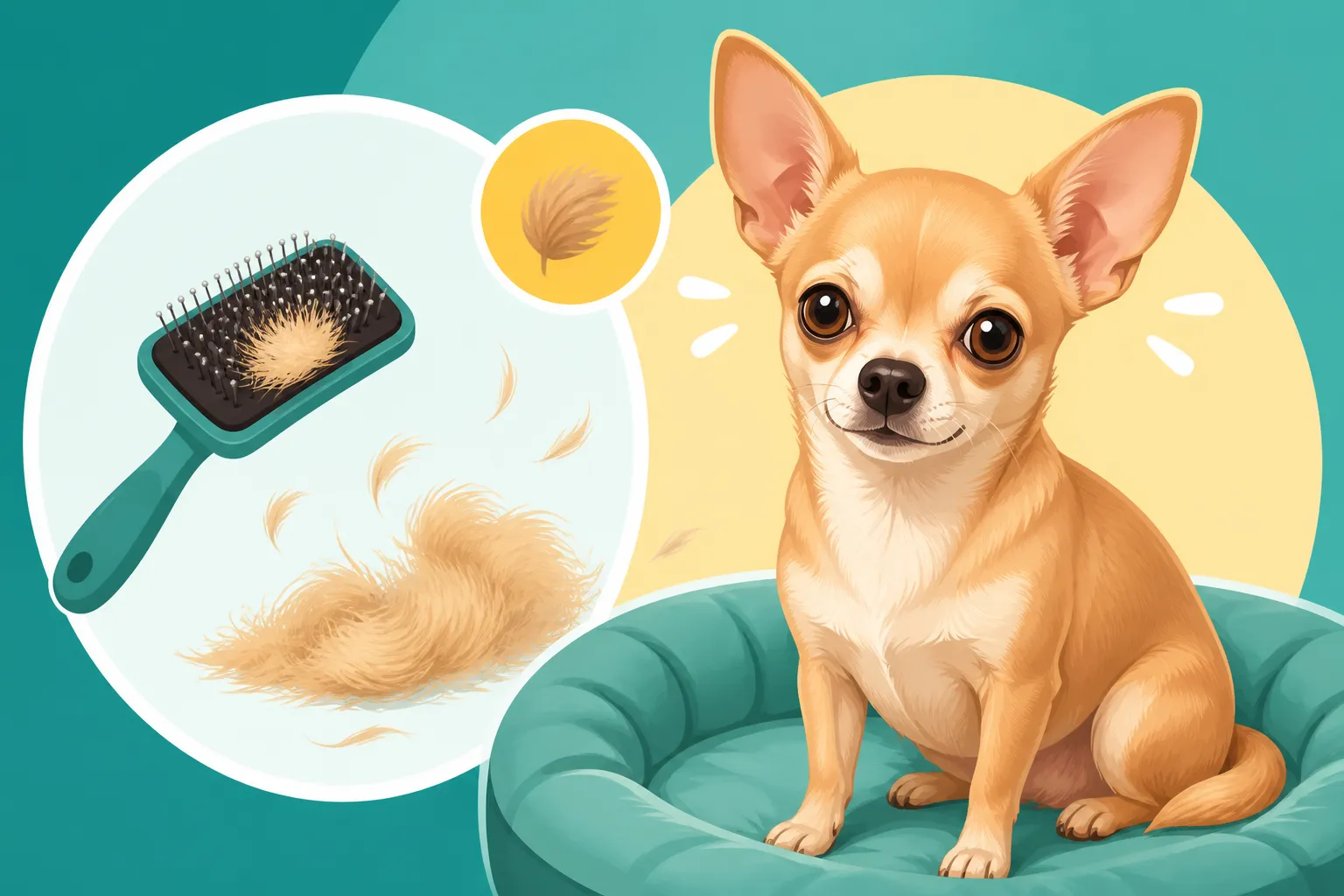
Long coat Chihuahuas definitely make their shedding more obvious. Their longer, softer hair, often accompanied by an undercoat, means that when they shed, you’ll see it. These Chihuahuas typically have a double coat, which consists of a softer, insulating undercoat and coarser guard hairs. While they also shed year-round, their shedding tends to be more pronounced seasonally, especially in spring and fall. During these periods, they will "blow their coat," meaning they shed significant amounts of their undercoat to adjust to changing temperatures.
When a long coat Chihuahua sheds, you might find small drifts of hair, particularly in their favorite sleeping spots or after a good scratch. The longer hairs are often easier to spot and collect than the fine hairs of a smooth coat, but there will be more of them. The feathering on their ears, legs, and tail, which gives them such a distinctive look, also sheds. Regular brushing is paramount to prevent mats and tangles from forming as the old hair loosens, and it helps remove dead hair before it has a chance to spread throughout your home. For detailed care, see Long Coat Chihuahua Grooming.
Seasonal Shedding vs. Problem Shedding: What's Normal?
Understanding the difference between normal, healthy shedding and shedding that might signal an underlying problem is key to your Chihuahua's well-being. All dogs shed, but how they shed and how much can tell you a lot about their health.
Normal Seasonal Shedding Cycles
Just like many other dog breeds, Chihuahuas experience seasonal shedding, particularly if they spend a good amount of time outdoors, allowing their bodies to respond to natural light cycles and temperature changes. You'll often notice an increase in shedding in the spring as they shed their thick winter undercoat to prepare for warmer weather, and then again in the fall to make way for a new, denser coat. This is a perfectly natural process, driven by hormones and environmental cues.
Even indoor Chihuahuas, who might be less exposed to dramatic seasonal shifts, can still experience these cycles. Factors like artificial lighting can sometimes disrupt natural patterns, leading to more continuous, less distinct seasonal shedding. During these peak shedding times, you'll simply need to increase your grooming efforts. Brushing daily, sometimes even twice a day, can make a huge difference in managing the amount of hair that ends up on your furniture and floors. It’s a temporary nuisance for a healthy dog, and part of living with a furry companion.
Signs of Excessive or Unhealthy Shedding
While some shedding is normal, there are definite red flags that indicate something might be wrong. If your Chihuahua is shedding in clumps, developing bald patches, or if their coat appears dull, brittle, or greasy, it’s time for a vet visit. Excessive shedding that isn't related to a seasonal coat blow, especially if accompanied by scratching, redness, or skin irritation, can point to various health issues.
Possible causes for unhealthy shedding include:
- Nutritional Deficiencies: A diet lacking essential fatty acids, vitamins, or protein can lead to a dull coat and increased shedding. For information on feeding a healthy diet, refer to Feeding a Chihuahua on Two Hundred Calories a Day.
- Allergies: Chihuahuas can suffer from environmental allergies (like pollen or dust mites) or food allergies, which often manifest as itchy skin, redness, and hair loss. You might notice them scratching excessively, leading to further hair thinning. Learn more about managing these issues in Chihuahua Skin Allergies and Hair Loss.
- Parasites: Fleas, ticks, and mites can cause intense itching, leading your Chihuahua to scratch, lick, and bite at their skin, resulting in localized hair loss and irritation.
- Stress or Anxiety: Just like humans, dogs can shed more when stressed. A significant change in routine, a new pet, or separation anxiety can all trigger increased hair loss. Chihuahua Separation Anxiety and Time Alone discusses this common issue.
- Hormonal Imbalances: Conditions like hypothyroidism or Cushing's disease can affect coat health and lead to generalized hair thinning or loss.
- Other Medical Conditions: More serious underlying diseases, including kidney disease or certain cancers, can also impact coat health. Regularly monitoring your Chihuahua's Chihuahua Body Condition on a Tiny Frame can help you spot early changes.
If you suspect your Chihuahua's shedding is more than just normal, don't hesitate to consult your veterinarian. Early diagnosis and treatment can prevent further discomfort for your tiny friend.
Effective Strategies for Managing Chihuahua Shedding
Dealing with Chihuahua shedding isn't about stopping it entirely – that's impossible and unhealthy! It's about proactive management to keep their coat healthy and minimize the hair around your home. A consistent routine is your best friend here.
Grooming Tools and Techniques for Each Coat Type
Regular grooming is the single most effective way to control shedding. The right tools and techniques depend heavily on whether you have a smooth coat or a long coat Chihuahua.
For smooth coat Chihuahuas, your goal is to remove those fine, loose hairs before they fall out naturally.
- Rubber Curry Brushes or Grooming Mitts: These are fantastic for smooth coats. The rubber nubs gently massage the skin, stimulating circulation and loosening dead hair. You'll be surprised how much hair these can collect, even from a seemingly short coat. Use gentle, circular motions, then long strokes in the direction of hair growth. You can find excellent options on Chewy or Amazon.
- Deshedding Gloves: Similar to curry brushes, these gloves fit over your hand and allow you to "pet" away loose hair. They're great for Chihuahuas who might be sensitive to traditional brushes, as it feels more like a loving touch.
- Soft Bristle Brushes: A soft bristle brush can give their coat a lovely shine by distributing natural oils and removing any remaining loose hairs.
For long coat Chihuahuas, the approach needs to be more comprehensive due to their double coat and longer hair.
- Pin Brushes: These brushes have wire pins with rounded tips and are excellent for detangling and removing loose hair from the longer topcoat without pulling. Brush gently, working through small sections of their coat, especially around the ears, legs, and tail where feathering is prominent.
- Slicker Brushes: With fine, bent wire bristles, slicker brushes are effective for removing mats and tangles and for reaching the undercoat to pull out dead hair during seasonal shedding. Use a light touch to avoid irritating their delicate skin. Again, Chewy and Amazon offer a wide array of options to choose from.
- Undercoat Rakes or Deshedding Tools: During heavy shedding seasons, an undercoat rake can be invaluable. These tools are designed to reach through the topcoat and gently pull out loose undercoat without cutting the guard hairs. Use sparingly and carefully to avoid skin irritation.
Regardless of coat type, aim to brush your Chihuahua at least 2-3 times a week, and daily during peak shedding seasons. Make grooming a positive experience with treats and praise, and consider doing it outdoors if possible to contain the hair.
Nutritional Support for a Healthy Coat
A healthy coat starts from within. Providing your Chihuahua with a high-quality diet is crucial for minimizing shedding and promoting a lustrous, strong coat. Look for dog foods where a named meat source is the first ingredient, and ensure it contains a good balance of essential nutrients.
- Omega Fatty Acids: These are the superheroes for skin and coat health. Omega-3 and Omega-6 fatty acids help reduce inflammation, moisturize the skin, and strengthen hair follicles, leading to less shedding and a shinier coat. Many premium dog foods include these, but you can also add supplements like fish oil (specifically formulated for dogs and dosed for their tiny weight) to their diet. Brands like Ollie focus on fresh, human-grade ingredients that are often rich in these beneficial fats, or you can find reputable supplements on Chewy.
- Protein: Hair is primarily made of protein, so a diet rich in high-quality protein sources is essential for strong hair growth.
- Vitamins and Minerals: Ensure their food contains a complete spectrum of vitamins and minerals, as deficiencies can quickly impact coat quality.
Always consult your vet before adding any new supplements to your Chihuahua’s diet, especially given their small size and specific needs.
Bathing and Skin Care
Bathing plays a supporting role in shedding management. While over-bathing can strip natural oils and dry out skin, a well-timed bath can help loosen and remove dead hair, especially during heavy shedding periods.
- Frequency: For most Chihuahuas, bathing every 3-4 weeks is sufficient, or as needed if they get dirty. During heavy shedding, a bath followed by a thorough brushing can help release a lot of loose hair.
- Shampoo Choice: Use a gentle, moisturizing dog shampoo that is specifically formulated for their sensitive skin. Look for ingredients like oatmeal or aloe vera if your Chihuahua has dry or sensitive skin. Avoid harsh detergents or human shampoos.
- Thorough Rinsing: Always rinse thoroughly to ensure no shampoo residue is left behind, which can irritate the skin and lead to flaking.
- Drying: Chihuahuas can get cold very easily, so thorough drying is critical after a bath. Towel dry vigorously, and consider using a low-heat hairdryer specifically designed for pets. Make sure they are completely dry before letting them roam freely, especially in cooler environments, as a damp Chihuahua can quickly get chilled. Learn more about keeping them warm in Warming a Chihuahua Through an Anesthetic (though in a different context, the principle of warmth applies!) and Warming a Chihuahua Straight After a Bath.
- Conditioner: For long coat Chihuahuas, a canine conditioner can help detangle hair, add moisture, and reduce static, making subsequent brushing easier and reducing breakage.
Environmental Management to Minimize Shedding Impact
Even with the most diligent grooming, some Chihuahua hair will inevitably make its way into your home. The key is to have a good system for managing it to keep your living space clean and comfortable.
Cleaning Routines for Chihuahua Hair
A tidy home is a happy home, especially when you share it with a shedding Chihuahua. Regular cleaning is non-negotiable if you want to keep the hair at bay.
- Frequent Vacuuming: Invest in a good quality vacuum cleaner, ideally one designed for pet hair, and use it frequently. Daily vacuuming of high-traffic areas and weekly vacuuming of your entire home will make a noticeable difference. Don't forget under furniture, where those light Chihuahua hairs love to gather in little dust bunnies.
- Lint Rollers: Keep lint rollers strategically placed by the door, in your car, and near your favorite armchair. They are indispensable for quick clean-ups on clothing, upholstery, and pet beds. You'll be amazed at how much hair they pick up in a swipe.
- Washing Bedding and Covers: Regularly wash your Chihuahua's beds, blankets, and any slipcovers on furniture they frequent. This helps remove trapped hair and dander, improving air quality and reducing allergens. For tips on their comfort, see Chihuahua Beds and Blankets for Warmth.
- Furniture Protection: Consider using washable throws or blankets on your sofas and chairs. Not only do they add a cozy touch, but they also act as a barrier, collecting hair that can then be easily removed and washed.
Managing Indoor Climate and Stress
Believe it or not, your home's environment and your Chihuahua's stress levels can impact shedding. Addressing these can be another tool in your shedding management arsenal.
- Humidity: Extremely dry indoor air can contribute to dry, flaky skin and a brittle coat, which can exacerbate shedding. Using a humidifier, especially during dry winter months, can add moisture to the air, benefiting both your Chihuahua's skin and your own.
- Temperature: While Chihuahuas need to be kept warm, an excessively hot or stuffy environment can also cause discomfort and potentially increase shedding. Maintaining a comfortable, consistent indoor temperature is best. For more on keeping them cozy, refer to Setting a Thermostat Around a Chihuahua.
- Reducing Stress: A stressed dog can shed more. If your Chihuahua is prone to anxiety, whether it's Chihuahua Separation Anxiety and Time Alone or fear of loud noises, working to alleviate that stress can sometimes lead to a healthier coat. Providing a consistent routine, a safe den (like a crate), plenty of exercise, and positive reinforcement training can all contribute to a calmer, happier pup and potentially less stress-induced shedding.
By combining consistent grooming, a healthy diet, and smart environmental management, you can effectively navigate the reality of Chihuahua shedding and enjoy your adorable, albeit occasionally shedding, companion.
Here's a quick comparison of what to expect and how to handle shedding for both smooth and long coat Chihuahuas:
| Feature | Smooth Coat Chihuahua | Long Coat Chihuahua |
|---|---|---|
| Shedding Pattern | Continuous, low-level shedding year-round. | Year-round shedding, more pronounced seasonal "coat blows." |
| Hair Type | Short, fine, bristly hairs that embed easily. | Longer, softer hair, often with a dense undercoat. |
| Visibility | Hairs are less visible but stick to everything. | Hairs are more visible, form small clumps or drifts. |
| Primary Goal | Remove fine, dead hairs before they settle. | Prevent mats, remove undercoat, manage visible hair. |
| Recommended Brushes | Rubber curry brush, grooming mitt, soft bristle brush. | Pin brush, slicker brush, undercoat rake/deshedding tool. |
| Bathing Impact | Helps loosen fine hairs; less critical for detangling. | Helps loosen undercoat; crucial for managing long hair. |
| Frequency | 2-3 times/week; daily during peak times. | 3-4 times/week; daily during peak times. |
Disclaimer
This article is for general informational purposes only and does not constitute professional advice. Laws, prices and regulations vary by location and change over time. Consult a qualified professional for guidance on your specific situation.