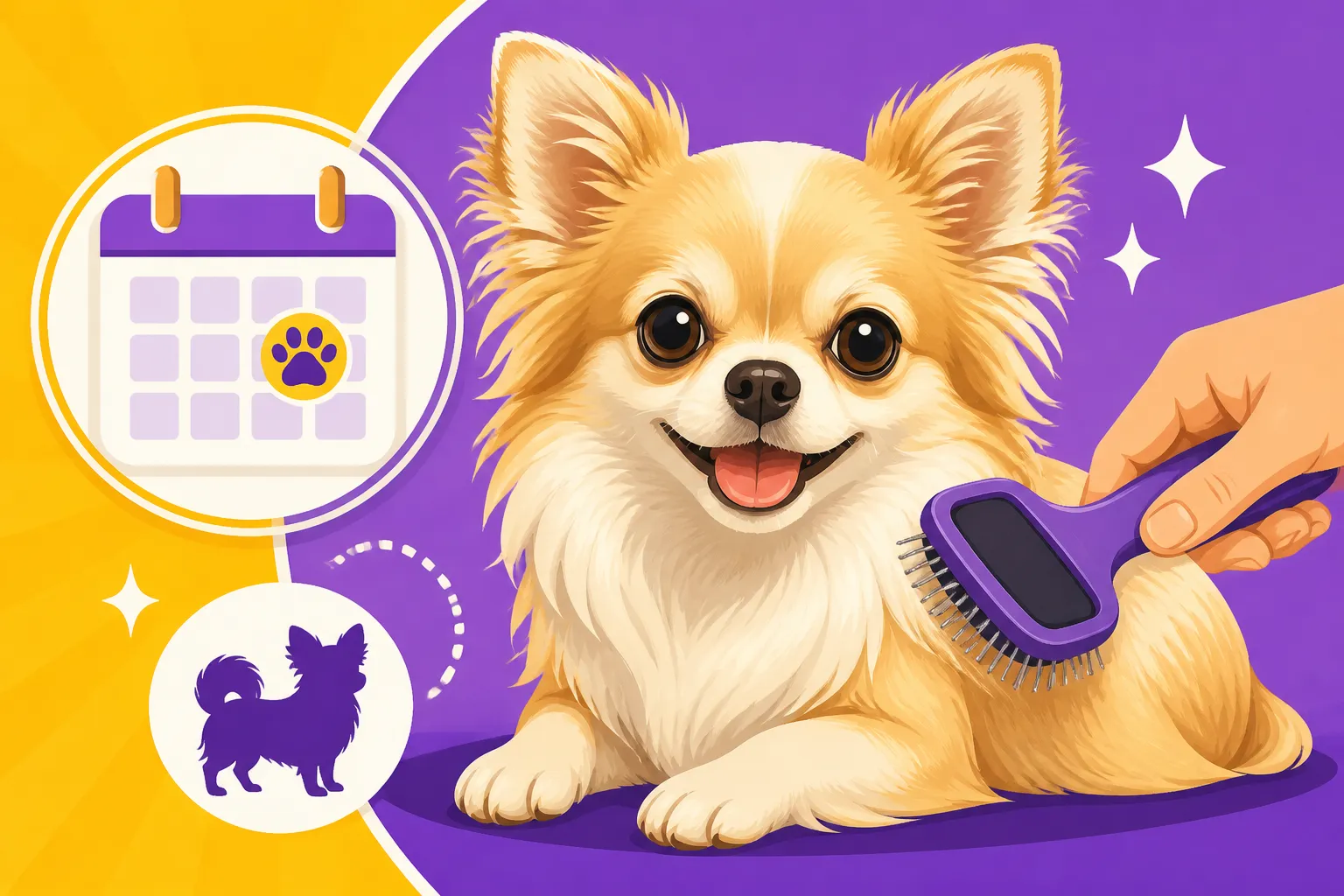
Brushing a Long Coat Chihuahua Weekly
Anyone who shares their life with a long-haired Chihuahua knows the struggle: one minute your little companion is a fluffy cloud of joy, the next they've rolled in something, or just woken up with a knot the size of a golf ball behind their ear. Keeping that gorgeous long coat pristine and tangle-free isn't just about aesthetics; it's a vital part of their health and comfort. This guide will walk you through the ins and outs of weekly brushing, offering practical steps and empathy for the unique challenges of grooming such a tiny, delicate friend.
Why Regular Brushing is Non-Negotiable for Long Coat Chihuahuas
It's easy to think a quick ruffle of the fur is enough for a small dog, but a long coat Chihuahua's hair has specific needs. Neglecting their grooming can lead to uncomfortable and even painful issues that are entirely preventable with a consistent routine. It's not just about looking good; it's about feeling good.
Preventing Mats and Tangles
Long-haired Chihuahuas boast beautiful flowing locks, sometimes with elegant feathering on their ears, legs, and tail. This beauty, however, comes with a trade-off: it's incredibly prone to matting. Mats aren't just cosmetic; they are dense clumps of hair that pull on your Chihuahua's delicate skin, causing irritation, pain, and even bruising. Imagine having a permanent ponytail tugging at your scalp, and you'll get a sense of what a mat feels like. These mats can form rapidly, especially in high-friction areas like behind the ears, under the armpits, or where a harness rubs. Even a little moisture, like dew from a morning walk or a bit of drool, can accelerate the matting process.
The problem with mats is that once they start, they get tighter and tighter, literally shrinking as more hair gets woven into them and the skin beneath dries out. This can severely restrict movement, making walking, running, or even lying down uncomfortable. A Chihuahua might become reluctant to be touched in matted areas, which can easily be mistaken for a behavioral issue when it's really just pain. Regular, thorough brushing is the only consistent way to prevent these painful knots from taking hold, ensuring your Chihuahua can move freely and without discomfort. Ignoring them for too long means the only humane solution might be to shave them down, which can be a stressful experience for a tiny dog.
Skin Health and Circulation
Beyond preventing mats, brushing plays a crucial role in maintaining your Chihuahua's skin health. Their long hair, while beautiful, can sometimes hide issues beneath. A good brushing session acts like a mini massage, stimulating blood circulation to the skin. This improved circulation helps deliver vital nutrients to the hair follicles, promoting healthy hair growth and a shiny coat. It also helps to evenly distribute the natural oils produced by their skin. These oils are their coat's natural conditioner, keeping the hair soft, pliable, and less prone to breakage.
Without regular brushing, these natural oils can build up in some areas and leave others dry. This imbalance can lead to greasy patches, dry flaky skin, or even exacerbate skin sensitivities. As you brush, you're also gently exfoliating the skin, removing loose dander and dead skin cells that can otherwise contribute to itching or irritation. It's an opportunity to inspect their skin closely for any redness, bumps, parasites, or unusual growths that might otherwise go unnoticed under a thick coat. Catching these issues early can save a lot of discomfort and potentially expensive vet visits down the line.
Reducing Shedding and Allergens
All dogs shed, and Chihuahuas are no exception, even with their fine hair. Long-haired Chihuahuas often shed a surprisingly large amount of hair for their size, especially during seasonal changes. While you might not see massive clumps, that fine hair can weave its way into everything – your clothes, your furniture, and even your morning coffee. Regular brushing significantly reduces the amount of loose hair floating around your home. By removing dead and shedding hair directly from your dog, you're preventing it from landing on your upholstery or becoming airborne.
For households with allergy sufferers, this is a huge benefit. Pet allergies are often triggered by dander (dead skin flakes) and saliva proteins that cling to pet hair. When you brush your Chihuahua, you're not just removing hair; you're also collecting those tiny flakes of dander before they disperse throughout your environment. A consistent weekly brushing routine means less dander and hair to trigger reactions, creating a more comfortable living space for everyone. It also keeps their coat looking tidier and healthier, without that slightly dusty, dull appearance that comes from trapped loose hair. For more tips on maintaining coat health, check out Coat Care for a Long Haired Chihuahua.
The Essential Tools for Long Coat Chihuahua Grooming
Having the right tools makes all the difference when grooming a long coat Chihuahua. Trying to tackle tangles with the wrong brush can be frustrating for you and uncomfortable for your pup. Investing in a few key items will make your weekly brushing sessions much more effective and enjoyable.
Choosing the Right Brush
When it comes to brushing a long coat Chihuahua, you can't just grab any old brush. You'll likely need a combination of tools to effectively manage their delicate fur.
First up is a pin brush. This brush typically has metal pins with rounded tips, set into a rubber base. It's excellent for gliding through the longer sections of your Chihuahua's coat, gently separating strands without pulling on their skin. It's fantastic for overall coat maintenance and for fluffy areas like their tail plume or ear feathering. Think of it as your primary brush for daily or every-other-day general detangling. Many pet supply stores, including large online retailers like Chewy, offer a wide variety of pin brushes specifically designed for small breeds.
Next, and perhaps most crucial, is a slicker brush. These brushes have fine, short, wire bristles angled on a flat or curved surface. They are incredibly effective at getting through dense undercoat and removing loose hair, as well as breaking up small mats. For a long coat Chihuahua, choose one with soft, flexible pins to avoid scratching their delicate skin. You'll use this brush to work through sections of hair, gently lifting and separating. Be very careful with a slicker brush on fine skin; always brush away from the skin, not directly into it.
Finally, a steel comb with both wide and fine teeth is indispensable. After using your pin and slicker brushes, the comb is your finishing tool to ensure there are no hidden tangles. Start with the wide-toothed side to work through any remaining snags, then follow up with the fine-toothed side for a smooth finish. The comb is also perfect for delicate areas like around their eyes and mouth. This multi-purpose tool is invaluable for ensuring you've really gotten all the way down to the skin. You can find excellent quality grooming combs on Amazon or at your local pet store. For persistent tangles, especially behind the ears, a fine-toothed comb can be a lifesaver, but always use it gently.
Detangling Sprays and Conditioners
A good detangling spray is a long coat Chihuahua owner's best friend. Their fine hair can become tangled very easily, and trying to brush through dry tangles is a recipe for pain and frustration. Detangling sprays help to lubricate the hair shaft, making it easier for your brush or comb to glide through knots without pulling or breaking the hair. These sprays often contain conditioning agents that also nourish the coat, leaving it soft and shiny.
Before you even touch a brush to a matted area, liberally spritz it with a detangling spray. Let it sit for a minute or two to allow the product to penetrate the tangle. This simple step can turn a painful, tugging ordeal into a much gentler process. You can find a variety of detangling sprays designed for dogs at pet stores or online. Look for formulas that are gentle, tearless, and specifically designed for long-haired breeds. Some owners even dilute a dog-safe conditioner with water in a spray bottle for a homemade solution. Always ensure any product you use is safe for dogs and won't cause skin irritation or upset if they lick their coat. These sprays aren't just for existing tangles; a light mist before each brushing session can make the whole process smoother and help prevent new tangles from forming.
Nail Trimmers and Ear Cleaners
While the main focus here is brushing, a weekly grooming session is the perfect time to tackle other essential maintenance tasks for your Chihuahua. Keeping their nails trimmed is vital for their comfort and long-term joint health. Overgrown nails can make walking painful, alter their gait, and even lead to foot deformities. Since Chihuahuas are so small, getting the right size nail trimmers is important. There are scissor-style trimmers or guillotine-style; choose whatever you feel most comfortable with, but always make sure they are sharp to ensure a clean cut. If you're nervous about cutting too far, a nail grinder is a gentler alternative. For a detailed guide, see Chihuahua Nail Trimming at Toy Size.
Another area that often gets overlooked is their ears. Long-haired Chihuahuas, especially those with more upright, open ears, can accumulate dust, dirt, and wax. Regularly cleaning their ears helps prevent infections. Use a veterinarian-approved ear cleaning solution and a cotton ball or soft gauze. Never use cotton swabs inside the ear canal, as this can push debris further in and damage the eardrum. Simply wipe the visible parts of the ear. If you notice any redness, foul odor, or excessive scratching, it's time for a vet visit. By integrating these tasks into your weekly routine, you're ensuring a comprehensive approach to your Chihuahua's overall hygiene and well-being. Keeping all these tools handy will make your grooming sessions efficient and complete.
A Step-by-Step Guide to Weekly Brushing
Establishing a routine and making the experience positive is key to successful grooming with your long coat Chihuahua. These little dogs are sensitive, and rushing or using harsh methods can quickly turn brushing into a dreaded event for both of you.
Creating a Calm Environment
Before you even pick up a brush, take a moment to set the stage for a positive grooming experience. Choose a quiet time when your Chihuahua is relaxed, perhaps after a short walk or a potty break, but before mealtime when they might be overly eager. Find a comfortable, well-lit spot where you both can be at ease. This might be on your lap, on a low table with a non-slip mat, or even on a dedicated grooming table if you have one. The key is to choose a consistent location so your Chihuahua learns to associate that spot with their grooming routine.
Ensure you have all your tools laid out and within easy reach – your pin brush, slicker brush, comb, detangling spray, and some tiny, high-value treats. A calm demeanor from you is crucial; your Chihuahua will pick up on any stress or frustration you feel. Speak to them in a soft, reassuring voice. Some owners find that gentle music or calming scents (like a diffuser with lavender, ensuring it's pet-safe and not overwhelming) can further aid relaxation. Make this time special, a quiet bonding moment rather than a chore. Consistency in time and location helps immensely in reducing their anxiety.
The Brushing Technique
Once your environment is set and your Chihuahua is relaxed, you can begin the actual brushing. The most effective technique for long-haired breeds is called "line brushing" or "pinning back."
Start by gently laying your Chihuahua on their side, or have them stand comfortably. Pick a section to start with – many people begin with a leg or the belly, as these areas are often less sensitive initially. Use one hand to gently part the hair, exposing a small section of skin. With your other hand, hold the rest of the hair up and out of the way, effectively creating a "line." Now, using your pin brush or slicker brush (depending on the density of the area), brush down through that small section of hair, working from the skin outwards. Be incredibly gentle, using short, soft strokes. The goal is to detangle from the ends, working your way up to the roots, ensuring you're not pulling on the skin.
Once that small section is tangle-free, drop a little more hair from the "held-up" portion, creating a new "line" just above the previous one, and repeat the process. Work your way methodically across their entire body – legs, belly, chest, back, sides, and don't forget the tail and ear feathering. These feathered areas are prime spots for tangles. For the delicate areas like behind the ears or under the armpits, apply a detangling spray generously before you begin to help loosen any knots. Remember, always brush through the hair, not directly into a mat, and always be on the lookout for hidden mats, especially in denser areas where the coat is thicker. You may find that Long Coat Chihuahua Mats Behind the Ears is a particularly common spot to target.
Post-Brushing Inspection and Rewards
After you've thoroughly brushed every section with your pin and slicker brushes, it's time for the final inspection with your steel comb. This step is critical because it confirms whether you've truly removed all the tangles and reached the skin. Start with the wide-toothed side of your comb and gently comb through the entire coat, making sure the comb glides smoothly from root to tip. If you hit any resistance, stop immediately. Don't pull. Instead, go back to that spot, apply more detangling spray, and use your slicker brush to carefully work out the knot before combing again. Once the wide-toothed comb passes through freely, repeat with the fine-toothed side to ensure ultimate smoothness.
While you're doing this final check, use the opportunity to visually inspect your Chihuahua's skin for any redness, flakiness, fleas, or ticks. Check their paw pads for any debris or overgrown fur between the toes, and glance at their ears for cleanliness. This routine check is part of responsible pet ownership, as it allows you to catch potential issues early.
Once the brushing is complete and your Chihuahua is looking magnificent, lavish them with praise and those high-value treats you set aside earlier. This positive reinforcement is vital. It teaches them that grooming time leads to good things, reinforcing their willingness to cooperate next time. A little game of fetch or a cuddle session immediately following can also cement the positive association. The goal is to make grooming a pleasant, bonding experience, not a stressful ordeal. This way, your Chihuahua will associate their weekly brush with positive attention and tasty rewards, making future sessions much easier.
Common Challenges and Troubleshooting
Even with the best intentions and tools, grooming a long coat Chihuahua can present some unique challenges. It's important to be prepared for these hurdles and know how to address them gently and effectively.
Dealing with Stubborn Mats
You've done your best with regular brushing, but sometimes, despite all your efforts, a stubborn mat just happens. Perhaps your Chihuahua rolled in something sticky, or you missed a spot for a few days. The cardinal rule here is: never use scissors to cut out a mat without placing a comb between the mat and the skin first. Chihuahua skin is incredibly thin and delicate, and it's alarmingly easy to accidentally cut them, even with blunt-nosed scissors. The skin beneath a tight mat is often pulled taut, making it even more susceptible to injury.
If you encounter a mat that won't budge with detangling spray and careful brushing, try this: liberally apply a high-quality detangling spray or even a bit of cornstarch directly onto the mat. Gently work it in with your fingers. Then, using the fine-toothed side of your steel comb, try to tease apart the mat from the outermost edges, working tiny strands free at a time. It's like carefully unraveling a tiny knot, rather than yanking through it. If the mat is very tight, you can use a seam ripper or a de-matting tool (designed with small, guarded blades) to carefully slice through the mat in the direction of hair growth. Again, always place a comb between the tool and the skin to prevent injury. Be patient; this can take time. If the mat is too close to the skin, too large, or your Chihuahua is showing signs of pain or extreme discomfort, it's always best to seek professional help from a reputable groomer or your vet. They have specialized tools and expertise to remove mats safely and with minimal stress to your pet.
Chihuahua Resistance to Brushing
It's not uncommon for Chihuahuas to be a bit resistant to grooming. Their small size can make them feel vulnerable, and any previous negative experiences can make them wary. If your Chihuahua is fighting you during brushing, the first step is to stop and reassess. Forcing them will only make the situation worse and create a lasting negative association.
Start by working in very short bursts – even just 30 seconds to a minute – and immediately follow with a high-value treat and praise. Gradually increase the duration as they become more comfortable. Focus on one small, less sensitive area at a time. For example, if they tolerate their back being brushed, start there, give a treat, and end the session. Over several days, slowly introduce other areas. Associate the brush with positive things: let them sniff the brush, then give a treat. Gently touch them with the brush, then give a treat. Build up to actual brushing very slowly. Training a Chihuahua Exactly Like a Big Dog emphasizes that even small dogs benefit from proper conditioning and positive reinforcement.
Sometimes, their resistance might stem from pain. If your Chihuahua suddenly becomes resistant to brushing an area they previously tolerated, or cries out, it's essential to check for underlying issues like skin irritation, a hidden injury, or a new mat that's pulling. If you suspect pain, a vet visit is warranted. Consistency and patience, coupled with high-value rewards, are your best tools for overcoming resistance. Consider using high-quality chews or a LickiMat with a spreadable treat (like peanut butter, pet-safe yogurt, or mashed banana) during brushing sessions to distract and reward them simultaneously.
When to Seek Professional Help
While weekly home brushing is essential, there are times when calling in a professional groomer is the best course of action. One of the most common reasons is severe matting. If your Chihuahua has developed dense, tight mats that you cannot safely remove at home, a professional groomer has the tools and expertise to shave them out without injuring your dog. Attempting to cut out severe mats yourself often leads to nicks and cuts, which can then become infected. A groomer can also assess the extent of the matting and advise on the best course of action.
Another reason to seek professional help is if your Chihuahua is extremely stressed or aggressive during grooming, despite your best efforts at positive reinforcement. A skilled groomer may have techniques or a setup that your dog responds better to. They are also experienced in handling a variety of temperaments and can complete the task quickly and efficiently, minimizing your dog's stress. If your Chihuahua requires a full body clip due to extreme matting, or if you want to maintain a specific "show" cut for your long-haired Chihuahua, a professional groomer is indispensable. They have specialized clippers, scissors, and styling knowledge to achieve the desired look while prioritizing your dog's comfort and safety. Furthermore, if you notice recurring skin issues, ear infections, or other health concerns during your home grooming sessions, a visit to your veterinarian might be needed, and they can sometimes refer you to groomers who work closely with vet clinics for animals with special needs or anxieties. They can also offer specific advice on things like Chihuahua Skin Allergies and Hair Loss.
Disclaimer
This article is for general informational purposes only and does not constitute professional advice. Laws, prices and regulations vary by location and change over time. Consult a qualified professional for guidance on your specific situation.