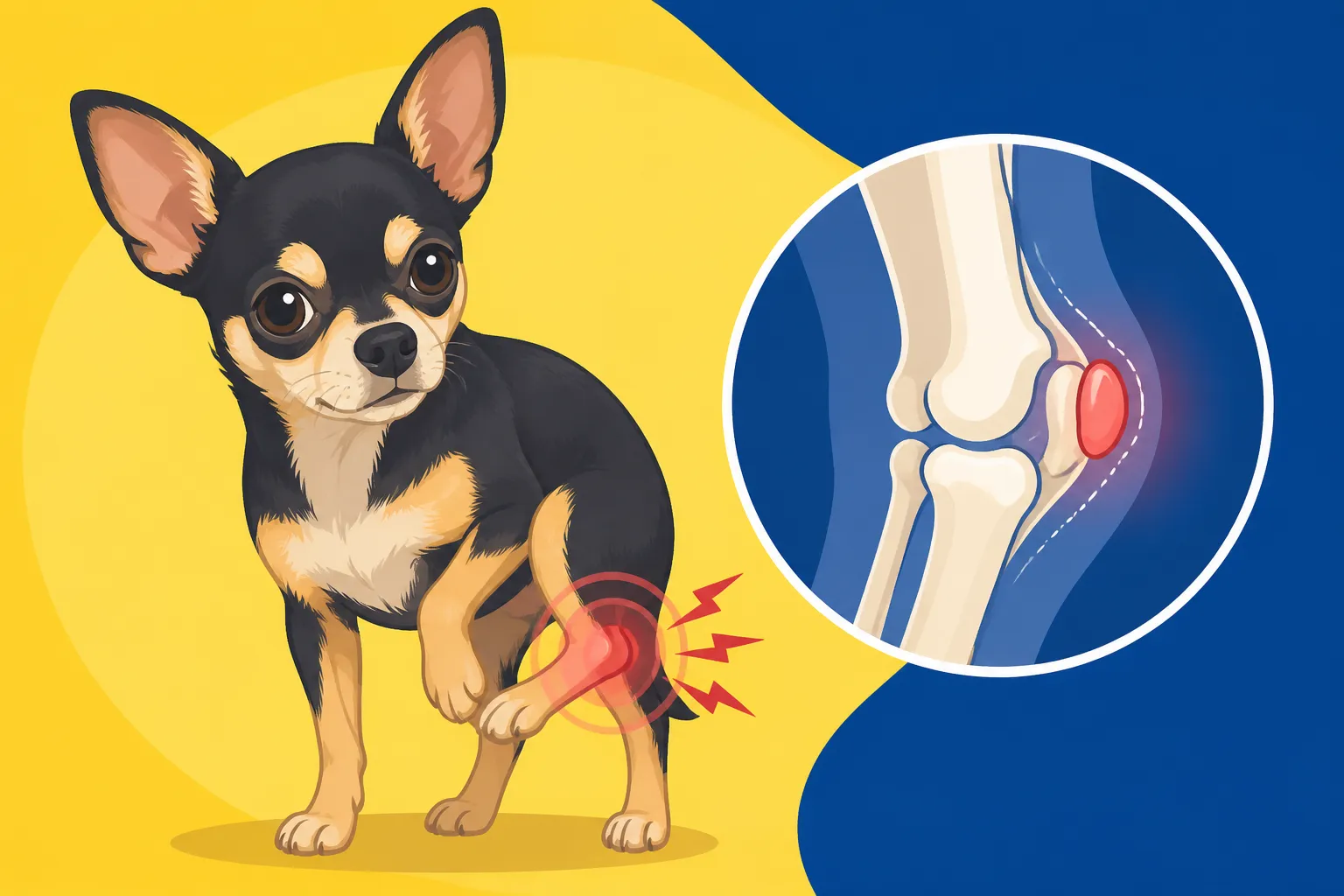
Patellar Luxation, the Chihuahua’s Commonest Joint Problem
One of the most heartbreaking worries for any Chihuahua parent is seeing their tiny companion struggle with mobility, especially when it comes to those delicate little legs. It's a common, often frustrating, reality that these pint-sized pups are prone to certain joint issues, and among them, patellar luxation stands out as the most frequent and impactful problem. If you've ever noticed your Chihuahua skipping a step, holding up a back leg, or just not moving with their usual joyful bounce, you're likely seeing the signs of this very common knee condition. This guide is here to walk you through everything you need to know about patellar luxation, from understanding what's going on inside your Chihuahua's knee to managing the condition and ensuring they can live their happiest, most comfortable life.
Understanding Patellar Luxation in Chihuahuas: What It Is and Why It Happens
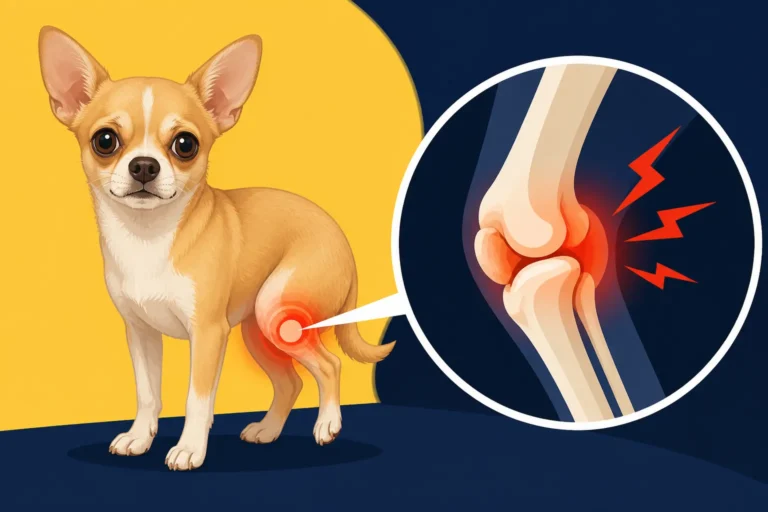
Patellar luxation might sound like a fancy veterinary term, but it simply means that your Chihuahua's kneecap (patella) slips out of its normal groove on the thigh bone (femur). It's incredibly common in small breeds like Chihuahuas, and it can range from a minor, occasional slip to a painful, constant displacement. This isn't just a quirky gait; it's a structural issue that can lead to significant discomfort and long-term joint damage if not managed properly.
The Anatomy of a Chihuahua Knee and How It Slips
To really get what's happening, let's take a quick peek at the knee. Imagine your Chihuahua's knee joint. It's not just a hinge; it's a complex system of bones, ligaments, and cartilage all working together. The patella, or kneecap, is a small bone embedded in the quadriceps tendon, which connects the thigh muscles to the shin bone (tibia). This kneecap is supposed to ride smoothly in a little V-shaped groove called the trochlear groove, located at the end of the femur. Think of it like a train on its tracks.
In a Chihuahua with patellar luxation, these "tracks" might not be deep enough, or the alignment of the bones and tendons might be a bit off. When your Chihuahua moves, especially when flexing and extending the knee, the patella can pop out of this groove. Most commonly, it slips inwards (medial luxation), but sometimes it can slip outwards (lateral luxation). This popping out and in can cause immediate pain, irritation, and over time, it wears down the cartilage and bone, potentially leading to arthritis and other complications. It’s a mechanical issue at its core, disrupting the smooth, efficient motion of the knee.
Genetic Predisposition and Breed-Specific Factors
It's no secret that some breeds are just more predisposed to certain health conditions, and Chihuahuas, with their delicate bone structure and rapid growth, are unfortunately at the top of the list for patellar luxation. This isn't just bad luck; it's largely genetic. Responsible breeders go to great lengths to screen their breeding dogs for this condition precisely because it's so heritable. If a Chihuahua's parents or grandparents had luxating patellas, there's a higher chance their offspring will too.
Beyond genetics, the very characteristics that make Chihuahuas so endearing can also contribute. Their small size means their bones and joints are miniature, making them more susceptible to developmental abnormalities. The way their legs are sometimes angled, or the shallow nature of their trochlear grooves, can be physical traits passed down that increase the risk. This isn't to say every Chihuahua will develop it, but if you own one, it’s certainly something to be aware of and proactively monitor, especially during their puppy years when their bones are still forming.
The Different Grades of Patellar Luxation
When a vet diagnoses patellar luxation, they don't just say "it slips." They'll assign a grade, which helps determine the severity and the best course of action. This grading system is super important because it provides a roadmap for treatment and prognosis. There are four grades, ranging from mild to severe:
- Grade I: This is the mildest form. The patella can be manually pushed out of the groove but will spontaneously pop back into place. Your Chihuahua might rarely show symptoms, perhaps just a momentary skip. You might not even notice it unless a vet specifically checks for it during a routine exam. However, even a Grade I can eventually lead to irritation and mild arthritis over many years. For more details on this mildest form, you might find information on Grade One Patellar Luxation That Corrects Itself helpful.
- Grade II: The patella slips out of the groove more easily, either manually or when your Chihuahua moves, and it doesn't always go back in on its own. It might require your dog to flex or extend their leg to "pop" it back. This is where you'll start to notice that classic "skipping" gait more frequently. The knee might look like it's locked up for a moment, and then your Chihuahua shakes its leg, and it's suddenly fine. This is a common point where owners first become aware of the issue.
- Grade III: The patella is out of the groove most of the time but can still be manually put back in. However, it quickly slips out again once released. Dogs with Grade III luxation often have persistent lameness and might develop a bow-legged appearance as their body tries to compensate. The constant displacement causes significant wear and tear, leading to more pronounced arthritis and discomfort.
- Grade IV: This is the most severe grade. The patella is permanently displaced and cannot be manually returned to the groove. The trochlear groove is often flattened or even convex, and the bones of the leg may be deformed. Dogs with Grade IV luxation will have significant, persistent lameness and may struggle to bear weight on the affected leg. They might walk with a crouched or severely abnormal gait. In such severe cases, a Chihuahua may have A Chihuahua Kneecap That Never Goes Back.
Understanding these grades helps your vet tailor a treatment plan, from conservative management for lower grades to surgical intervention for higher ones.
Recognizing the Signs: How to Spot Patellar Luxation in Your Chihuahua
One of the challenges with patellar luxation is that Chihuahuas are incredibly stoic little creatures. They often try to hide their pain or discomfort, making it easy to miss the early signs. However, paying close attention to their movement and behavior can give you crucial clues that something isn't quite right with their knees. Don't dismiss subtle changes; they can be tell-tale indicators.
The Skipping Gait and Intermittent Limping
This is probably the most classic sign, and it's exactly what it sounds like. You'll be watching your Chihuahua trot along, and suddenly, they'll pick up one of their back legs for a few steps, skipping along on three legs, almost like they're trying to shake something off their paw. Then, just as suddenly, they'll put the leg back down and carry on as if nothing happened. This intermittent limping or skipping is usually the patella slipping out and then either popping back in on its own or with a little shake of the leg.
It might not happen every time they walk, which is why it can be easy to dismiss at first. Perhaps it only happens when they're excited and running faster, or when they make a sharp turn. If you're consistently seeing this "skipping step," especially if it involves the same leg, it's a huge red flag that their kneecap might be luxating. Early detection of The Skipping Gait That Signals a Chihuahua Knee can be really important for long-term management.
Pain, Reluctance to Move, and Other Behavioral Cues
While the skipping gait is a physical sign, there are also behavioral cues that can indicate discomfort or pain. Your Chihuahua might not yelp or cry out every time their kneecap slips, but persistent or worsening pain can manifest in other ways.
For instance, they might become less enthusiastic about walks, playing fetch, or jumping on and off the sofa (even though we try to prevent that anyway for their joints!). You might notice them being more hesitant to use stairs or preferring to be carried more often. Some Chihuahuas might even become a bit more withdrawn or irritable, snapping when touched near the affected leg, simply because they're hurting. If you find your Chihuahua suddenly cries out, often followed by a brief limp before they walk on normally, it could be a sign of a more painful luxation episode. This kind of acute pain, even if fleeting, warrants immediate attention. Sometimes, a Chihuahua might cry out when the kneecap first slips, and then the pain subsides once it's back in place, which is why you might only notice A Chihuahua That Cries Out and Then Walks On.
Another subtle sign can be if they start favoring one leg more, or if their posture shifts to try and take pressure off the painful knee. They might sit or lie down in unusual positions. Always pay attention to any changes in your Chihuahua's usual bounce and energy levels.
When to Seek Veterinary Attention
Honestly, if you even suspect your Chihuahua has a luxating patella, it's time to call the vet. Even if the skipping is infrequent or seems mild, an early diagnosis is crucial. A vet can accurately assess the grade of luxation and discuss preventative measures or treatment options before the condition progresses and causes more serious damage or chronic pain.
Don't wait until your Chihuahua is visibly in constant pain or struggling significantly to move. The earlier you address the issue, the better the prognosis and the more options you'll have for managing it. A professional diagnosis will confirm what's happening and set your mind at ease, or at least provide a clear path forward.
Diagnosing Patellar Luxation: What to Expect at the Vet
When you bring your Chihuahua to the vet with concerns about their knees, the diagnostic process is typically straightforward but thorough. It’s not just about confirming a luxating patella, but also understanding its severity and ruling out other potential issues. A good vet will take their time, combining observation with hands-on examination and sometimes imaging.
Physical Examination and Palpation
The first and most important step in diagnosing patellar luxation is a comprehensive physical examination. Your vet will watch your Chihuahua walk, run, and stand, observing their gait and posture. They'll want to see how they move naturally. Don't be surprised if they ask you to walk your dog back and forth a few times in the exam room!
Then comes the palpation. This is where the vet gently feels your Chihuahua's knee joint, manipulating the patella to see if it can be manually moved out of the trochlear groove. They'll assess how easily it slips out, whether it stays out, and how easily it goes back in. This is how they determine the grade of luxation. They’ll also check for any swelling, pain response, or crepitus (a grinding sound or sensation) within the joint, which can indicate cartilage damage or arthritis. This hands-on assessment is critical for identifying the extent of the issue.
They'll also examine the other leg, as it's common for patellar luxation to affect both knees, even if one is worse than the other. They'll check the hips and other joints too, just to make sure they're not missing anything else that could be contributing to the lameness.
Imaging Techniques: X-rays and Beyond
While a physical exam is often enough to diagnose patellar luxation and assign a grade, imaging techniques are frequently used to get a more complete picture of the joint's health and to rule out other problems. X-rays are the most common imaging tool.
X-rays won't directly show the kneecap slipping, as that's a dynamic movement. However, they are incredibly useful for assessing the bone structure of the knee and leg. They can reveal:
- The depth (or shallowness) of the trochlear groove.
- Any deformities in the femur or tibia that contribute to the luxation.
- Signs of arthritis, such as bone spurs or joint space narrowing, which indicate long-term damage.
- Other orthopedic issues like hip dysplasia (though less common in Chihuahuas) or fractures that might mimic patellar luxation symptoms.
In some complex cases, or if surgery is being considered, your vet might recommend more advanced imaging like a CT scan or MRI. These can provide incredibly detailed images of soft tissues (ligaments, cartilage) and bone, giving the surgical team a precise map of the knee's internal structures. This detailed view can be particularly helpful if your vet suspects other issues, such as Chihuahua Cruciate Tears After Years of Slipping, which can sometimes occur alongside patellar luxation.
Differentiating From Other Orthopedic Issues
It’s important that your vet doesn't just jump to conclusions. While patellar luxation is common, other conditions can cause similar lameness in Chihuahuas. Your vet will consider these possibilities during their examination and diagnostic process.
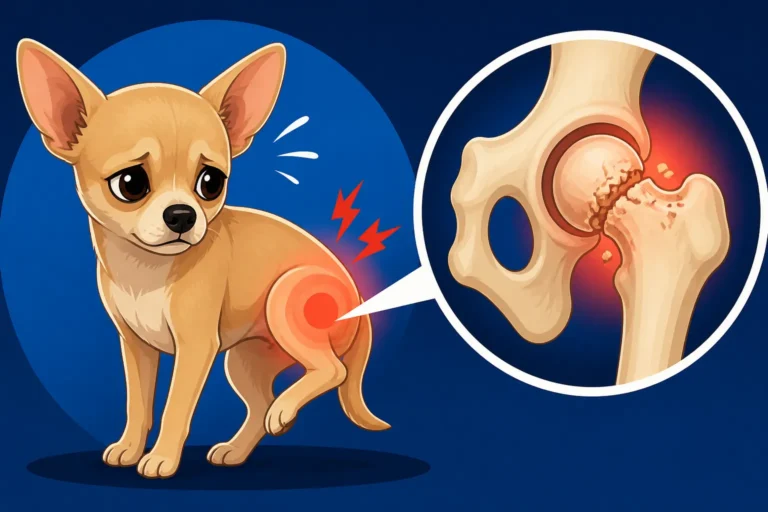
One such condition is Legg-Calve-Perthes disease, a disorder affecting the hip joint that can cause limping in small breeds, often around 6-12 months of age. Although it affects the hip, the resulting pain can sometimes be mistaken for a knee issue. Another possibility is a soft tissue injury, like a sprain or strain, though these are usually acute and resolve with rest. In older Chihuahuas, general Chihuahua Arthritis in the Teenage Years could be contributing to stiffness and lameness, regardless of a luxating patella.
Your vet will carefully evaluate all symptoms, conduct a thorough physical exam, and use imaging if necessary to ensure an accurate diagnosis. This comprehensive approach ensures that your Chihuahua receives the most appropriate and effective treatment for their specific condition.
Managing Patellar Luxation: Non-Surgical Approaches
Once patellar luxation is diagnosed, especially in its earlier stages (Grade I or II), surgery isn't always the immediate answer. Many Chihuahuas can live comfortable, active lives with conservative management. The goal of non-surgical approaches is to minimize pain, slow the progression of arthritis, and improve overall joint function. It requires dedication from you, the owner, but it can make a world of difference.
Weight Management and Exercise Modification
One of the absolute biggest impacts you can have on your Chihuahua's joint health is maintaining a healthy weight. Every extra pound on a tiny Chihuahua frame puts disproportionate stress on their delicate knee joints. Think about it: a one-pound weight gain on a five-pound Chihuahua is a 20% increase in body weight! It’s equivalent to a 150-pound person gaining 30 pounds. This added pressure can exacerbate luxation, increase pain, and accelerate arthritis. For a comprehensive look at this, you might explore Chihuahua Obesity on a Six Pound Frame.
Work with your vet to determine your Chihuahua's ideal weight and create a feeding plan if they need to shed a few ounces. Even half a pound can make a noticeable difference in their comfort levels.
Exercise modification is also crucial. While Chihuahuas need exercise, high-impact activities like jumping off furniture, rough-and-tumble play with bigger dogs, or repetitive stair climbing can irritate a luxating patella and even cause it to slip more frequently. Instead, focus on low-impact activities like short, controlled walks on a leash. Gentle indoor play on carpeted surfaces is better than slick floors. The aim is to build muscle strength around the joint to provide better support, without putting undue stress on the knee. This careful balance can often keep symptoms at bay for years.
Joint Supplements and Anti-Inflammatory Medications
Supporting joint health from the inside out can be very beneficial. Your vet might recommend a variety of joint supplements. Common ingredients include glucosamine and chondroitin, which are building blocks for cartilage and can help maintain its elasticity. Omega-3 fatty acids (like fish oil) are also often recommended for their natural anti-inflammatory properties, which can help reduce pain and swelling in the joint. There are many brands out there, so ask your vet for a recommendation that's appropriate for your Chihuahua's tiny size and specific needs.
For Chihuahuas experiencing pain or inflammation, especially during flare-ups, your vet might prescribe anti-inflammatory medications. Non-Steroidal Anti-Inflammatory Drugs (NSAIDs) specifically formulated for dogs are commonly used. These can significantly improve comfort and mobility, allowing your Chihuahua to move more freely. It's vital to only use medications prescribed by your vet and to follow their dosing instructions precisely, as dosages for Chihuahuas are very specific due to their small size. Never give human pain medication to your dog.
It’s important to remember that supplements aren't a cure, but they can support joint health and potentially slow progression. Medications are for pain relief and inflammation control.
Physical Therapy and Environmental Adjustments
Physical therapy can be incredibly effective for Chihuahuas with patellar luxation, especially in conjunction with other conservative treatments. A certified canine rehabilitation therapist can teach you specific exercises to strengthen the muscles surrounding the knee, improve range of motion, and enhance balance and coordination. This might include gentle stretches, passive range of motion exercises, or specific movements to encourage proper leg use. Hydrotherapy (underwater treadmill) is another fantastic low-impact option that allows for muscle building without weight-bearing stress.
Making some simple environmental adjustments at home can also significantly improve your Chihuahua's quality of life and protect their knees. Consider:
- Ramps and Steps: This is a big one! Prevent your Chihuahua from jumping on and off furniture. Providing Ramps and Steps for a Chihuahua Sofa or bed can protect their knees from repeated impacts and potential slips.
- Non-Slip Surfaces: If you have hardwood, tile, or laminate floors, consider placing rugs or runners in areas where your Chihuahua walks, runs, or jumps off furniture. Slipping on smooth surfaces can cause the patella to luxate.
- Warmth: Keeping your Chihuahua warm can help soothe arthritic joints. Cozy beds, blankets, and sweaters (especially in colder climates) can be beneficial.
- Avoiding High Jumps: Limit activities that involve jumping, even small ones. This includes agility training unless specifically guided by a vet and physical therapist. You might find more advice on Keeping a Chihuahua Off Furniture to Protect Knees in another article.
These simple, yet effective, strategies can help your Chihuahua manage their condition without immediate surgery, improving their comfort and mobility for years.
When Surgery Becomes Necessary: Understanding the Options
While conservative management works wonders for many Chihuahuas with lower-grade patellar luxation, there are certainly cases where surgery becomes the best, or even only, option. Typically, this is considered for Grade II luxation that isn't responding to conservative measures, or for Grade III and IV luxations where the patella is frequently or permanently displaced, causing significant pain and lameness. The decision for surgery is a big one, but it can dramatically improve a Chihuahua's quality of life.
Types of Surgical Corrections for Luxating Patellas
The goal of patellar luxation surgery is to ensure the kneecap stays firmly within its trochlear groove. There are several surgical techniques, often used in combination, to achieve this:
- Trochlear Wedge Resection or Block Recession: This is a very common procedure. If the trochlear groove is too shallow, the surgeon will deepen it. In a wedge recession, a V-shaped wedge of bone is removed from the trochlear groove, deepened, and then the wedge is replaced. In a block recession, a rectangular block of bone is removed. This creates a deeper groove for the patella to sit in, making it less likely to slip out.
- Tibial Tuberosity Transposition: If the attachment point of the patellar ligament on the shin bone (tibial tuberosity) is misaligned, causing the patella to pull to one side, the surgeon will cut a small piece of bone containing this attachment. They then move it to a more appropriate position and re-anchor it with pins. This corrects the pulling force on the patella.
- Soft Tissue Release/Tightening: Sometimes, the soft tissues on one side of the knee joint are too tight, pulling the patella out of alignment, while the tissues on the other side are too loose. The surgeon may release the tight tissues and/or tighten the loose ones to help balance the forces on the kneecap.
- Patellectomy: In very rare and severe cases, especially where other techniques haven't worked or the joint is severely arthritic, the kneecap itself may be removed. However, this is usually a last resort as the patella plays a crucial role in knee function.
Often, a combination of these techniques is used to achieve the best outcome. Your veterinary surgeon will discuss the specific procedures recommended based on your Chihuahua's unique anatomy and the severity of their luxation. You might be weighing up Whether a Chihuahua Knee Needs Surgery at All against conservative methods, and a thorough discussion with your vet is key.
Surgical Recovery and Post-Operative Care
After surgery, your Chihuahua will need a period of careful recovery to ensure proper healing and the best long-term outcome. This isn't a quick fix, and patience is definitely required.
- Pain Management: Your vet will send you home with pain medication and possibly anti-inflammatories to keep your Chihuahua comfortable during the initial recovery phase.
- Activity Restriction: This is critical. Your Chihuahua will need strict rest and limited activity, often for 6-8 weeks or even longer. This means no jumping, no running, no stairs, and short, controlled leash walks only for potty breaks. A crate or small pen might be necessary to restrict movement. This can be challenging for an energetic Chihuahua, but it's vital for healing.
- Physical Rehabilitation: Many vets recommend post-operative physical therapy. This might start with gentle passive range of motion exercises at home and progress to controlled strengthening exercises, often with the help of a certified canine rehabilitation therapist. This helps restore muscle strength, improve joint flexibility, and ensures your Chihuahua uses their leg properly.
- Follow-up Appointments: You'll have several follow-up appointments with your vet to monitor healing, check the incision site, and possibly take follow-up X-rays.
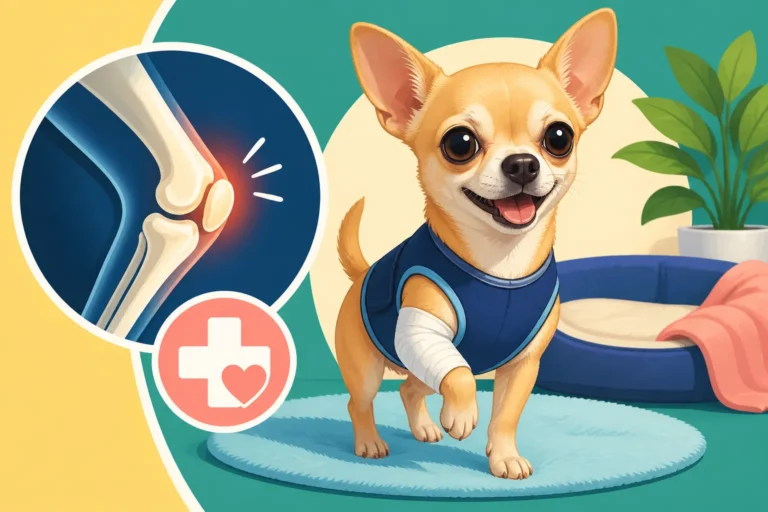
Knowing what to expect during Recovery After Chihuahua Kneecap Surgery can help you prepare mentally and practically for the weeks ahead. Remember, consistent post-operative care is just as important as the surgery itself for a successful outcome.
Long-Term Outlook After Surgery
The long-term outlook for Chihuahuas who undergo patellar luxation surgery is generally very good, especially for Grades II and III. Most dogs regain excellent use of their leg and experience a significant reduction in pain and lameness. Many can return to normal activities, though high-impact activities might still need to be managed.
However, it's important to have realistic expectations. Surgery can't reverse existing arthritis, and some degree of arthritis may still progress over time, especially in older dogs or those with higher-grade luxations prior to surgery. Continued weight management, appropriate exercise, and potentially joint supplements will remain important for the rest of your Chihuahua's life to maintain joint health.
While recurrence of luxation is possible, especially in very severe cases or if post-operative care isn't strictly followed, it's relatively uncommon with modern surgical techniques. Your vet will discuss the specific prognosis for your Chihuahua based on their age, the grade of luxation, and any concurrent conditions. Many owners who opt for surgery report a dramatic improvement in their Chihuahua's comfort and activity levels, making the investment worthwhile for their beloved companion.
Preventative Measures: Protecting Your Chihuahua's Knees
While patellar luxation often has a strong genetic component, there are definitely things you can do as a responsible Chihuahua owner to minimize the risk of developing the condition or reduce its severity and impact if it does occur. Prevention really is better than cure, and proactive care can make a huge difference in your Chihuahua's long-term joint health.
Responsible Breeding Practices and Health Screenings
This is perhaps the most crucial preventative measure, and it starts long before you bring a puppy home. If you are considering getting a Chihuahua puppy from a breeder, choosing a responsible breeder is paramount. A reputable breeder will prioritize the health of their dogs and will perform health screenings on their breeding stock to ensure they are not passing on inheritable conditions like patellar luxation.
Look for breeders who:
- Screen their breeding dogs for patellar luxation: They should be able to provide documentation (like OFA or PennHIP certificates) proving that the parents of your puppy have had their knees examined and graded as free from luxation or only with very mild, non-problematic grades. This is an absolute non-negotiable for a responsible breeder. You should specifically ask to see The Patella and Cardiac Papers on a Chihuahua Litter.
- Are transparent about their dogs' health history: They should be open about any instances of luxation in their lines, even if mild, and explain how they are working to reduce its prevalence.
- Do not breed dogs with significant luxation: This includes even dogs with Grade II luxation that shows symptoms, as these genes are likely to be passed on.
By supporting breeders who actively screen and breed for sound health, you're not only increasing your chances of getting a healthier puppy but also helping to reduce the overall incidence of patellar luxation in the breed. For broader health considerations, understanding The Health Tests a Chihuahua Breeder Should Run can guide your choices.
Early Intervention and Puppy Care
Once you bring your Chihuahua puppy home, the way you care for them in their crucial developmental months can also play a role. While you can't change their genetics, you can influence how their joints develop and reduce unnecessary strain.
- Controlled Exercise: Avoid excessive jumping, rough play, or long, strenuous walks for young puppies. Their bones and joints are still developing, and too much stress can contribute to issues. Keep playtime gentle and supervised.
- Nutrition: Feed a high-quality puppy food appropriate for small breeds. Overfeeding can lead to rapid growth and excess weight, both of which can put undue stress on developing joints. Your vet can advise on the best diet and portion sizes to ensure healthy, steady growth.
- Environmental Safety: Puppy-proof your home to prevent falls or excessive jumping. Use ramps or steps from day one if you allow your puppy on furniture. Provide non-slip surfaces on slick floors.
- Regular Vet Checks: Ensure your puppy has regular veterinary check-ups. Your vet will perform physical examinations, including feeling their knees, which can help detect a luxating patella early, even before it causes noticeable symptoms. Early detection allows for earlier intervention, whether that's conservative management or planning for potential surgery down the line.
Creating a Joint-Friendly Home Environment
Even for adult Chihuahuas, particularly those prone to joint issues or recovering from surgery, creating a supportive home environment is key. This isn't just about preventing injury; it's about making their daily life as comfortable and easy on their joints as possible.
- Ramps and Steps, Again! We can't emphasize this enough. If your Chihuahua jumps on and off the bed or sofa multiple times a day, that repetitive stress adds up. Investing in small, sturdy ramps or steps for all furniture access points is one of the best things you can do.
- Non-Slip Flooring: As mentioned before, rugs, yoga mats, or carpet runners on hard, slippery floors provide traction and prevent slips that can cause knees to luxate or exacerbate existing conditions.
- Appropriate Play: Encourage low-impact games like gentle fetch on soft surfaces. Avoid games that involve twisting, high jumps, or sudden stops and starts.
- Temperature Control: Keep your home comfortably warm, especially in colder months. Cold can stiffen joints and increase discomfort for dogs with arthritis. Cozy beds with good insulation are also a great idea.
- Regular, Moderate Exercise: While you want to avoid strenuous activity, regular, moderate exercise is important for maintaining muscle strength around the joints and keeping them flexible. Short, daily walks on a leash are ideal.
By being mindful of these preventative measures, you can give your Chihuahua the best possible chance for strong, healthy knees throughout their long life.
Living with a Chihuahua with Patellar Luxation: Daily Care and Support
Even with the best preventative measures, some Chihuahuas will develop patellar luxation. The good news is that with proper daily care and support, many can still enjoy a wonderful, full life. Living with a Chihuahua who has this condition means being a bit more intentional about their routine, constantly monitoring their well-being, and being prepared for potential developments.
Adapting Routine and Activities
Once your Chihuahua is diagnosed with patellar luxation, you'll need to make some adjustments to their daily life to ensure their comfort and prevent the condition from worsening. This isn't about eliminating fun, but rather finding joint-friendly ways to enjoy life together.
- Structured Exercise: Instead of letting them run wild or jump haphazardly, implement structured, low-impact exercise. This could be two to three short, brisk walks a day on a leash on even ground. The goal is to build and maintain muscle mass around the knee without excessive impact. Avoid dog parks where larger, rambunctious dogs could accidentally injure your small companion, and where sudden, unpredictable movements are common.
- Indoor Play: Focus on puzzle toys, gentle tug-of-war (on soft surfaces), or hide-and-seek games indoors. Make sure any toys are not too large or heavy, requiring awkward movements.
- Consider a Stroller or Carrier: For longer outings or crowded places, a pet stroller or comfortable carrier can be a lifesaver. This allows your Chihuahua to join you without having to walk excessive distances or navigate potentially tricky terrains, protecting their knees from fatigue and accidental slips.
- Mindful Handling: Always support your Chihuahua's body when picking them up, ensuring their back and legs are stable. Avoid grabbing them quickly or letting them drop suddenly. Teach children how to safely interact with a small dog and to be gentle around their legs.
The key is consistency and being aware of how each activity impacts their knees.
Monitoring for Progression and Secondary Issues
Living with patellar luxation means being a vigilant observer of your Chihuahua's health. The condition can progress over time, and secondary issues like arthritis are a common concern.
- Regular Vet Check-ups: Schedule routine check-ups with your vet, even if your Chihuahua seems fine. Your vet can monitor the grade of luxation, assess joint health, and make recommendations for ongoing care. They might recommend yearly X-rays to track arthritic changes.
- Watch for Subtle Changes: Pay close attention to any changes in your Chihuahua's gait, willingness to play, appetite, or general demeanor. Are they limping more often? Do they seem less enthusiastic about walks? Are they sleeping more? Any new sign of pain or discomfort should prompt a call to your vet.
- Arthritis Management: Arthritis is a common long-term consequence of patellar luxation, even after successful surgery. Your vet can help you create a plan to manage arthritis, which might include specific joint supplements, anti-inflammatory medications (as needed), and potentially physical therapy. Keeping your Chihuahua at a healthy weight is paramount for managing arthritis.
Being proactive about monitoring helps catch any worsening conditions early, allowing for timely adjustments to their care plan.
The Role of Pet Insurance in Managing Costs
Let's be realistic: managing a chronic condition like patellar luxation, especially if surgery becomes necessary, can be expensive. Veterinary costs, particularly for specialist orthopedic surgery, can quickly add up to thousands of dollars. This is where pet insurance can be an absolute lifesaver.
Consider enrolling your Chihuahua in a comprehensive pet insurance plan early in their life, ideally when they are a puppy, before any signs of patellar luxation (or other common Chihuahua ailments) emerge. Why? Because most pet insurance policies consider pre-existing conditions. If your Chihuahua is diagnosed with patellar luxation before you enroll them or before the waiting period ends, the insurance company will likely exclude it from coverage.
A good pet insurance policy, like those offered by Healthy Paws, can help cover a significant portion of diagnostic tests, veterinary consultations, medications, physical therapy, and crucially, surgical costs associated with patellar luxation. Imagine being faced with a $3,000-$5,000 surgery bill per leg. With a policy that covers 80-90% after your deductible, that financial burden becomes much more manageable. While some conditions might be considered pre-existing, it's worth checking with providers like Healthy Paws to understand their specific policies and any potential waiting periods. Investing in pet insurance is an investment in your Chihuahua's long-term health and your peace of mind. Without it, the financial stress of managing a condition like this can be overwhelming, potentially forcing difficult decisions that no pet parent wants to make.
It's important to research different plans and understand what they cover, deductibles, reimbursement rates, and any exclusions. Having a plan in place from providers like Healthy Paws allows you to focus on your Chihuahua's recovery and care, rather than agonizing over vet bills.
Disclaimer
This article is intended for informational purposes only and is not a substitute for professional veterinary advice. Always consult with a qualified veterinarian for any health concerns or before making any decisions about your Chihuahua's medical care.